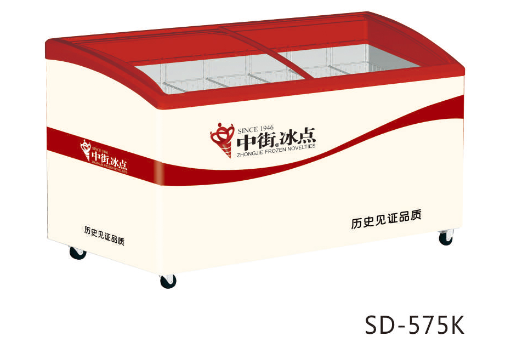
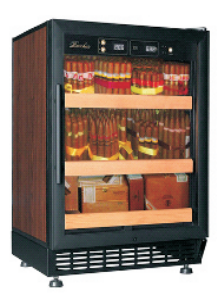
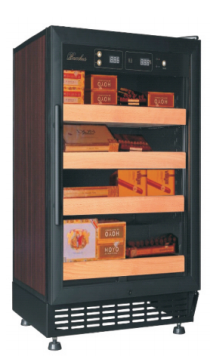
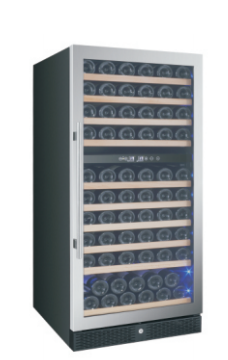
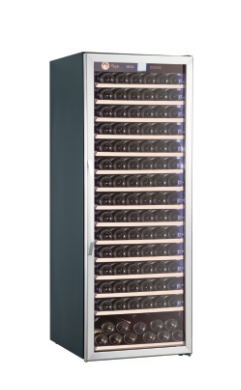
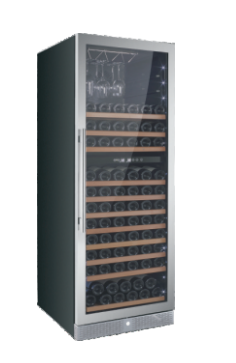
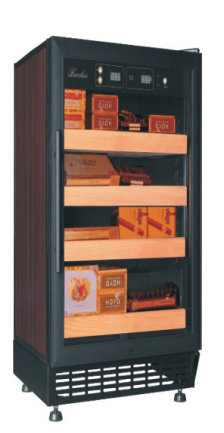
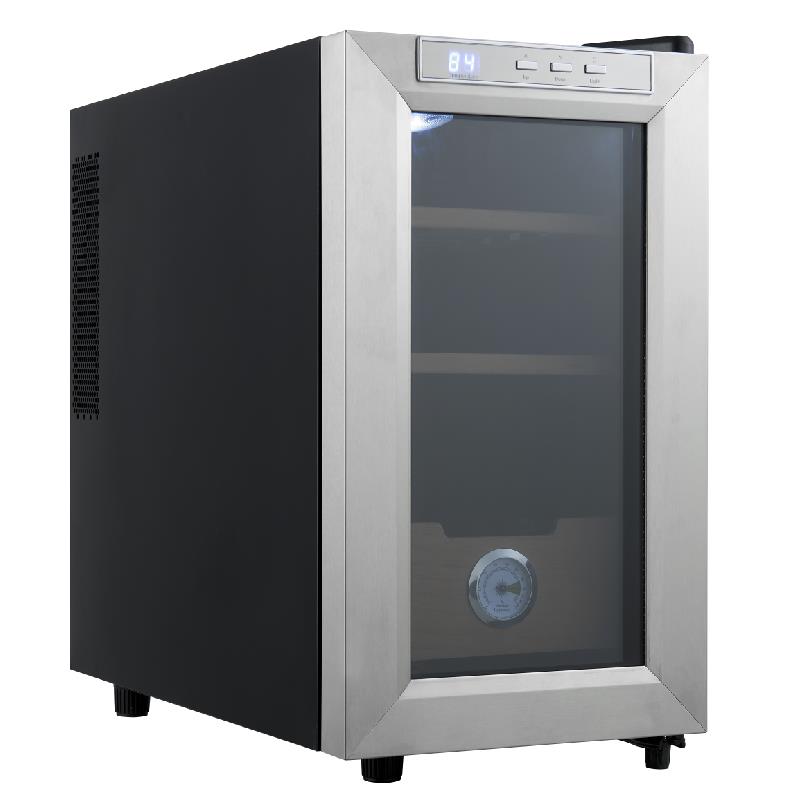
Freezers
Source commercial and household freezers from vetted suppliers and manufacturers across Asia. Designed for importers, appliance wholesalers, and brands seeking OEM or private-label production, our network delivers bulk manufacturing with strict quality control.
Sourcing freezers at scale requires balancing thermal efficiency, compressor reliability, and strict regional energy compliance. Whether you are importing standardized chest models or developing custom upright units, success depends on partnering with factories that maintain rigorous standards in foaming insulation, refrigerant handling, and electrical safety.
Core Specifications for Bulk Buyers
When negotiating with freezer manufacturers, the bill of materials (BOM) drives both the unit cost and market compliance. Specifying the right components upfront prevents costly redesigns or border rejections.
Compressors and Refrigerants
The compressor is the heart of the freezer, accounting for a significant portion of the unit cost. Factories typically offer standard fixed-speed compressors for budget models and inverter compressors for high-efficiency units required to meet strict Minimum Energy Performance Standards (MEPS).
Refrigerant selection is dictated by your destination market. R134a is largely being phased out globally due to its high Global Warming Potential (GWP). You must specify R600a (isobutane) or R290 (propane) to ensure compliance in North American and European markets.
Climate Class Ratings
Freezers are engineered to operate within specific ambient temperature ranges. Specifying the wrong climate class will lead to compressor burnout and high return rates.
| Climate Class | Ambient Temp Range | Typical Target Markets |
|---|---|---|
| SN (Subnormal) | 10°C to 32°C | Northern Europe, Canada |
| N (Normal) | 16°C to 32°C | US, Central Europe |
| ST (Subtropical) | 18°C to 38°C | Southeast Asia, Latin America |
| T (Tropical) | 18°C to 43°C | Middle East, Africa, South Asia |
Need to align your technical specifications with a capable manufacturer? We can help you identify factories equipped for your target market's requirements.
Talk to our teamManufacturing Tolerances and Quality Control
Appliance manufacturing involves high-pressure processes where invisible defects can ruin product performance. The polyurethane (PU) foaming process, which creates the freezer's insulation, is a critical failure point. If the cyclopentane foaming agent is improperly mixed or injected at the wrong temperature, hidden voids form inside the cabinet walls, drastically reducing thermal efficiency.
Implementing robust Quality Control & Inspection protocols on the factory floor is non-negotiable.
Critical Factory-Level Inspections
- Foam density and void checking (often requiring destructive testing on a sample basis)
- Halogen leak detection to ensure the hermetic seal of the copper/aluminum refrigeration circuit
- Hi-pot (high potential) testing for electrical safety and grounding
- Temperature pull-down testing (measuring the time taken to reach target internal temperature)
- Drop and vibration testing for packaging integrity
Regulatory Compliance and Testing
Appliances are heavily regulated. Depending on your market, your supplier must hold valid certifications such as CE, RoHS, UL/ETL, and DOE or Energy Star ratings. Because factory-provided certificates can sometimes be outdated or apply to different components, independent Compliance & Testing is highly recommended before mass production begins.
OEM/ODM Customization
Many importers utilize OEM/ODM Services to differentiate their product lines. While standardizing the internal cooling chassis saves money, you can customize the exterior.
Custom Tooling for Freezers
Advantages
- Unique door panel designs and handle extrusions
- Custom interior liners and adjustable shelving configurations
- Proprietary digital control panels and smart features (IoT)
Disadvantages
- High upfront plastic injection and metal stamping tooling costs
- Extended lead times for mold creation and validation (often adding 45 to 60 days)
- Higher Minimum Order Quantities (MOQs) to amortize the tooling investment
Typical MOQs, Pricing, and Lead Times
Freezers are low-density, high-volume freight. Because shipping empty space is prohibitively expensive, factories calculate Minimum Order Quantities based on container capacity rather than raw unit counts.
Managing the flow of these oversized goods from the factory floor to your warehouse requires precise coordination. Working with an experienced Shipping & Freight partner ensures containers are optimized and port delays are minimized.
Ready to optimize your appliance supply chain and secure better pricing on bulk orders?
Get a free consultationBuyer FAQ
Sourcing reliable appliances requires moving past surface-level Alibaba listings and auditing the actual manufacturing capabilities of the factory. By controlling the BOM, verifying the foaming process, and optimizing container loads, you can secure high-quality freezers that protect your brand's reputation and bottom line.
Get Sourcing Help for Freezers
Tell us your requirements and our experts will connect you with verified manufacturers.