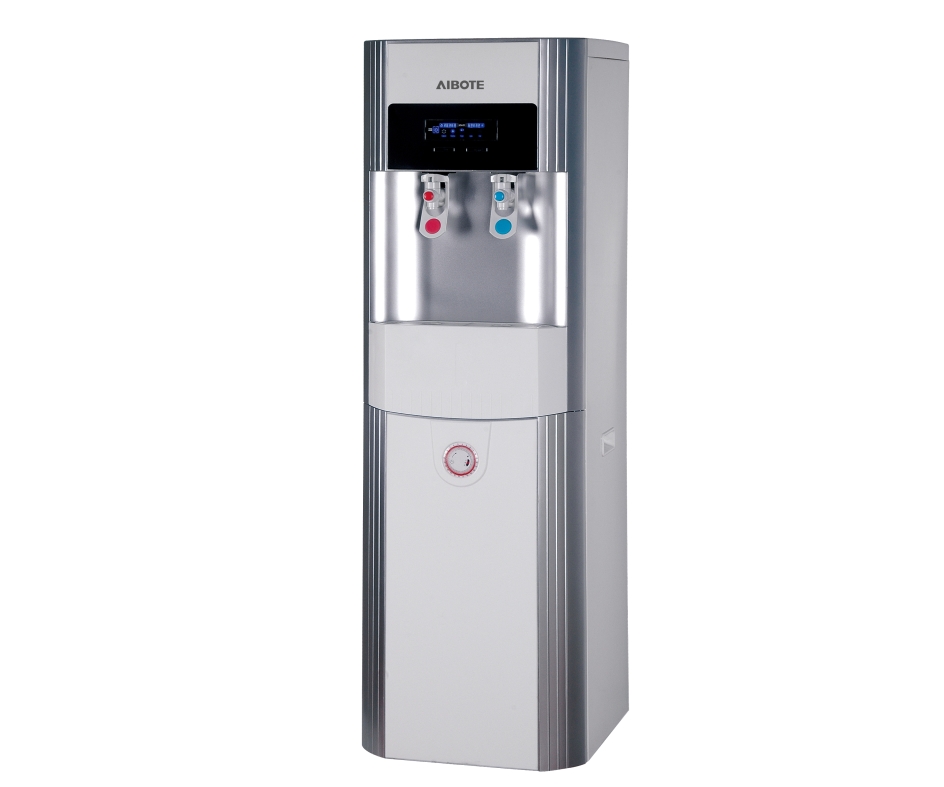
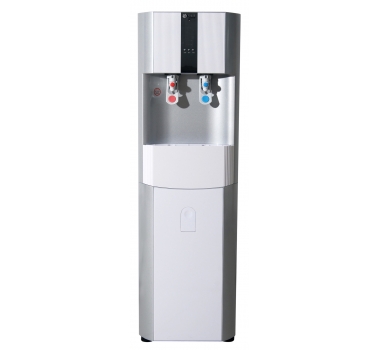
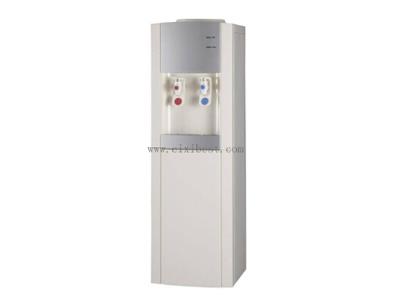
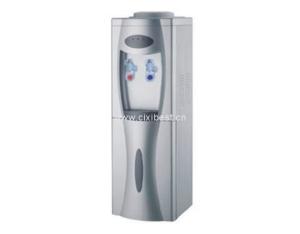
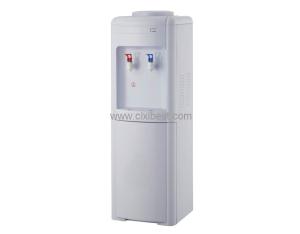
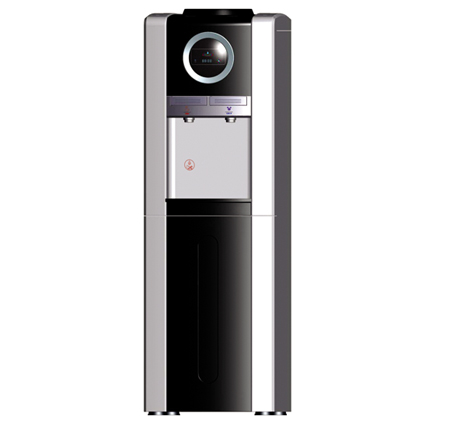
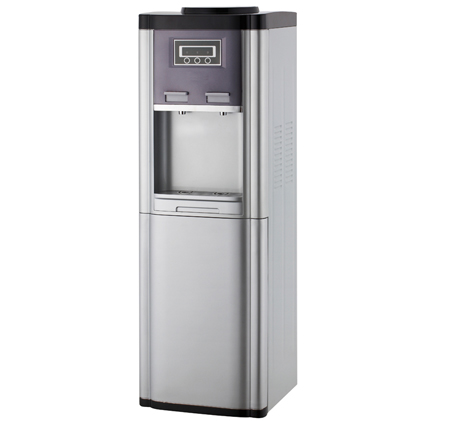
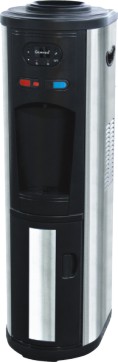
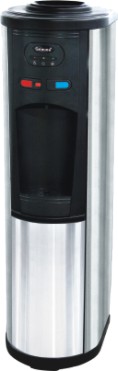
Freestanding Water Dispensers
Source freestanding water dispensers from vetted manufacturers and wholesale suppliers. Built for importers, appliance distributors, and brands seeking reliable OEM and private-label production, our network delivers high-volume orders with strict quality control.
Sourcing freestanding water dispensers in volume requires balancing unit cost against long-term appliance reliability. The difference between a profitable product line and a maintenance liability usually comes down to component selection on the factory floor—specifically the cooling compressor, heating tank welding integrity, and the quality of internal water-contact materials.
Core Specifications & Technical Requirements
When negotiating with manufacturers, vague specifications lead to component substitution. To ensure consistent performance, buyers must dictate the exact technical requirements for both the heating and cooling systems.
The primary decision is the cooling technology. Compressor-based units are standard for commercial environments, offices, and high-end residential markets due to their rapid cooling capacity. Electronic (thermoelectric) cooling is cheaper and lighter, but only suitable for low-traffic residential use.
| Specification | Compressor Cooling | Electronic (Thermoelectric) |
|---|---|---|
| Cooling Capacity | High (2.0 to 3.0 L/h) | Low (0.7 to 1.0 L/h) |
| Water Temperature | Cold (5 to 10 degrees C) | Cool (12 to 15 degrees C) |
| Durability & Lifespan | Excellent (5 to 10 years) | Moderate (2 to 4 years) |
| Unit Cost | Higher | Lower |
For the heating system, specify SUS304 food-grade stainless steel for the hot water tank. The heating band should be external to prevent scaling and corrosion, with a standard wattage between 500W and 500W to yield a heating capacity of around 5.0 L/h at 85 to 95 degrees Celsius.
Manufacturing Quality & Defect Prevention
Freestanding water dispensers are prone to specific manufacturing defects if factory oversight is lax. The most critical failure points are internal leaks and electrical faults. Poorly welded stainless steel tanks or the use of cheap silicone tubing that degrades under high temperatures will result in slow leaks that destroy the unit's electronics and damage end-user property.
Need to ensure your supplier's production lines meet your technical standards? Get expert help vetting factories and auditing components.
Talk to our teamTo mitigate these risks, rigorous Quality Control & Inspection must be implemented during production and before shipment.
Critical Pre-Shipment Inspection Checks
- Pressure and leak testing on all internal tubing and tank connections.
- Hi-pot (high potential) testing to verify electrical insulation and grounding.
- Compressor noise and vibration testing (should be under 50dB).
- Verification of food-grade material certificates for all water-contact parts.
- Thermostat calibration checks for both hot and cold limits.
Thorough Factory Audits are also recommended before placing an order to verify that the manufacturer has the necessary testing equipment, such as automated leak detectors and aging rooms, integrated into their assembly lines.
Customization and OEM/ODM Production
For brands looking to differentiate their product lines, manufacturers offer extensive OEM/ODM Services. Customization ranges from simple private labeling (logo printing and custom packaging) to full ODM projects involving custom tooling for the exterior ABS plastic housing.
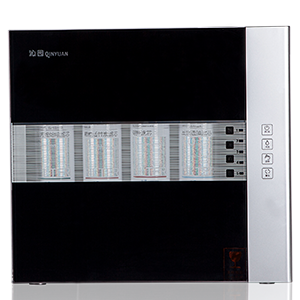
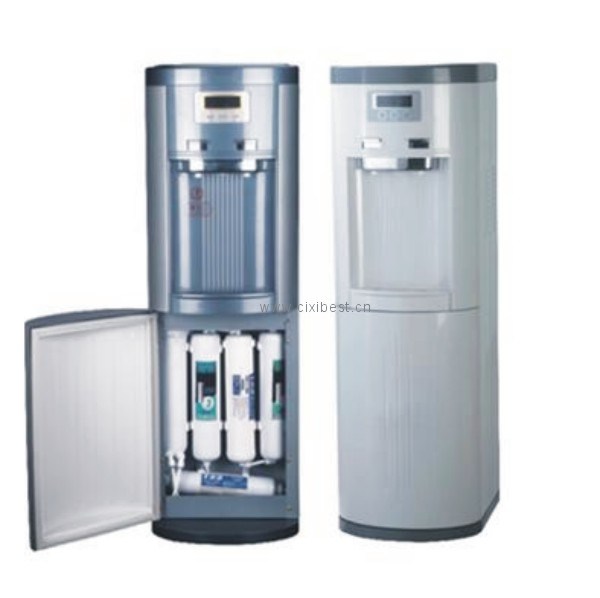
Many buyers are now integrating built-in filtration systems (such as RO or UF membranes) into the lower cabinet of freestanding dispensers. If you are pursuing this, ensure the factory has experience with water purification standards, as this adds complexity to the internal plumbing and requires higher pressure pumps.
Pricing, MOQs, and Lead Times
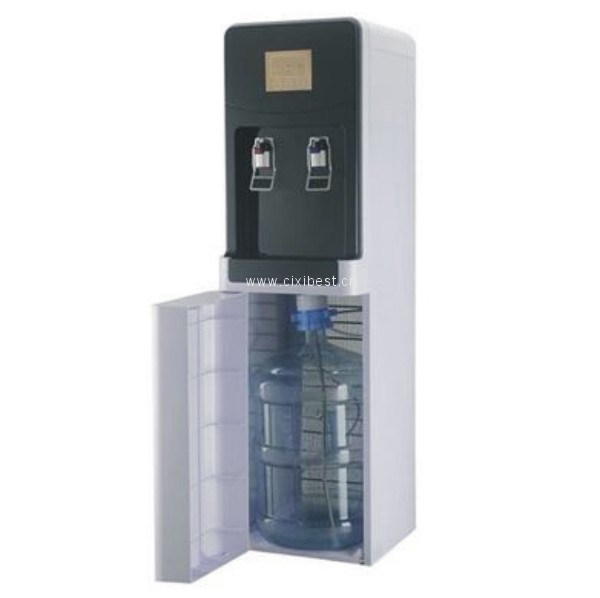
Unit costs are heavily influenced by the compressor brand (e.g., Danfu, Huayi, or imported brands), the thickness of the ABS plastic housing, and the inclusion of bottom-loading mechanisms or filtration systems.
Because water dispensers are bulky, shipping air freight is not viable. Buyers must optimize their packaging dimensions to maximize container space.
Struggling to negotiate favorable MOQs or manage complex shipping logistics? Let our sourcing experts streamline your supply chain.
Get a free consultationCertifications & Market Compliance
Importing water dispensers requires strict adherence to regional safety and environmental standards. Electrical safety and food-contact material compliance are non-negotiable.
- North America: UL or ETL certification for electrical safety, plus FDA-compliant materials for water-contact components.
- Europe: CE (LVD/EMC), RoHS, and REACH compliance, along with LFGB certification for food-grade materials.
- Middle East: CB certification and specific regional standards like SASO (Saudi Arabia).
Never take a supplier's word that a product is "CE compliant." Always request the full test reports from a recognized third-party laboratory and consider independent Compliance & Testing for your specific production batch.
Successfully sourcing freestanding water dispensers at scale requires strict control over component specifications and rigorous factory-floor oversight. By defining your technical requirements clearly and enforcing robust quality control, you can secure reliable appliances that protect your brand's reputation and bottom line.
Get Sourcing Help for Freestanding Water Dispensers
Tell us your requirements and our experts will connect you with verified manufacturers.