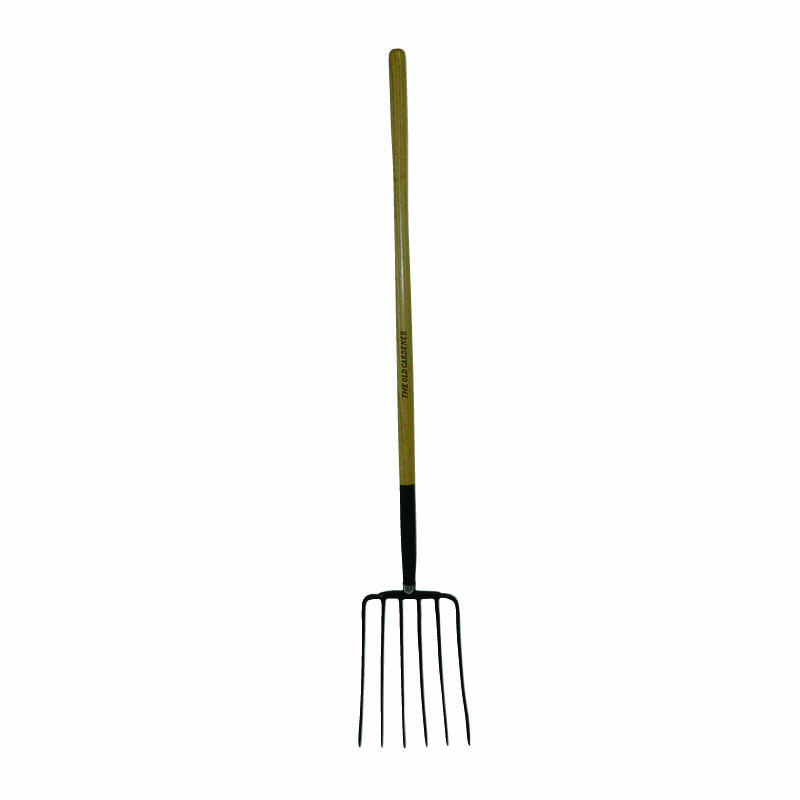
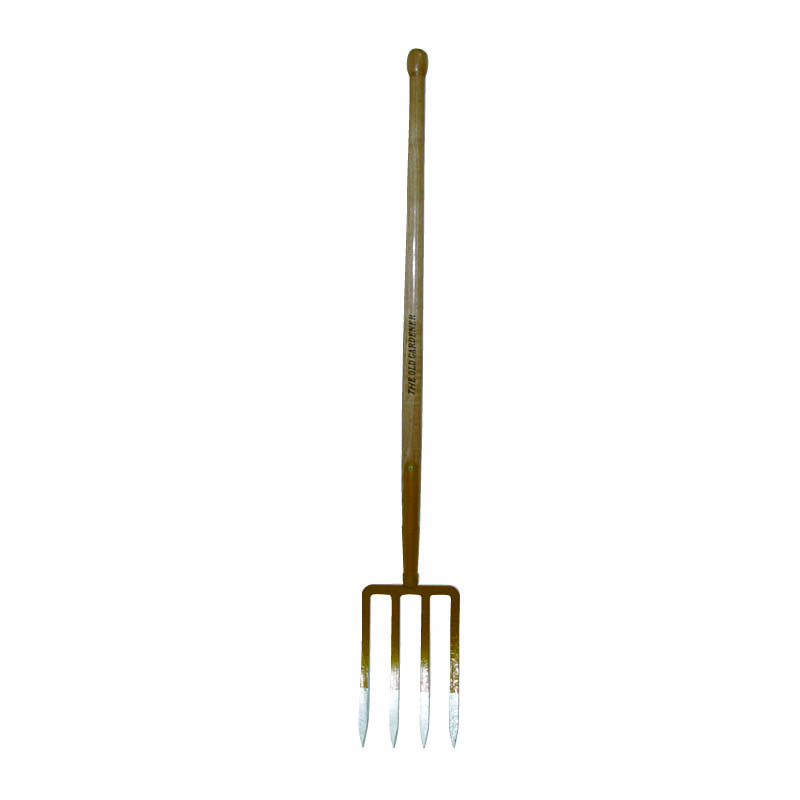
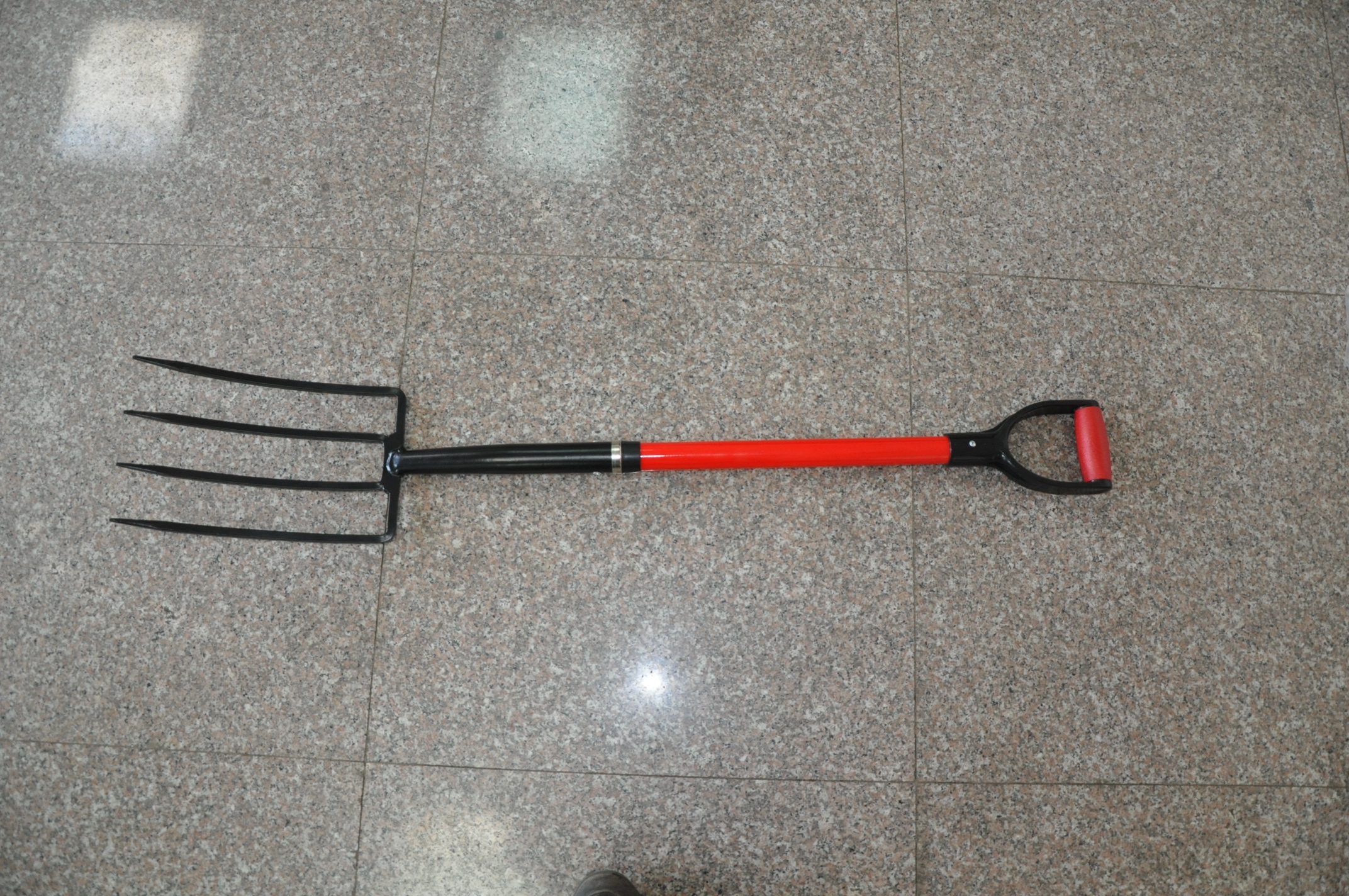
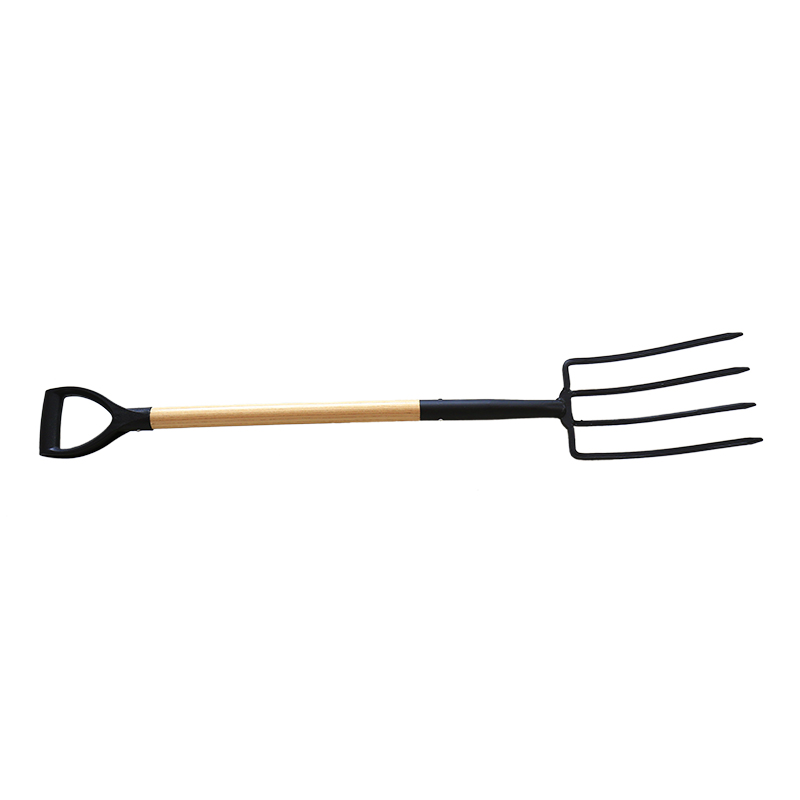
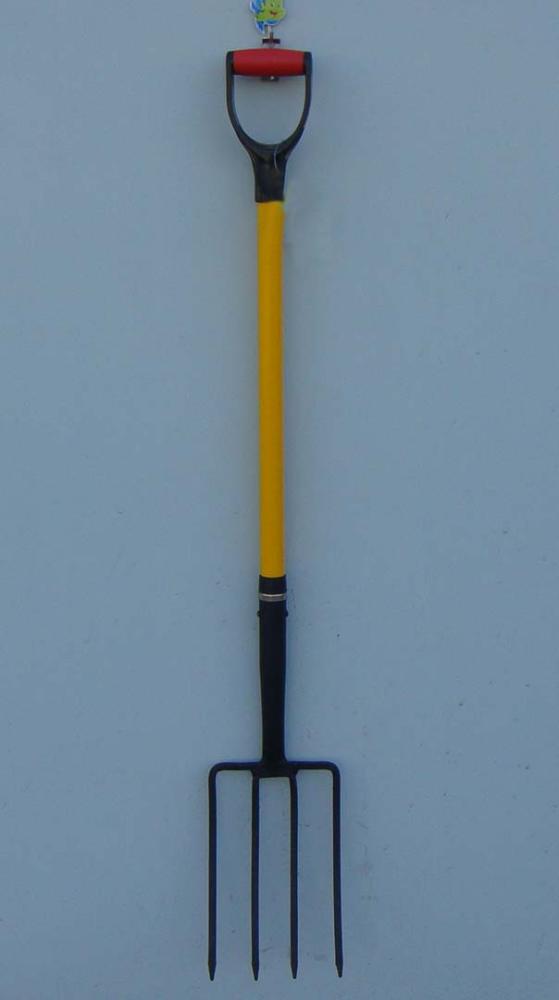
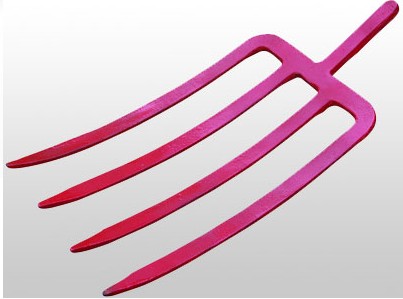
Forks
Source high-quality garden forks in bulk directly from vetted manufacturers and wholesale suppliers. Designed for importers, distributors, and hardware brands seeking reliable OEM and private-label production, our network delivers durable tools built for demanding agricultural and landscaping applications.
Sourcing garden forks at scale requires balancing metallurgical integrity with ergonomic design. The difference between a premium landscaping tool and a budget consumer item lies entirely in the factory's forging capabilities, heat treatment precision, and handle assembly methods. For bulk buyers, specifying the right materials and enforcing strict quality standards is essential to prevent catastrophic failures in the field, such as bent tines or snapped handles.
Material Specifications and Manufacturing
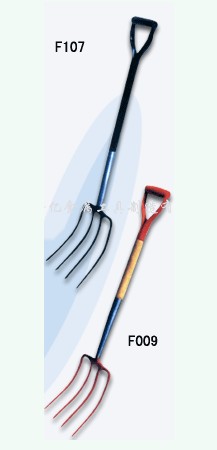
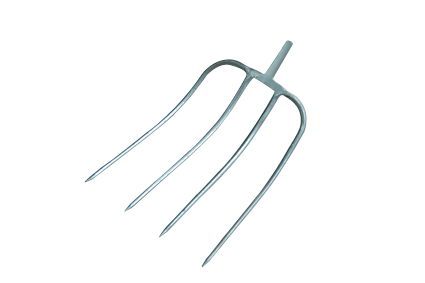
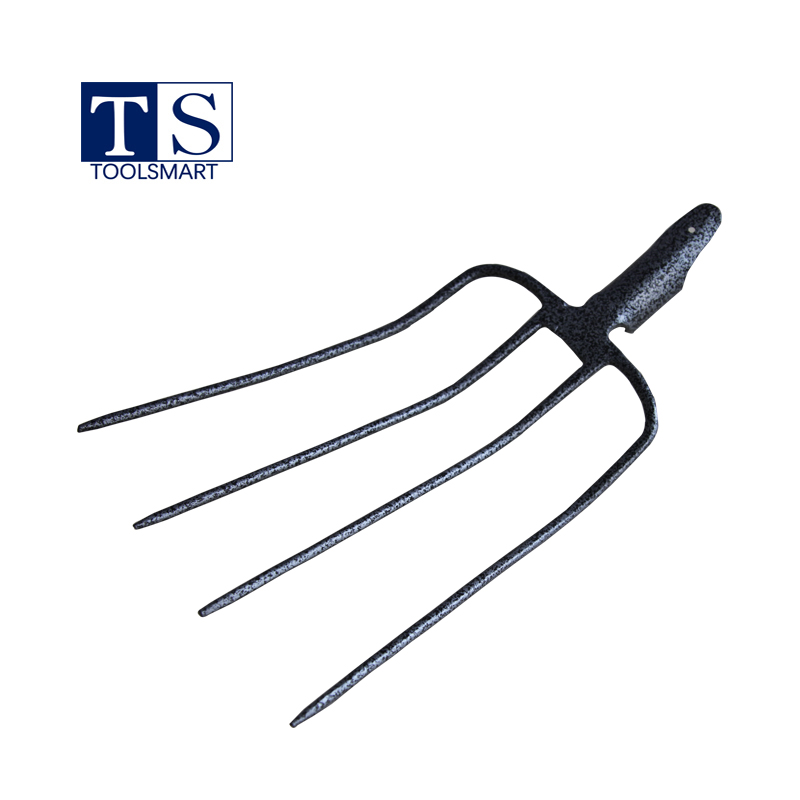
The core of any heavy-duty fork is the head. While stamped steel is common in low-end retail markets, professional-grade agricultural and garden forks require forged construction.
Head Materials and Heat Treatment
Factories typically offer two primary metal choices, each requiring specific heat treatment protocols to achieve the necessary balance of hardness and flexibility.
| Material | Typical Hardness (HRC) | Corrosion Resistance | Primary Application |
|---|---|---|---|
| High-Carbon Steel (e.g., 45# or 50#) | 38 to 45 | Low (requires coating) | Heavy-duty agricultural use |
| Stainless Steel (e.g., 420 or 430) | 40 to 47 | Excellent | Premium retail, damp environments |
| Boron Steel | 45 to 50 | Medium (with coating) | Professional landscaping |
Proper heat treatment is non-negotiable. If the steel is too soft, the tines will bend under leverage; if it is too hard, they will snap. When working with overseas suppliers, verifying their in-house heat treatment facilities or their sub-contractor's capabilities is a critical step in OEM/ODM Services.
Need help verifying a factory's forging and heat-treatment capabilities? Let our sourcing engineers evaluate your supplier.
Talk to our teamHandle Construction and Assembly
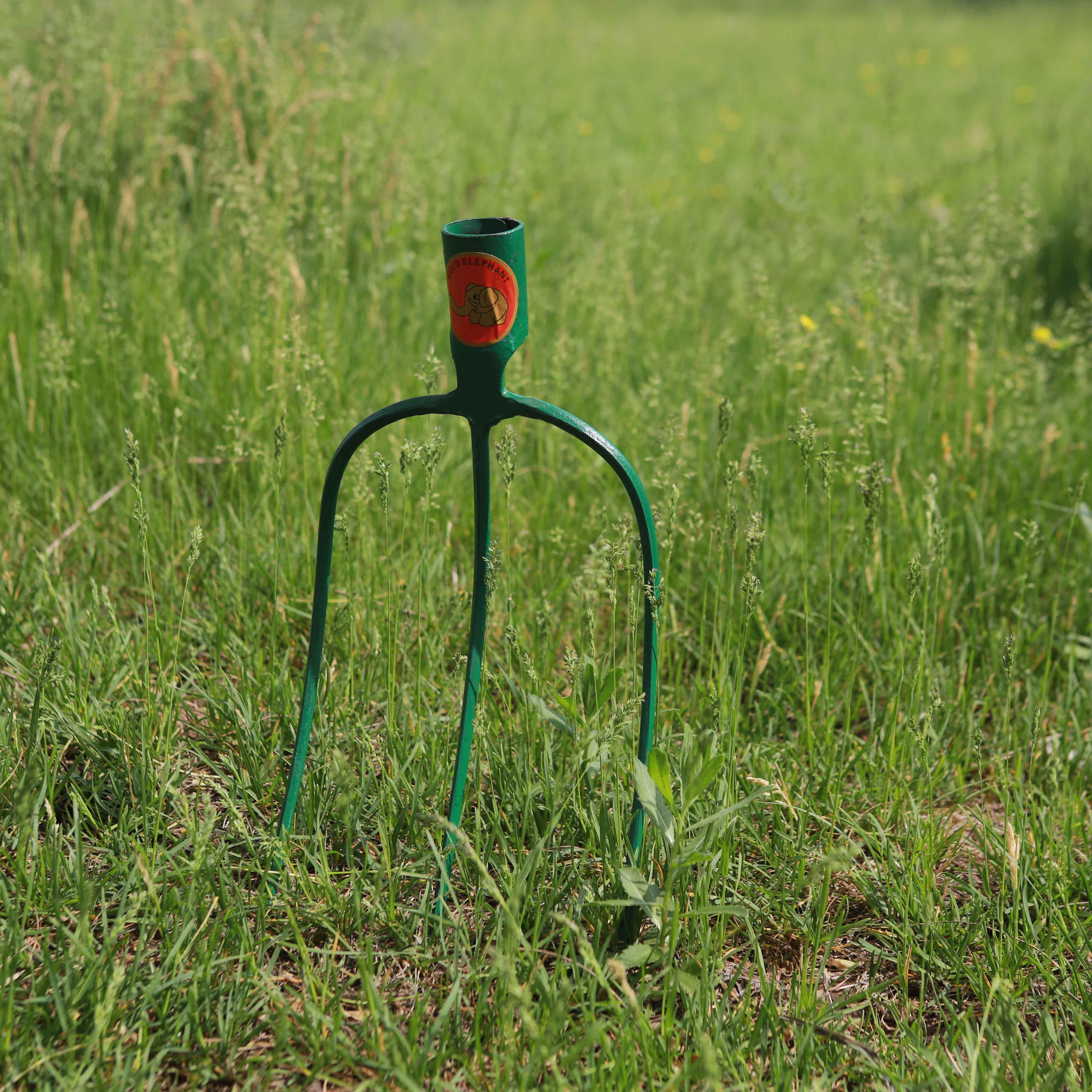
The connection point between the head and the handle—the socket or tang—is the most common point of failure.
- Solid Socket: The socket is forged as a continuous piece with the head, offering maximum strength.
- Strapped: Two metal straps extend up the handle, riveted in place. Common in heavy contractor forks.
- Tang and Ferrule: A metal tang is driven into the handle and secured with a metal collar (ferrule).
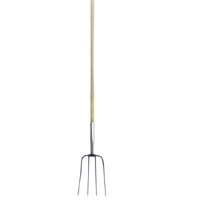
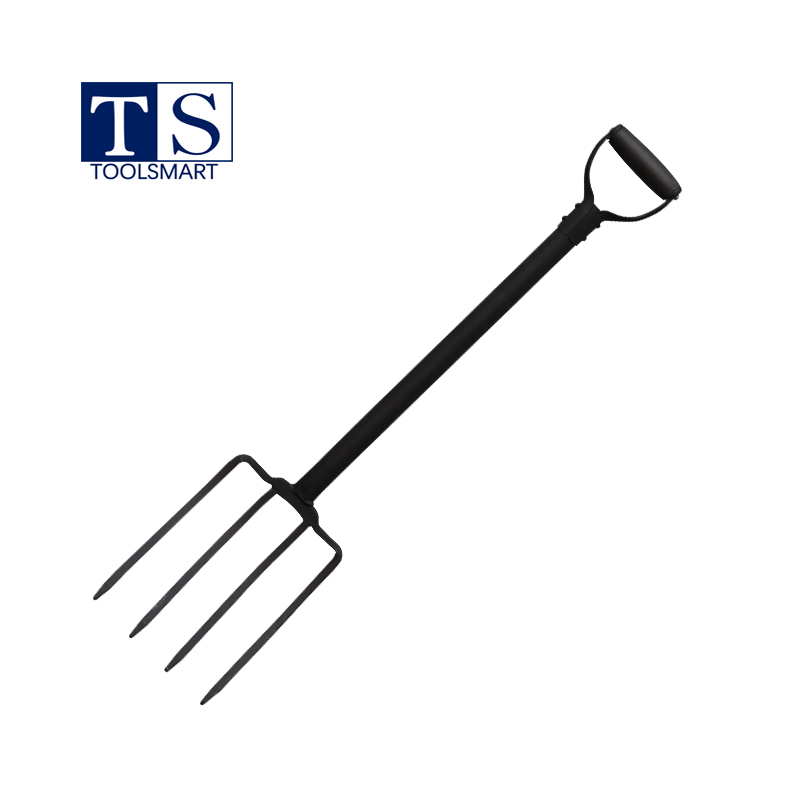
Handle materials also drive cost and durability. Ash wood is the global standard for strength and flexibility, but fiberglass with a molded TPR (Thermoplastic Rubber) grip is increasingly preferred for professional tools due to its weather resistance.
Quality Control and Defect Prevention
Catching defects before shipment saves significant capital and protects your brand reputation. A robust Quality Control & Inspection protocol should include both visual checks and mechanical testing.
Critical Inspection Points for Bulk Fork Orders
- Tine Alignment: Ensure all tines are parallel and evenly spaced; warping during heat treatment is a common factory defect.
- Load Testing: Apply a specified weight to the tines while the handle is secured to test for permanent deformation.
- Rivet Integrity: Check that rivets in strapped or socketed joints are flush and secure, with no play in the handle.
- Moisture Content: For wooden handles, ensure moisture content is between 10% and 14% to prevent shrinking and loosening.
- Coating Adhesion: Perform a cross-cut test on powder-coated carbon steel models to ensure rust protection.
Pricing, MOQs, and Lead Times
Understanding factory production realities helps you negotiate better terms and manage your supply chain effectively.
Pricing for garden forks is highly sensitive to raw material costs (steel and wood) and the finishing process. Mirror-polished stainless steel forks require significant manual labor, driving up unit costs compared to epoxy-coated carbon steel. Furthermore, establishing the legitimacy of a supplier's raw material sourcing—especially for FSC-certified wood—often requires comprehensive Factory Audits to ensure compliance with your market's regulations.
Struggling to negotiate favorable terms or verify raw material origins? Speak with our procurement specialists.
Get a free consultationFrequently Asked Questions
Successfully sourcing garden forks at scale means looking past the surface finish and focusing on the underlying metallurgy and assembly techniques. By setting strict specifications for hardness, handle moisture content, and socket assembly, you can secure reliable tools that build your brand's reputation. If you need boots on the ground to manage supplier negotiations and quality assurance, our team is ready to support your procurement operations.
Get Sourcing Help for Forks
Tell us your requirements and our experts will connect you with verified manufacturers.