Foot Protection
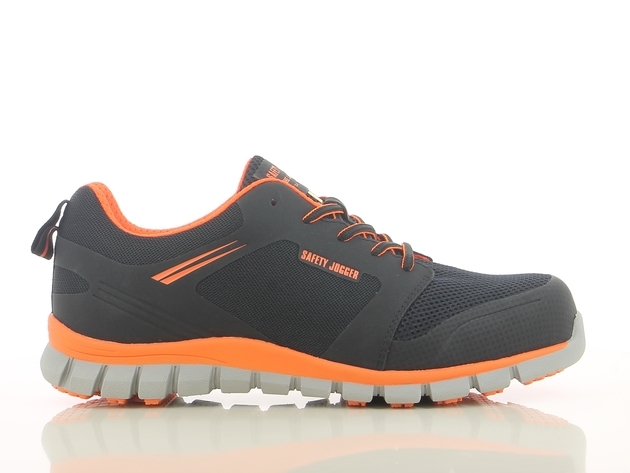
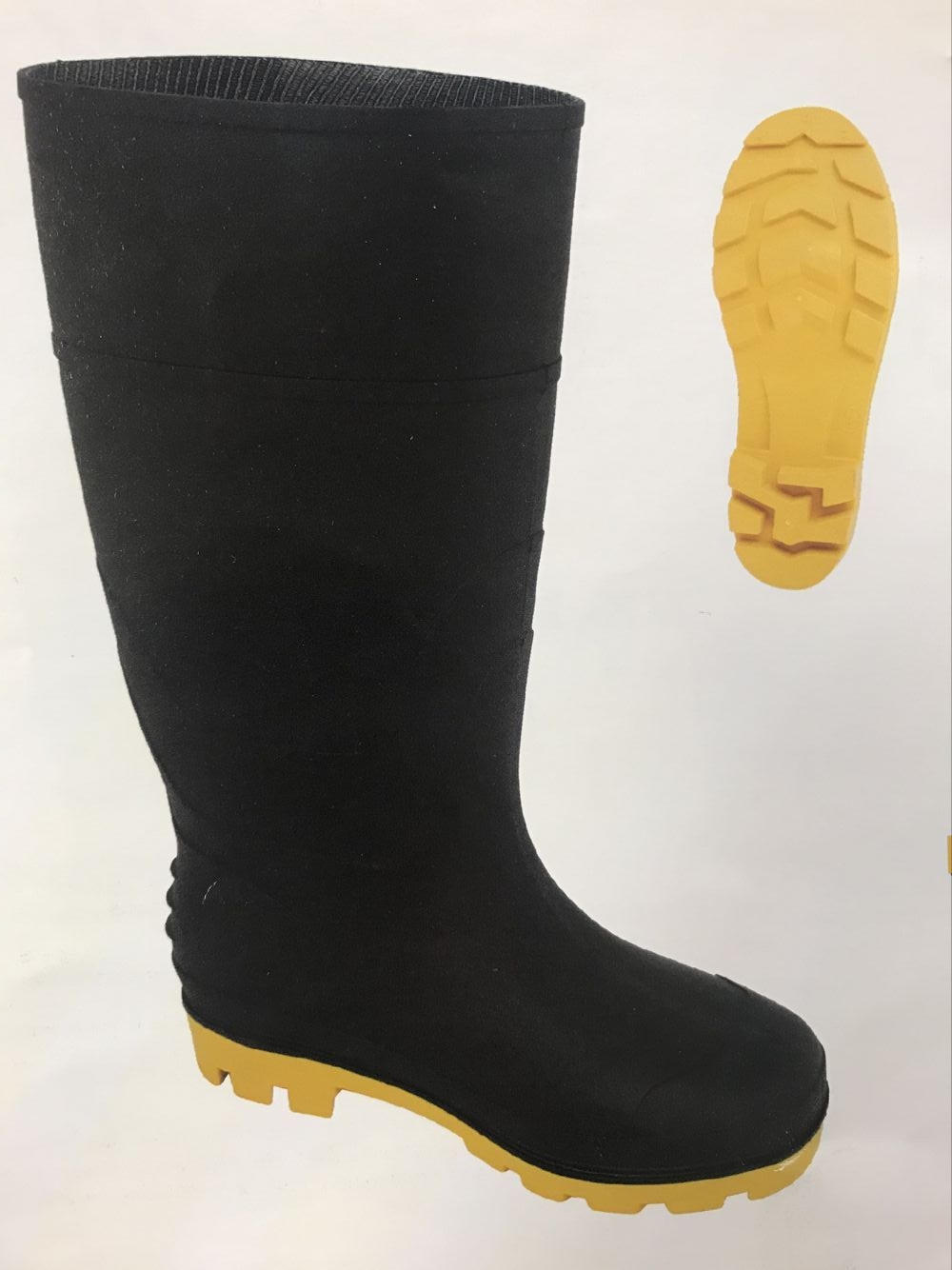
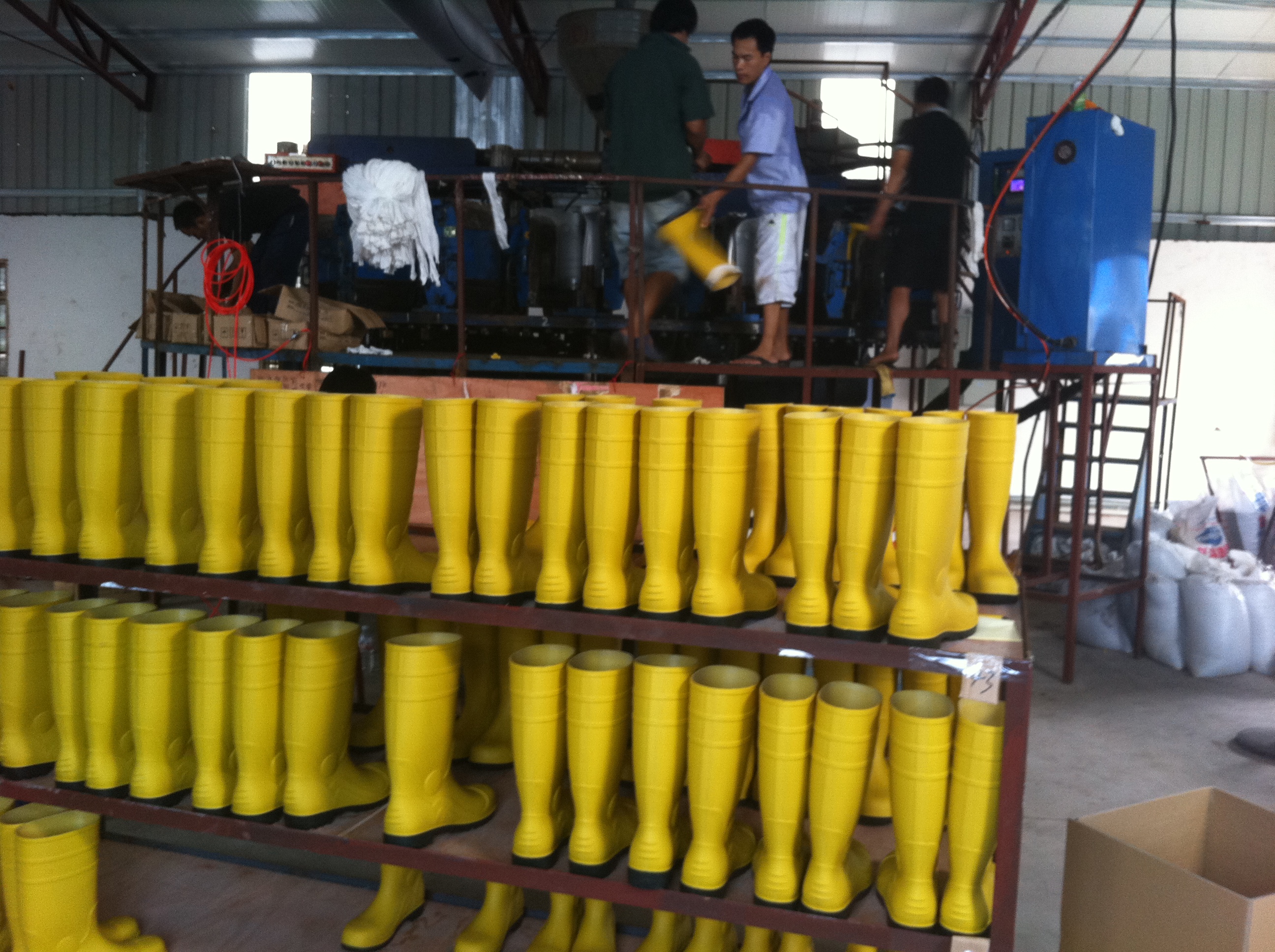
Source industrial-grade foot protection from vetted manufacturers and wholesale suppliers across Asia. Built for safety equipment distributors, procurement managers, and brands seeking reliable OEM production, our network delivers compliant, high-volume manufacturing tailored to strict international standards.
Sourcing industrial footwear at scale requires balancing stringent safety compliance with long-term durability and worker comfort. The primary challenge for volume buyers isn't just finding a factory that can produce a compliant sample; it is ensuring that mass production consistently meets those same standards, particularly concerning critical failure points like sole adhesion, impact resistance, and material degradation.
When you source foot protection, precise specification of materials and construction methods is non-negotiable.
Defining Critical Specifications
A standard bill of materials (BOM) for safety footwear is complex. Buyers must dictate exact specifications for the upper, the protective toe cap, the midsole (anti-penetration), and the outsole. Leaving these details to the factory's discretion often results in material substitution to lower costs.
| Outsole Material | Characteristics | Typical Application |
|---|---|---|
| Single-Density PU | Lightweight, cost-effective, lower abrasion resistance | Light manufacturing, warehousing |
| Dual-Density PU/PU | Good shock absorption, durable outer layer | General construction, logistics |
| PU/Rubber | High heat resistance (up to 300C), excellent slip resistance | Heavy industry, welding, petrochemical |
| TPU | High abrasion resistance, cold weather performance | Extreme environments, cold storage |
Toe Cap and Midsole Selection
- Steel vs. Composite: Steel provides maximum impact protection at a lower cost but adds weight and conducts temperature. Composite (fiberglass or carbon fiber) is lighter, non-metallic, and preferred for environments with metal detectors or extreme cold, though it requires a bulkier profile to achieve the same impact rating.
- Anti-Penetration Midsoles: Specify whether you require steel plates or woven fabric (like Kevlar). Woven fabrics offer better flexibility and cover 100 percent of the footbed, whereas steel plates leave slight gaps at the edges but are highly puncture-resistant.
Struggling to standardize your footwear specifications across multiple suppliers? Let us review your tech packs.
Talk to our teamManufacturing Methods and Quality Control
The construction method directly dictates the boot's lifespan and the factory's required capabilities.
- Injection Molding (Direct Attach): The upper is placed on a last, and the liquid PU or rubber outsole is injected directly onto it. This creates a permanent, watertight bond without glue. It requires expensive machinery (e.g., Desma machines) and high minimum order quantities because of the mold costs.
- Cemented Construction: The upper and outsole are glued together. This is more flexible for smaller runs and allows for diverse outsole designs, but it is highly susceptible to delamination if the factory's environmental controls (temperature and humidity during glue curing) are poor.
- Goodyear Welt: A traditional, highly durable method where the upper, insole, and welt are stitched together before attaching the outsole. It is labor-intensive and commands a premium price.
The Delamination Risk
In cemented construction, poor surface preparation (roughing) or expired adhesives are the leading causes of sole separation. When conducting Quality Control & Inspection, always require a sole adhesion pull-test (measured in Newtons per millimeter) on a random sampling of the production run.
Compliance and Certification
Foot protection is heavily regulated. For the European market, footwear must comply with EN ISO 20345 (covering impact, compression, and slip resistance). For North America, ASTM F2413 is the standard.
Relying on a factory's existing certificates can be risky. Certificates are often tied to specific material combinations. If you change the leather grade or the outsole supplier for your OEM/ODM Services run, the existing certificate is no longer valid. Rigorous Compliance & Testing via third-party labs (like SGS or Intertek) must be factored into your timeline and budget.
Sourcing Realities: MOQs, Pricing, and Lead Times
Footwear manufacturing requires extensive tooling, especially for injection-molded soles, which means MOQs are generally higher than in other PPE categories.
Prices fluctuate based on the cost of raw materials (leather and polyurethane) and currency exchange rates. When negotiating, clarify exactly what grade of leather is quoted. "Action leather" (split leather with a PU coating) is significantly cheaper than full-grain leather, but offers drastically different breathability and durability.
Need to consolidate your safety footwear supply chain? We manage the sourcing, auditing, and QC process from end to end.
Get a free consultationFrequently Asked Questions
Successful foot protection sourcing requires deep technical oversight at the factory level. By standardizing your BOMs, mandating strict in-line adhesion testing, and verifying certifications for your specific material builds, you can mitigate the primary risks of high-volume footwear procurement.
Get Sourcing Help for Foot Protection
Tell us your requirements and our experts will connect you with verified manufacturers.