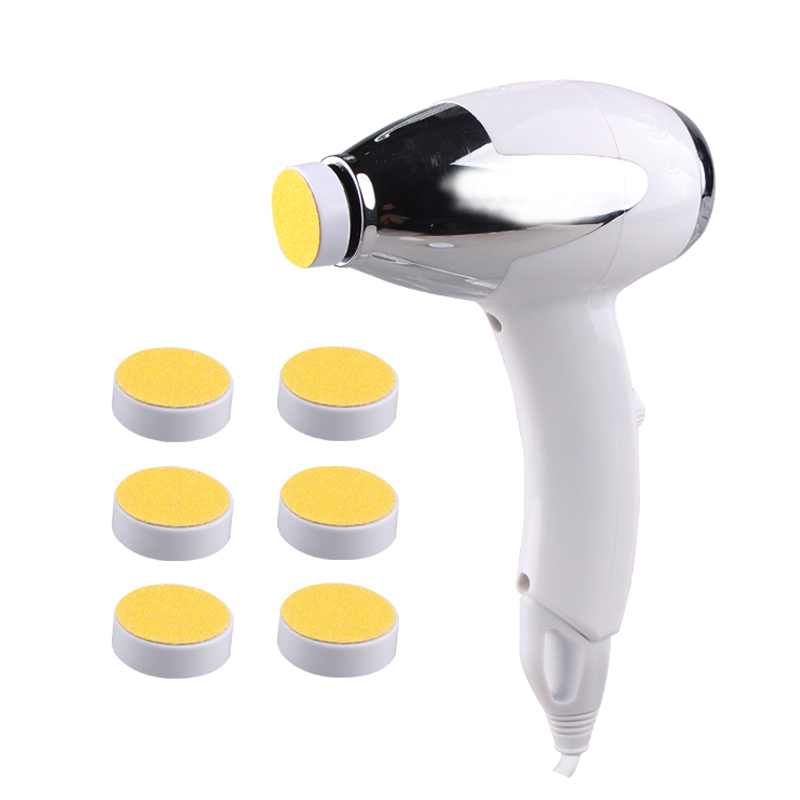
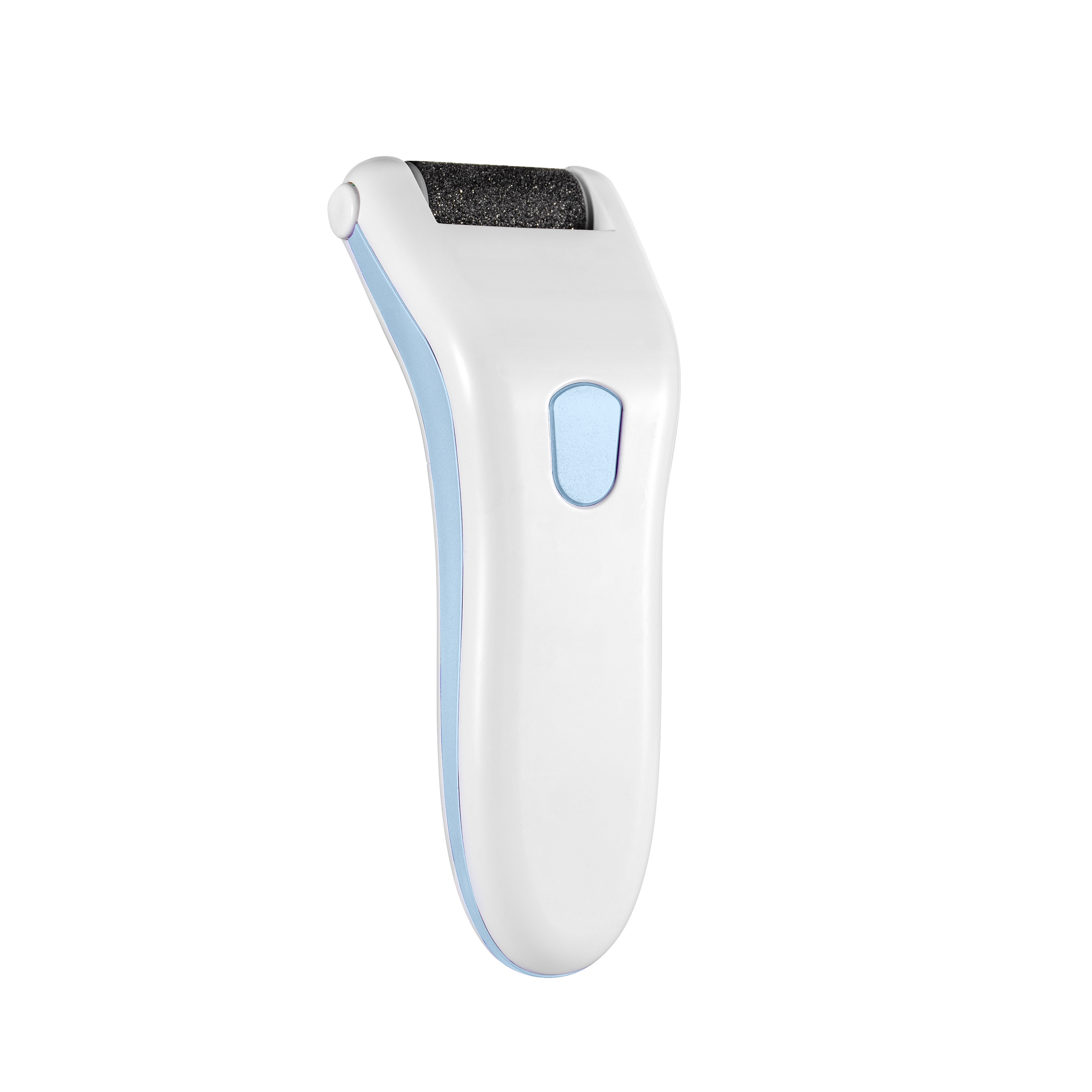
Foot Callus Removers
Source premium foot callus removers from vetted manufacturers and suppliers across Asia. Built for importers, wholesale distributors, and personal care brands seeking reliable OEM and private-label production. Secure competitive bulk pricing and consistent quality for your high-volume procurement needs.
Sourcing foot callus removers at scale requires a careful balance between abrasive efficacy and user safety. Whether you are procuring manual stainless-steel rasps, nano-glass files, or rechargeable electric foot grinders, the primary challenge is ensuring consistent material quality. For electronic models, this extends to strict electrical compliance, battery stability, and waterproofing across high-volume production runs.
Defining Specifications for Bulk Orders
When negotiating with manufacturers, vague specifications lead to inconsistent batches. Professional buyers must dictate the exact parameters of the product to ensure safety, durability, and performance.
For electric callus removers, the motor and battery dictate the lifespan of the device. Specify the motor's RPM (typically between 1,500 and 2,500 RPM) and ensure it maintains torque under load. Batteries should be specified by chemistry and capacity—typically Lithium-ion cells ranging from 600mAh to 1,200mAh.
| Specification | Electric Models | Manual Models |
|---|---|---|
| Core Materials | ABS/TPR housing, Quartz sand rollers | 304 Stainless Steel, Nano-glass, Pumice |
| Durability Focus | Motor lifespan, Battery cycles, Water sealing | Blade sharpness, Handle ergonomics, Rust resistance |
| Typical Customization | Housing color, Roller grit (Coarse/Fine), UI | Handle mold, File pattern, Surface finish |
Manufacturing Quality and Defect Control
Quality is won or lost on the factory floor during assembly and finishing. For electric models, the most critical failure points are water ingress and motor burnout. If a device claims an IPX6 or IPX7 waterproof rating, the factory must use reliable ultrasonic welding or high-grade silicone gaskets, rather than cheap rubber seals that degrade over time.
Implementing strict quality control and inspection protocols during production is essential. Relying solely on final random inspection often catches systemic defects too late.
Critical Inspection Points for Foot Callus Removers
- Motor torque testing: Ensure the roller does not stall easily under moderate pressure.
- Waterproof integrity: Submersion or splash testing for IPX-rated electric models.
- Roller retention mechanism: Verify the quick-release button securely locks the abrasive head in place.
- Battery safety: Check for overcharge protection circuits and thermal stability.
- Material finish: Inspect manual files for burrs, sharp housing edges, or misaligned handles.
Struggling with inconsistent motor performance or battery failures in your current supply chain? Let Merhein secure a vetted manufacturer and implement strict quality controls for your next production run.
Talk to our teamRegulatory Compliance and Certifications
Foot callus removers, especially electric models, must clear specific regulatory hurdles before entering major markets like the EU or North America.
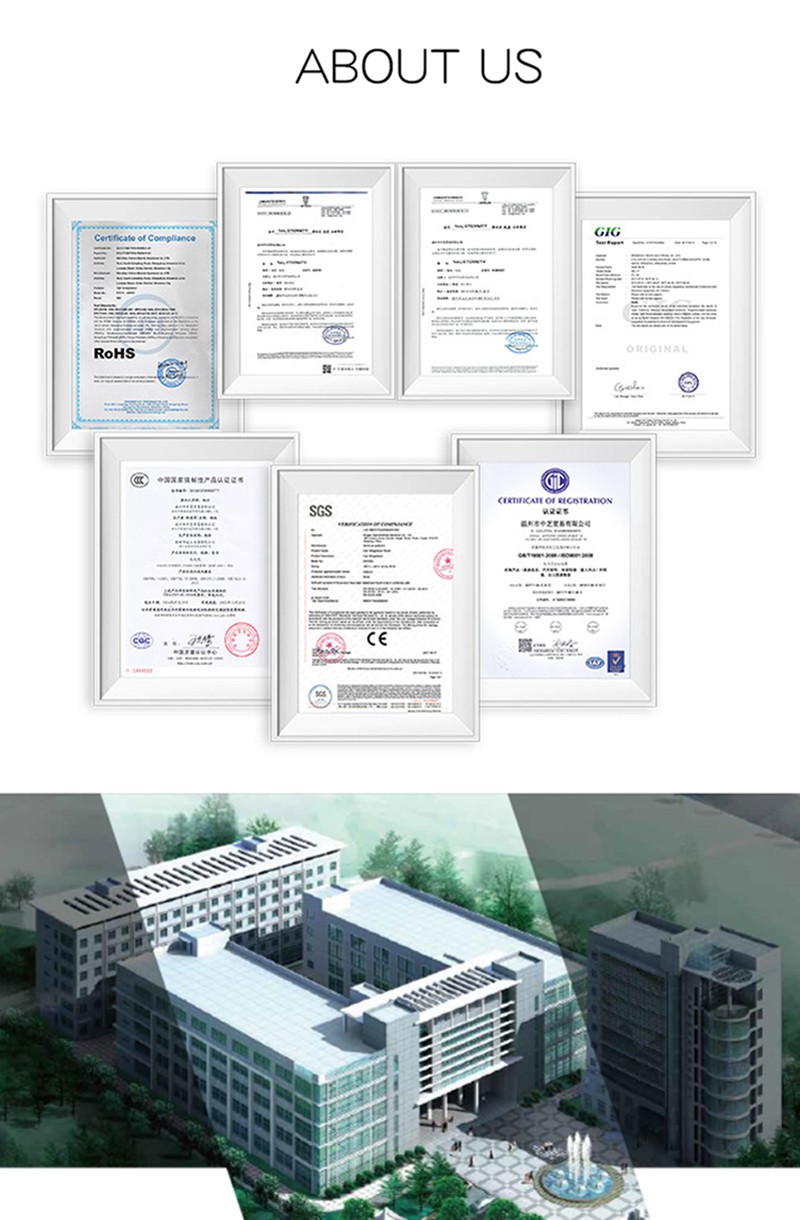
Electric models require standard electronics certifications: CE (EMC and LVD directives), RoHS (restricting hazardous substances in electronics), and FCC (for the US market). Furthermore, the abrasive rollers and plastic housings come into prolonged contact with human skin. Ensuring the factory uses materials that pass REACH (EU) or California Proposition 65 (US) testing is non-negotiable. Utilizing professional compliance and testing services mitigates the risk of customs seizures or costly recalls.
OEM/ODM Customization and Tooling
Most buyers sourcing at volume utilize OEM/ODM services to differentiate their product lines.
If you are private-labeling an existing factory design (ODM), customization is usually limited to housing colors (Pantone matching), packaging, and roller grit variations (e.g., supplying a 3-pack with fine, medium, and coarse rollers). If you are developing a custom mold (OEM), expect tooling costs for the plastic injection molds to range from a few thousand dollars for simple manual handles to significantly more for complex, multi-part waterproof electric housings.
Pricing, MOQs, and Lead Times
Pricing in this category is heavily dependent on battery capacity, motor quality, and the IPX rating. Upgrading from a basic non-waterproof electric file to an IPX7-rated model with a high-capacity Li-ion battery will significantly impact your unit cost.
For manual tools like stainless steel rasps or nano-glass files, unit costs are low, meaning factories require higher order volumes to justify production runs.
Need accurate pricing, tooling costs, and lead times for your custom foot care line? Speak with our sourcing experts today.
Get a free consultationFrequently Asked Questions
Securing a reliable supply of foot callus removers requires looking past the polished samples to evaluate the factory's actual engineering capabilities and quality management systems. Conducting thorough factory audits before placing a deposit is the most effective way to ensure your supplier can deliver safe, compliant, and durable products at scale.
Get Sourcing Help for Foot Callus Removers
Tell us your requirements and our experts will connect you with verified manufacturers.