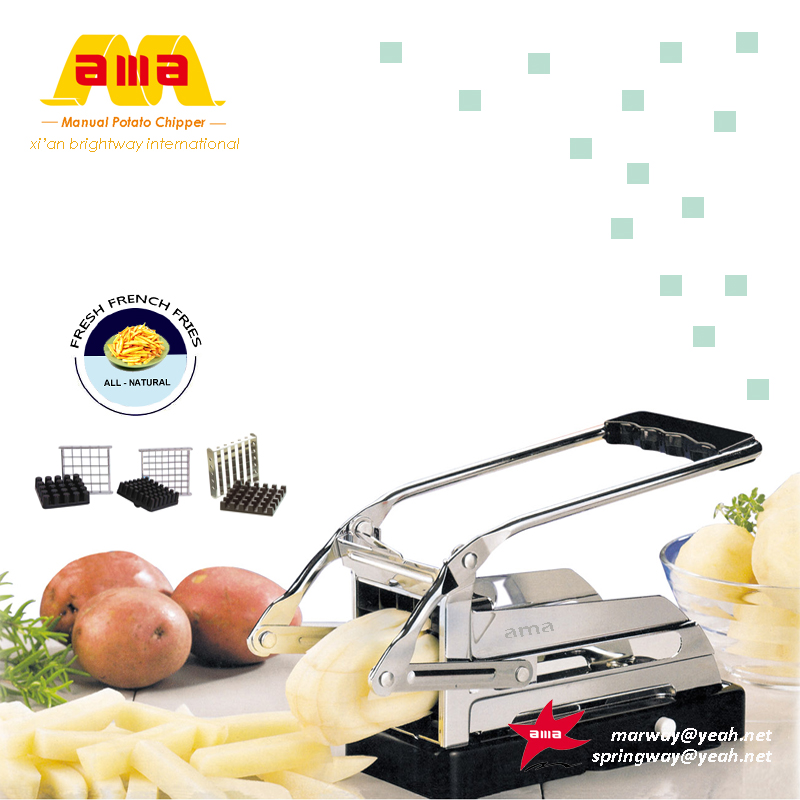
Food Processor Machines
Source commercial-grade Food Processor Machines from vetted suppliers and manufacturers across Asia. Designed for restaurant equipment distributors, hospitality procurement managers, and brands seeking reliable OEM production, our network delivers high-capacity processing solutions engineered for rigorous daily use.
Sourcing commercial food processors at scale requires navigating a complex matrix of motor reliability, food-contact safety, and rigorous electrical standards. A machine that looks robust on a spec sheet can easily fail in a high-volume kitchen if the manufacturer cuts corners on internal gearing, thermal protection, or blade metallurgy.
Motor Architecture and Drive Systems
In commercial applications, sustained torque and thermal management are critical. When evaluating a manufacturer's technical capabilities, the drive system is where the bulk of your unit cost—and long-term reliability—resides. Buyers must specify the exact motor architecture based on the intended end-user application, as factories will default to cheaper, lighter-duty motors if left unchecked.
| Motor Type | Typical Application | Durability | Cost Impact |
|---|---|---|---|
| Direct-Drive Induction | Heavy doughs, continuous use | High (brushless, fewer moving parts) | Premium |
| Belt-Driven Universal | Slicing, intermittent prep | Moderate (requires brush replacement) | Standard |
| Gear-Driven | High-torque processing | High (if metal gears are used) | High |
Pay close attention to the gearing materials. A common factory shortcut is using polyoxymethylene (POM) or nylon gears in units marketed as "commercial." While acceptable for light duty, true commercial models require hardened steel or brass gearing to withstand sudden jams without stripping.
Need help verifying a supplier's motor and gearing specifications? We can audit their component sourcing.
Talk to our teamMaterial Specifications and Safety Compliance
The materials used in the bowl, blades, and housing dictate both the machine's lifespan and its ability to pass stringent food safety regulations like NSF or LFGB.
- Blade Metallurgy: Standard stainless steel is insufficient for commercial cutting edges. Specify 420J2 or 440C martensitic stainless steel, which offers the necessary hardness (HRC 50 and above) to maintain an edge during high-volume vegetable prep or meat processing.
- Bowl Materials: Heavy-duty models typically utilize 304-grade stainless steel. If clear bowls are required, specify BPA-free Tritan co-polyester or high-impact polycarbonate. Ensure the factory can provide legitimate material test reports.
- Safety Interlocks: Commercial units must feature dual magnetic safety switches that prevent the motor from engaging unless both the bowl and the lid are securely locked. Mechanical micro-switches are prone to failure from liquid ingress and should be avoided.
To ensure suppliers meet North American or European standards, rigorous compliance and testing is non-negotiable. Certifications like ETL, UL, and CE require specific electrical clearances and thermal overload protections that many off-the-shelf export models lack. Verifying these capabilities upfront through comprehensive factory audits prevents costly port rejections and recalls.
Critical Factory Floor QC Checks
- Hipot (Dielectric Withstand) testing on 100% of assembled units.
- Thermal overload relay calibration and trip-time verification.
- Blade shaft runout measurement to ensure low vibration at high RPMs.
- Water ingress testing around the motor housing and switch panel (IPX4 or higher).
Pricing, MOQs, and Production Realities
Procuring commercial kitchen equipment involves balancing customization needs with production minimums. Standard white-label models require lower commitments, while custom tooling for specific hopper designs or proprietary blade assemblies will increase both lead times and upfront costs.
For brands looking to develop proprietary safety features or custom housing designs, engaging in OEM/ODM services allows for complete control over the product lifecycle. However, buyers should expect to amortize tooling costs (which can range from thousands to tens of thousands of dollars) over the first few production runs.
Looking to develop a custom commercial food processor? Let's discuss tooling costs and factory selection.
Get a free consultationFrequently Asked Questions
A reliable commercial food processor is defined by how it performs under maximum load and harsh kitchen environments. Ensuring your manufacturing partner understands these thermal, mechanical, and regulatory limits is the difference between a successful product line and a spike in warranty claims. If you need experienced boots on the ground to manage this process, our team is ready to assist.
Get Sourcing Help for Food Processor Machines
Tell us your requirements and our experts will connect you with verified manufacturers.