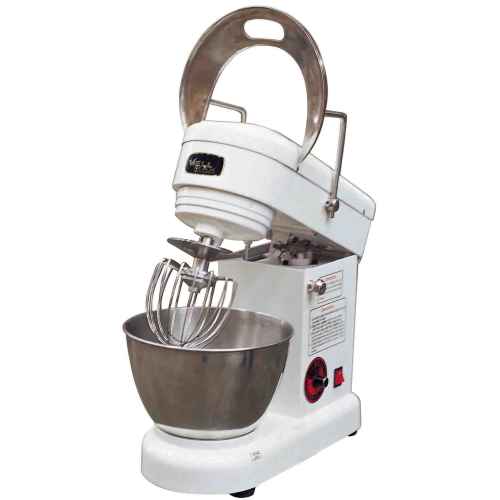
Food Mixer Parts
Source premium food mixer parts from vetted suppliers and manufacturers across Asia. Designed for importers, wholesalers, and appliance brands requiring high-volume OEM or aftermarket production, our network delivers reliable, food-grade components built to exacting tolerances and international compliance standards.
Sourcing food mixer components at scale requires balancing mechanical durability with strict food safety compliance. Whether you are manufacturing complete stand mixers or supplying aftermarket replacement parts to distributors, component failure—such as stripped gears, burnt-out motors, or corroded beaters—directly impacts brand reputation and return rates. Success in this category depends on partnering with factories capable of tight-tolerance engineering, certified material sourcing, and consistent quality control.
Critical Component Specifications & Materials
The reliability of a food mixer rests entirely on its drive system and the material integrity of its food-contact attachments. When negotiating with manufacturers, specifying the exact material grades and machining tolerances is non-negotiable.
Drive Systems and Gearing
Mixer gearboxes are typically designed with a deliberate mechanical weak point to protect the motor in case the mixer binds on heavy dough.
- POM (Polyoxymethylene) Gears: Often used for this sacrificial gear. POM offers excellent dimensional stability and low friction. Ensure the supplier uses virgin POM resin rather than recycled regrind, which severely compromises shear strength.
- Powder Metallurgy Gears: Used for high-torque transfer stages. These must be properly sintered and oil-impregnated to prevent premature wear and excessive noise.
- Metal Pinions: Usually CNC machined from carbon steel or brass. Tolerance control here dictates the noise level of the finished appliance.
Need to verify a supplier's material certificates and machining capabilities before placing a volume order?
Talk to our teamFood-Contact Attachments
Attachments like whisks, dough hooks, and flat beaters face rigorous chemical (detergents) and mechanical stress.
| Material | Common Application | Durability | Food Safety & Compliance |
|---|---|---|---|
| Die-Cast Aluminum | Dough hooks, flat beaters | High strength, lightweight | Must have food-grade powder coating or nylon dip to prevent oxidation |
| Stainless Steel (304) | Premium beaters, bowls | Exceptional, corrosion resistant | Naturally compliant (FDA/LFGB), requires polishing |
| Stainless Steel (430) | Standard mixing bowls | Good, magnetic (often used for deep drawing) | FDA compliant, lower cost than 304 |
| POM / Nylon | Gears, attachment hubs | High wear resistance | Safe for indirect contact; must be grease-compatible |
Quality Control & Factory Floor Realities
The primary manufacturing hubs for kitchen appliance parts are located in Guangdong (Shunde, Zhongshan) and Zhejiang (Ningbo, Cixi). While these regions offer immense supply chain advantages, quality consistency varies wildly between specialized component manufacturers and lower-tier general assemblers.
Relying solely on a factory's self-reported quality metrics is risky. Implementing rigorous Quality Control & Inspection protocols is essential to catch defects before components are packed.
Key Pre-Shipment Inspection Checks for Mixer Parts
- Material Verification: PMI (Positive Material Identification) testing for 304 vs 201 stainless steel on bowls and whisks.
- Coating Adhesion: Cross-hatch adhesion testing on coated die-cast aluminum attachments to ensure the coating will not flake into food.
- Dimensional Tolerance: Caliper checks on drive shafts and planetary gear hubs to ensure universal fit with the target mixer base.
- Motor Winding Purity: Resistance testing to verify 100 percent copper windings rather than CCA (Copper Clad Aluminum), which overheats under heavy loads.
- Run-out Testing: Checking the concentricity of beaters and whisks to prevent excessive vibration at high RPMs.
OEM Customization, Tooling, and Buying Mechanics
For brands developing proprietary mixer designs or unique attachment ecosystems, engaging in OEM/ODM Services is standard practice. Developing custom parts requires upfront investment in tooling (injection molds for plastic housings and POM gears, or die-casting molds for metal attachments).
Tooling ownership must be clearly defined in your manufacturing contract. Ensure you own the IP and the physical molds once they are paid for, preventing the factory from selling your proprietary designs to other buyers.
Pricing is heavily dependent on raw material index fluctuations (especially copper for motors and nickel for stainless steel) and order volume. When comparing quotes, always normalize the specifications—a significantly cheaper motor quote almost always indicates CCA windings or lower-grade magnets.
Struggling to manage complex OEM tooling schedules and multi-component assembly across different factories?
Get a free consultationFrequently Asked Questions
Securing a reliable supply of food mixer parts requires technical precision and a deep understanding of component-level manufacturing. By enforcing strict material specifications and conducting thorough Factory Audits before tooling begins, you can eliminate the vast majority of downstream quality issues. When you are ready to scale your component sourcing with confidence, our team is here to manage the process from factory floor to final delivery.
Get Sourcing Help for Food Mixer Parts
Tell us your requirements and our experts will connect you with verified manufacturers.