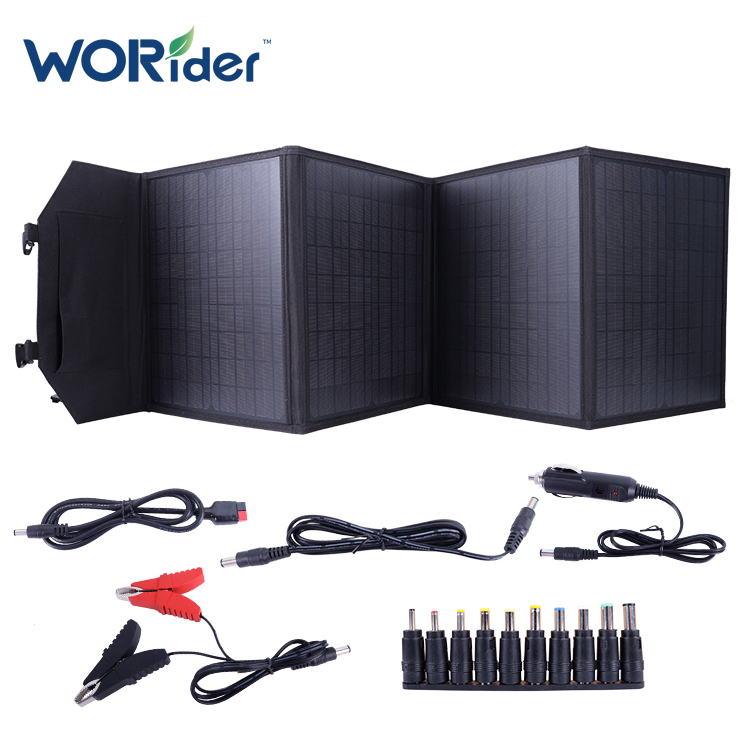
Foldable Solar Panels
Source premium foldable solar panels directly from vetted manufacturers and wholesale suppliers. Designed for importers, distributors, and brands seeking reliable OEM and private-label production, our network delivers high-efficiency portable power solutions built to rigorous international standards.
Sourcing foldable solar panels at scale requires balancing portability with rugged durability and consistent power output. The primary challenge for volume buyers isn't merely finding a factory that can stitch solar cells into a fabric casing; it is securing a manufacturing partner capable of precise lamination, reliable junction box sealing, and sourcing genuine high-efficiency cells that actually meet their stated wattage claims under real-world conditions.
Critical Specifications for Volume Buyers
When defining your product requirements, the components you specify will dictate both the unit cost and the field reliability of the panels. Stating a target wattage is insufficient; you must define the cell grade, the lamination material, and the fabric denier.
Solar Cell Selection and Grading
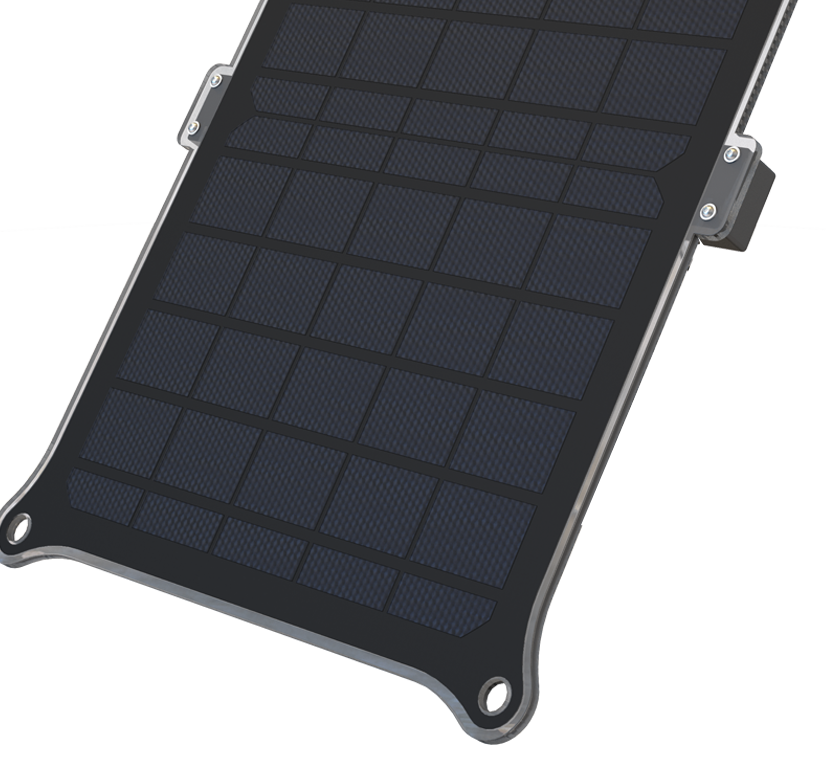
The core of any foldable panel is the photovoltaic cell. Monocrystalline cells are the industry standard for portable applications due to their higher efficiency (typically 19 to 23 percent) compared to polycrystalline alternatives. However, the exact cell origin (e.g., SunPower vs. standard standard monocrystalline) heavily influences the price. Always specify Grade A cells. Lower grades often contain micro-cracks or localized defects that drastically reduce output and lifespan when subjected to the repeated folding and unfolding inherent to this product type.
Lamination Materials: ETFE vs. PET
The transparent polymer layer protecting the solar cells is a major differentiator between premium and budget panels.
| Specification | PET (Polyethylene Terephthalate) | ETFE (Ethylene Tetrafluoroethylene) |
|---|---|---|
| Durability | Prone to scratching and UV degradation over time. | Highly resistant to UV, heat, and chemical corrosion. |
| Light Transmittance | Approximately 85 to 90 percent. | Up to 95 percent, improving overall panel efficiency. |
| Lifespan | Shorter; can delaminate or cloud within 2 to 3 years. | Longer; often exceeds 7 to 10 years of outdoor use. |
| Cost Impact | Lower production cost, ideal for budget consumer lines. | Premium cost, required for professional or rugged environments. |
Navigating cell grades and lamination specifications? We can help you match the right manufacturer to your exact performance and budget requirements.
Talk to our teamManufacturing Tolerances and Quality Control
The production of foldable solar panels merges electronics manufacturing with heavy-duty textile work. Quality is easily compromised on the factory floor if strict process controls are not maintained.
The Lamination Process
Lamination requires precise control of temperature, pressure, and time. If the lamination machine runs too cold or the cycle is too short, the ETFE or PET layers will not properly bond to the EVA (Ethylene Vinyl Acetate) encapsulant. This leads to delamination and moisture ingress once the panel is deployed in the field. Verifying a supplier's equipment calibration is a critical part of comprehensive factory audits before placing a volume order.
Textile and Junction Box Integration
Because these panels are designed for mobility, the physical casing and electrical connections endure significant stress.
Key In-Line Inspection Points
- Junction box sealing: Ensure IP65 or IP67 ratings are met with adequate silicone potting to prevent water ingress.
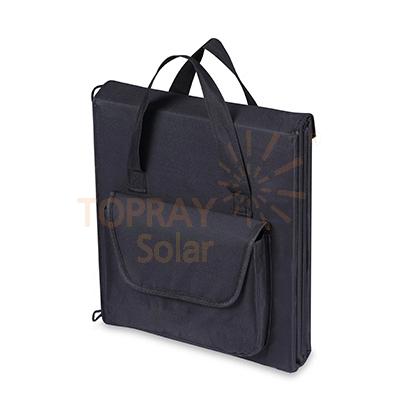
- Stitching quality: Verify double-stitching on high-stress areas of the Oxford fabric or nylon backing.
- Handle and grommet reinforcement: Check that copper or stainless steel grommets are securely pressed and resistant to tear-out.
- Folding tolerance: Test the internal wiring routing across the hinges to ensure repeated folding does not stress the electrical connections.
- Output verification: Flash testing each completed unit to confirm the actual wattage matches the rated specification.
Implementing rigorous quality control and inspection protocols before shipment is the only reliable way to ensure that the panels leaving the factory match your approved golden sample.
Buying Mechanics: Pricing, MOQs, and Lead Times
The supply chain for foldable solar panels is concentrated in major electronics hubs, primarily in Shenzhen and surrounding areas in Guangdong province. Pricing is highly volatile and directly tied to the global spot price of silicon, as well as the specific cell efficiency you require.
If you are developing a proprietary design or require specific output configurations, engaging in OEM/ODM services will necessitate longer lead times for tooling and prototyping. Minimum Order Quantities (MOQs) for custom panel dimensions or bespoke fabric colors typically start at 500 to 1,000 units, as factories must source the specialized textiles and adjust their lamination jigs.
Need to streamline your supply chain or negotiate better terms for bulk OEM orders? Let's discuss your procurement strategy.
Get a free consultationFrequently Asked Questions
Sourcing foldable solar panels demands technical diligence to ensure the final product delivers reliable power in demanding environments. By strictly defining your material specifications and enforcing rigorous quality checks at the factory level, you can mitigate defect rates and build a robust, profitable product line.
Get Sourcing Help for Foldable Solar Panels
Tell us your requirements and our experts will connect you with verified manufacturers.