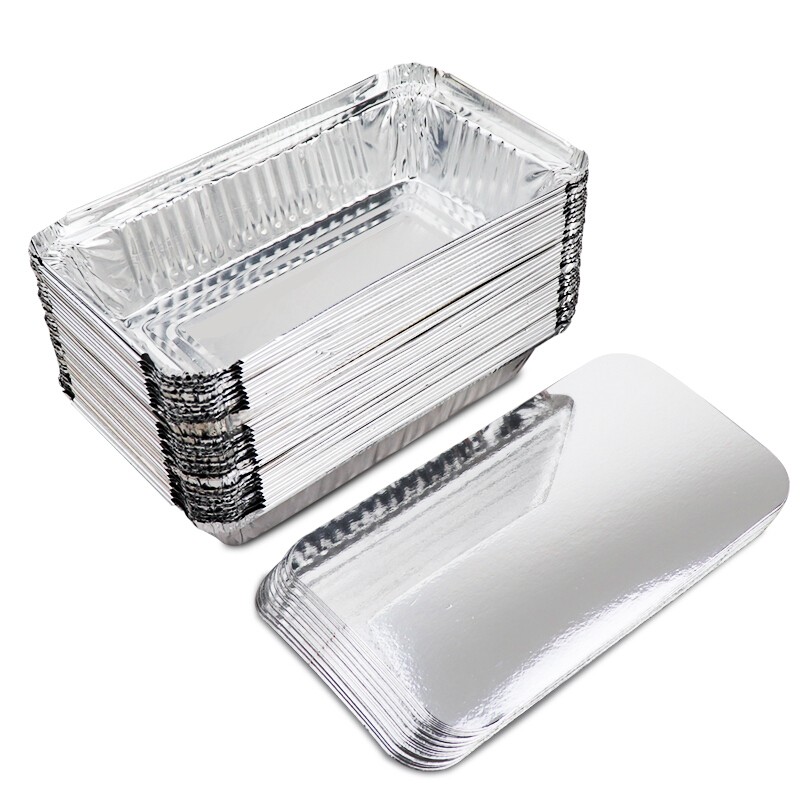
Foil Containers
Source premium foil containers directly from vetted manufacturers and suppliers. Designed for importers, wholesalers, distributors, and food service brands seeking reliable OEM and bulk production, our curated network delivers consistent quality and competitive pricing for high-volume packaging requirements.
Foil containers are a non-negotiable staple in food service and retail packaging, prized for their thermal conductivity, total barrier properties, and recyclability. However, successfully sourcing these products in volume requires far more than finding a supplier with a stamping press. Buyers must navigate fluctuating raw material markets, strict food-grade compliance, and precise tooling tolerances. A minor deviation in alloy temper or stamping pressure can lead to structural failure during automated filling, sealing, or transport.
Aluminum Alloy and Temper Specifications
The foundation of a reliable foil container is the raw material. Specifying "aluminum foil" is insufficient for commercial manufacturing. You must define the exact alloy series and temper based on the container's intended use, structural requirements, and sealing method.
| Specification | Alloy 8011 | Alloy 3003 | Alloy 8006 |
|---|---|---|---|
| Primary Use | Standard takeaway, baking | Heavy-duty, aviation, rigid pans | Smoothwall, heat-sealable containers |
| Strength & Rigidity | Moderate | High | Very High |
| Formability | Good | Moderate | Excellent for deep drawing |
Beyond the alloy, the temper (hardness) dictates how the metal behaves in the press. Most standard wrinkled-wall containers utilize an "O" temper (fully annealed/soft), allowing the foil to stretch and fold without tearing. High-rigidity or smoothwall containers often require H22 or H24 (quarter or half-hard) tempers to maintain structural integrity under load. Thickness typically ranges from 30 microns for lightweight takeaway pans up to 120 microns for heavy-duty roasting pans.
Struggling to match the right alloy specifications to your packaging performance requirements? We can help you identify and source from factories with the precise technical capabilities you need.
Talk to our teamManufacturing Tolerances and Quality Control
Foil container manufacturing is a high-speed, automated process. Coils of aluminum are lubricated (usually with food-grade oil), fed into a mechanical press, stamped into shape, and ejected. The critical failure points happen when tooling wears down or lubrication is applied inconsistently.
Common Defects to Monitor
When implementing Quality Control & Inspection protocols, inspectors should focus on the following structural and cosmetic issues:
Pre-Shipment Inspection Focus Areas
- Pinhole testing: Ensuring the foil barrier is completely intact, especially on deep-drawn corners.
- Rim curling: Checking for sharp edges or incomplete rolls that prevent secure lid attachment.
- Lubricant residue: Verifying that residual food-grade stamping oil is within acceptable limits (usually under 200 mg per square meter).
- Stacking and nesting: Ensuring containers un-nest smoothly without vacuum-locking on automated filling lines.
Compliance is equally critical. Foil containers must meet the regulatory standards of the destination market, such as FDA guidelines in the US or LFGB standards in Europe. Partnering with suppliers who maintain updated certifications and utilizing independent Compliance & Testing services protects your brand from costly port rejections or recalls.
Navigating Pricing, MOQs, and Lead Times
Because foil containers are heavily commoditized, pricing is highly transparent and directly tied to the London Metal Exchange (LME) or Shanghai Futures Exchange (SHFE) aluminum ingot price, plus a processing/conversion fee.
If you require custom shapes, embossed logos, or specialized smoothwall designs for heat-sealing films, you will need to invest in custom tooling. Tooling costs for foil stamping presses can range from a few thousand dollars for simple, single-cavity molds to significantly more for multi-cavity, high-speed progressive dies. Working with factories that offer robust OEM/ODM Services ensures that your custom tooling is engineered for longevity and consistent output.
Need to stabilize your supply chain and secure competitive, transparent pricing tied to raw material indexes? Connect with us to discuss your volume requirements.
Get a free consultationFrequently Asked Questions
Sourcing foil containers at scale is an exercise in managing raw material volatility and enforcing strict manufacturing tolerances. By defining your specifications clearly, auditing factory tooling capabilities, and tying your pricing structures to verifiable metal indexes, you can build a resilient and cost-effective packaging supply chain.
Get Sourcing Help for Foil Containers
Tell us your requirements and our experts will connect you with verified manufacturers.