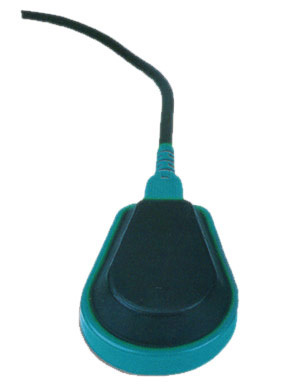
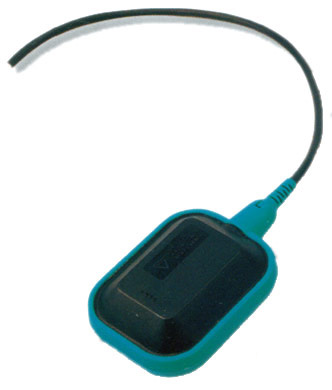
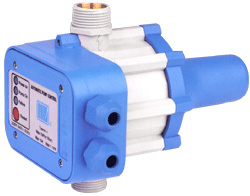
Flow Switches
Source industrial-grade flow switches from vetted suppliers and manufacturers. Designed for importers, wholesalers, distributors, and brands seeking reliable OEM/ODM production, our network delivers bulk quantities tailored to your exact specifications.
Flow switches are critical safety and control components in HVAC systems, water treatment plants, industrial fluid networks, and fire suppression systems. Sourcing these devices in bulk requires balancing sensitivity with extreme durability: the switch must reliably detect low-flow conditions while withstanding continuous line pressure, particulate wear, and potential chemical exposure. Relying on superficial spec sheets is risky; success depends on verifying the underlying components and the factory's calibration consistency.
Defining Your Flow Switch Specifications
To get accurate quotes and avoid production errors, your RFQ must clearly define the mechanical and electrical parameters of the switch. Vague specifications lead to factories substituting cheaper materials or lower-rated microswitches.
Critical Specifications for Bulk Sourcing
- Actuation/Deactuation Points: Specify the exact flow rates (in GPM or LPM) where the switch must trigger and reset.
- Maximum Line Pressure: Standard commercial units handle up to 150 PSI, while industrial applications may require pressure ratings exceeding 400 PSI.
- Thread Standards: Ensure compatibility with your target market (e.g., NPT for North America, BSP/G-threads for Europe and Asia).
- Electrical Rating: Specify voltage, amperage, and whether the circuit requires Normally Open (NO), Normally Closed (NC), or Single-Pole Double-Throw (SPDT) configurations.
- Ingress Protection: IP65 is standard for indoor industrial use, but IP67 or higher is necessary for outdoor or washdown environments.
Material Selection: Brass vs. Stainless Steel
The housing and wetted parts dictate the switch's lifespan and media compatibility.
| Material | Primary Applications | Cost Profile | Durability |
|---|---|---|---|
| Brass | HVAC, standard water systems, non-corrosive media | Economical | Moderate; susceptible to scaling |
| 304 Stainless Steel | Light industrial, treated water, mild chemicals | Mid-range | High corrosion resistance |
| 316 Stainless Steel | Food & beverage, marine, harsh chemicals | Premium | Maximum corrosion and pitting resistance |
Need help identifying the right factory for high-pressure or specialized flow switches?
Talk to our teamManufacturing Quality and Factory Vetting
The difference between a reliable flow switch and a liability often comes down to the quality of the internal microswitch and the integrity of the sealing mechanism. When evaluating suppliers, pay close attention to their assembly and testing protocols.
Common Failure Points to Monitor
- Microswitch Degradation: Cheap microswitches fail under rapid cycling. Specify recognized brands (e.g., Omron, Honeywell, or premium domestic equivalents) for the electrical contacts.
- Seal and Bellows Leaks: The flexible bellows (often phosphor bronze or stainless steel) that isolate the electrical components from the fluid must be flawlessly welded or sealed. Poor assembly leads to fluid ingress and catastrophic electrical failure. O-rings should be specified by material (EPDM, Viton, or Nitrile) based on the media.
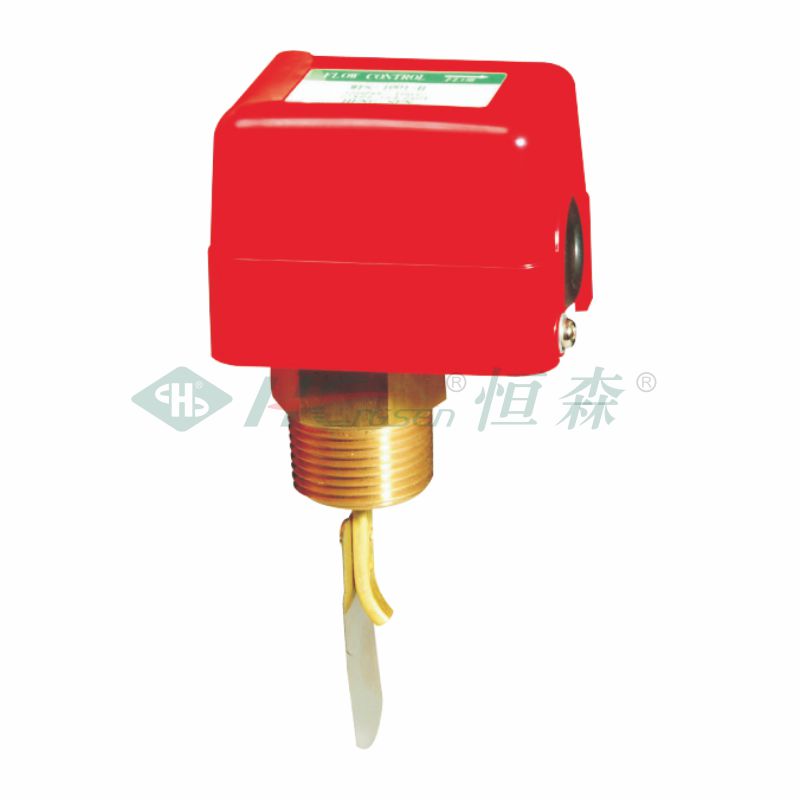
- Inconsistent Calibration: Paddle switches rely on spring tension for calibration. Factories lacking automated testing rigs often have wide tolerances, resulting in switches that trigger at unpredictable flow rates.
To mitigate these risks, implementing robust Quality Control & Inspection protocols before shipment is essential. Inspectors should verify actuation points on a flow test bench, not just perform visual checks. Furthermore, conducting comprehensive Factory Audits ensures the manufacturer actually possesses the necessary hydraulic testing equipment in-house.
Customization and OEM Production
For brands and distributors, flow switches offer significant opportunities for customization. Whether you need a specific paddle length for a unique pipe diameter, custom spring tensions for proprietary equipment, or branded housings, engaging a factory for OEM/ODM Services allows you to differentiate your product line.
Ensure your supplier has strong in-house tooling capabilities if you require custom injection-molded covers or specialized metal stamping for unique paddle shapes.
Pricing, Lead Times, and MOQs
Understanding standard market conditions helps in negotiating terms and planning inventory.
Price Volatility
Flow switch pricing is heavily influenced by global copper and stainless steel commodity prices. When negotiating long-term supply agreements, clarify how raw material fluctuations will be handled in future purchase orders.
Optimize your procurement strategy and negotiate better terms with reliable flow switch manufacturers.
Get a free consultationFrequently Asked Questions
Sourcing flow switches in volume is an exercise in risk management. By tightly controlling specifications, mandating premium internal components, and verifying factory testing capabilities, buyers can secure reliable supply chains that protect both their equipment and their reputation.
Get Sourcing Help for Flow Switches
Tell us your requirements and our experts will connect you with verified manufacturers.