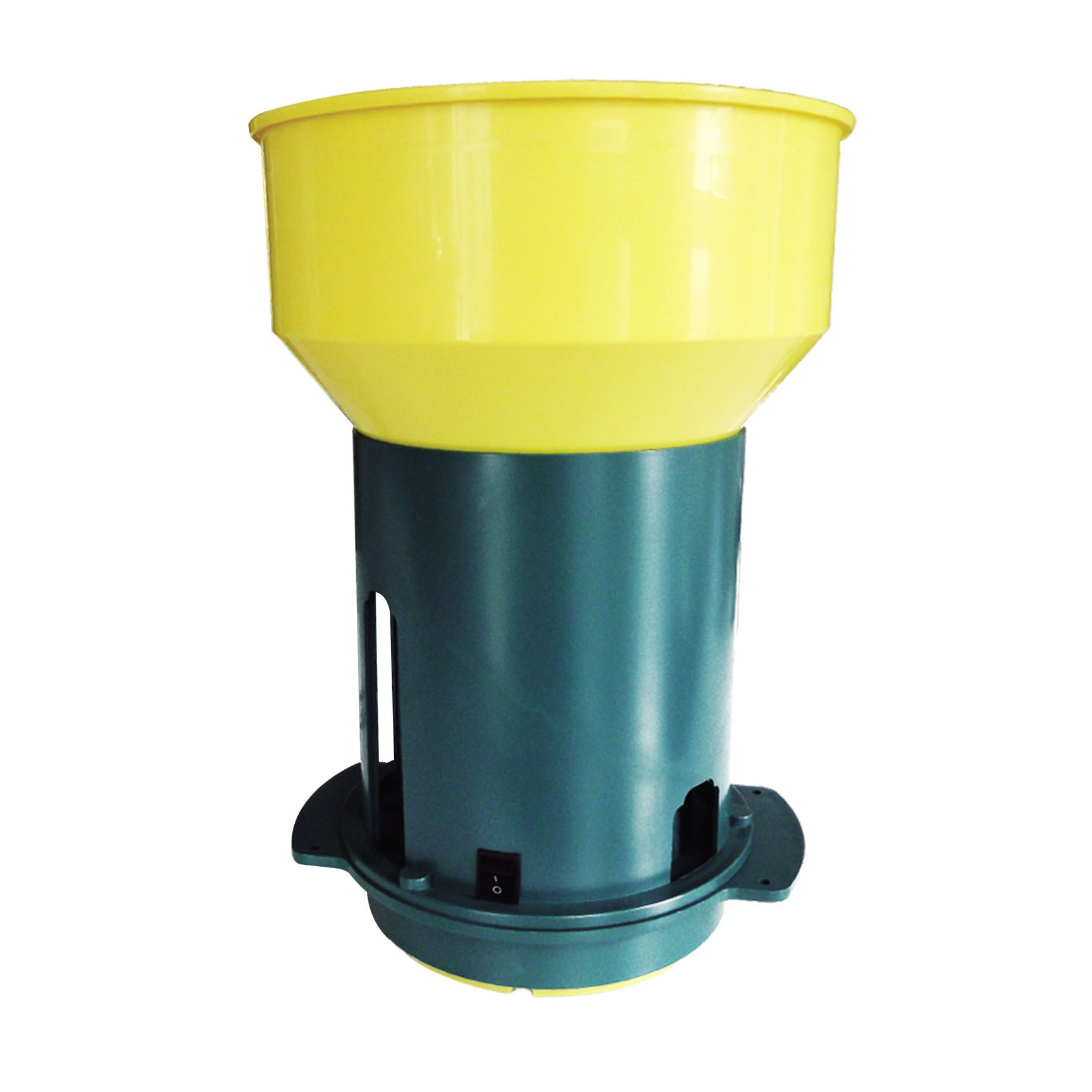
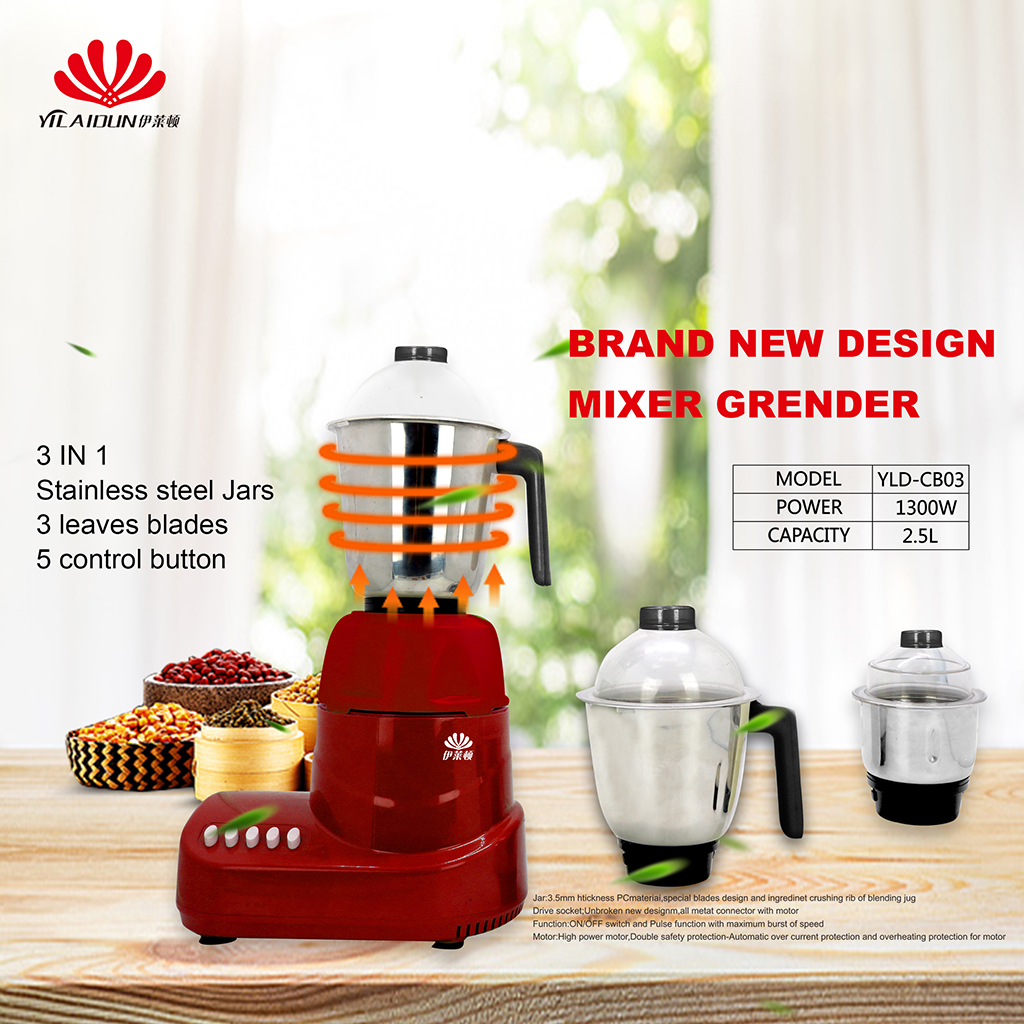
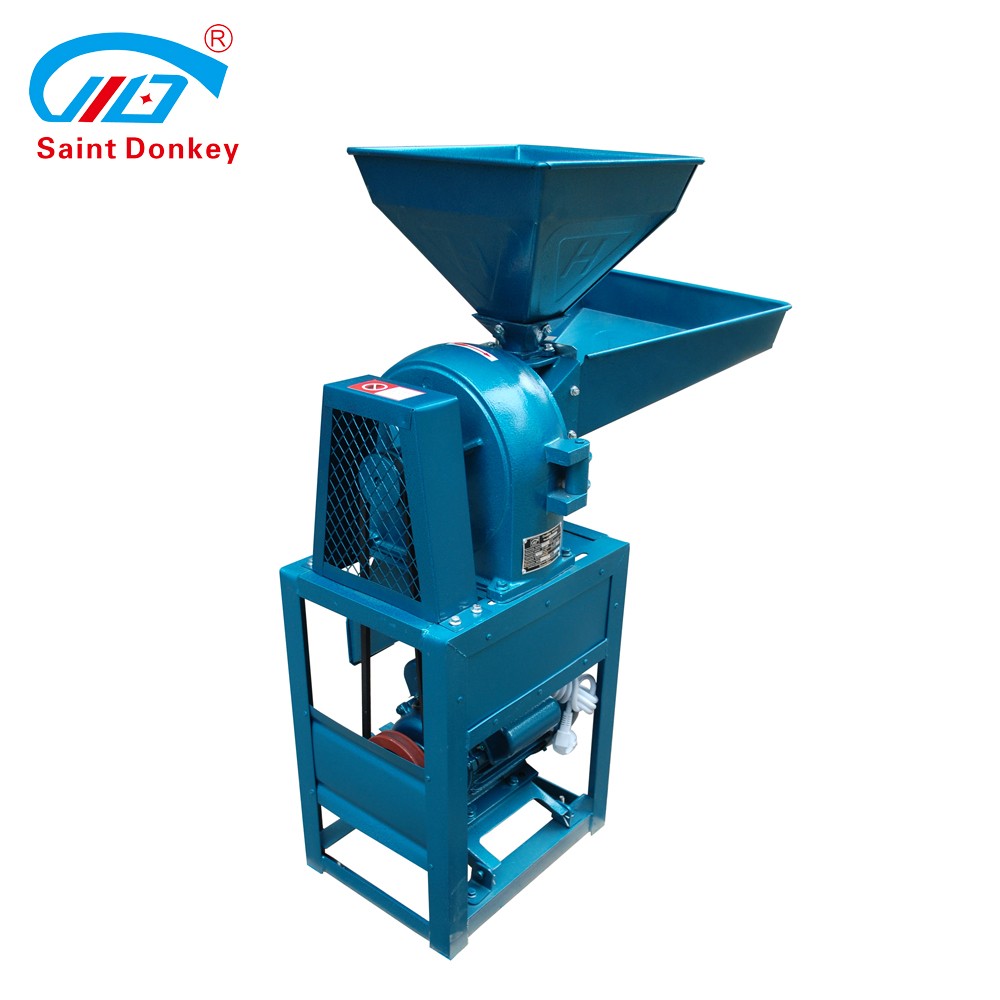
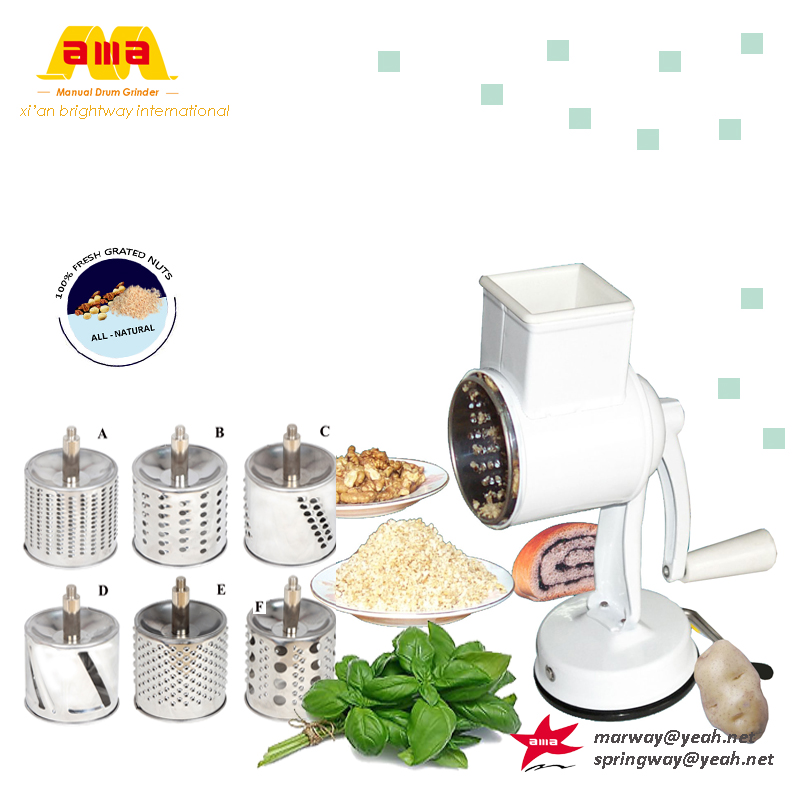
Flour Mill
Source commercial and industrial flour mills from vetted manufacturers and wholesale suppliers. Designed for agricultural machinery importers, regional distributors, and brands requiring OEM production, our network delivers reliable, high-capacity milling equipment for bulk procurement.
Procuring commercial and industrial flour mills requires balancing processing capacity with motor durability and strict food safety compliance. Whether you are sourcing compact standalone units for regional distribution or multi-stage milling lines for industrial agricultural processing, success depends on matching the mechanical specifications to the end-user's grain type and production volume. The primary sourcing challenge is identifying manufacturers who use genuine, high-grade components rather than cutting costs on motors, bearings, and food-contact surfaces.
Specifying Flour Mills for Volume Procurement
When negotiating with manufacturers, vague specifications lead to inconsistent product performance. You must define the exact mechanical requirements to ensure the equipment meets your market's durability and safety standards.
Core Technical Specifications
- Grinding Mechanism: The choice of mechanism dictates the fineness of the flour and the types of grain the mill can process. Roller mills offer precise extraction for wheat and maize, while hammer mills are highly versatile for coarser grains and feed.
- Motor Quality: The motor is the most critical failure point in agricultural machinery. Specify 100 percent copper wire windings and require documentation on the motor's continuous duty rating.
- Bearing Systems: High-speed milling generates significant heat and vibration. Specify branded, heavy-duty bearings (often SKF or equivalent tier) to prevent premature equipment failure.
- Material Grades: All parts coming into contact with the grain or flour must be food-grade. While cast iron is common for the external chassis of heavy industrial units, the hoppers, screens, and internal grinding chambers should be made from 304 or 316 stainless steel.
| Mechanism Type | Primary Application | Fineness Control | Maintenance Profile |
|---|---|---|---|
| Roller Mill | Fine wheat and maize flour | High precision via roller gap adjustment | Requires specialized roller re-corrugation |
| Hammer Mill | Coarse grains, spices, feed | Dependent on screen mesh size | Frequent screen and hammer replacement |
| Stone Mill | Traditional, low-temperature milling | Moderate, retains high nutrient content | Periodic stone dressing required |
Need help verifying supplier specifications? Our engineering team can help you match technical requirements to factory capabilities.
Discuss Your SpecsManufacturing Standards and Factory Vetting
The agricultural machinery sector in Asia is vast, ranging from premium industrial manufacturers to low-end assembly workshops. Assessing a supplier's true capability requires looking beyond their showroom and examining their production floor.
A critical step is conducting thorough factory audits to verify their in-house machining capabilities. Look for CNC machining centers used for fabricating roller shafts and grinding chambers; precise tolerances here directly impact the mill's operational lifespan and noise levels. Furthermore, evaluate their motor testing protocols. Reputable factories will perform load testing and thermal imaging to ensure motors do not overheat under continuous strain.
Quality Control Checkpoints
To prevent defective machinery from reaching your warehouse, implement strict quality control and inspection protocols prior to shipment.
Pre-Shipment Inspection Focus Areas
- Run-in testing: Operate the mill empty to check for abnormal vibrations or bearing noise.
- Material verification: Use PMI (Positive Material Identification) testing on food-contact surfaces.
- Electrical safety: Verify grounding, emergency stop functionality, and insulation resistance.
- Fineness testing: Process a sample batch to confirm the output meets the specified mesh size.
- Packaging integrity: Ensure heavy units are bolted to export-grade wooden pallets to prevent transit damage.
Pricing Structures, MOQs, and Lead Times
Pricing for flour mills scales dramatically based on capacity, automation, and material quality.
- Pricing Drivers: A basic 50 kg/h commercial hammer mill may cost between $300 and $800 per unit, while a 500 kg/h automated roller mill line can range from $3,500 to over $10,000. Upgrading from standard carbon steel to full SUS304 construction typically increases the unit cost by 30 to 50 percent.
- Minimum Order Quantities (MOQs): For standard commercial units, MOQs often range from 5 to 10 units. For large-scale industrial lines, factories frequently accept orders of a single unit. If you require OEM branding or custom paint schemes, expect MOQs to increase to a 20-foot container load (roughly 20 to 50 units, depending on size).
- Production Lead Times: Standard models usually require 25 to 35 days for production. Custom configurations or large multi-stage processing lines can extend lead times to 45 to 60 days.
Because flour mills are heavy, volumetric cargo, coordinating efficient shipping and freight is essential to protect your landed margins. Consolidating smaller units into Full Container Loads (FCL) significantly reduces per-unit shipping costs compared to Less than Container Load (LCL) freight.
Ensure your landed costs are accurate. Contact us to calculate factory pricing and logistics for your next machinery order.
Get a Freight & Sourcing QuoteFrequently Asked Questions
Sourcing commercial flour mills demands strict attention to motor quality, material grades, and machining precision. By clearly defining your technical specifications and enforcing rigorous pre-shipment testing, you can secure reliable machinery that builds your brand's reputation for durability. If you need assistance navigating factory selection and quality assurance, our team is ready to support your procurement operations.
Get Sourcing Help for Flour Mill
Tell us your requirements and our experts will connect you with verified manufacturers.