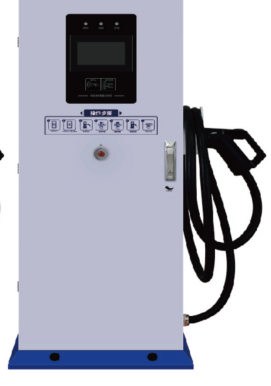
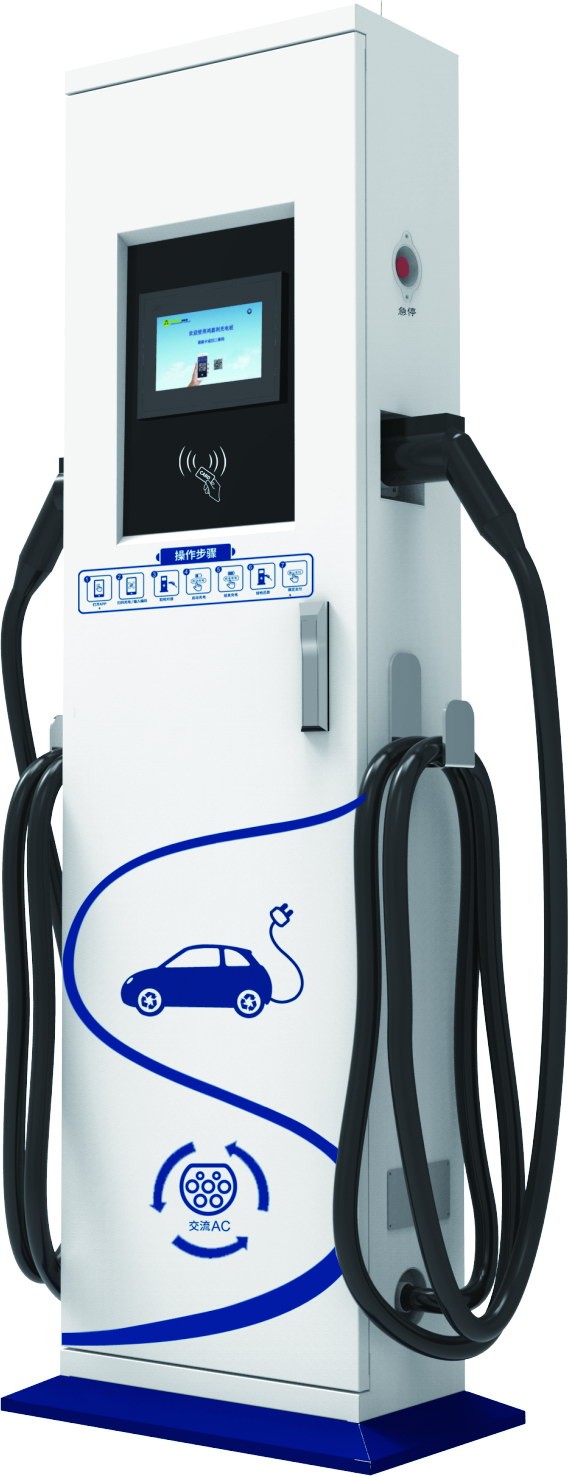
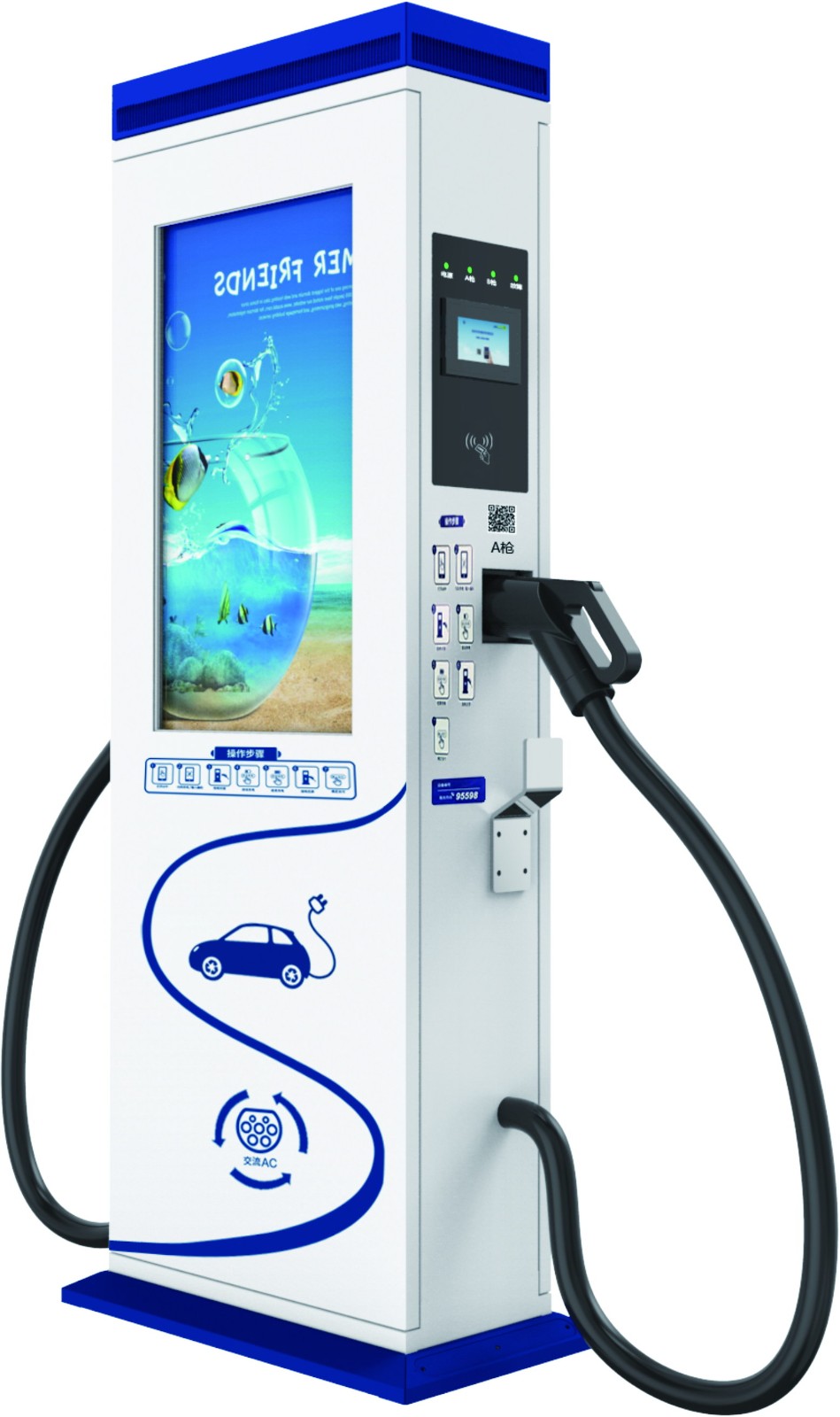
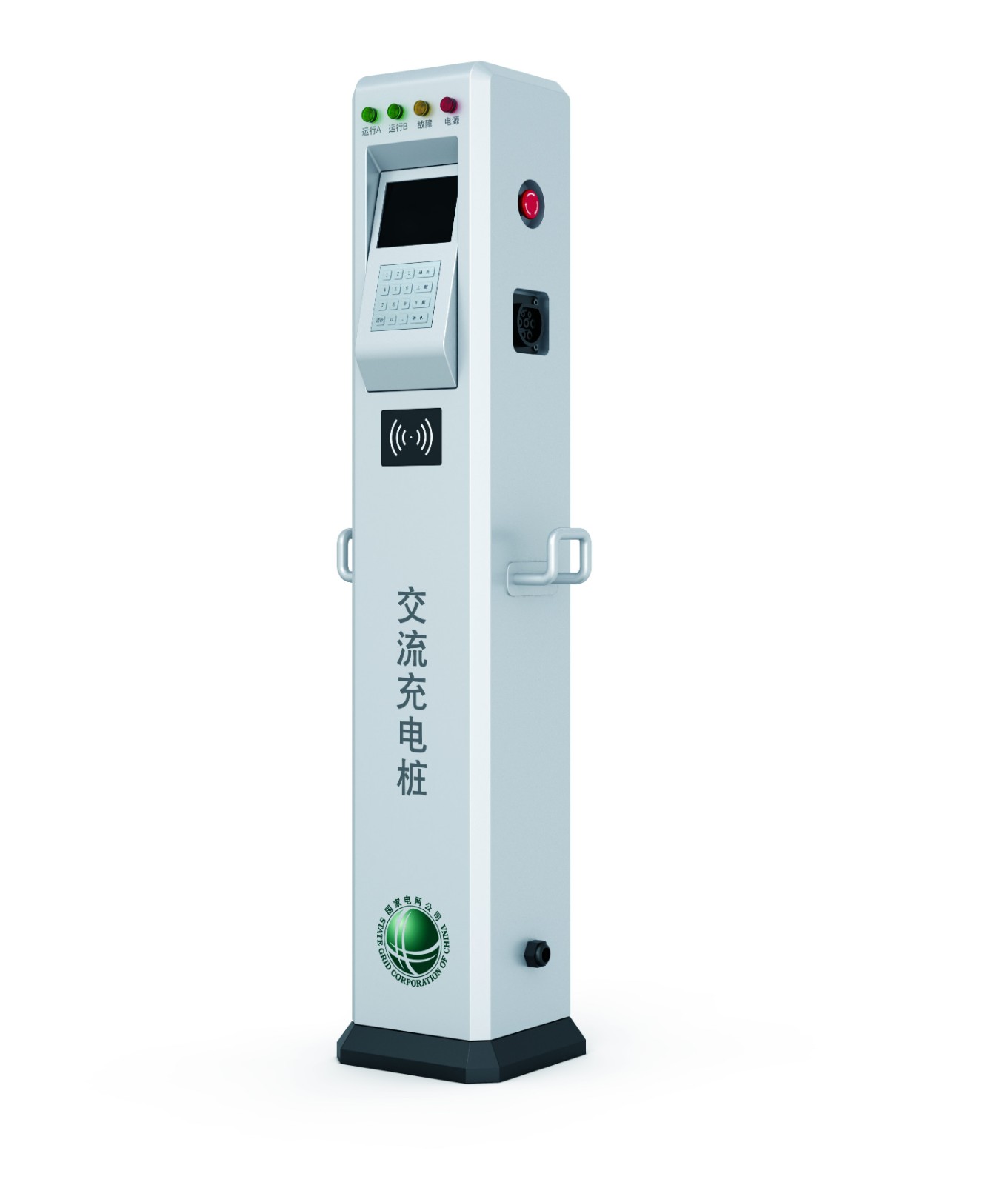
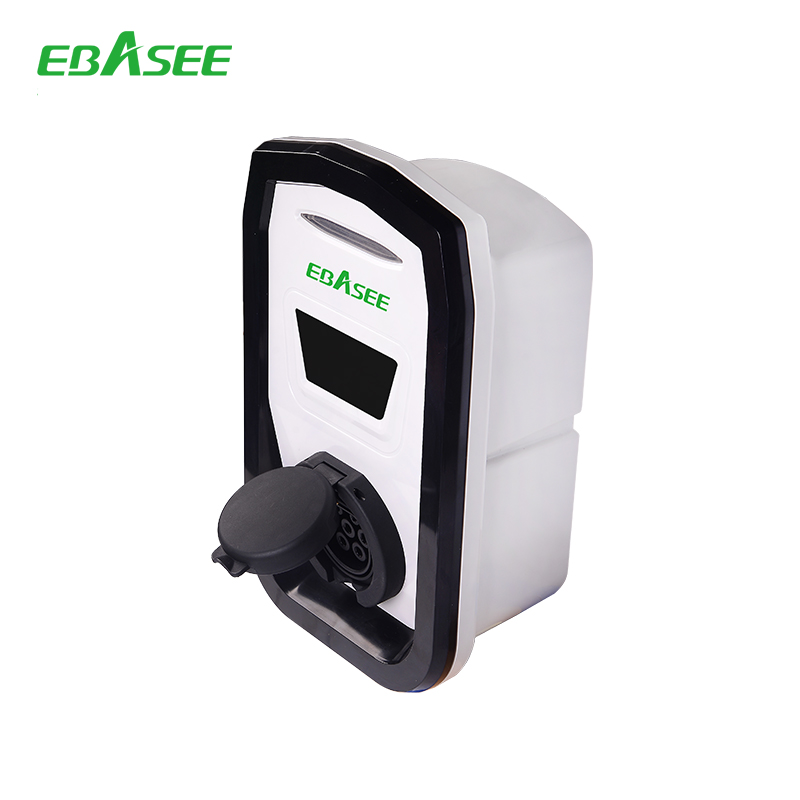
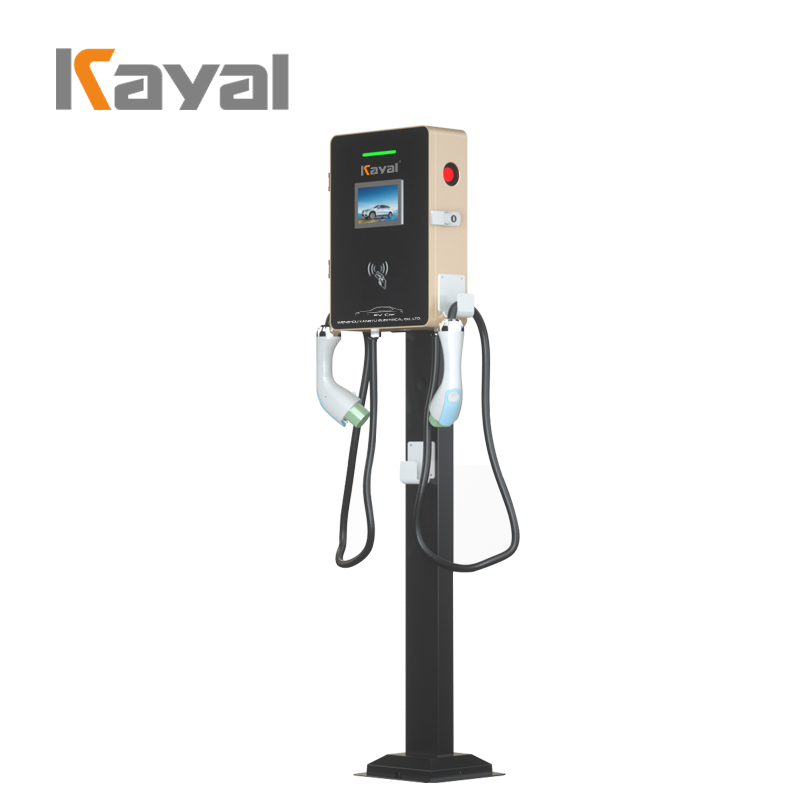
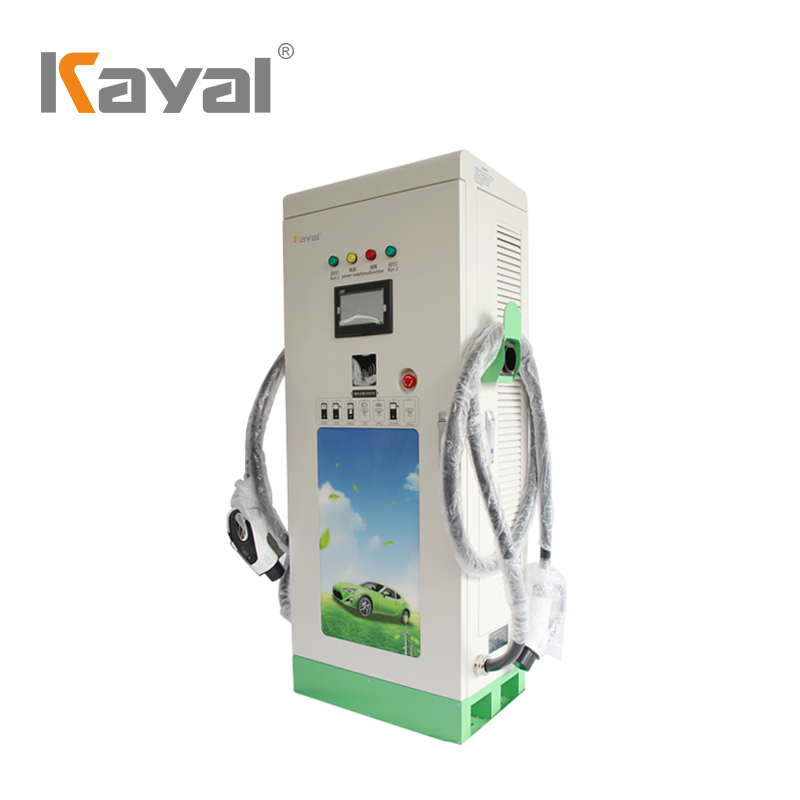
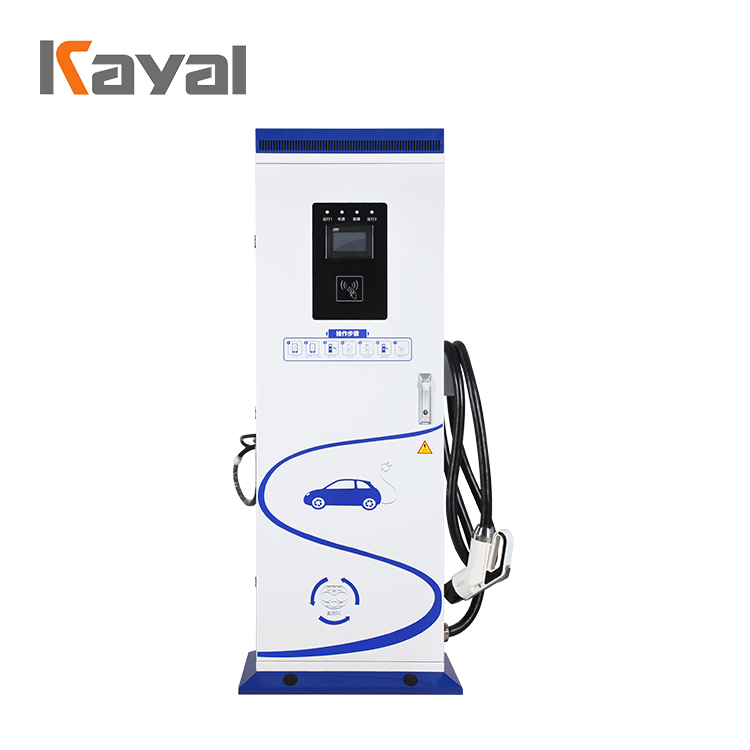
Floor-Mounted Charging Stations
Source commercial-grade Floor-Mounted Charging Stations from vetted suppliers and manufacturers across Asia. Designed for importers, distributors, and brands seeking OEM or private-label production, this selection connects you directly with factories capable of delivering high-volume, compliant EV infrastructure.
Sourcing floor-mounted charging stations for commercial deployments requires navigating a complex matrix of power electronics, grid synchronization, and physical durability. Unlike wallbox units, pedestal or floor-standing chargers are exposed to harsher public environments, demanding superior ingress protection, impact resistance, and robust thermal management. Whether you are provisioning public charging networks, commercial fleets, or residential complexes, aligning with the right manufacturing partner is critical to ensuring long-term reliability and market compliance.
Key Technical Specifications to Define
Before approaching manufacturers, your technical requirements must be explicitly defined to avoid costly misalignments. The core parameters dictate the internal architecture and the bill of materials (BOM).
| Specification | AC Floor-Mounted | DC Fast Charging (DCFC) |
|---|---|---|
| Power Output | 7kW to 22kW (per gun) | 30kW to 360kW and up |
| Input Voltage | 230V Single-phase / 400V Three-phase | 400V to 480V Three-phase |
| Cooling System | Natural convection / Forced air | Liquid cooling (high power) or heavy forced air |
| Typical Application | Workplaces, hotels, long-stay parking | Highway stops, fleet depots, rapid transit |
When negotiating with suppliers, specify your required communication protocols. Open Charge Point Protocol (OCPP) 1.6J is the current baseline, but forward-looking deployments require hardware capable of supporting OCPP 2.0.1 and ISO 15118 for Plug and Charge capabilities.
Need help verifying supplier capabilities for advanced OCPP integration and ISO 15118 compliance?
Talk to our teamManufacturing Quality and Enclosure Durability
The structural integrity of a floor-mounted station is just as vital as its electronics. Because these units are installed in public or semi-public spaces, they are vulnerable to weather, vandalism, and accidental vehicle impacts.
Look for enclosures fabricated from galvanized steel or extruded aluminum with UV-resistant powder coating. The industry standard demands an IP54 to IP65 rating for dust and water ingress, alongside an IK08 to IK10 rating for mechanical impact resistance.
Catching defects during the assembly process is paramount. Establishing rigorous Quality Control & Inspection protocols ensures that internal wiring harnesses are properly torqued, sealing gaskets are perfectly aligned, and safety relays function correctly under load before the units leave the factory floor.
Critical Factory-Level Quality Checks
- Dielectric withstand voltage (Hi-Pot) testing on all high-voltage paths.
- Ground fault and residual current device (RCD) trip time verification.
- Ingress protection (IP) validation on sealing seams and connector holsters.
- Burn-in testing at maximum rated load to verify thermal management efficiency.
- Software handshake validation with simulated EV battery management systems (BMS).
Navigating Compliance and Certification
EV charging infrastructure is heavily regulated. A supplier claiming "CE compliance" or "UL listed" must provide verifiable test reports from recognized third-party laboratories. For the European market, IEC 61851 and IEC 62196 standards apply, while the North American market requires UL 2202 and UL 2594.
If you are modifying an existing white-label design, any significant alteration to the internal layout or enclosure may invalidate existing certifications. Leveraging professional Compliance & Testing services helps bridge the gap between factory production and local grid requirements, ensuring your imported hardware clears customs and local inspector approvals smoothly.
Pricing, MOQs, and Production Realities
Cost structures for floor-mounted charging stations vary wildly based on power output, screen size (e.g., 7-inch vs 55-inch media screens), and payment terminal integration (RFID, POS credit card readers).
If your strategy involves deep customization—such as proprietary enclosure designs, custom UI/UX on the display, or specific grid-balancing hardware—you will need a manufacturer with strong OEM/ODM Services. Be prepared to invest in NRE (Non-Recurring Engineering) costs for custom tooling and localized software integration.
Evaluating pricing and MOQs across different Chinese EV charger manufacturers? Let us help you benchmark realistic costs.
Get a free consultationFrequently Asked Questions
Securing reliable floor-mounted charging stations means looking past the spec sheet and scrutinizing the factory's engineering depth, testing facilities, and supply chain stability. Conducting thorough Factory Audits before placing high-value infrastructure orders is the most effective way to mitigate risk and ensure a successful deployment.
Get Sourcing Help for Floor-Mounted Charging Stations
Tell us your requirements and our experts will connect you with verified manufacturers.