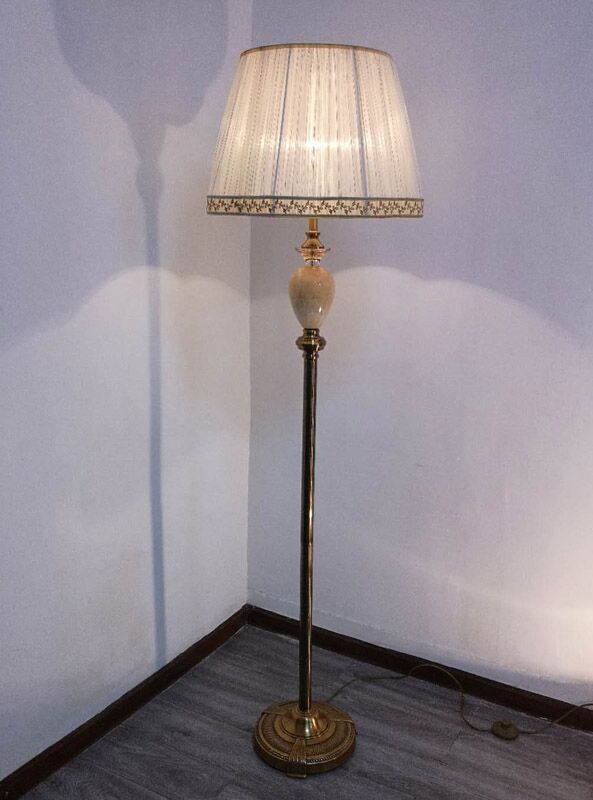
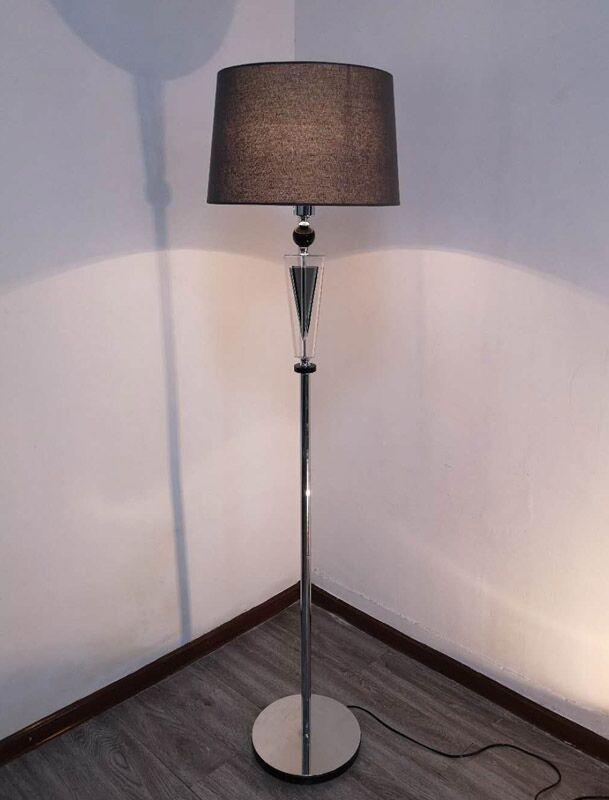
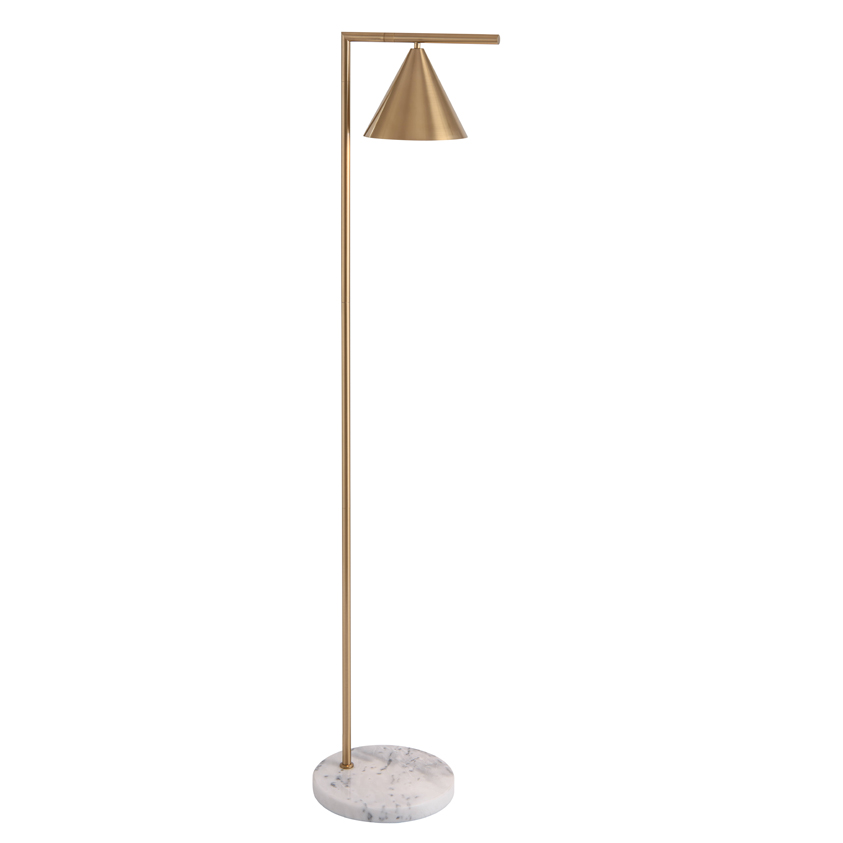
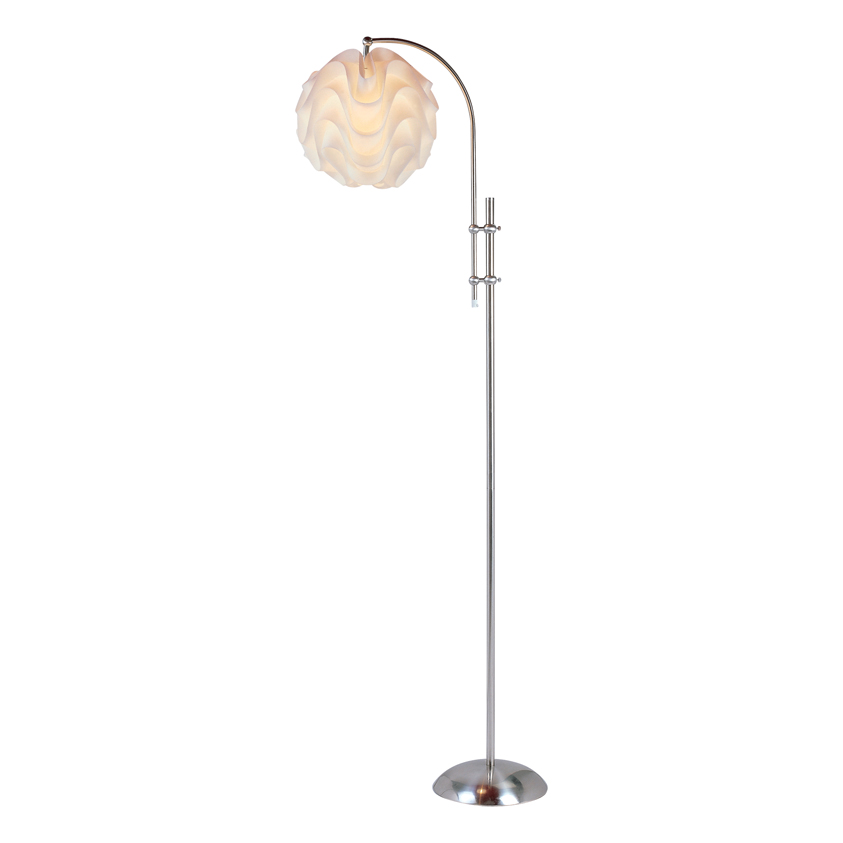
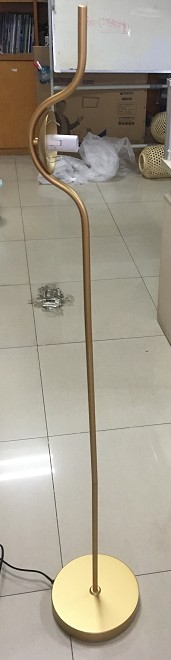
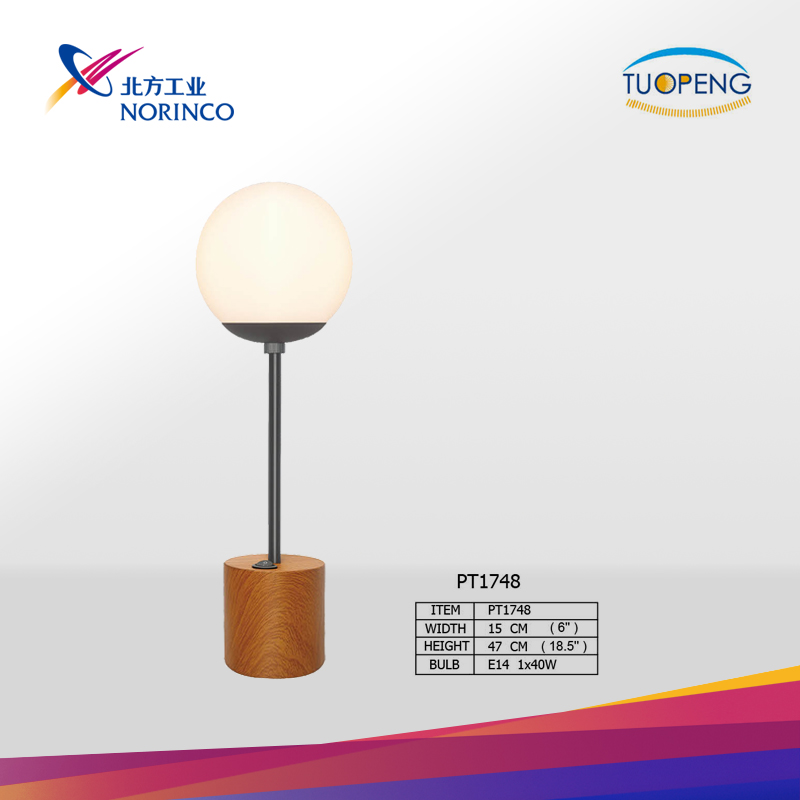
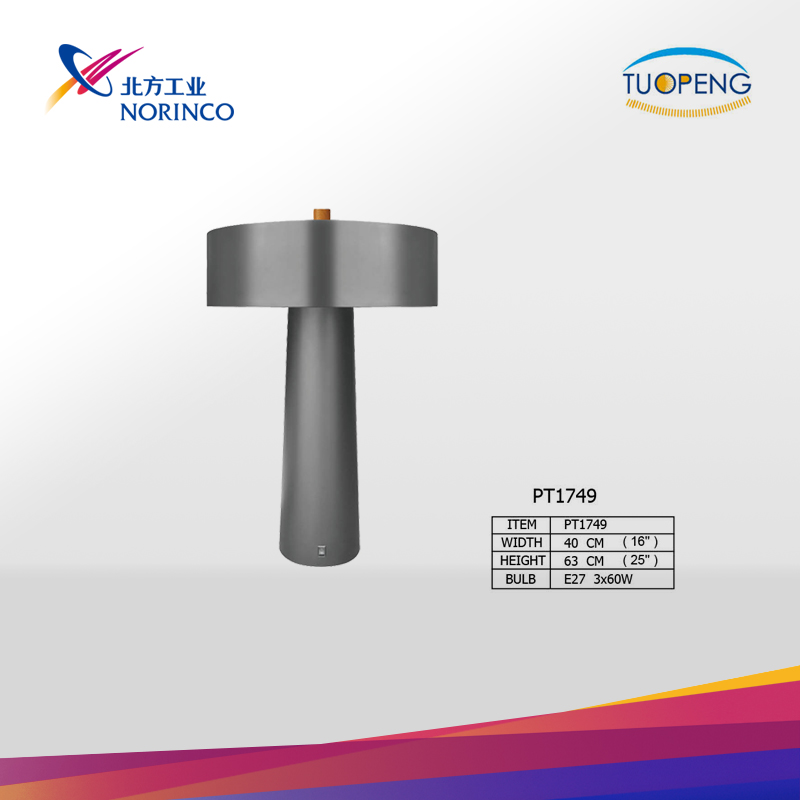
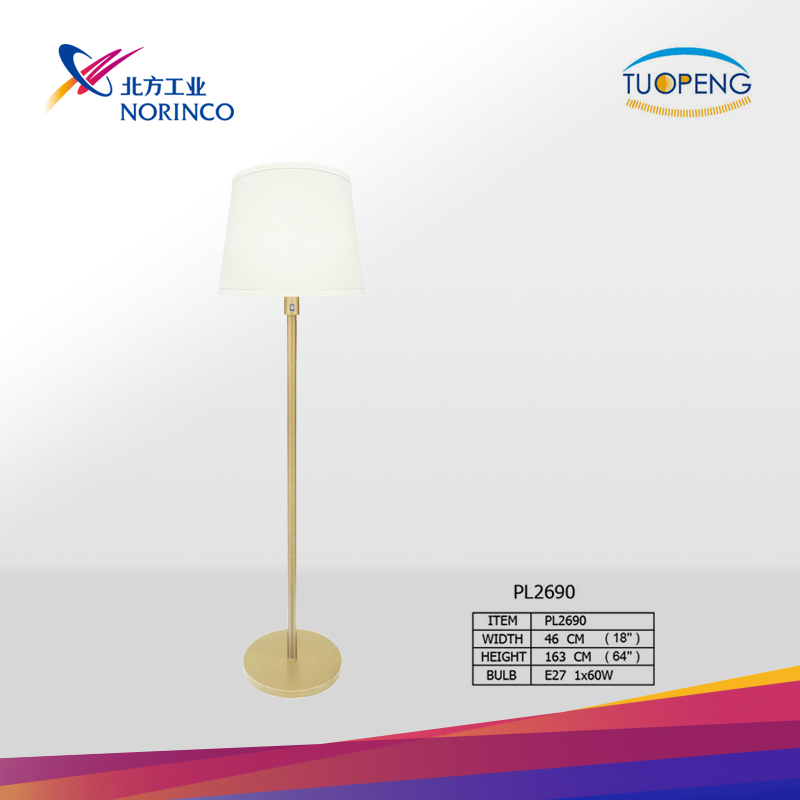
Floor Lamps
Source premium floor lamps directly from vetted Chinese manufacturers and suppliers. Designed for importers, wholesalers, and brands seeking reliable OEM/ODM production, our verified network delivers scalable manufacturing, strict quality control, and certified compliance for global lighting markets.
Floor lamps are high-visibility, high-touch interior fixtures where structural stability and electrical safety are just as critical as aesthetic design. Sourcing these at scale requires navigating a highly fragmented supplier base—often clustered in specialized lighting hubs like Zhongshan or Dongguan—while balancing material costs against strict regional compliance standards. Success depends on engineering the product for safe transport, stable assembly, and flawless surface finishing.
Core Specifications and Material Selection
When developing a floor lamp for volume manufacturing, the engineering happens from the ground up. The base must provide sufficient counterweight to prevent tipping, while the stem requires precise threading to ensure the lamp stands perfectly straight once assembled by the end-user.
Material selection directly impacts both the structural integrity and the perceived value of the fixture.
| Material | Durability & Weight | Cost Profile | Common Finishes |
|---|---|---|---|
| Carbon Steel | High weight, excellent stability | Low to Medium | Powder coating, electroplating |
| Aluminum | Lightweight (requires cast iron base weight) | Medium | Anodized, brushed, painted |
| Solid Brass | Heavy, premium feel | High | Polished, brushed, antique patina |
| Zinc Alloy | Excellent for complex cast components | Medium to High | Plated, painted |
Beyond the structural metals, shade materials (fabric, glass, acrylic, or spun metal) and electrical components (sockets, switches, LED drivers) must be specified exactly. Relying on a factory's "standard" internal components often leads to inconsistent lumen output or premature driver failure.
Struggling to find lighting manufacturers capable of meeting your exact specifications? Let our sourcing engineers evaluate your technical requirements.
Get a free consultationManufacturing Tolerances and Quality Control
The most common defects in floor lamp production occur during surface finishing and final assembly. Plating requires meticulous polishing of the raw metal; any residual oil or dust will cause pitting, blistering, or flaking in the final finish. Similarly, multi-part stems that are poorly machined will result in cross-threading, leaving the lamp with a noticeable lean.
Because floor lamps are line-voltage electrical appliances, stringent Quality Control & Inspection is non-negotiable. Quality cannot be inspected into a product at the end of the line; it must be monitored throughout the production cycle.
Critical Factory-Level QC Checks for Floor Lamps
- Hi-Pot (Dielectric Withstand) testing on 100 percent of units to ensure electrical insulation.
- Earth continuity testing for all metal-bodied Class I fixtures.
- Tilt testing (typically 8 to 15 degrees depending on target market regulations) to verify base stability.
- Thread alignment and torque testing on stem joints to prevent leaning.
- Visual inspection of plated and painted surfaces under standardized lux levels for color consistency and pitting.
- Drop testing of packaged units to verify EPS/EPE foam protection for fragile shades.
Before committing to a production run, verifying the manufacturer's in-house testing capabilities and quality management systems via formal Factory Audits is highly recommended.
Compliance, Certifications, and Safety Standards
Importing lighting fixtures requires strict adherence to regional safety standards. Customs authorities and major retailers will reject shipments lacking proper documentation.
For the North American market, UL or ETL certification is standard. For the European Union, CE marking (including LVD and EMC directives) and RoHS compliance are mandatory. It is vital to ensure that not only the critical components (like the plug, cord, switch, and driver) are certified, but that the factory has the capability to produce the entire luminaire to the required standard. Coordinating independent Compliance & Testing through certified third-party labs mitigates the risk of regulatory rejection.
Pricing, MOQs, and Lead Times
Floor lamp pricing is highly sensitive to raw material costs (especially copper and steel), the complexity of the surface finish, and the packaging volume. Because floor lamps are bulky, optimizing the breakdown of the lamp for flat-packing drastically reduces freight costs.
If you are developing proprietary designs, utilizing professional OEM/ODM Services ensures your intellectual property is protected while optimizing the design for efficient mass production.
Ready to optimize your lighting supply chain? We negotiate pricing, manage MOQs, and oversee production directly with the factory.
Talk to our teamFrequently Asked Questions
Sourcing floor lamps at scale requires a deep understanding of electrical safety, mechanical stability, and finish quality. By partnering with vetted manufacturers and enforcing rigorous, standard-specific quality control, buyers can secure reliable production lines that protect both their brand reputation and their margins.
Get Sourcing Help for Floor Lamps
Tell us your requirements and our experts will connect you with verified manufacturers.