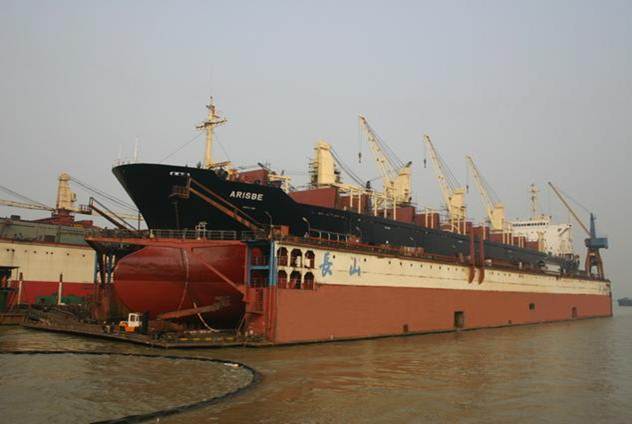
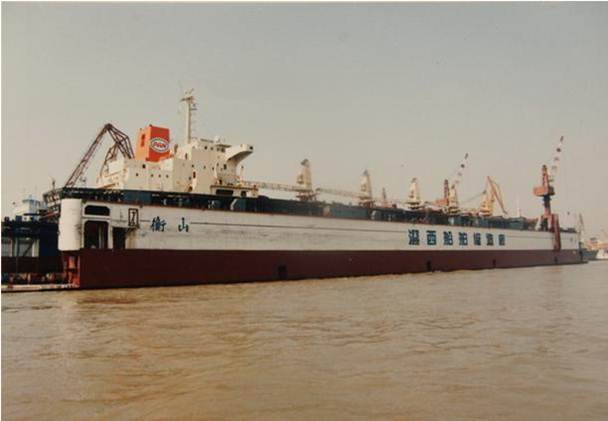
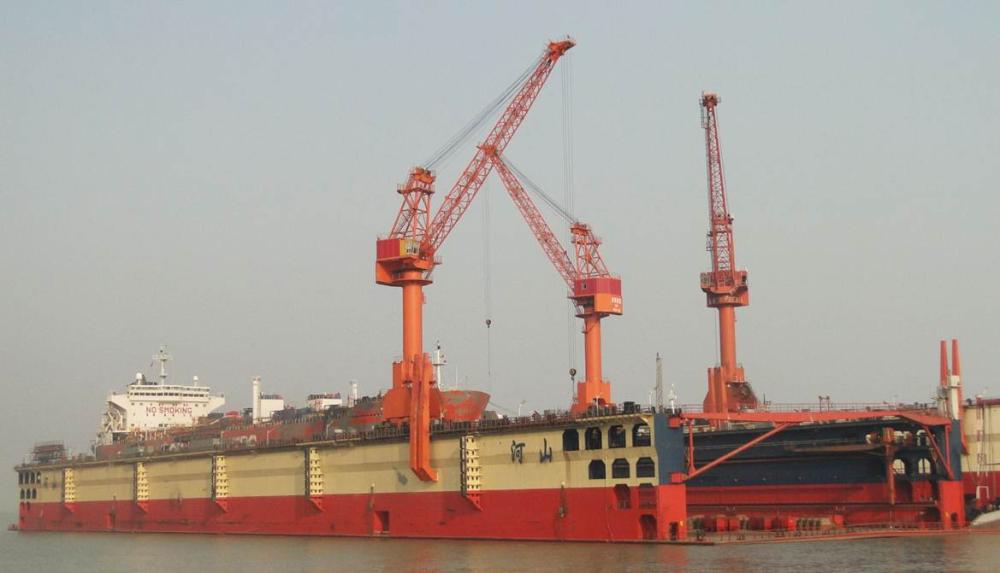
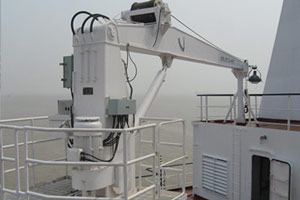
Floating Cranes
Source heavy-duty floating cranes from vetted manufacturers and suppliers built for marine engineering, port construction, and offshore logistics. Designed for equipment distributors, marine contractors, and bulk importers, our network provides reliable lifting capacity with verified structural integrity and strict maritime compliance.
Sourcing floating cranes for port construction, dredging, or offshore salvage requires navigating a complex matrix of structural engineering, maritime classification, and heavy-lift logistics. Because these assets operate in highly corrosive, dynamic marine environments, procuring from an unverified shipyard or heavy machinery manufacturer carries immense operational and financial risk. Success requires strict oversight of steel fabrication, marine coating standards, and class society certifications.
Core Specifications & Operating Parameters
When negotiating with manufacturers, vague specifications lead to catastrophic cost overruns. Buyers must define the operational environment (inland waterway versus offshore offshore swell conditions) to dictate the pontoon's stability requirements and the crane's dynamic load charts.
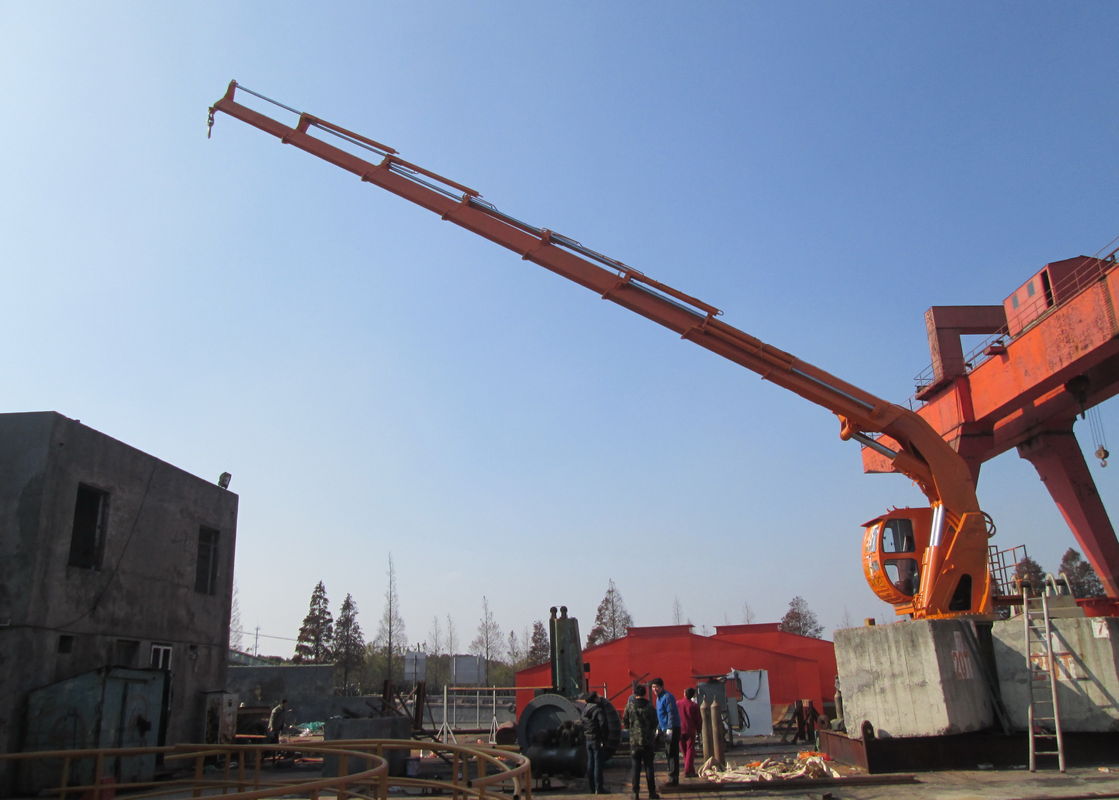
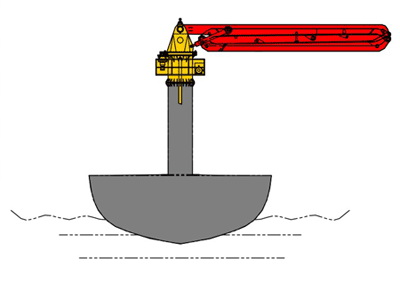
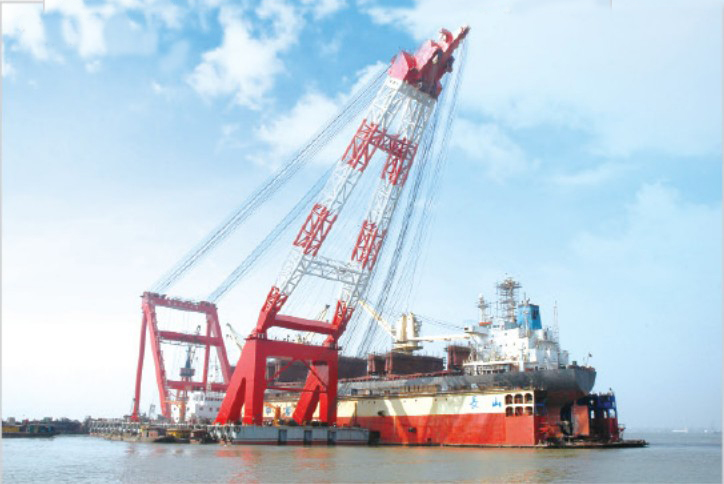
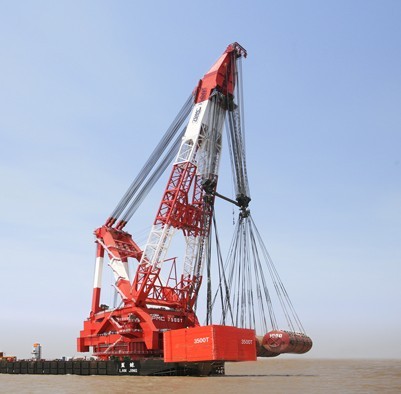
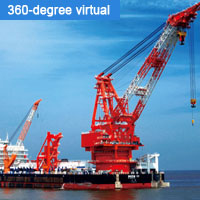
Key parameters to define upfront include the maximum outreach at SWL, the slewing radius, hoisting speeds, and the maximum operational draft. You must also specify whether the crane requires full 360-degree continuous slewing or if a sheerleg (fixed A-frame) configuration is sufficient for your heavy-lift requirements.
Manufacturing Validation and Quality Control
The structural integrity of a floating crane is won or lost on the factory floor. You cannot rely on visual inspections alone. Verifying the shipyard's non-destructive testing (NDT) protocols and welding capabilities is mandatory. Conducting comprehensive Factory Audits ensures the facility holds the necessary heavy steel fabrication capabilities and ISO/IACS certifications before any down payment is made.
Critical Manufacturing Verification Points
- WPS (Welding Procedure Specification) approved by an IACS member society.
- 100 percent NDT (UT/RT) on all primary load-bearing structural welds.
- C5-M marine environment coating application (zinc-rich epoxy primer, polyurethane topcoat) with verified dry film thickness (DFT).
- Pontoon ballast system pressure testing and dynamic stability calculations.
Need to verify a heavy machinery manufacturer? We audit shipyards and crane builders for technical capability, financial stability, and IACS compliance.
Talk to our teamPropulsion and Configuration Trade-offs
The choice between a self-propelled vessel and a non-propelled barge fundamentally alters the procurement cost, maintenance schedule, and regulatory burden.
| Feature | Non-Propelled (Dumb Barge) | Self-Propelled |
|---|---|---|
| Mobility | Requires tugboats for all repositioning | Independent navigation and positioning |
| CAPEX & Build Cost | Lower initial procurement cost | Significantly higher due to marine engines and thrusters |
| Maintenance Burden | Minimal mechanical upkeep (crane only) | High (requires marine engine and propulsion maintenance) |
Delivery Logistics and Heavy-Lift Shipping
Moving a floating crane from an Asian shipyard to its final destination is an engineering project in itself. Fully assembled cranes require heavy-lift vessels (HLV) or wet towage. Wet towage demands route planning, weather routing, and marine warranty surveyor (MWS) approvals. Coordinating this requires expert Shipping & Freight management to avoid catastrophic delays, port congestion, or insurance invalidation.
Alternatively, the pontoon and the crane superstructure can be shipped as separate breakbulk cargo and integrated at the destination. While this reduces international freight costs, it shifts the burden of assembly and final load testing to your local port.
Planning a heavy-lift asset purchase? Let us help you structure the procurement, quality control milestones, and complex delivery logistics.
Get a free consultationFrequently Asked Questions
Procuring a floating crane is a capital-intensive project that bridges heavy machinery manufacturing and shipbuilding. Success depends on rigorous technical oversight at every milestone, from initial steel cutting to final dynamic load testing, ensuring the asset delivers decades of reliable performance in harsh marine environments.
Get Sourcing Help for Floating Cranes
Tell us your requirements and our experts will connect you with verified manufacturers.