Flexographic Printers
Source commercial-grade Flexographic Printers from vetted suppliers and manufacturers across Asia. Designed for importers, machinery distributors, and packaging brands, our network provides reliable narrow and wide-web presses built for high-volume label, corrugated, and flexible packaging production.
Procuring industrial flexographic printing machinery requires balancing capital expenditure with long-term production reliability. Whether you are upgrading a packaging line with a multi-color Central Impression (CI) press or sourcing narrow-web label printers for distribution, the primary challenge is verifying that the manufacturer's engineering tolerances match their stated specifications. A poorly machined chassis or subpar tension control system will result in registration errors, excessive waste, and costly downtime.
Press Architecture: Matching Machine Type to Application
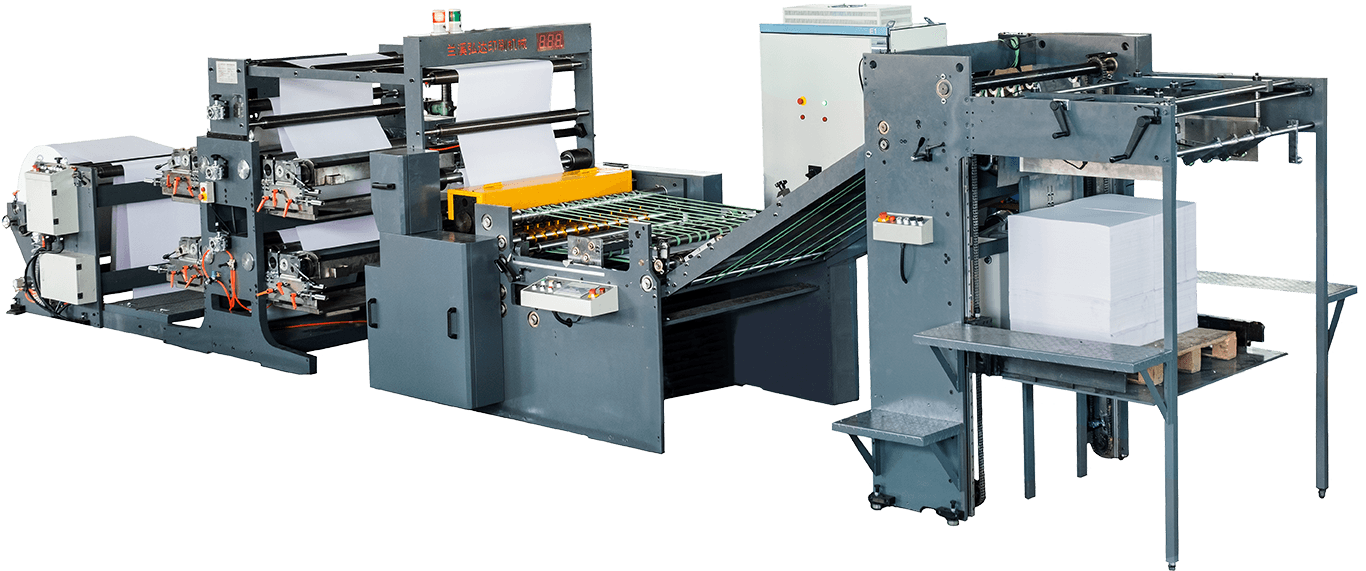
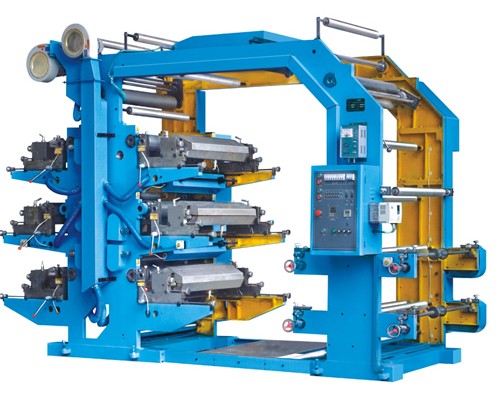
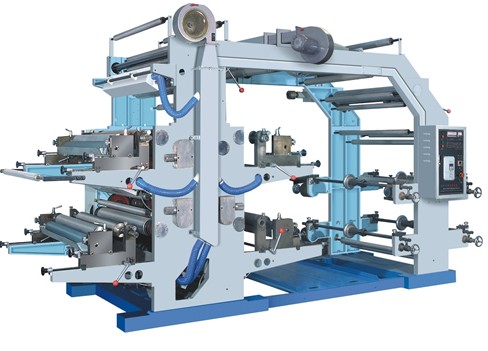
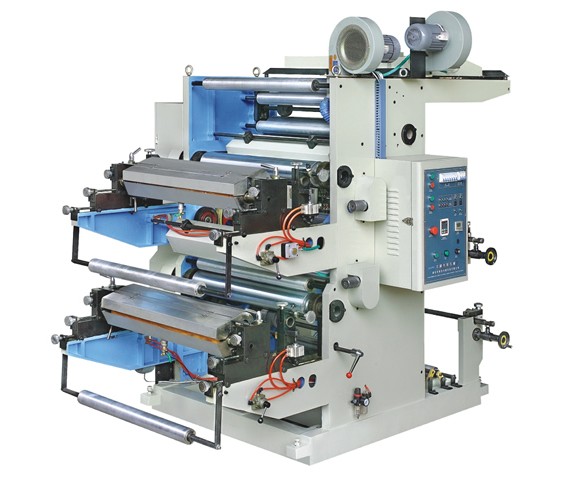
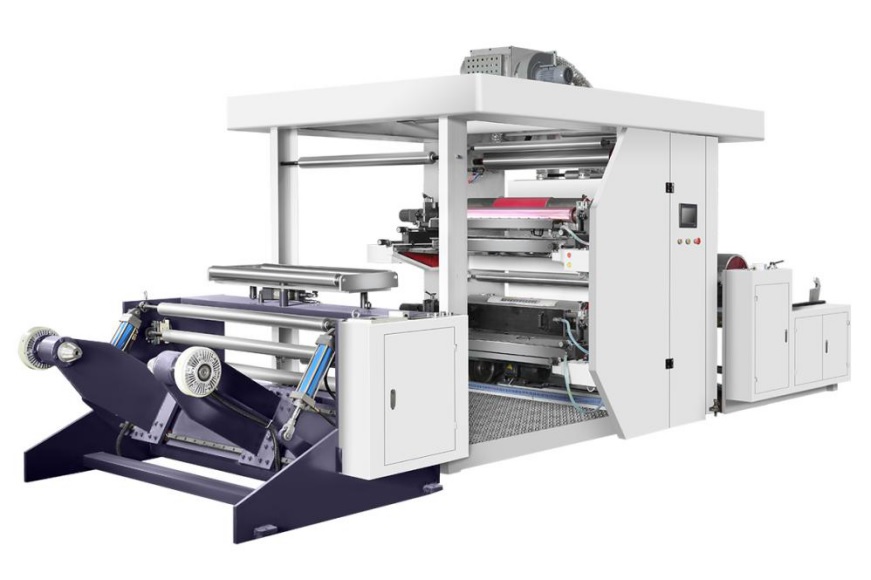
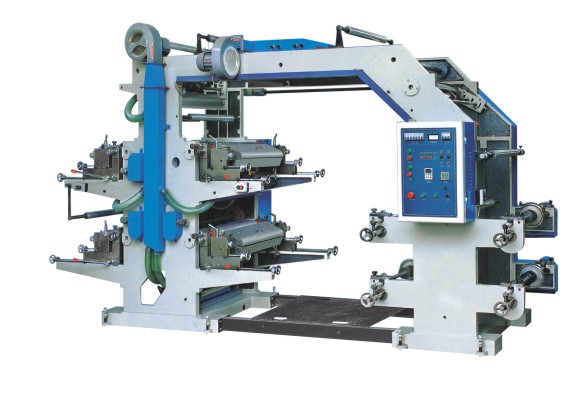
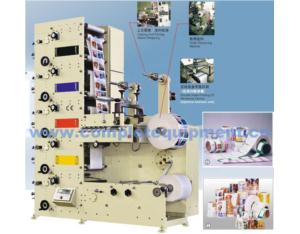
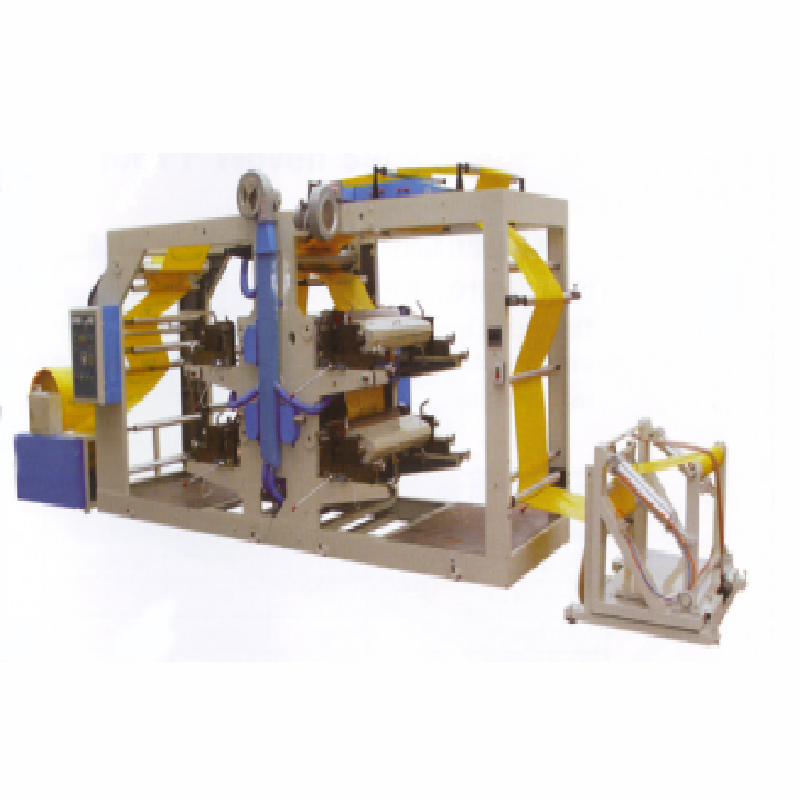
Flexo presses are categorized by their cylinder configuration and web width. Selecting the right architecture dictates the machine's footprint, substrate compatibility, and maximum printing speed.
| Architecture Type | Best Suited For | Key Advantage | Typical Web Width |
|---|---|---|---|
| Inline Press | Labels, folding cartons | Modular, easy to add finishing stations | Narrow to Mid (250mm - 600mm) |
| Central Impression (CI) | Flexible packaging, thin films | Superior registration on stretchable materials | Wide (800mm - 1600mm+) |
| Stack Press | Corrugated board, heavy paper | Can print on both sides of the web easily | Mid to Wide (600mm - 1200mm) |
When evaluating suppliers, pay close attention to the drive system. Traditional mechanical line-shaft presses are cheaper but require manual gear changes for repeat lengths. Modern servo-driven (gearless) presses offer automated registration, faster changeovers, and tighter tolerances, making them the standard for high-end packaging applications.
Need help verifying a manufacturer's technical capabilities? Our engineering team can evaluate supplier specifications and ensure they meet your production tolerances.
Discuss your machinery requirementsCritical Quality Checkpoints on the Factory Floor
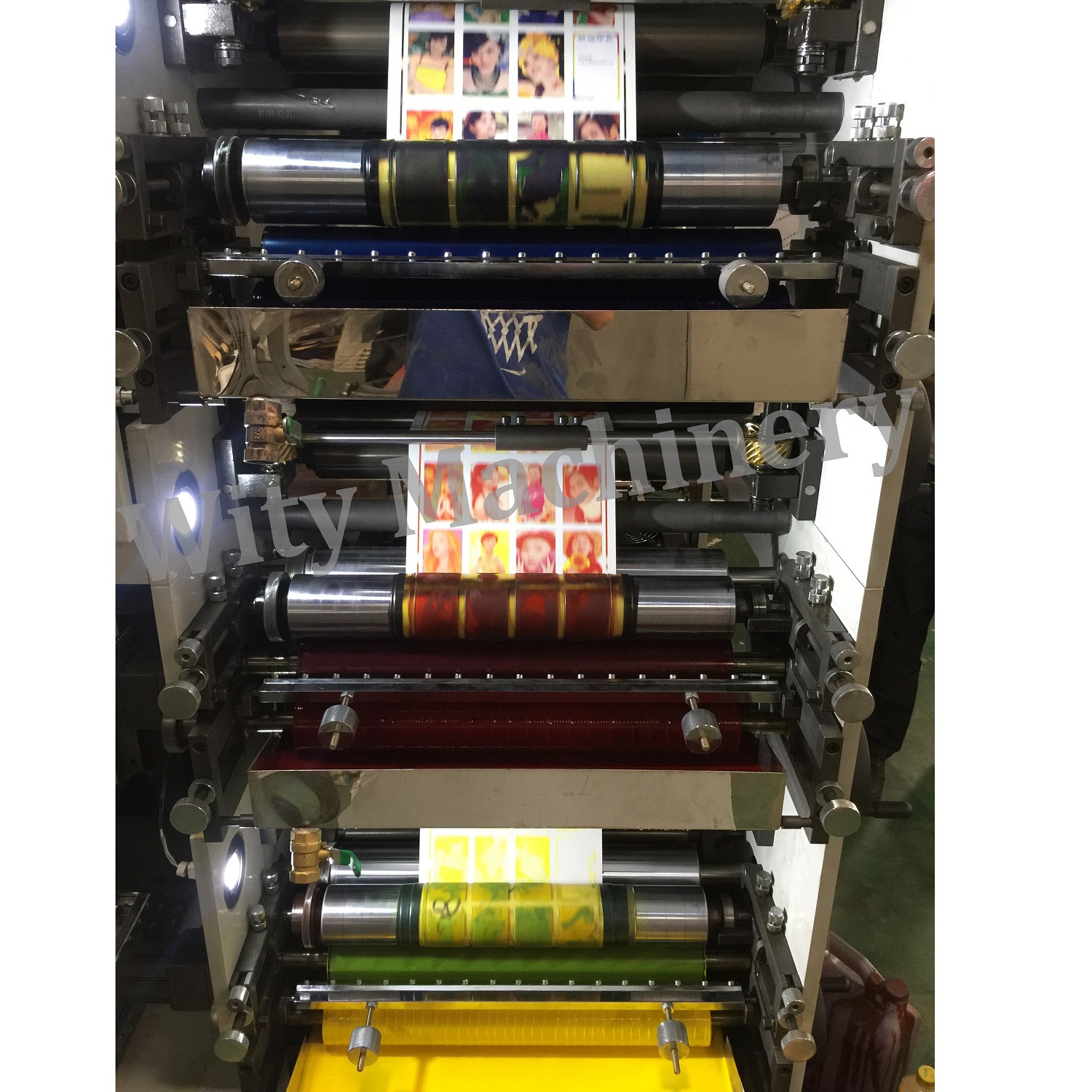
High-speed flexographic printing relies on microscopic precision. A variance of just a few microns in the anilox roller or plate cylinder can cause dot gain issues or color shifting. Because many machinery suppliers in Asia assemble components rather than machining them in-house, rigorous Factory Audits are essential to verify their quality management systems and machining capabilities.
Key Inspection Points for Flexo Presses
- Frame Rigidity: Cast iron side frames must be thick enough (typically 50mm or more) to absorb high-speed vibration and prevent registration drift.
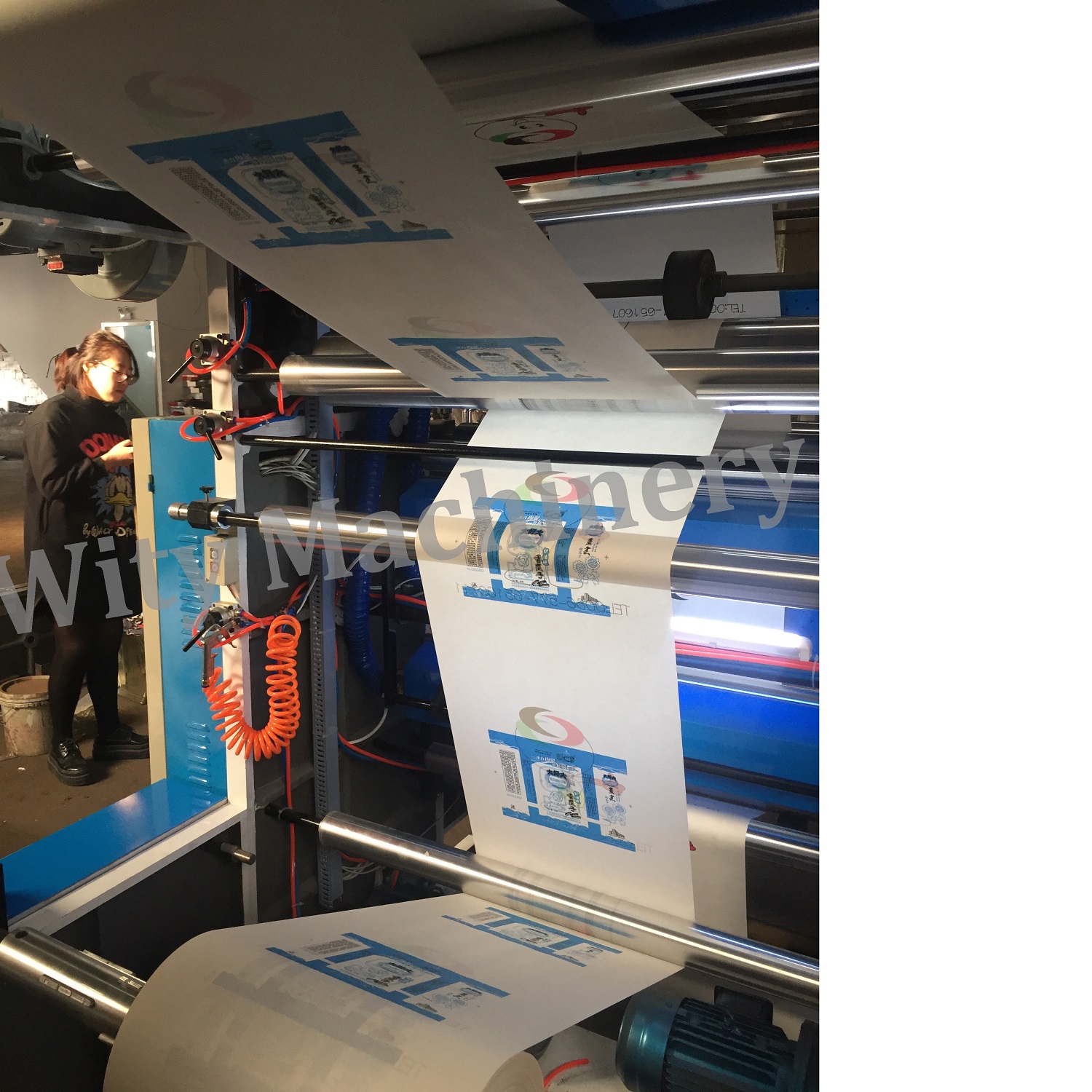
- Web Tension Control: Verify the integration of closed-loop tension controllers with magnetic powder brakes or servo motors to prevent web snapping or stretching.
- Cylinder TIR (Total Indicator Runout): Runout on the central impression drum or plate cylinders must be under 0.01mm.
- Drying Systems: Ensure the IR, UV, or hot air drying capacities match the maximum rated speed of the press to prevent ink offsetting.
- Automated Registration: Test the motorized or video-assisted registration systems during a live factory run.
Never ship heavy machinery without a comprehensive Factory Acceptance Test (FAT). Engaging independent Quality Control & Inspection teams to run your specific substrates and inks on the machine before final payment is the only way to guarantee performance.
Capital Expenditure, Lead Times, and Logistics
Sourcing industrial printing machinery involves significant capital outlay and complex logistics. Prices vary drastically based on automation levels, the number of color stations (typically 2 to 10+), and the origin of critical components (e.g., European servo motors vs. domestic equivalents).
Managing Heavy Equipment Logistics
Shipping a multi-station flexo press is not a standard container job. Wide-web CI presses often require flat rack containers or dismantling into multiple 40HQ containers. Proper anti-corrosion packaging (vacuum sealing with desiccants) and heavy-duty steel base pallets are non-negotiable to prevent transit damage. Coordinating these requirements through experienced Shipping & Freight partners ensures the equipment arrives ready for installation.
Additionally, for machinery purchases exceeding $100,000, structuring milestone payments tied to specific FAT outcomes is highly recommended. Buyers often leverage specialized Financial Solutions to manage letters of credit (LC) and mitigate financial risk during the long production cycle.
Planning a heavy machinery import? Let us handle the factory acceptance testing, specialized packing, and flat-rack shipping logistics.
Talk to our logistics teamFrequently Asked Questions
Sourcing flexographic printers requires moving beyond basic supplier vetting and diving deep into mechanical engineering, component sourcing, and rigorous pre-shipment testing. Ensuring your supplier has the technical capability to meet your tolerances—and holding them accountable through structured milestone testing—is the key to a profitable machinery investment.
Get Sourcing Help for Flexographic Printers
Tell us your requirements and our experts will connect you with verified manufacturers.