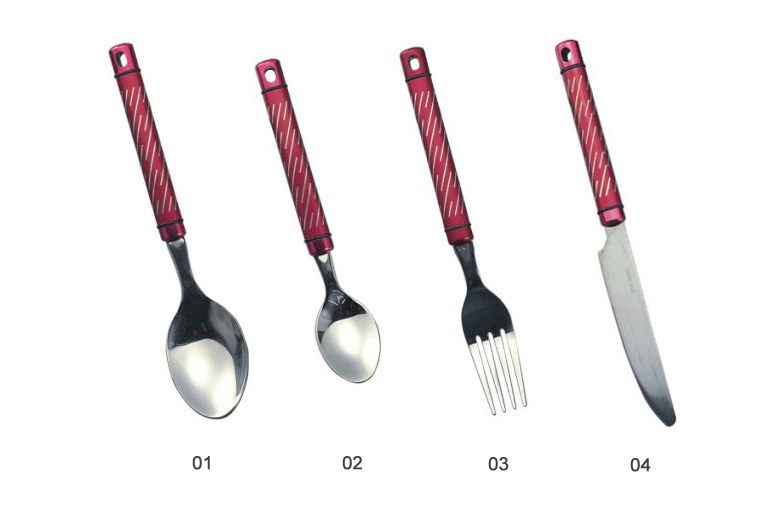
Flatware Sets
Source premium and high-volume flatware sets directly from vetted manufacturers. Designed for importers, wholesalers, hospitality distributors, and brands seeking OEM/ODM production. Secure reliable pricing, precise material grades, and consistent finishing on bulk cutlery orders.
Sourcing flatware sets in volume requires navigating a market where visual similarities hide vast differences in material quality and manufacturing precision. For commercial buyers, hospitality distributors, and private-label brands, the challenge is ensuring that the factory's material specifications match reality and that labor-intensive finishing processes are not rushed. A single batch of poorly polished forks or rusting knives can compromise an entire container's value.
Material Specifications: The 18/0 vs. 18/10 Distinction
The foundation of any flatware set is its stainless steel grade. The numbers refer to the percentages of chromium (for rust resistance) and nickel (for shine and corrosion resistance). Manufacturers typically offer three primary grades:
- 18/10 (304 Stainless): Contains 10 percent nickel. It offers a premium silver-like luster, exceptional rust resistance, and is the standard for high-end retail and fine dining.
- 18/8 (304 Stainless): Contains 8 percent nickel. Very similar to 18/10 and often used interchangeably in mid-to-high-tier markets.
- 18/0 (430 Stainless): Contains zero nickel. It is magnetic, less expensive, and has a slightly duller finish. While highly durable, it is more susceptible to corrosion over time if exposed to acidic foods or left damp.
Knives are the exception. Regardless of the grade used for forks and spoons, knife blades are almost always forged from 13/0 (420 stainless steel) to allow for proper hardening and edge retention.
| Attribute | 18/10 Stainless | 18/0 Stainless |
|---|---|---|
| Nickel Content | 10 percent | 0 percent |
| Corrosion Resistance | Excellent | Moderate |
| Magnetic | No | Yes |
| Primary Application | Premium retail, fine dining | Volume catering, budget retail |
Need help verifying factory material grades and securing reliable production?
Talk to our teamManufacturing: Stamping vs. Forging
The production method dictates the weight, balance, and perceived value of the flatware.
Stamped Flatware is cut directly from large rolls of stainless steel. It is lighter, generally thinner, and represents the bulk of mid-market and budget sets. The quality of stamped flatware depends heavily on the thickness of the steel blank (typically ranging from 1.5mm to 3.0mm).
Forged Flatware is made from heated blocks of steel that are hammered and molded into shape. This allows for three-dimensional handles, variable thickness, and a heavier, more balanced feel. Forging is significantly more labor-intensive and commands a higher price point. If you are developing custom molds via OEM/ODM Services, forging offers the most design flexibility.
Finishing and Quality Control
Flatware production is surprisingly labor-intensive, particularly in the polishing phase. Factories use automated tumbling for lower-end sets, while premium sets require multiple stages of machine and hand polishing to achieve a flawless mirror or satin finish.
When evaluating suppliers, their polishing line is a critical indicator of capability. Conducting thorough Factory Audits before placing large orders ensures the manufacturer has the right dust extraction, wheel types, and skilled labor to execute high-end finishes.
Critical QC Checkpoints for Flatware
- Between the Tines: Ensure the inner edges of fork tines are fully polished, not rough or matte.
- Edge Smoothness: Run a cloth along the edges of spoon bowls and handles to check for micro-burrs.
- PVD Adhesion: For colored sets (gold, black, copper), verify the Physical Vapor Deposition coating is uniform and passes scratch/wear testing.
- Weight Tolerance: Check that piece weights remain consistent across the batch, usually within a 3-5 percent tolerance.
Implementing strict Quality Control & Inspection prior to shipment is non-negotiable, as finishing defects cannot be rectified once the goods leave the factory.
Pricing, MOQs, and Lead Times
Flatware factories generally calculate Minimum Order Quantities (MOQs) per individual piece rather than per set, because each utensil requires its own tooling and production run.
Pricing is driven by the daily spot price of stainless steel, the thickness of the material, and the complexity of the finish. PVD-coated or deeply engraved handles will increase costs and slightly extend lead times.
Looking to optimize your flatware supply chain or develop a custom product line?
Get a free consultationRegulatory Compliance
While stainless steel is inherently stable, flatware must still pass food contact safety regulations for your target market. In the US, this means FDA GRAS (Generally Recognized As Safe) standards for stainless steel. In Europe, products must pass stringent LFGB testing, which checks for heavy metal migration. Relying on verified Compliance & Testing ensures your shipments clear customs and meet retail vendor requirements.
Successful flatware sourcing comes down to clearly defining your material and finishing tolerances and ensuring the factory adheres to them on every production run. By controlling the specifications and enforcing rigorous pre-shipment inspections, buyers can secure highly competitive pricing without sacrificing brand reputation.
Get Sourcing Help for Flatware Sets
Tell us your requirements and our experts will connect you with verified manufacturers.