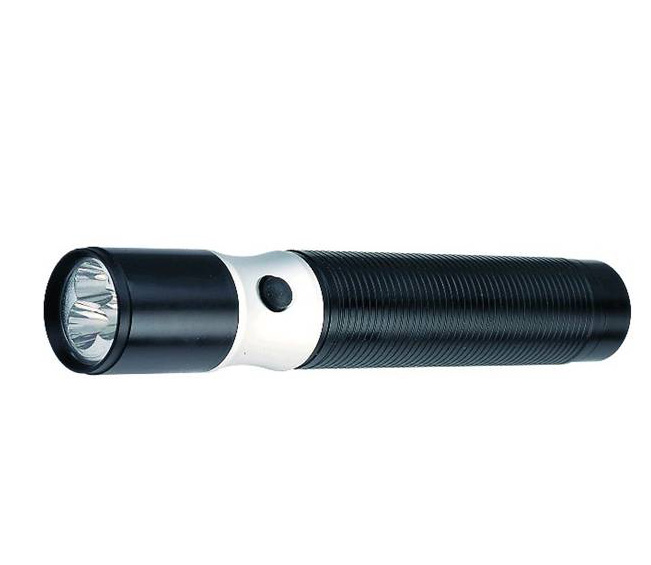
Flashlights
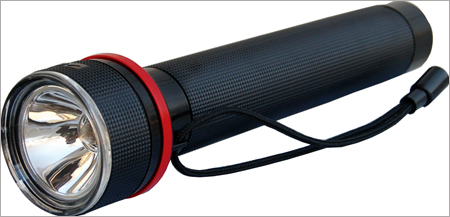
Source high-performance flashlights directly from vetted manufacturers and wholesale suppliers. Designed for importers, distributors, and outdoor brands seeking reliable OEM and private-label production. Secure competitive bulk pricing on tactical, camping, and everyday carry lighting with rigorous quality control.
Sourcing flashlights at scale requires navigating a market notorious for exaggerated specifications and inconsistent component quality. For outdoor brands, tactical gear distributors, and hardware wholesalers, the difference between a reliable lighting tool and a warranty liability comes down to strict control over LED binning, driver circuitry, and thermal management at the factory level.
Critical Specifications for Volume Sourcing
When developing a product line or placing bulk orders, evaluating the core internal components is non-negotiable. Many suppliers quote high lumen outputs based on theoretical LED maximums rather than actual "out-the-front" (OTF) performance.
To ensure consistent performance, buyers must specify the exact LED emitter (such as CREE, Luminus, or Osram), the color temperature (CCT), and the Color Rendering Index (CRI). Equally important is the driver circuit. Budget flashlights often use Pulse Width Modulation (PWM) to step down brightness, resulting in visible flickering. Premium models require constant current drivers to maintain stable output and maximize battery efficiency.
If you are customizing housings or developing proprietary user interfaces (UI), leveraging professional OEM/ODM services ensures your technical specifications translate accurately to the production line.
| Component | Standard / Promotional | Premium / Tactical |
|---|---|---|
| LED Emitter | Generic SMD / LatticePower | CREE (XHP series), Luminus, Osram |
| Driver Type | Direct drive with PWM | Constant current / Buck-boost |
| Power Source | Alkaline (AAA/AA) or built-in Li-Po | Removable 18650 or 21700 Li-ion |
| Thermal Transfer | Standard aluminum PCB | Copper DTP (Direct Thermal Path) MCPCB |
Struggling to verify factory specifications? Let our engineers validate your flashlight designs and source capable manufacturing partners.
Talk to our teamManufacturing Tolerances and Thermal Management
High-output flashlights generate significant heat. If the thermal path from the LED to the exterior body is flawed, the emitter will rapidly degrade or fail. Proper thermal management relies on tight CNC machining tolerances to ensure maximum surface contact between the LED board, the pill, and the flashlight head.
The exterior finish also dictates durability. While standard Type II anodizing is sufficient for basic consumer models, tactical and professional-grade flashlights require Military Specification Type III hard-coat anodizing to resist deep scratches and corrosion. Conducting thorough factory audits before production is critical to verify that a supplier has the in-house CNC capabilities and anodizing partnerships to meet these tolerances consistently.
Factory Evaluation Checklist
- Verify in-house CNC machining tolerances (ideally to 0.01mm).
- Check for proper application of thermal paste or potting compounds on drivers.
- Confirm the anodizing facility's capacity for true Type III hard-coat finishes.
- Inspect O-ring installation processes and thread lubrication protocols.
Quality Control and ANSI/PLATO FL 1 Standards
To compete in Western markets, flashlights must adhere to the ANSI/PLATO FL 1 standard. This protocol standardizes how manufacturers measure and report light output, beam distance, peak beam intensity (candela), run time, water resistance, and impact resistance.
Relying on a factory's self-reported data is risky. Implementing independent quality control inspections ensures that a random sampling of your production run actually meets these ANSI claims. Furthermore, if your flashlights include lithium-ion batteries, you must navigate strict compliance and testing requirements, including UN38.3 certification for safe international transport and CE/RoHS for market entry.
Integrating Sphere Testing
Measuring true out-the-front (OTF) lumens to ensure output matches the marketed specifications.
Ingress Protection (IP) Testing
Submerging units in pressure tanks to verify IPX8 waterproof ratings or using spray chambers for IPX4.
Drop Testing
Dropping units from standard heights (typically 1 to 2 meters) onto concrete to verify impact resistance and driver durability.
Battery Cycle & Safety Testing
Testing lithium-ion cells for capacity retention, overcharge protection, and thermal runaway prevention.
Pricing, MOQs, and Production Lead Times
Flashlight manufacturing is highly scalable, but costs vary wildly based on the level of customization. White-labeling an existing factory mold with laser-engraved branding requires minimal investment, whereas full ODM projects with custom CNC bodies and proprietary UI firmware demand higher minimum order quantities (MOQs) and upfront tooling costs.
Ready to scale your lighting product line? We help buyers negotiate favorable MOQs, manage tooling costs, and oversee production from start to finish.
Get a free consultationFrequently Asked Questions
Sourcing reliable flashlights requires looking past the polished exterior and scrutinizing the internal engineering. By enforcing strict component requirements, demanding ANSI standard verification, and managing your supply chain closely, you can deliver lighting tools that perform when it matters most.
Get Sourcing Help for Flashlights
Tell us your requirements and our experts will connect you with verified manufacturers.