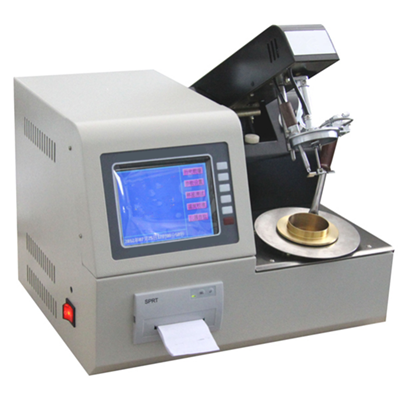
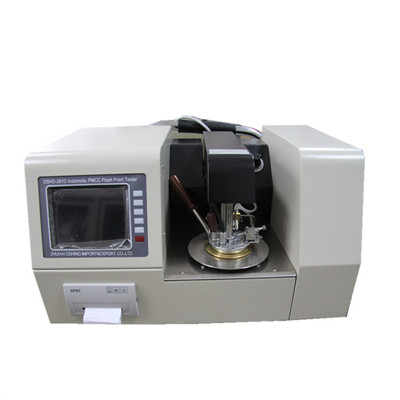
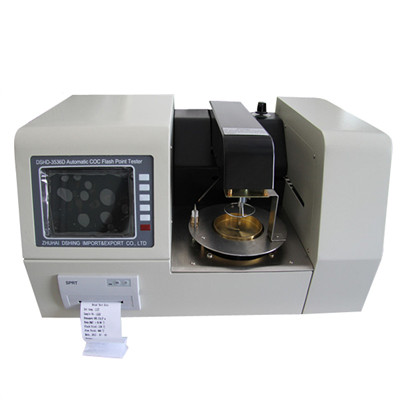
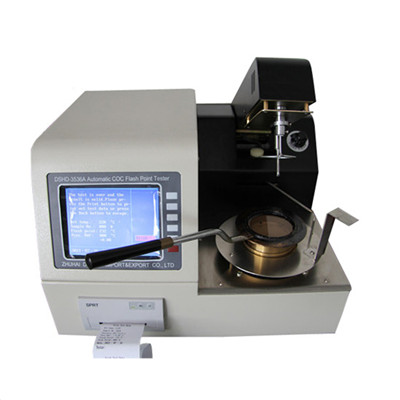
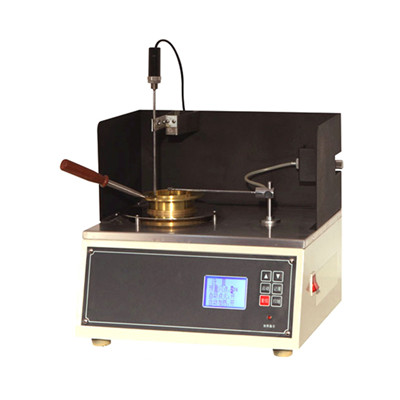
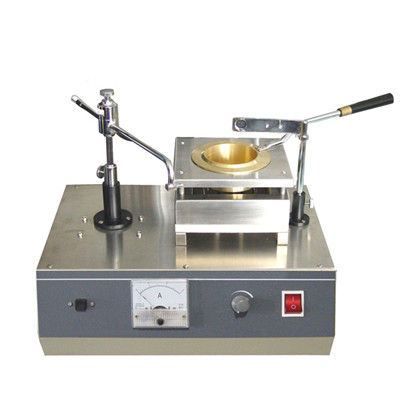
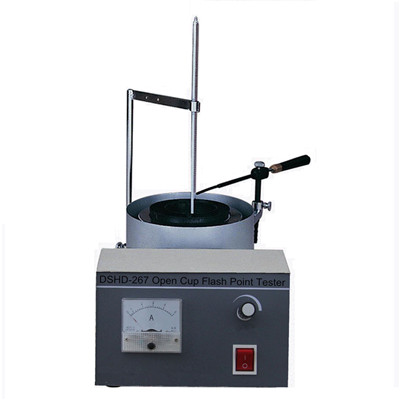
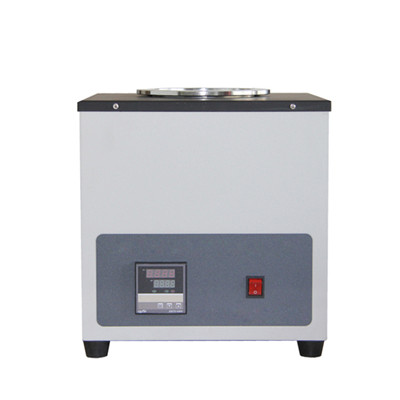
Flash Point Testers
Source industrial-grade Flash Point Testers from vetted manufacturers and suppliers in China. Designed for importers, laboratory equipment distributors, and brands seeking OEM production, our wholesale testing instruments ensure precise compliance with international safety and quality standards.
Sourcing flash point testers requires balancing precision engineering with cost-effective manufacturing. For petrochemical, pharmaceutical, and transport applications, a tester that fails to maintain exact heating rates or ignition timing is not just a defective product—it is a critical safety and compliance failure for the end user. When buying in volume or developing a private-label line, success depends on verifying the factory's component supply chain, software reliability, and calibration standards.
Specifying the Right Instrument Architecture
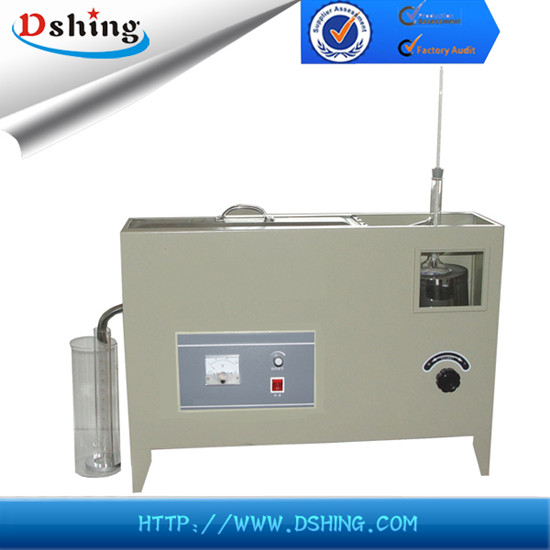
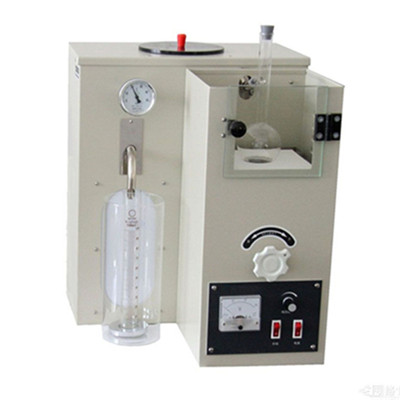
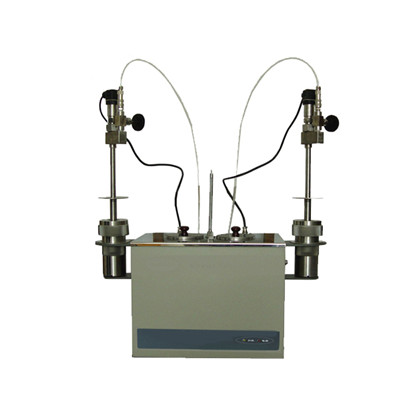
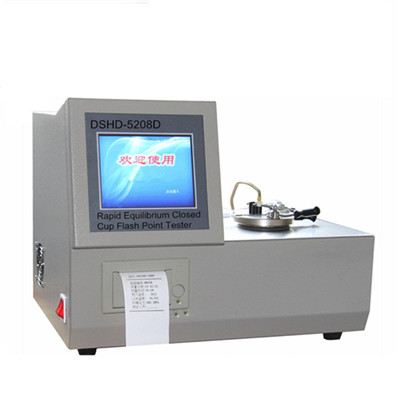
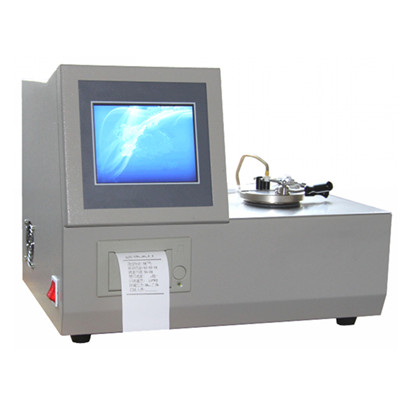
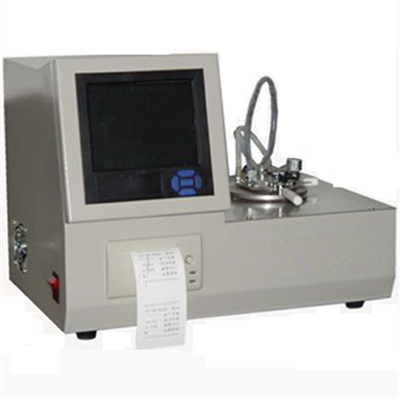
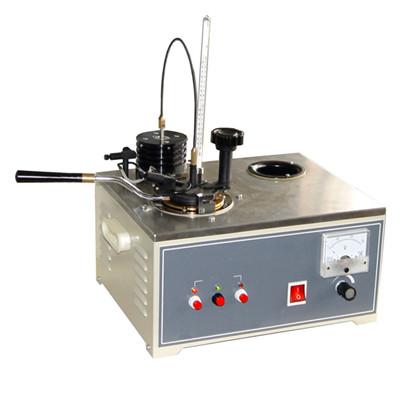
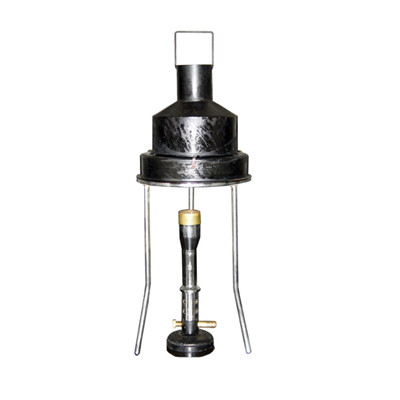
Flash point testers are strictly categorized by their testing methodology. Factories typically specialize in either closed-cup or open-cup systems, and highly capable manufacturers will produce automated versions of both. When negotiating with suppliers, you must align your specifications with the exact international standards your target market requires.
| Feature | Closed Cup (e.g., Pensky-Martens) | Open Cup (e.g., Cleveland) |
|---|---|---|
| Primary Standard | ASTM D93, ISO 2719 | ASTM D92, ISO 2592 |
| Target Applications | Fuel oils, diesel, biodiesel, lubricants | Viscous materials, bitumens, heavy oils |
| Heating Control | Strictly regulated multi-stage heating | Continuous gradual heating |
| Vapor Containment | Sealed until ignition introduction | Open to ambient air |
Component Quality on the Factory Floor
The difference between a reliable industrial tester and a sub-standard unit lies entirely in the internal components. Chinese manufacturers offer a wide spectrum of quality. When assessing a supplier's bill of materials (BOM), pay close attention to the following critical areas:
- Temperature Sensors: High-end units utilize Class A PT100 RTD sensors. Lower-tier manufacturers may use generic thermocouples that drift over time, requiring frequent recalibration.
- Ignition Mechanisms: Fully automatic models offer both gas flame and electronic ignition. Ensure the electronic igniters use durable platinum alloy wires rather than standard resistance wire, which burns out rapidly under continuous testing.
- Cooling Systems: Rapid turnaround between tests requires efficient cooling. Specify whether the unit uses forced-air cooling or integrated liquid cooling blocks.
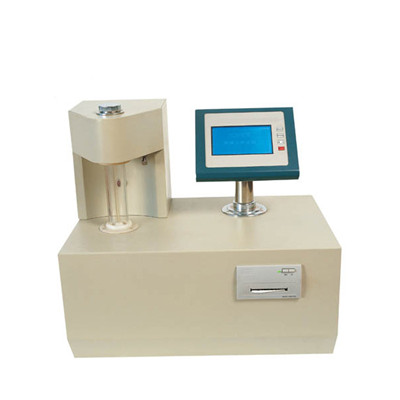
- HMI and Software: For automatic testers, the Human-Machine Interface (HMI) must be stable. Check if the factory develops their own PCB and software in-house or relies on third-party generic boards, which can complicate troubleshooting later.
Ensuring sensor accuracy across a bulk order requires strict factory-level oversight. Let us help you verify supplier capabilities and component quality before production begins.
Talk to our teamCompliance and Factory Vetting
Because these instruments measure safety-critical parameters, compliance testing is non-negotiable. The manufacturer must be able to prove their equipment meets the rigorous demands of ASTM, ISO, or IP standards.
However, a certificate on a supplier's website does not guarantee the unit coming off the assembly line will perform accurately. Thorough factory audits are necessary to ensure the supplier maintains a controlled environment for assembly and calibration.
Critical Factory Verification Points
- In-house calibration lab with certified reference materials (CRMs).
- ISO 9001 certified quality management system specific to instrument manufacturing.
- Mandatory 48-hour to 72-hour aging tests for all PCB and heating components.
- Traceability of critical components (sensors, microprocessors) to original manufacturers.
Wholesale Pricing, MOQs, and Lead Times
Unlike consumer electronics, laboratory testing equipment is a high-value, low-volume category. Manufacturers are generally flexible with Minimum Order Quantities (MOQs), but deep customization (such as custom housing molds or proprietary software interfaces) will significantly impact both cost and minimum commitments.
Pricing is highly dependent on the level of automation. Manual or semi-automatic testers typically range from $300 to $800 per unit. Fully automatic, microprocessor-controlled testers with touchscreen interfaces, built-in printers, and automatic atmospheric pressure correction generally wholesale between $1,500 and $4,500 per unit, depending on the sensor package.
Need to customize software interfaces or hardware for your brand? We manage the entire OEM/ODM process from blueprint to final delivery.
Get a free consultationIf you are building a proprietary line of testing equipment, leveraging professional OEM/ODM services ensures your intellectual property is protected and the final product meets your exact technical specifications.
Frequently Asked Questions
Sourcing flash point testers is an exercise in risk management. The lowest quoted price often hides compromises in sensor quality or software stability. By focusing on component traceability, strict standard adherence, and rigorous quality control & inspection during production, you can secure reliable, high-margin instruments that perform flawlessly for your end users.
Get Sourcing Help for Flash Point Testers
Tell us your requirements and our experts will connect you with verified manufacturers.