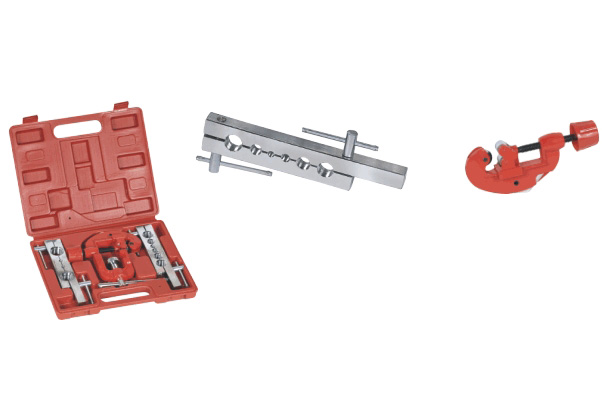
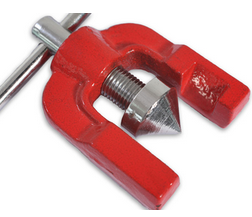
Flaring Tools
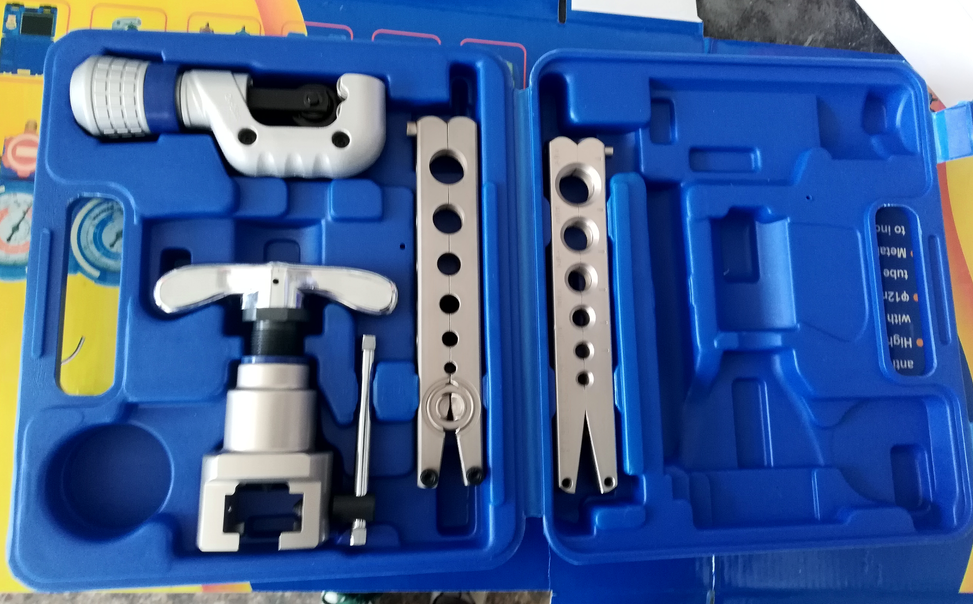
Source high-quality flaring tools directly from vetted manufacturers and wholesale suppliers. This catalog is designed for importers, hardware distributors, and brands seeking reliable OEM or private-label production of professional-grade HVAC, plumbing, and automotive tube working tools in bulk.
Sourcing professional-grade flaring tools requires balancing precision engineering with cost-effective manufacturing. For HVAC and plumbing applications, the difference between a secure seal and a costly refrigerant leak comes down to the hardness of the flaring cone, the calibration of the clutch mechanism, and the machining tolerances of the flaring bar. When buying in bulk, verifying a factory's metallurgical standards and CNC machining capabilities is critical to ensuring consistent performance across your entire production run.
Critical Specifications for Bulk Buyers
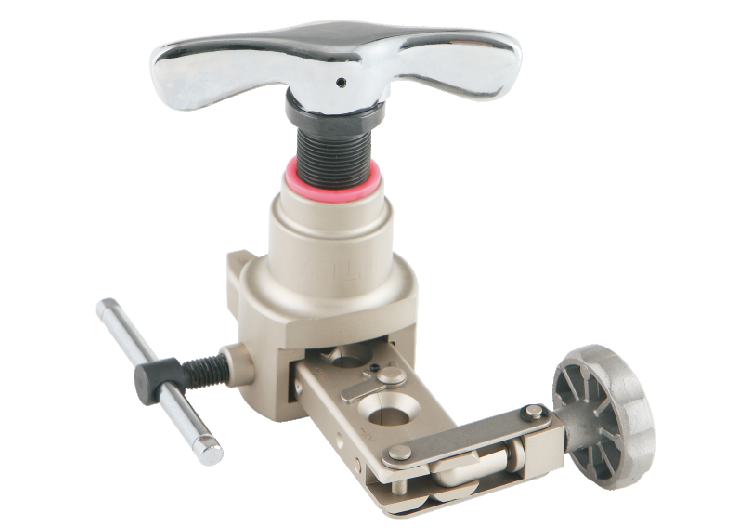
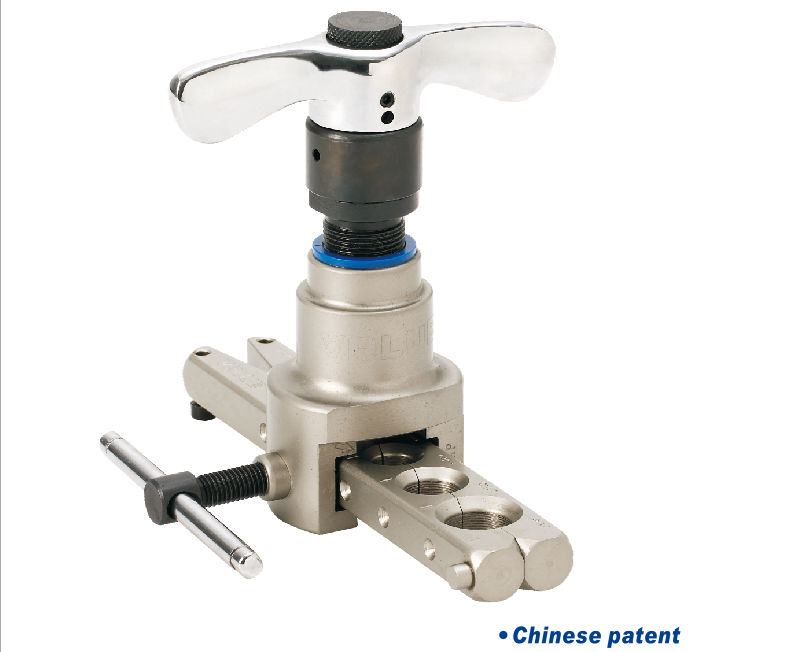
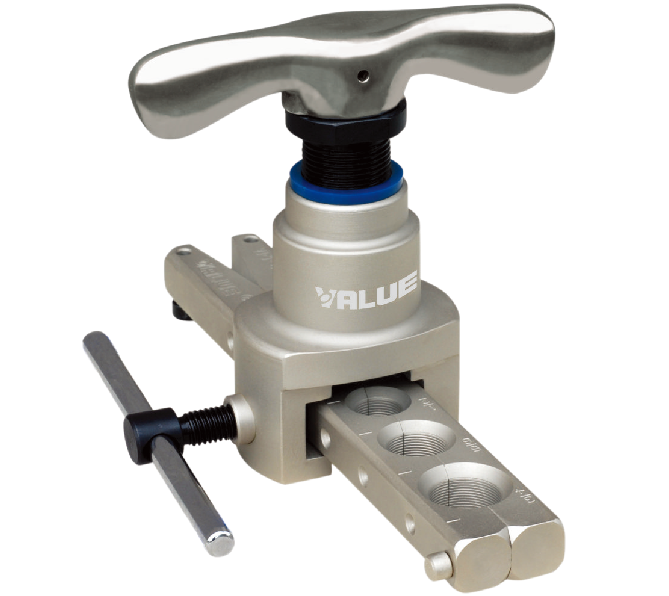
The core of any flaring tool is the interaction between the cone and the die block. Buyers must specify the exact mechanics and material grades required for their target market.
| Tool Type | Cone Action | Primary Market | Manufacturing Cost |
|---|---|---|---|
| Eccentric Flaring Tool | Off-center rotation, rolls the flare | Professional HVAC/R | Higher (complex assembly) |
| Standard Flaring Tool | Straight compression | Basic plumbing / DIY | Lower |
| Ratchet Flaring Tool | Eccentric with ratcheting handle | Confined space HVAC | Premium |
Material and Hardness Requirements
The flaring cone must be manufactured from hardened tool steel (typically Cr-V or S2) and heat-treated to a hardness of HRC 45 to 50. If the cone is too soft, it will deform after repeated use on hard copper or stainless steel tubing. If it is too brittle, it risks micro-fracturing. The yoke is typically drop-forged steel or, for lightweight models, cast aluminum alloy.
Need help verifying a factory's metallurgy and heat-treatment processes? Connect with our sourcing experts.
Talk to our teamManufacturing Tolerances and Quality Control
The primary failure points in mass-produced flaring tools occur during the machining of the die block and the assembly of the clutch mechanism. A poorly machined die block will fail to grip the tube securely, causing it to slip downward during flaring, or worse, it will score the outside of the tube, creating a weak point that leads to cracking.
When conducting Factory Audits, evaluate the supplier's CNC equipment used to bore the sizing holes in the flaring bar. The internal serrations (if present) must be aggressive enough to hold the tube but polished enough to prevent deep scoring.
Pre-Shipment Inspection Focus Areas
- Clutch release calibration: Ensure the clutch slips exactly when the flare is fully formed to prevent tube crushing.
- Die block alignment: Check that the two halves of the flaring bar mate perfectly without gaps.
- Cone surface finish: Inspect for a mirror-polished finish to ensure smooth rolling of the tube lip.
- Dimensional accuracy: Test flaring on standard copper tubing to verify exact 45-degree or 37-degree angles.
Implementing rigorous Quality Control & Inspection at the factory level ensures these mechanical tolerances are maintained before the tools are packaged and shipped.
Sourcing Mechanics: Pricing, MOQs, and Lead Times
Procurement managers must account for tooling costs, material market fluctuations, and assembly times when planning their supply chain.
For brands looking to differentiate their product lines, OEM/ODM Services offer options like custom anodized colors for aluminum yokes, proprietary handle grips, and specialized blow-molded carrying cases. Keep in mind that custom aluminum extrusions or specific plastic injection molds for the casing will require upfront tooling investments and may push initial MOQs higher.
Optimize your procurement strategy and negotiate better terms with vetted tool manufacturers.
Get a free consultationFrequently Asked Questions
Securing a reliable supply of flaring tools means looking past the surface finish and focusing on the underlying metallurgy and machining precision. Partnering with factories that maintain strict internal quality management will protect your brand's reputation in the hands of the end-user.
Get Sourcing Help for Flaring Tools
Tell us your requirements and our experts will connect you with verified manufacturers.