Fishing Lights
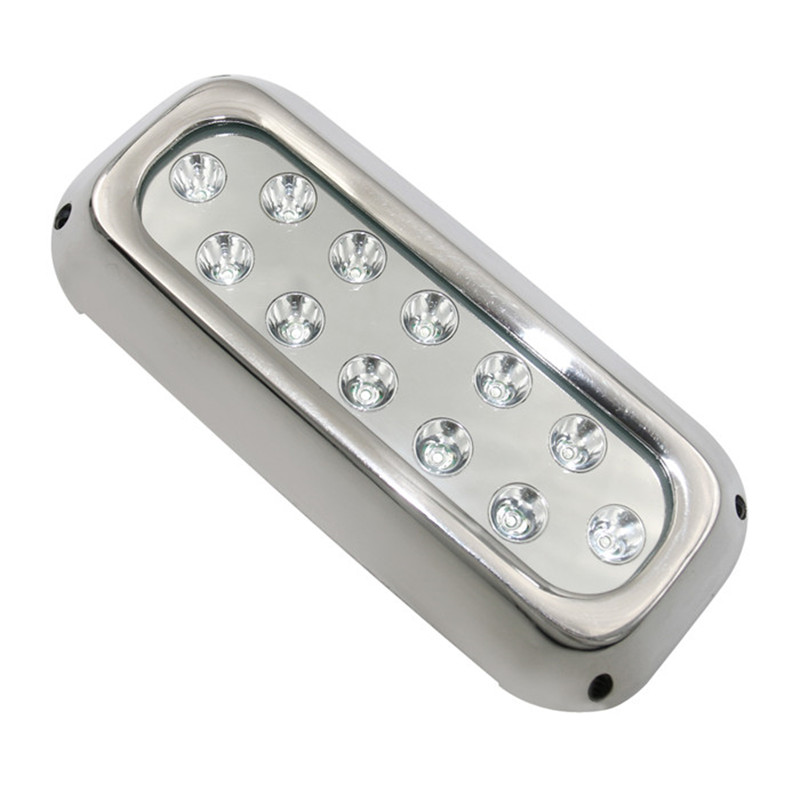
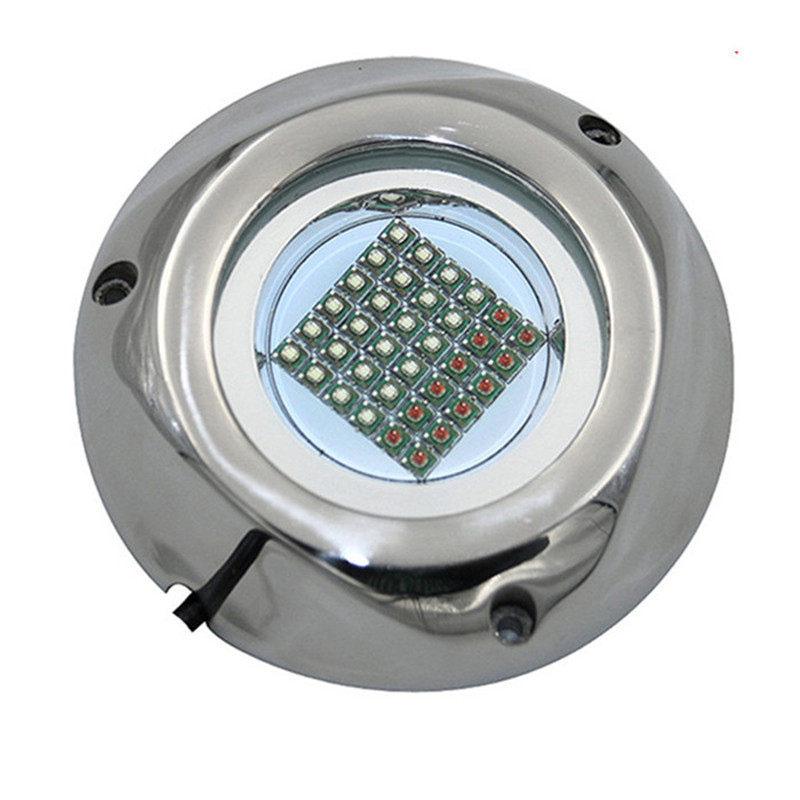
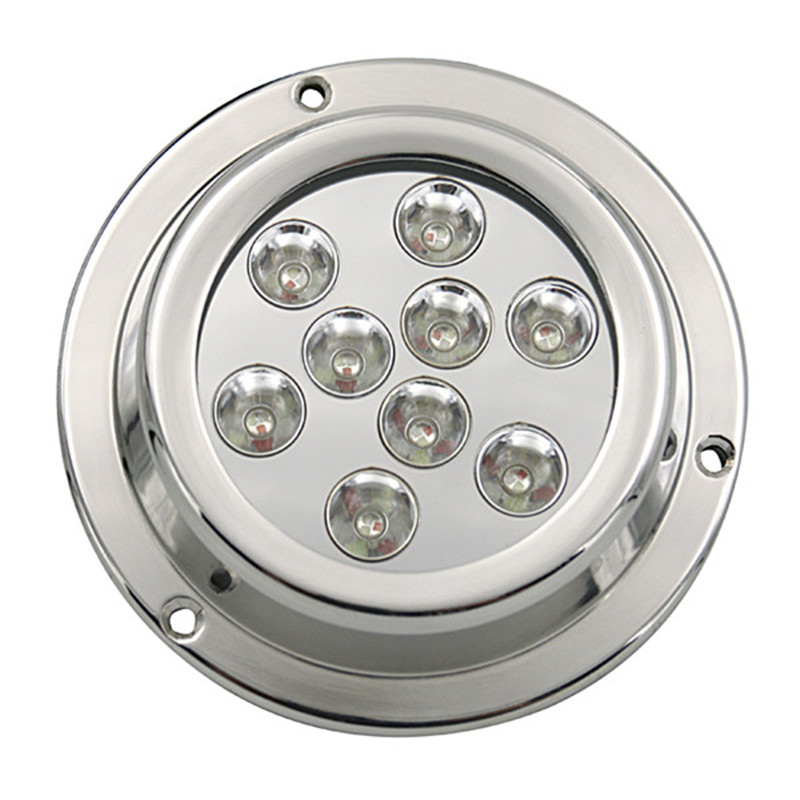
Source high-performance commercial and recreational Fishing Lights from vetted suppliers and manufacturers. Designed for importers, wholesalers, distributors, and brands seeking reliable OEM and private-label production, our network delivers bulk quantities built to survive harsh marine environments.
Sourcing fishing lights at volume requires navigating a complex intersection of marine-grade durability, specialized optics, and rigorous thermal management. Whether you are outfitting commercial squid fleets or stocking retail shelves with submersible LED attractants for recreational anglers, the primary challenge is identifying manufacturers capable of consistently delivering fully sealed, high-lumen units that survive corrosive saltwater environments and extreme thermal shock.
Critical Specifications for Marine-Grade Illumination
Not all LED manufacturers possess the specialized tooling and testing equipment required for marine applications. When evaluating supplier capabilities, volume buyers must look past top-line lumen claims and focus on the engineering that keeps the light functioning underwater.
Thermal Management and Potting
Submersible fishing lights rely on the surrounding water for cooling. If operated above water, high-wattage units will overheat and fail within minutes. The core manufacturing challenge is sealing the unit while allowing efficient heat transfer.
High-quality suppliers use vacuum-injected epoxy or polyurethane potting compounds to encapsulate the LED driver and board. This eliminates air gaps that cause condensation and thermal insulation. Poor potting leads to thermal throttling, reduced lifespan, and eventual water ingress under pressure.
| Feature | Recreational Submersible | Commercial Deep-Drop |
|---|---|---|
| Typical Wattage | 10W to 100W | 500W to 3000W+ |
| IP Rating | IP68 (up to 10m) | IP68 (up to 100m+) |
| Housing Material | Polycarbonate / PVC | Marine-grade 316 Stainless Steel or Titanium |
| Cable Type | Standard PVC jacket | Heavy-duty Neoprene / Kevlar reinforced |
Spectral Output and Penetration
Fish attraction relies heavily on wavelength. Green (520-530nm) and blue (450-460nm) light penetrate water most effectively and are the industry standards for attracting zooplankton and baitfish. White light is often used for surface illumination but suffers from high backscatter in murky water. Ensure your supplier sources high-bin LED chips (such as CREE, Bridgelux, or Epistar) that maintain consistent color temperatures across large production runs.
Need help verifying a manufacturer's technical capabilities? We handle supplier vetting and technical negotiations to ensure your specifications are met.
Talk to our teamQuality Control on the Factory Floor
The defect rate in marine lighting scales rapidly if production controls are loose. Water ingress is the most common failure point, often resulting from improper cable gland sealing or micro-fractures in the housing during assembly.
Catching these issues requires rigorous testing protocols before the goods leave the facility. Relying on basic visual inspections is insufficient for this category. Implementing comprehensive Quality Control & Inspection is mandatory to prevent costly returns.
Essential Pre-Shipment Testing Protocols
- Hydrostatic Pressure Testing: Verifying seals at depths greater than the rated specification.
- Thermal Shock Testing: Rapid cycling between high operating temperatures and freezing water to test housing integrity.
- Salt Spray (Corrosion) Testing: Minimum 48-hour to 96-hour exposure to ensure stainless steel and aluminum housings resist oxidation.
- Integrating Sphere Testing: Verifying actual lumen output and wavelength consistency against the specification sheet.
- Cable Pull Testing: Ensuring the junction between the power cable and the light housing can withstand heavy currents and handling.
Before committing to a new supplier, conducting thorough Factory Audits is highly recommended to confirm they possess their own pressure tanks and integrating spheres, rather than outsourcing these critical QA steps.
Pricing, MOQs, and Production Lead Times
The cost of fishing lights varies drastically based on the intended application, housing materials, and LED chip quality.
- Minimum Order Quantities (MOQs): For standard recreational lights (e.g., 50W green LEDs in PVC housings), expect MOQs between 300 and 500 units. For heavy-duty commercial lights (1000W+), manufacturers are often willing to accept MOQs as low as 50 to 100 units due to the high unit cost.
- Customization: If you require custom housing molds, specific cable lengths, or proprietary spectrum mixes, you will need to engage in OEM/ODM Services. Custom molds typically require a tooling fee and push MOQs to 1,000 units or more.
- Lead Times: Standard production runs typically require 30 to 45 days. However, sourcing specialized marine-grade cables or specific LED bins can extend lead times to 60 days, especially during peak manufacturing seasons.
Looking to scale your private-label fishing light brand? Our team can negotiate favorable MOQs and manage the entire OEM production process.
Get a free consultationFrequently Asked Questions
Successfully sourcing fishing lights requires looking beyond the spec sheet to understand a factory's engineering and testing capabilities. By prioritizing manufacturers with proven marine-environment expertise and enforcing strict pressure and thermal testing protocols, volume buyers can secure highly reliable products that build brand trust and eliminate costly field failures.
Get Sourcing Help for Fishing Lights
Tell us your requirements and our experts will connect you with verified manufacturers.