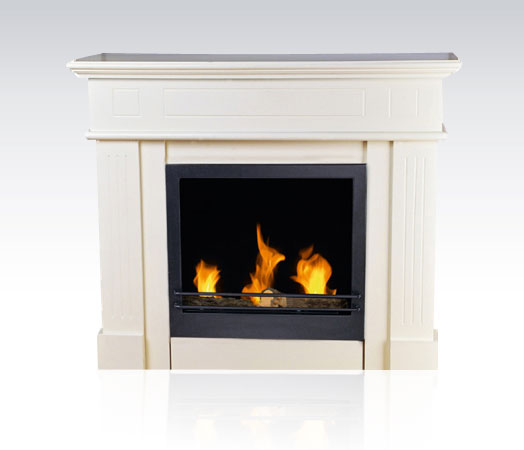
Fireplaces
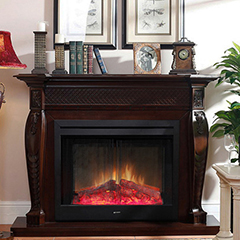
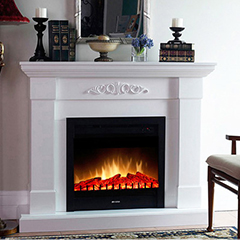
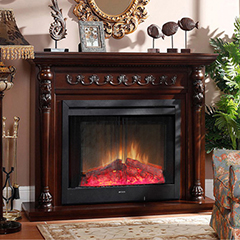
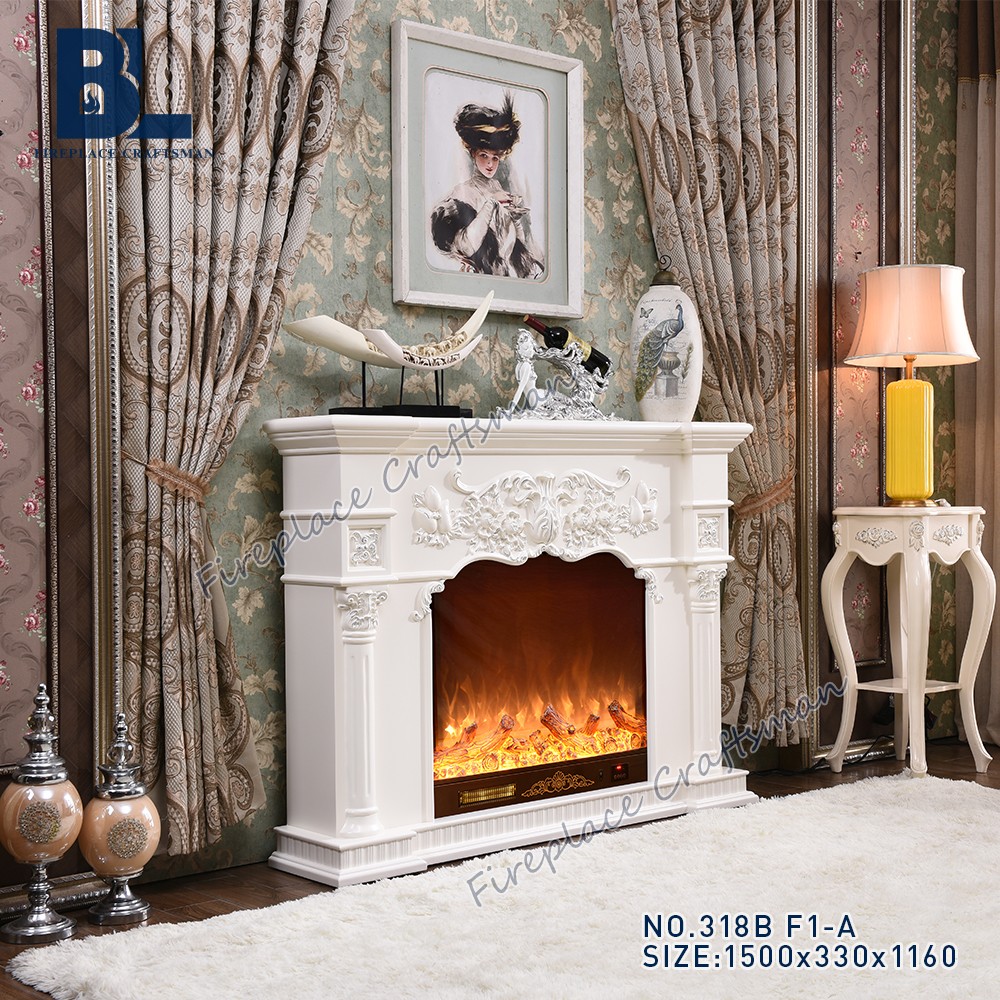
Source premium fireplaces from vetted suppliers and manufacturers across Asia. Designed for importers, distributors, and brands looking for reliable wholesale or custom OEM production, this catalog connects you with factories capable of delivering volume orders that meet strict regional safety and performance standards.
Sourcing fireplaces in bulk requires navigating a complex landscape of heating efficiency, material thermal tolerance, and stringent regional safety certifications. Whether you are importing electric inserts, bioethanol freestanding units, or traditional wood-burning stoves, success hinges on identifying manufacturers with proven engineering capabilities, rather than simple assembly workshops.
Critical Specifications for Volume Buyers
When evaluating a factory's technical competence, look beyond the aesthetic housing. The core value and safety of a fireplace reside in its internal components, material gauges, and thermal management systems.
For electric models, the quality of the heating element (PTC ceramic vs. standard wire) and the LED control board dictates lifespan. For combustible models (gas, ethanol, wood), the grade of stainless steel used in the burner and the thickness of the firebox are critical to prevent warping under sustained thermal stress.
| Component / Spec | Standard Commercial | Premium / Custom OEM |
|---|---|---|
| Firebox Material | 0.8mm - 1.0mm Cold Rolled Steel | 1.5mm+ Cold Rolled or 304 Stainless Steel |
| Glass Type | Standard Tempered Glass | Ceramic Glass (high thermal shock resistance) |
| Electric Heating Elements | Exposed wire coils | PTC Ceramic with whisper-quiet blowers |
| Burner (Ethanol/Gas) | Single-layer 201 Stainless | Double-layer 304 Stainless with ceramic wool spill-proofing |
Need help verifying a supplier's engineering capabilities before placing a volume order?
Talk to our teamManufacturing Nuances and Quality Control
The fireplace manufacturing hub in China is primarily split between Guangdong (known for high-end electric and smart fireplaces) and Zhejiang (strong in metal fabrication for wood and gas stoves). However, the gap between top-tier manufacturers and lower-tier assemblers is vast.
Many suppliers outsource critical components like burner valves or electronic control units. Conducting thorough factory audits is essential to verify whether a supplier actually has the in-house testing facilities required to ensure product safety, or if they are merely assembling outsourced parts.
Packaging for Heavy Glass
A common failure point in fireplace sourcing is transit damage. Ensure your supplier uses drop-tested packaging, typically involving honeycomb cardboard, reinforced edge protectors, and custom-molded EPE foam. Avoid standard EPS (Styrofoam) as it crumbles under the weight of heavy metal and glass units during sea freight.
Essential QC Inspection Points
When implementing quality control & inspection protocols at the factory, your checklist must include functional and safety testing, not just cosmetic checks.
Pre-Shipment Inspection Focus Areas
- Dielectric withstand (Hi-Pot) testing for all electric models to ensure insulation integrity.
- Ground continuity checks (resistance must be under 0.1 ohms).
- Gas leak decay testing for combustible models (using specialized pressure sensors).
- Thermal imaging or thermocouple testing to verify exterior housing temperatures remain within safe limits.
- Coating adhesion tests (cross-cut test) on powder-coated surfaces to ensure heat won't cause peeling.
Compliance and Market Certifications
Importing fireplaces involves strict regulatory hurdles. Customs and local safety authorities will reject shipments lacking proper documentation.
For the North American market, UL or CSA certification is mandatory for electric and gas units. For Europe, CE marking (specifically under the LVD and EMC directives for electric, and GAR for gas) is required, along with RoHS compliance for electronic components. If you are developing a private-label product, utilizing professional compliance & testing services ensures your customized units pass these rigorous laboratory standards before mass production begins.
Buying Mechanics: MOQs, Pricing, and Lead Times
Fireplace production is highly seasonal. Factories experience peak demand from July to October as buyers stock up for the winter season. Planning your procurement cycle around this peak is vital for securing favorable pricing and reliable lead times.
Pricing is heavily influenced by raw material costs (specifically steel and glass) and the complexity of the internal components. Executing custom designs requires robust OEM/ODM services to ensure that modifications to the housing do not compromise the unit's thermal dynamics or void existing safety certifications.
Looking to optimize your fireplace supply chain and negotiate better factory terms?
Get a free consultationFrequently Asked Questions
Successfully sourcing fireplaces at scale is an exercise in risk management. By focusing on material specifications, demanding rigorous safety certifications, and verifying factory capabilities through comprehensive audits, buyers can secure reliable, high-margin heating products.
Get Sourcing Help for Fireplaces
Tell us your requirements and our experts will connect you with verified manufacturers.