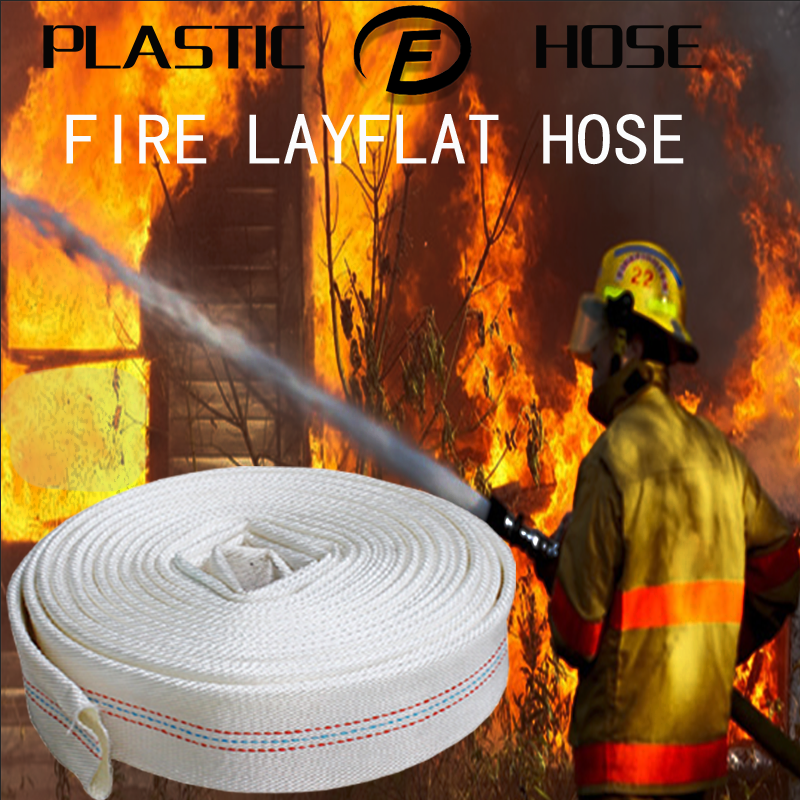
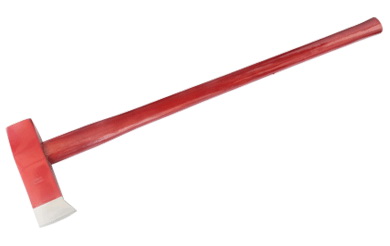
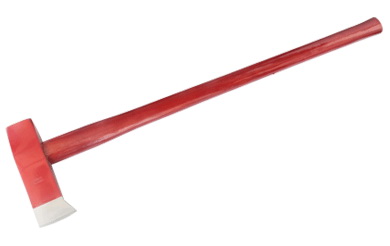
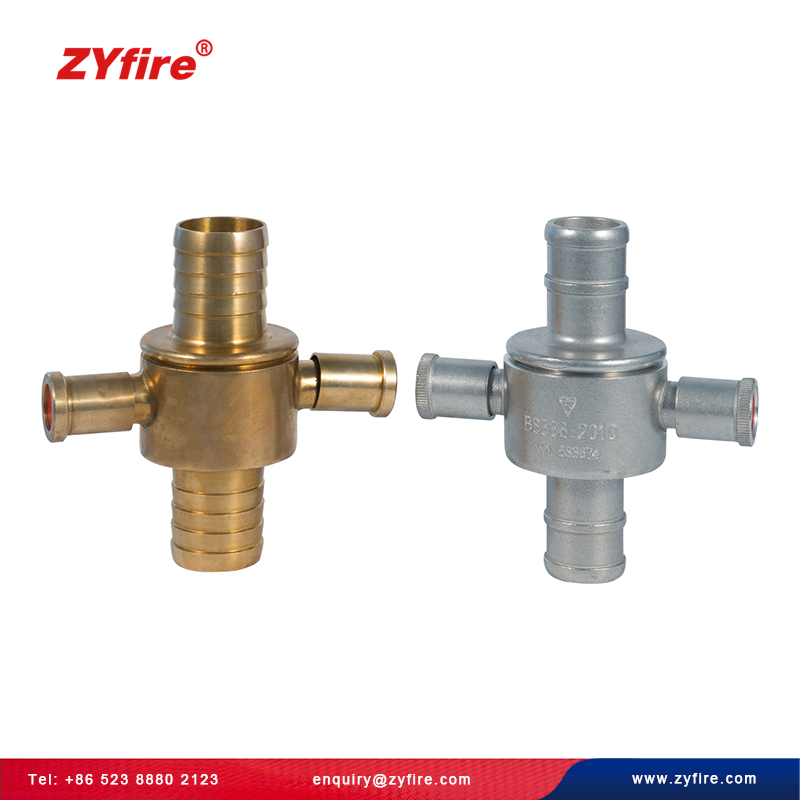
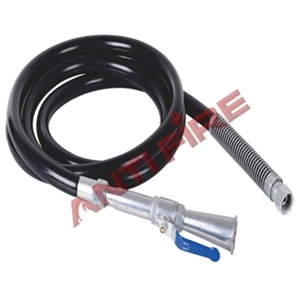
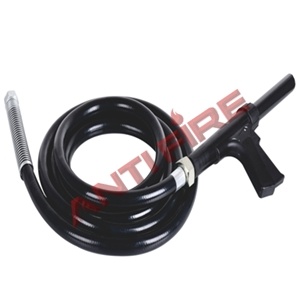
Firefighting Equipment & Accessories
Source reliable Firefighting Equipment & Accessories from vetted suppliers and manufacturers across Asia. Designed for importers, wholesalers, distributors, and safety brands seeking bulk procurement or OEM/private-label production, our network delivers certified gear built for critical performance and compliance.
Sourcing firefighting equipment and accessories in bulk requires balancing extreme reliability with cost-effective manufacturing. Because these are life-safety products, the margin for error is zero. Buyers must navigate regional thread standards, strict material requirements, and rigorous certification frameworks before committing to a production run.
Critical Specifications and Material Selection
The structural integrity of firefighting hardware—such as nozzles, valves, couplings, and wrenches—depends entirely on the raw materials and the manufacturing method. Specifying the wrong alloy or finish can lead to catastrophic failure under high pressure or corrosive environments.
Hardware Materials: Brass vs. Aluminum
| Material | Durability & Corrosion Resistance | Weight Profile | Typical Application |
|---|---|---|---|
| Forged Brass | Excellent (highly resistant to saltwater) | Heavy | Marine, industrial, heavy-duty municipal |
| Extruded Aluminum (6061-T6) | High (requires hardcoat anodization) | Lightweight | Forestry, standard municipal, high-rise |
| Cast Iron / Ductile Iron | Moderate (prone to rust if unpainted) | Very Heavy | Fixed hydrant systems, standpipe connections |
Threading and Connection Standards
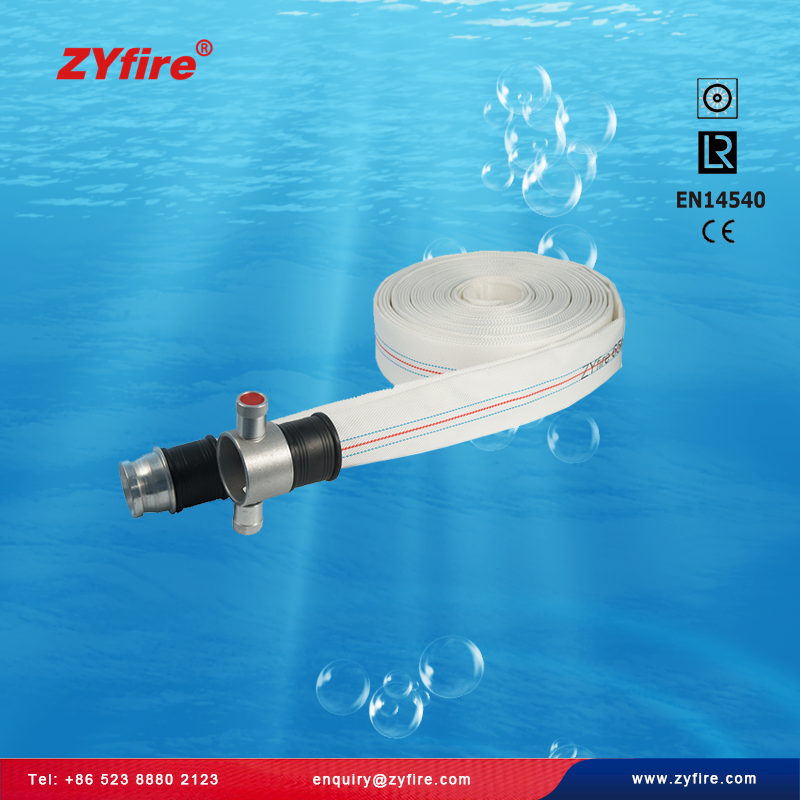
A primary sourcing challenge is ensuring compatibility with local infrastructure. North American markets typically require National Hose (NH) or National Standard Thread (NST), while European and Asian markets often utilize British Standard Pipe (BSP) or sexless quick-connect systems like Storz. When engaging in OEM/ODM Services for custom runs, you must provide exact thread pitch and diameter specifications, as generic "universal" fittings do not exist in high-pressure firefighting.
Sourcing life-safety equipment requires rigorous vetting and precise specifications. Let us connect you with audited manufacturers capable of meeting your exact standards.
Discuss your requirementsManufacturing Tolerances and Quality Control
Quality is won or lost on the factory floor, particularly in the casting and machining phases. Porosity in cast metal is a common defect that compromises burst pressure. High-end manufacturers utilize forging for critical components, which aligns the metal grain structure for superior strength.
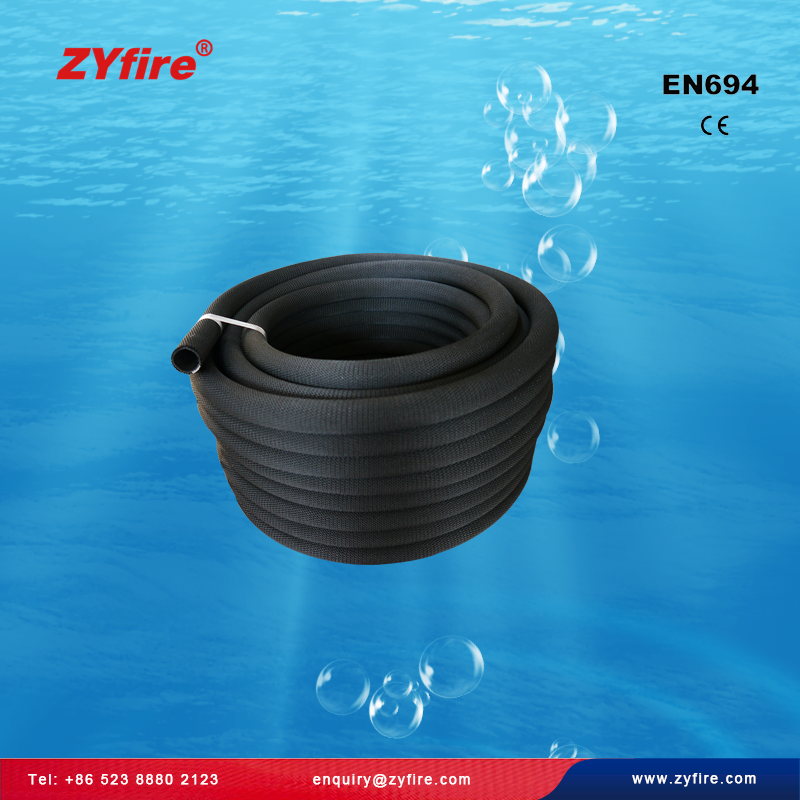
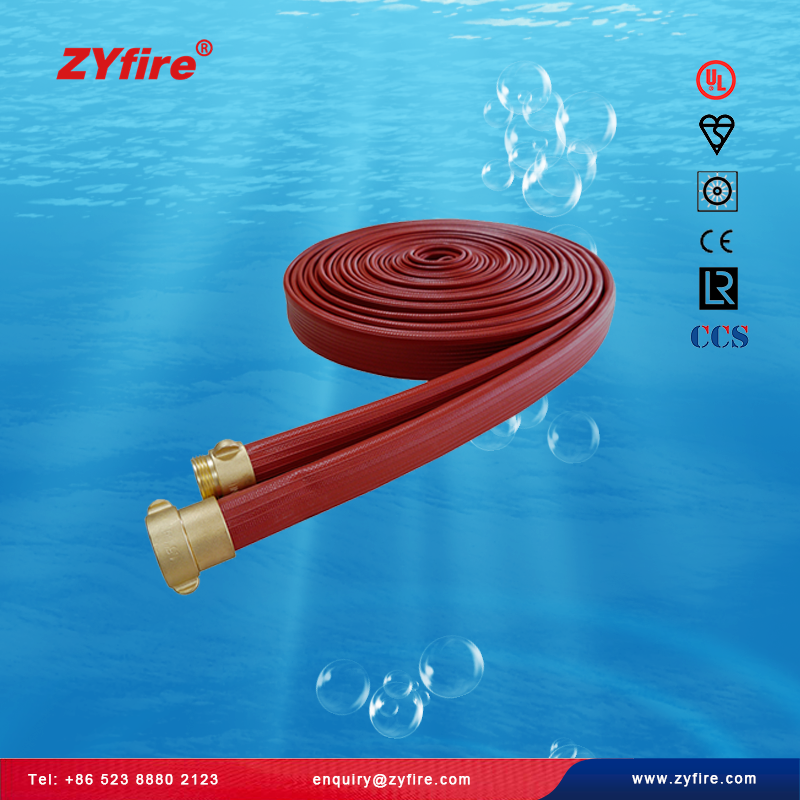
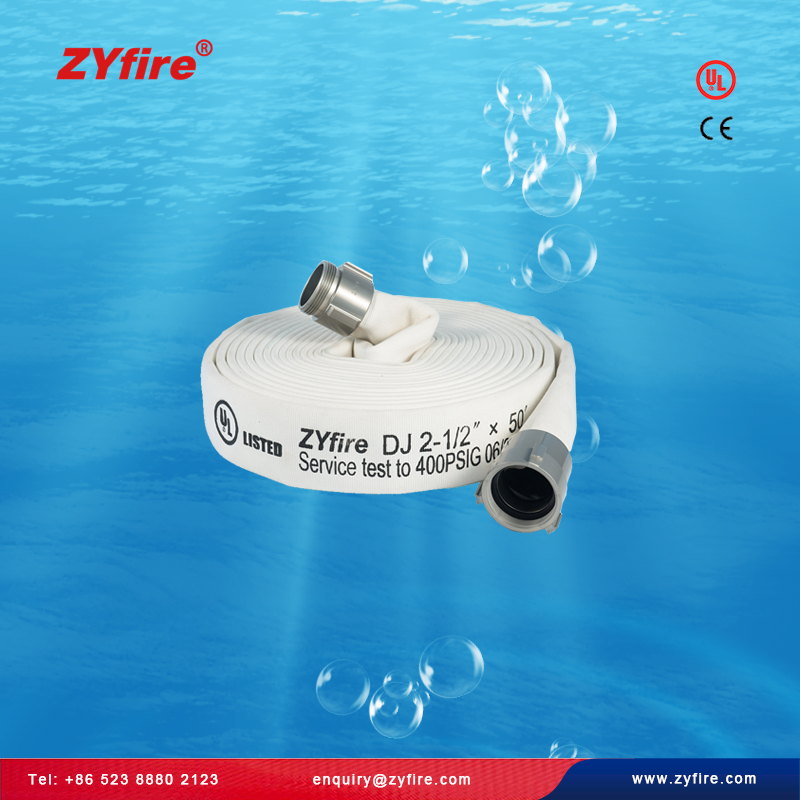
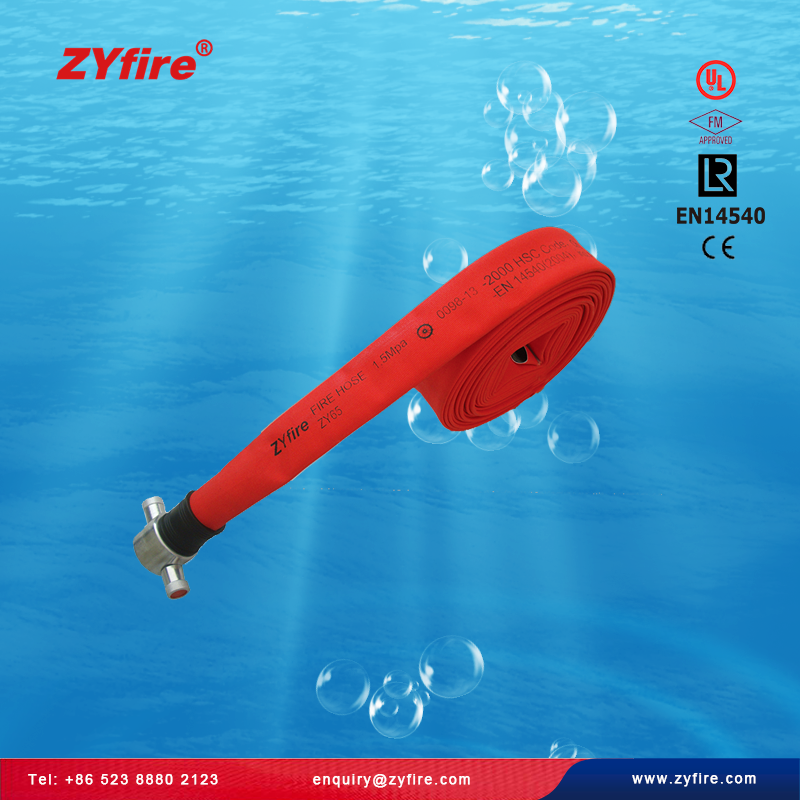
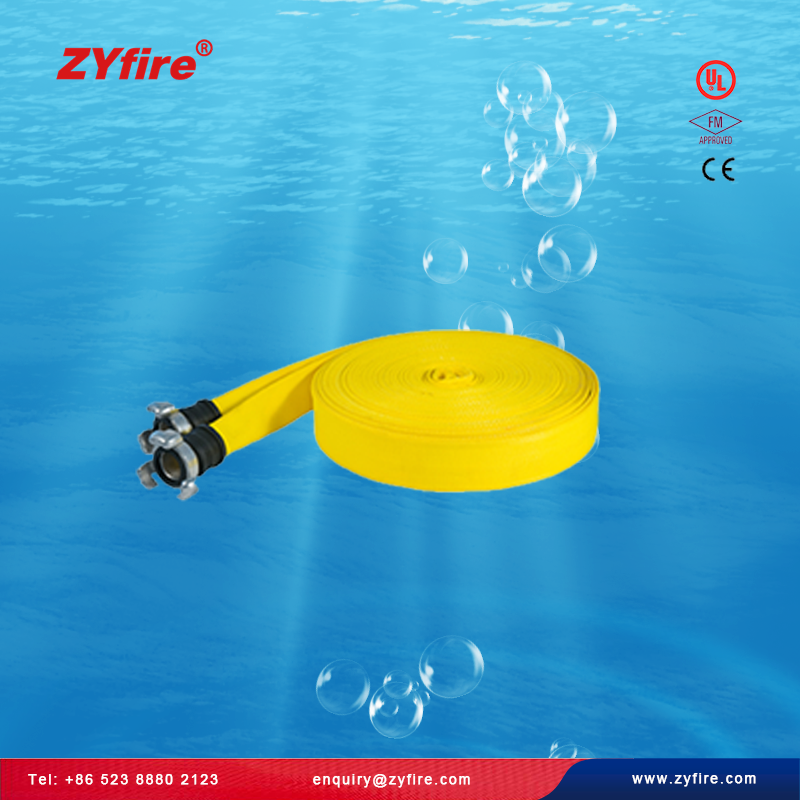
For synthetic components, such as hose liners (EPDM, nitrile rubber) or polycarbonate helmet visors, temperature resistance and UV stability are paramount. Poor vulcanization in hoses leads to delamination between the jacket and the liner.
To mitigate these risks, implementing robust Quality Control & Inspection protocols is non-negotiable.
Pre-Shipment Inspection Checklist for Fire Hardware
- Hydrostatic pressure testing (confirming no leaks at 1.5x to 2x working pressure)
- Thread gauge verification using certified go/no-go gauges
- Hardcoat anodizing thickness measurement (typically mil-spec Type III)
- Visual inspection for casting voids, burrs, or machining defects
- Torque testing on valve handles and swivel joints
Compliance and Certifications
Firefighting equipment is heavily regulated. Depending on your market, products must meet NFPA (National Fire Protection Association) standards, EN (European Norms), or carry UL/FM approvals. Never take a supplier's claimed certifications at face value; verifying test reports through professional Compliance & Testing channels ensures your imported goods will clear customs and meet local regulatory requirements.
MOQs, Lead Times, and Pricing Mechanics
Pricing in this category is highly dependent on raw material costs (copper and aluminum indexes) and the level of precision machining required.
When negotiating with factories, be aware that tooling costs for custom extrusions or specialized forging dies can range from a few hundred to several thousand dollars. Partnering with suppliers who have passed comprehensive Factory Audits ensures they actually own the molds and machinery, rather than subcontracting to lower-tier workshops.
Need customized manufacturing, strict QC oversight, or consolidated shipments? We manage the entire supply chain for high-stakes safety equipment.
Talk to our teamFrequently Asked Questions
Successfully importing firefighting equipment requires moving past surface-level supplier claims and digging into their engineering capabilities, raw material sourcing, and internal testing protocols. By establishing strict specifications and maintaining rigorous oversight at the factory level, buyers can secure reliable, compliant safety gear at scale.
Get Sourcing Help for Firefighting Equipment & Accessories
Tell us your requirements and our experts will connect you with verified manufacturers.