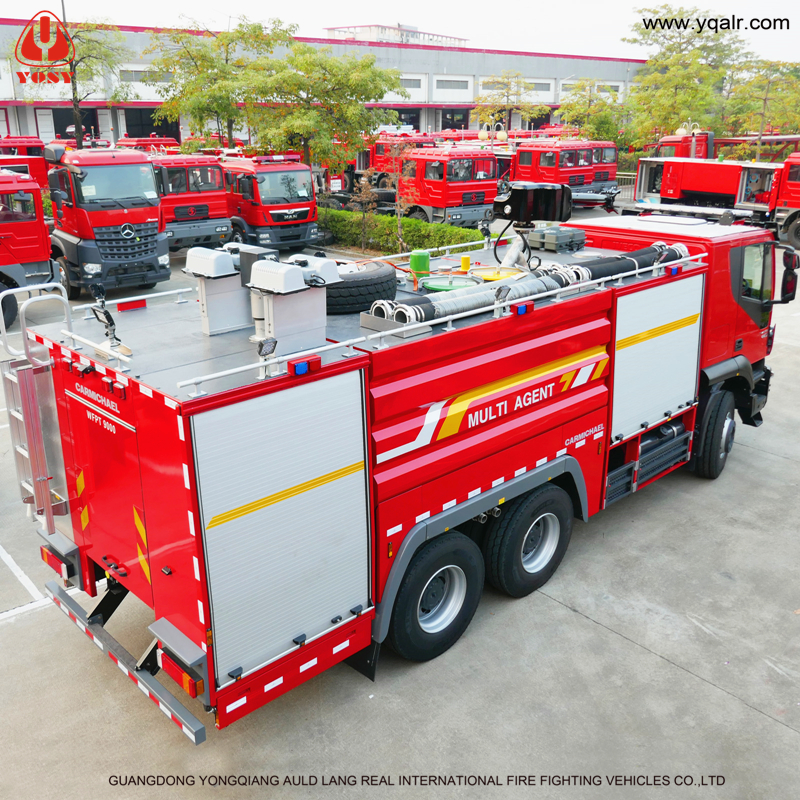
Fire Trucks
Source commercial and industrial Fire Trucks from vetted suppliers and manufacturers across Asia. Designed for municipal procurement managers, heavy vehicle distributors, and industrial safety buyers, our factory-direct network offers reliable OEM and custom-built emergency vehicles for your specific fleet requirements.
Sourcing fire trucks requires balancing heavy-duty chassis capabilities with complex superstructure integration. Whether you are procuring for municipal fleets, airports, or private industrial facilities, the primary challenge lies in ensuring the manufacturer can seamlessly mate high-pressure pumping systems and custom water/foam tanks to commercial chassis without compromising vehicle stability or regulatory compliance.
Chassis Selection and Superstructure Integration
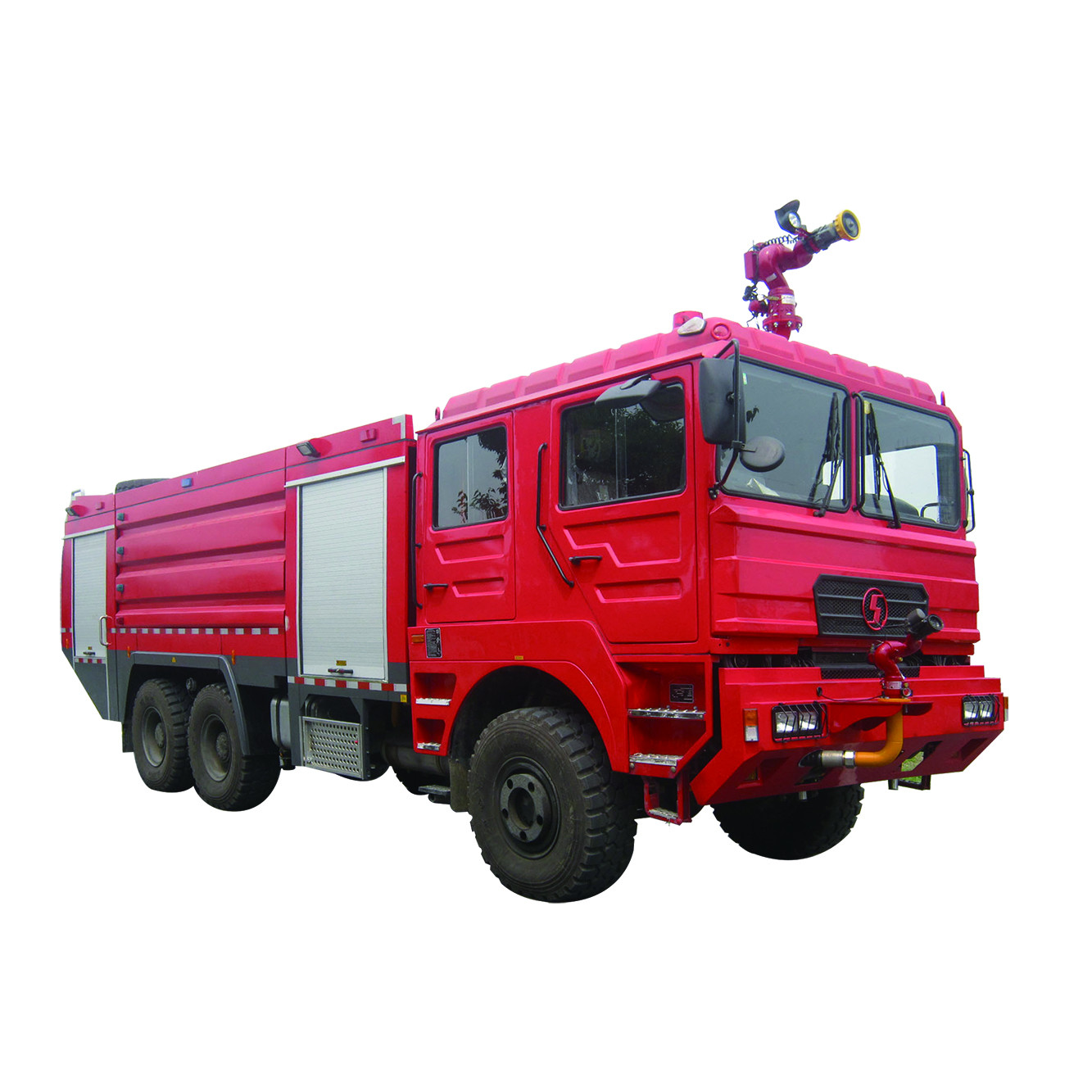
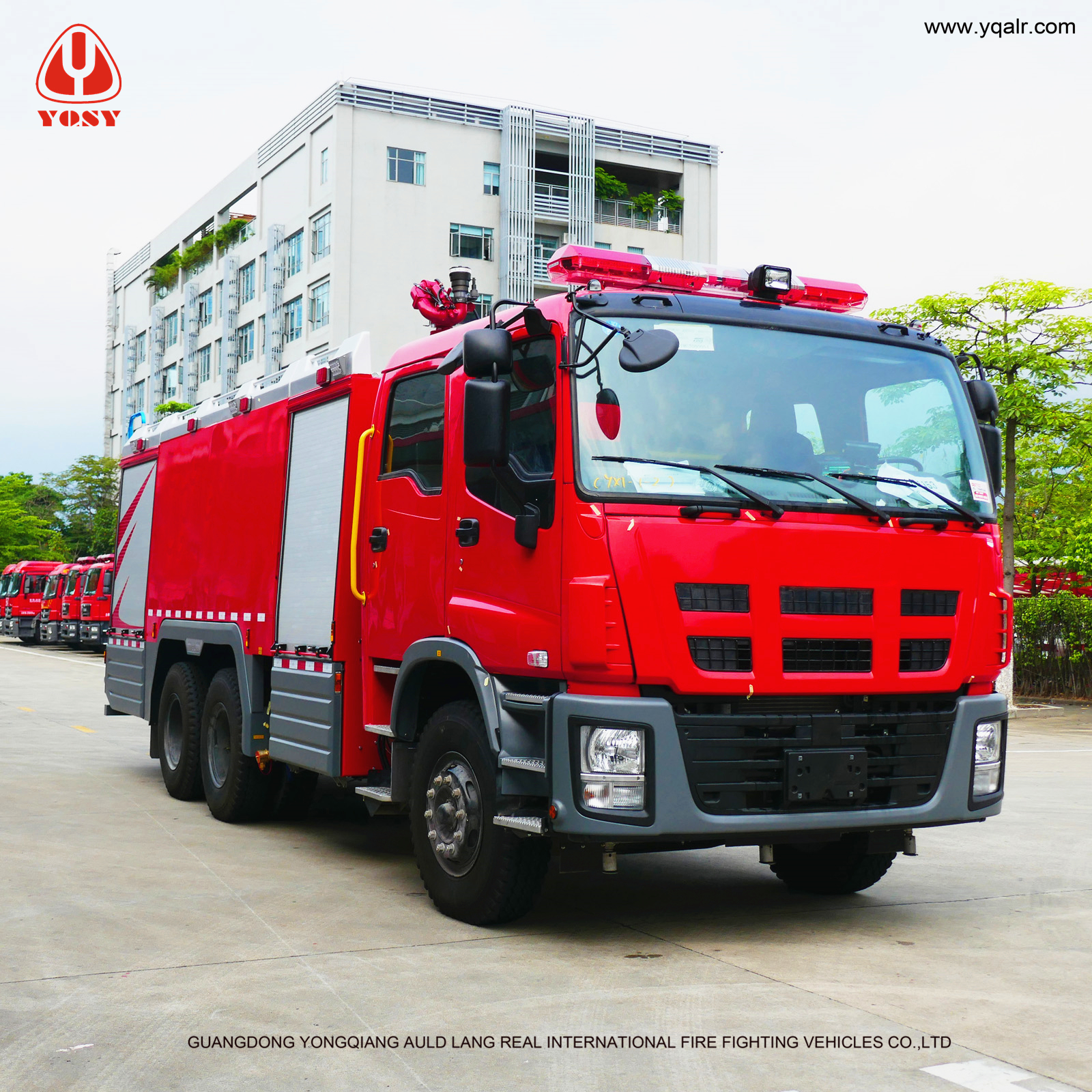
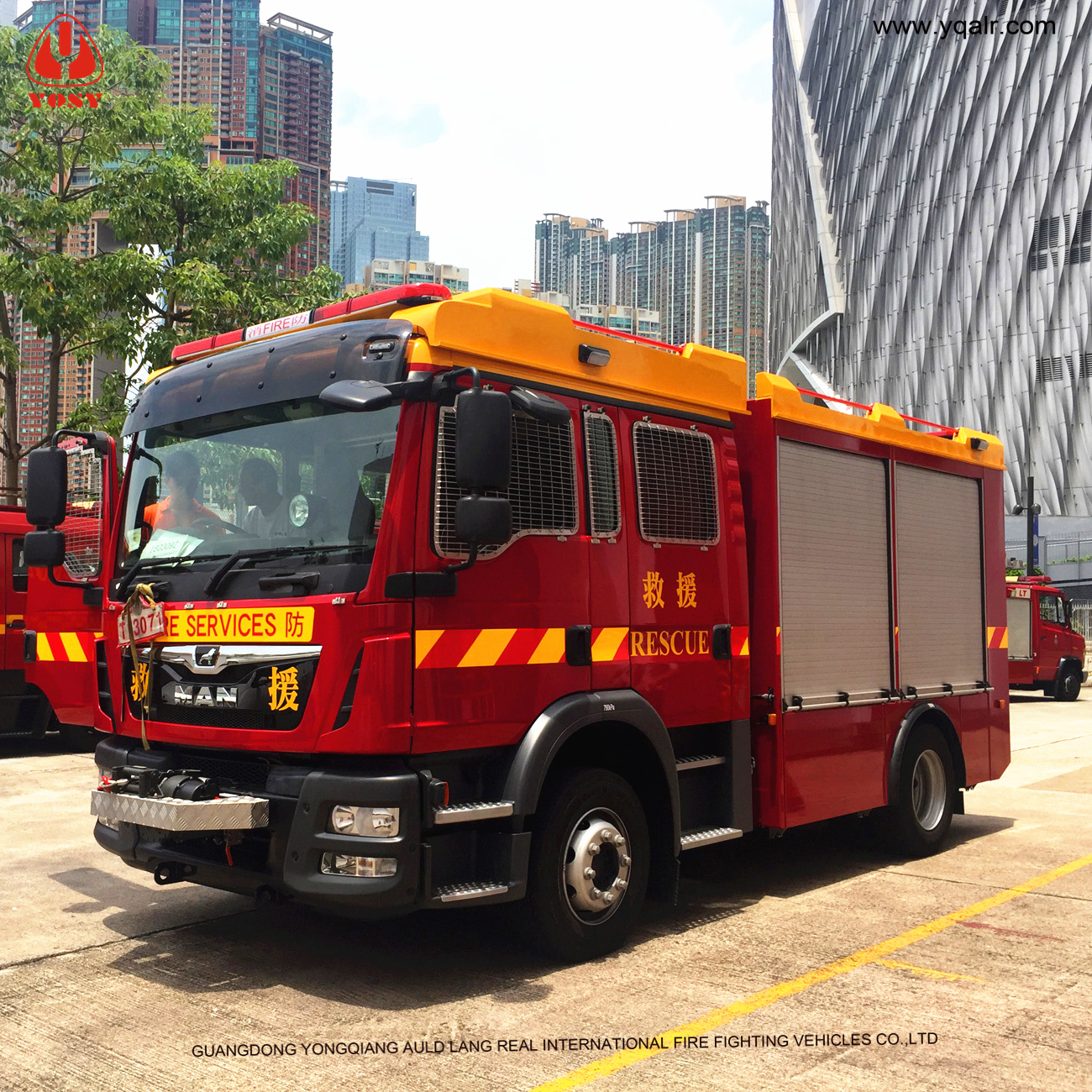
The foundation of any fire apparatus is the commercial chassis. Buyers typically specify a preferred chassis brand (such as Isuzu, MAN, Mercedes-Benz, or Sinotruk) while the overseas factory acts as the superstructure builder. The critical engineering challenge here is the Power Take-Off (PTO) integration. The PTO must be perfectly matched to the chassis transmission and the fire pump. If the PTO ratio is incorrect, the pump will fail to achieve its rated flow capacity at safe engine RPMs, or it will over-torque and damage the transmission.
Weight distribution is another major factor. Water and foam payloads shift dynamically during transit. A poorly engineered superstructure with an incorrect center of gravity can lead to catastrophic rollovers during emergency responses.
Ensure your fire apparatus meets exact technical specifications with our on-the-ground engineering and sourcing support.
Talk to our teamTank Materials and Pumping Systems
The core firefighting capability dictates the materials and components used in the build. When specifying the tank, buyers must weigh longevity against budget and weight limits.
| Tank Material | Corrosion Resistance | Weight Profile | Typical Application |
|---|---|---|---|
| Carbon Steel (Treated) | Low to Moderate | Heavy | Budget municipal, dry climates |
| Stainless Steel (304/316) | High | Moderate | Standard municipal, industrial |
| Polypropylene (PP) | Excellent | Lightweight | Premium fleets, coastal areas |
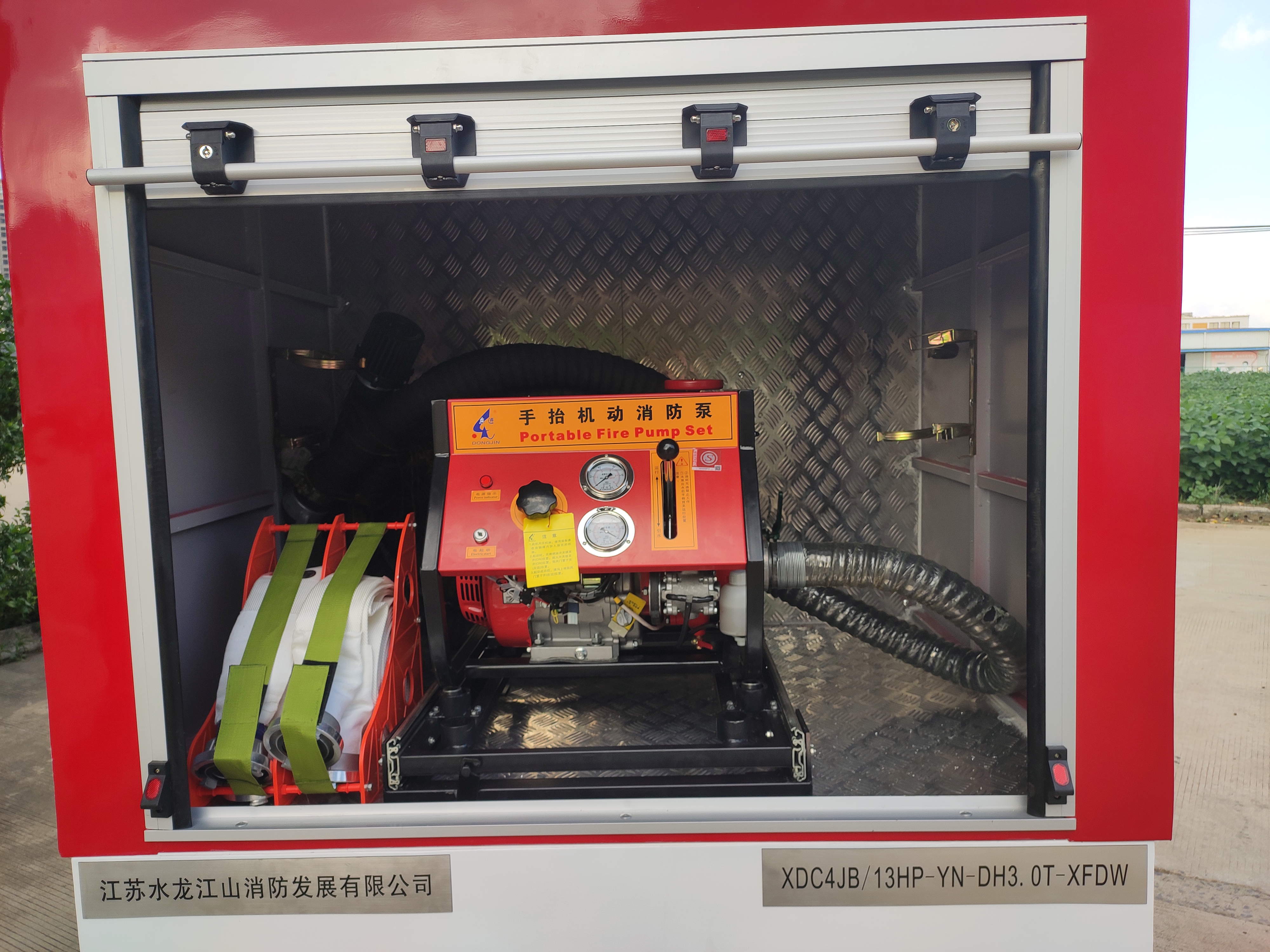
For the pumping system, you must define the required flow rate (measured in Liters Per Minute or Gallons Per Minute) and pressure stages (normal pressure vs. high pressure). Many Chinese manufacturers offer a choice between imported premium pumps (like Darley, Hale, or Rosenbauer) and high-quality domestic equivalents. Imported pumps increase the overall cost and lead time but are often required to meet specific local municipal tender requirements.
Manufacturing Quality and Factory Vetting
Quality control on the factory floor is where a reliable fire truck is separated from a dangerous one. Tank welding is a prime example: tanks must feature robust internal baffles to prevent water surge. Poorly welded baffles will tear under the immense kinetic energy of shifting water, compromising the vehicle's stability.
Before committing to a manufacturer, it is crucial to verify their engineering capabilities and quality management systems. Conducting thorough factory audits ensures the supplier holds the necessary special vehicle manufacturing licenses and ISO certifications.
During production, rigorous quality control & inspection is mandatory. A standard Factory Acceptance Test (FAT) should include:
Critical Factory Acceptance Tests (FAT)
- Hydrostatic tank testing to ensure zero weld leaks under pressure.
- Pump performance testing at draft (verifying maximum lift and flow rates).
- PTO engagement and transmission temperature monitoring under sustained load.
- Electrical system load testing for all emergency lighting and sirens.
- Chassis alignment and gross vehicle weight rating (GVWR) verification.
Depending on your import market, the completed vehicle may also require rigorous compliance & testing to meet local Department of Transportation (DOT) standards or specific fire protection frameworks (like NFPA or EN standards).
Pricing, MOQs, and Lead Times
Because fire trucks are highly customized capital equipment, pricing and timelines vary significantly based on your specifications.
- Minimum Order Quantity (MOQ): The standard MOQ is 1 unit. However, fleet orders of 3 or more units often unlock better pricing on the superstructure fabrication and allow for more efficient shipping consolidation.
- Lead Times: Typical production takes 60 to 120 days. This timeline is heavily dependent on chassis availability. If an imported chassis (e.g., a European-made MAN chassis) must be shipped to the Chinese factory first, add 30 to 45 days to the schedule.
- Pricing Drivers: The chassis accounts for roughly 40 to 60 percent of the total cost. The origin of the fire pump, the tank material (polypropylene being the most expensive), and specialized boom or ladder equipment drive the rest of the price.
Managing heavy vehicle procurement and international RoRo shipping is complex. Let us handle the logistics and quality assurance.
Get a free consultationFrequently Asked Questions
Procuring fire trucks in bulk or for specialized industrial applications demands rigorous specification drafting and uncompromising quality oversight. By tightly controlling the engineering phase and mandating strict performance testing before the vehicle leaves the factory, buyers can secure highly capable emergency apparatus at competitive global prices.
Get Sourcing Help for Fire Trucks
Tell us your requirements and our experts will connect you with verified manufacturers.