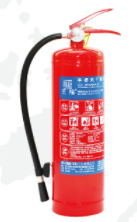
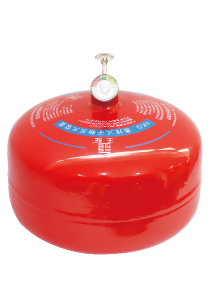
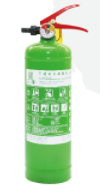
Fire Extinguishers
Source commercial and industrial fire extinguishers from vetted suppliers and manufacturers across Asia. Designed for wholesale distributors, safety equipment importers, and brands seeking reliable OEM production, our bulk sourcing solutions ensure strict adherence to international safety certifications and performance standards.
Sourcing fire extinguishers requires navigating a highly regulated manufacturing landscape where component failure is simply not an option. Buyers must ensure factories maintain strict control over cylinder metallurgy, valve assembly, and extinguishing agent purity while consistently meeting regional compliance mandates.
Cylinder Metallurgy and Valve Specifications
The core of any fire extinguisher is its pressure vessel and the discharge valve. Buyers must specify exact materials and manufacturing methods, as these dictate both the unit's lifespan and its ability to pass regulatory burst tests.
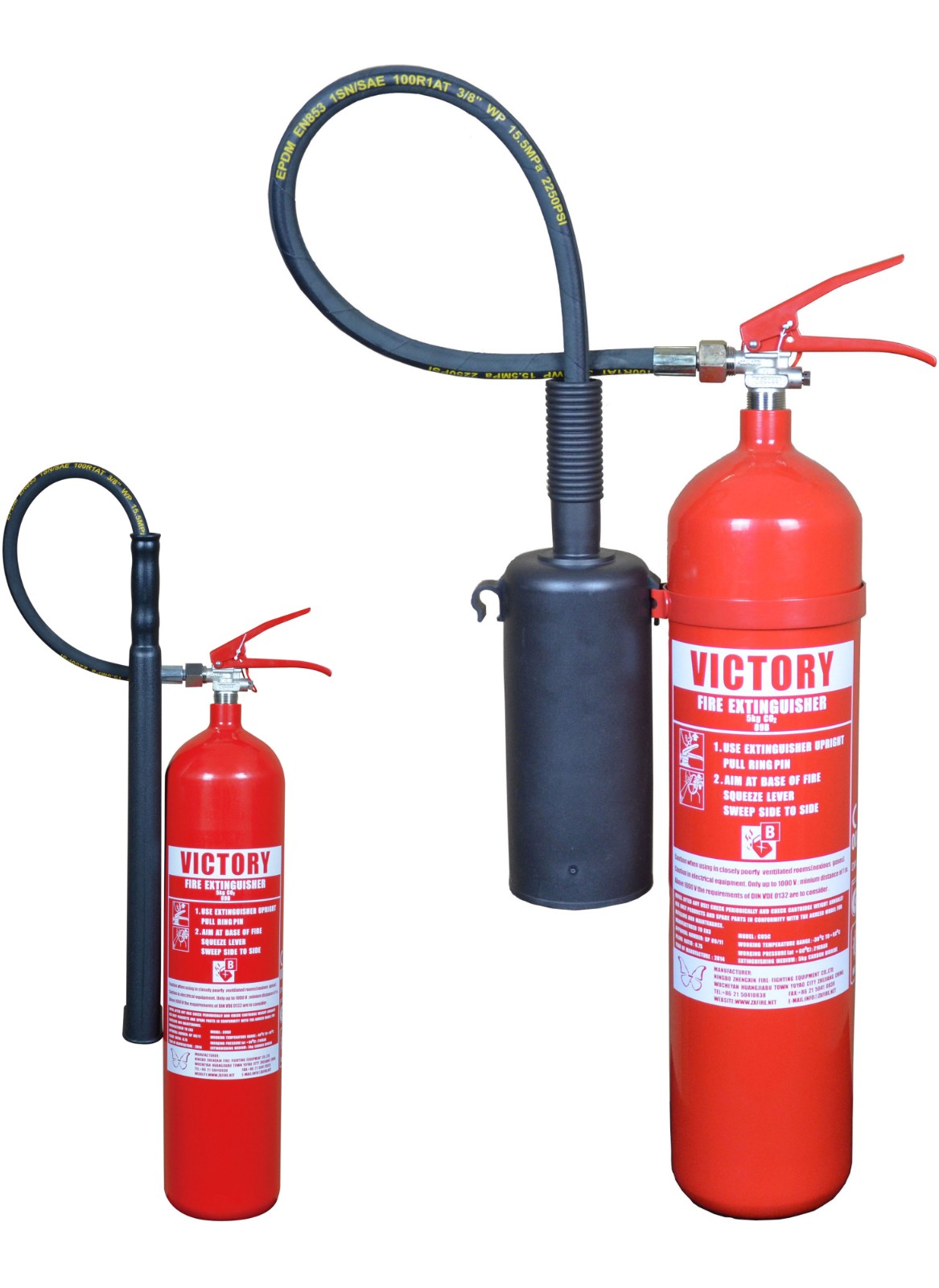
Cylinders are typically cold-rolled steel (for dry chemical and foam) or seamless aluminum/alloy steel (for CO2). For steel cylinders, the quality of the deep drawing process and the integrity of the automated MIG welding seams are critical. If the factory uses substandard steel with high carbon content, the cylinder becomes brittle and prone to catastrophic failure under pressure.
Valves are the most common point of failure. While aluminum valves reduce weight and cost, forged brass valves are the industry standard for commercial-grade units due to their superior durability and resistance to thread stripping.
| Specification | Standard Commercial | Industrial / Heavy Duty |
|---|---|---|
| Valve Material | Aluminum alloy or standard brass | Forged brass with nickel plating |
| Cylinder Fabrication | Welded cold-rolled steel | Seamless aluminum or high-gauge steel |
| O-Rings & Seals | Standard NBR | High-grade EPDM (temperature resistant) |
| Corrosion Protection | Standard polyester powder coat | Epoxy primer + UV-resistant polyester coat |
Manufacturing Controls and Factory Floor Realities
A supplier's true capability is revealed on their testing line. Every single cylinder must undergo hydrostatic testing to verify it can withstand pressures well above its normal operating range. Furthermore, helium leak detection systems should be in place to ensure the assembled unit will not lose pressure over its multi-year shelf life.
When evaluating a manufacturer, look beyond their production capacity and examine their in-house testing facilities. Relying on factory audits is essential to verify that pressure testing equipment is properly calibrated and actively used, rather than just functioning as a showpiece for visitors.
Need to verify a fire extinguisher manufacturer's testing capabilities? We can deploy engineers to audit their facilities.
Talk to our teamCritical Quality Control Checkpoints
Effective quality control & inspection for pressure vessels must include both in-line and pre-shipment verification.
Essential QC Verifications
- Hydrostatic burst testing on random samples from every production batch.
- Helium mass spectrometry to verify valve-to-cylinder seal integrity.
- Powder coating thickness measurement (minimum 70 microns) to prevent external corrosion.
- Extinguishing agent chemical analysis (e.g., verifying exact MAP percentage in ABC dry chemical).
- Siphon tube length and material verification to ensure complete agent discharge.
Compliance, Certification, and Hazardous Freight
Fire extinguishers are heavily regulated. In the US, UL certification is the gold standard; in Europe, it is the EN3 standard and CE marking (specifically the Pressure Equipment Directive). A common sourcing trap is assuming a factory's ISO 9001 certificate or a previous client's CE mark applies to your custom order. Certifications are often tied to specific factory-agent-valve combinations. Rigorous compliance & testing must be managed for your specific SKU.
Additionally, shipping filled fire extinguishers classifies them as Class 2.2 Hazardous Materials (Non-flammable compressed gas). This limits freight options, increases shipping costs, and requires specialized customs documentation. Many high-volume importers choose to ship empty cylinders and valves, filling and pressurizing them domestically to bypass hazardous freight restrictions and reduce international shipping costs.
Pricing, MOQs, and Lead Times
Pricing in this category is highly dependent on the extinguishing agent's chemical purity (e.g., 40 percent vs. 90 percent Monoammonium Phosphate for ABC extinguishers), raw metal costs, and the level of certification required.
For brands utilizing OEM/ODM services, customizing the cylinder color, silk-screened labeling, and packaging will typically push MOQs toward the higher end of the spectrum.
Struggling with hazardous freight logistics or OEM certification transfers? Let our sourcing experts streamline your supply chain.
Get a free consultationFrequently Asked Questions
Successful procurement of fire safety equipment demands technical vigilance from the factory floor to final delivery. By strictly defining material specifications and maintaining rigorous oversight of assembly and testing procedures, importers can secure reliable, compliant products that protect both end-users and brand reputation.
Get Sourcing Help for Fire Extinguishers
Tell us your requirements and our experts will connect you with verified manufacturers.