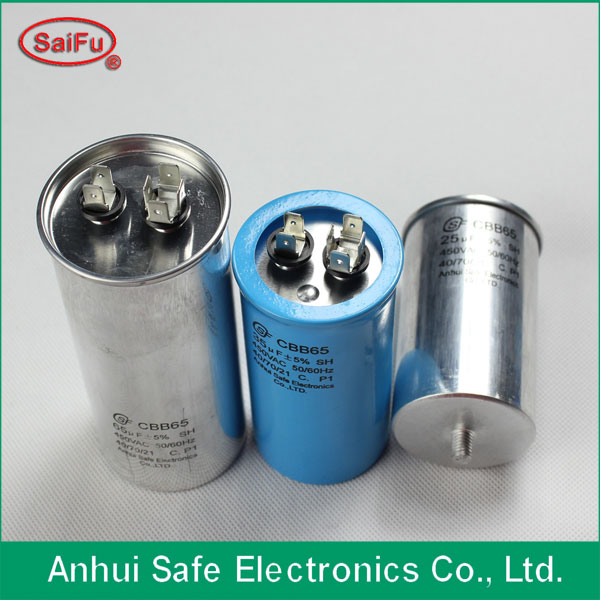
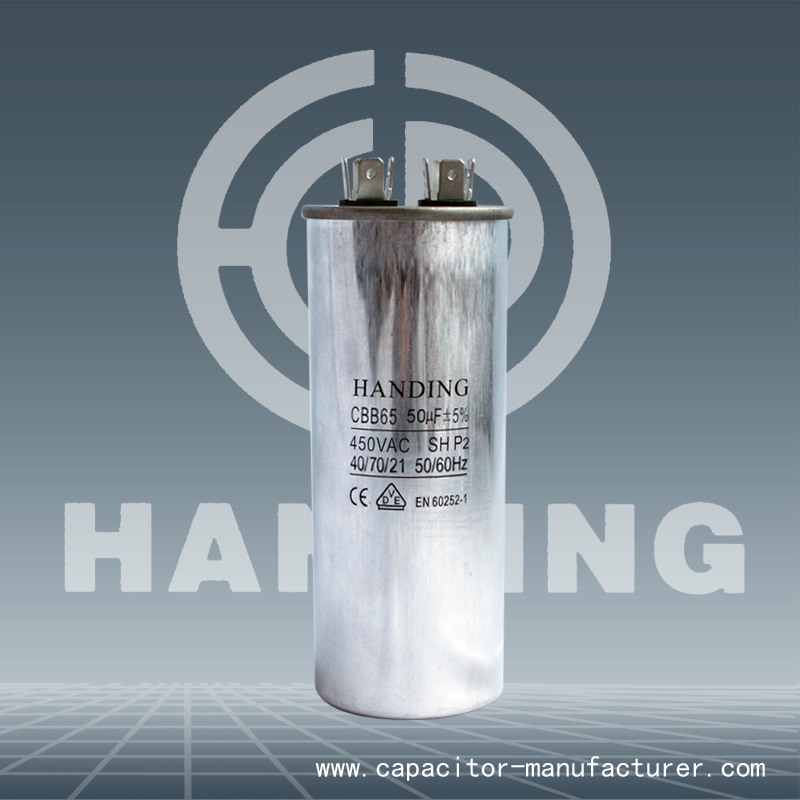
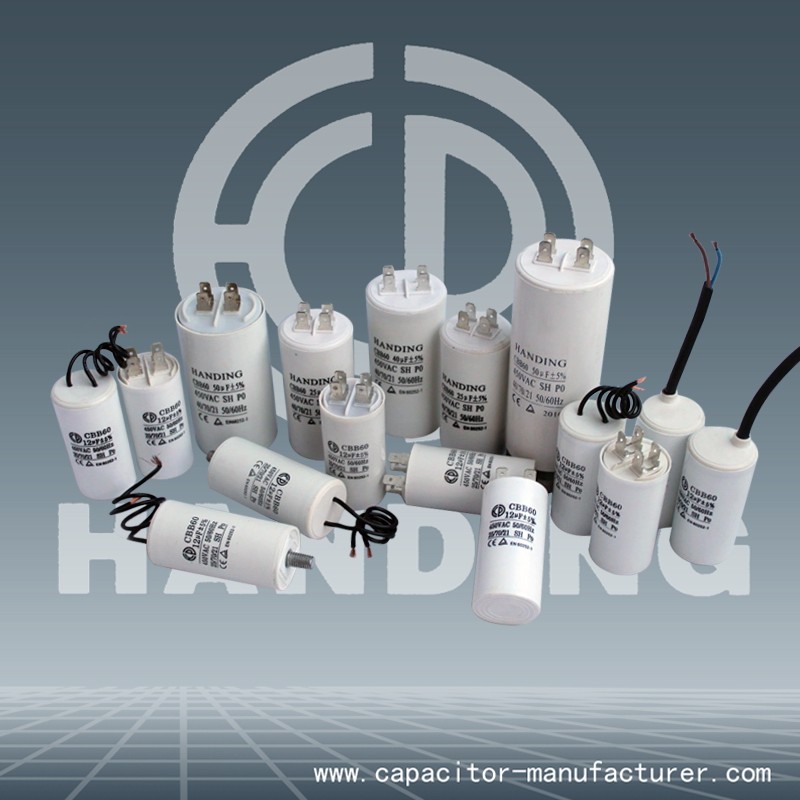
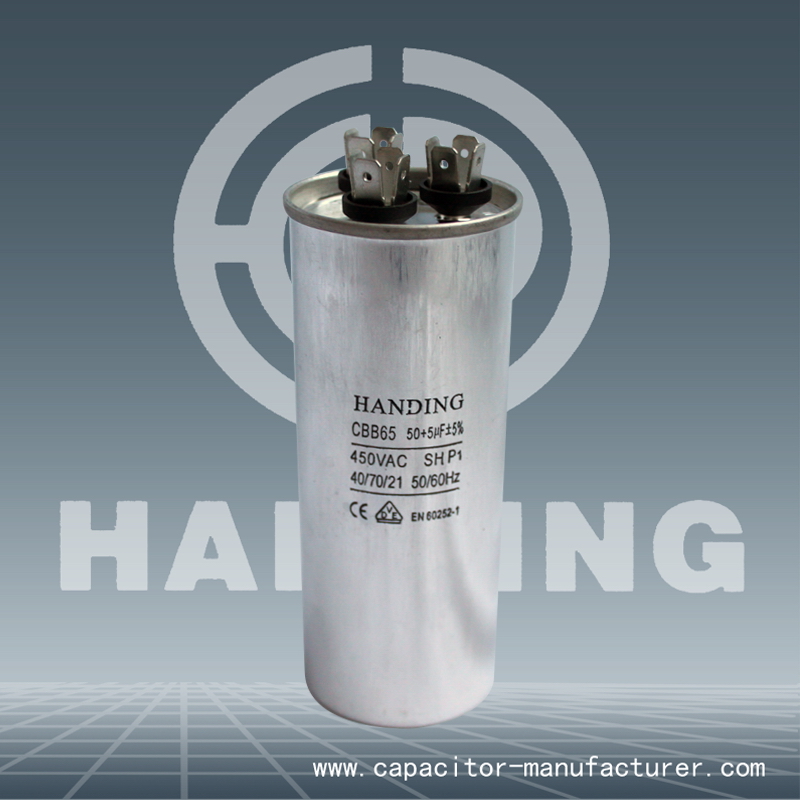
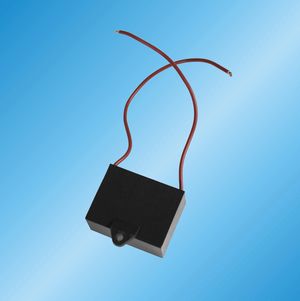
Film Capacitors
Source high-performance film capacitors in bulk from vetted manufacturers and suppliers. Designed for importers, wholesale distributors, and electronics brands, our network supports volume procurement and custom OEM production. Ensure stable supply, strict compliance, and competitive pricing for your passive component needs.
Procuring film capacitors at scale requires balancing precise electrical characteristics with strict footprint constraints and cost targets. Because these components are fundamental to power electronics, lighting ballasts, motor runs, and interference suppression, substandard dielectrics or poor epoxy sealing can lead to catastrophic board failures. For volume buyers, the challenge lies in identifying manufacturers who maintain strict environmental controls during the winding and metallization processes, ensuring consistent self-healing properties and long-term reliability.
Specifying Film Capacitors for Production
When engaging factories, vague specifications result in unacceptable variance across production batches. You must define the exact mechanical and electrical parameters required for your PCB assembly.
| Dielectric Material | Key Characteristics | Typical Applications |
|---|---|---|
| Polyester (PET) | High dielectric constant, highly compact footprint, good thermal stability | General purpose bypassing, coupling, decoupling |
| Polypropylene (PP) | Low dissipation factor, minimal moisture absorption, excellent high-frequency response | Snubber circuits, high-current, resonant converters, AC applications |
| Polyphenylene Sulfide (PPS) | Exceptional temperature stability, tight capacitance tolerance | Precision timing circuits, high-temperature automotive applications |
Beyond the dielectric material, your RFQ must explicitly state:
- Capacitance and Tolerance: Typically ranging from J (plus or minus 5 percent) to K (plus or minus 10 percent). Tighter tolerances drastically reduce the pool of capable suppliers.
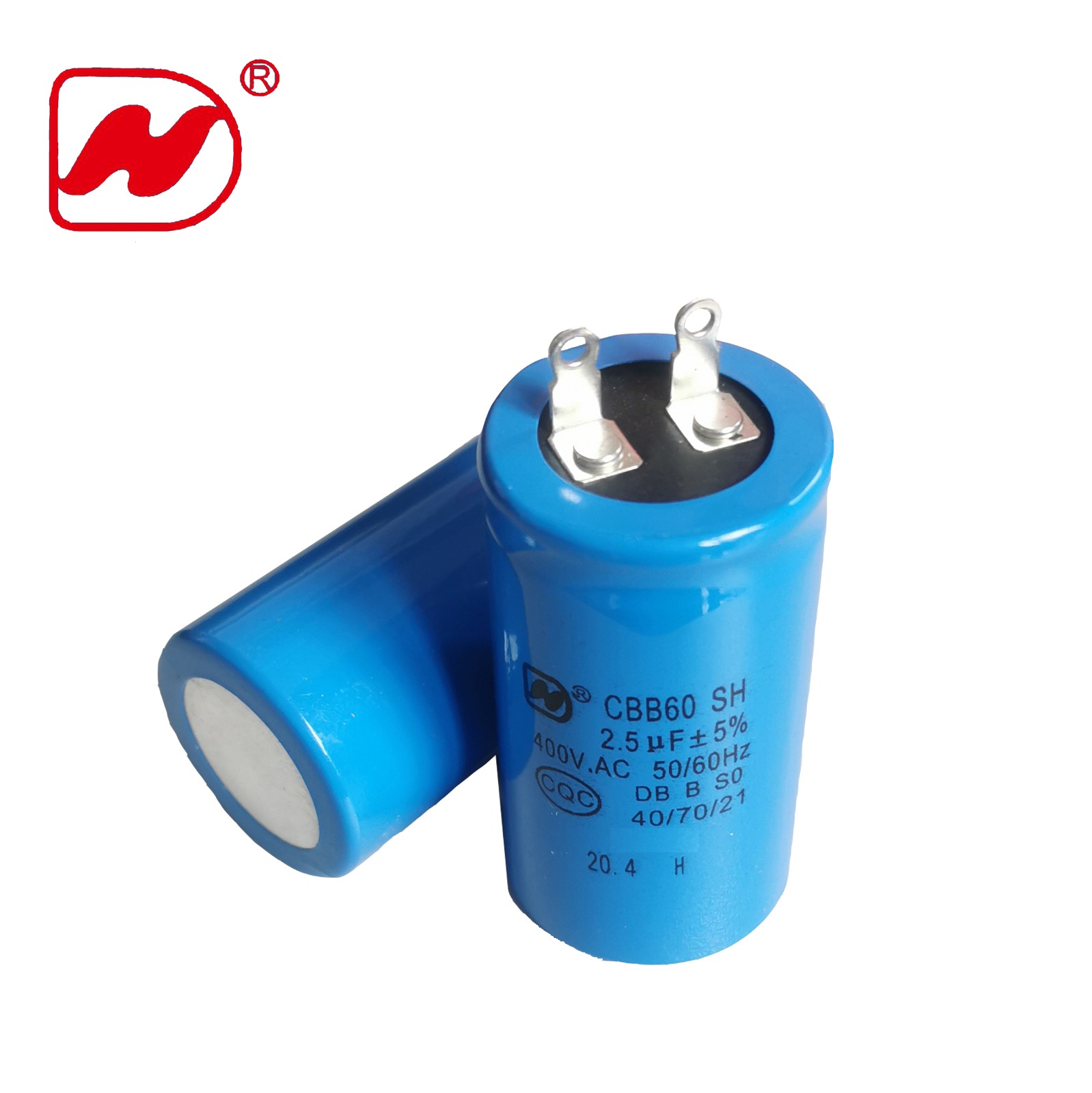
- Voltage Ratings: Clearly separate DC and AC voltage requirements. A capacitor rated for 400V DC is not inherently safe for 400V AC.
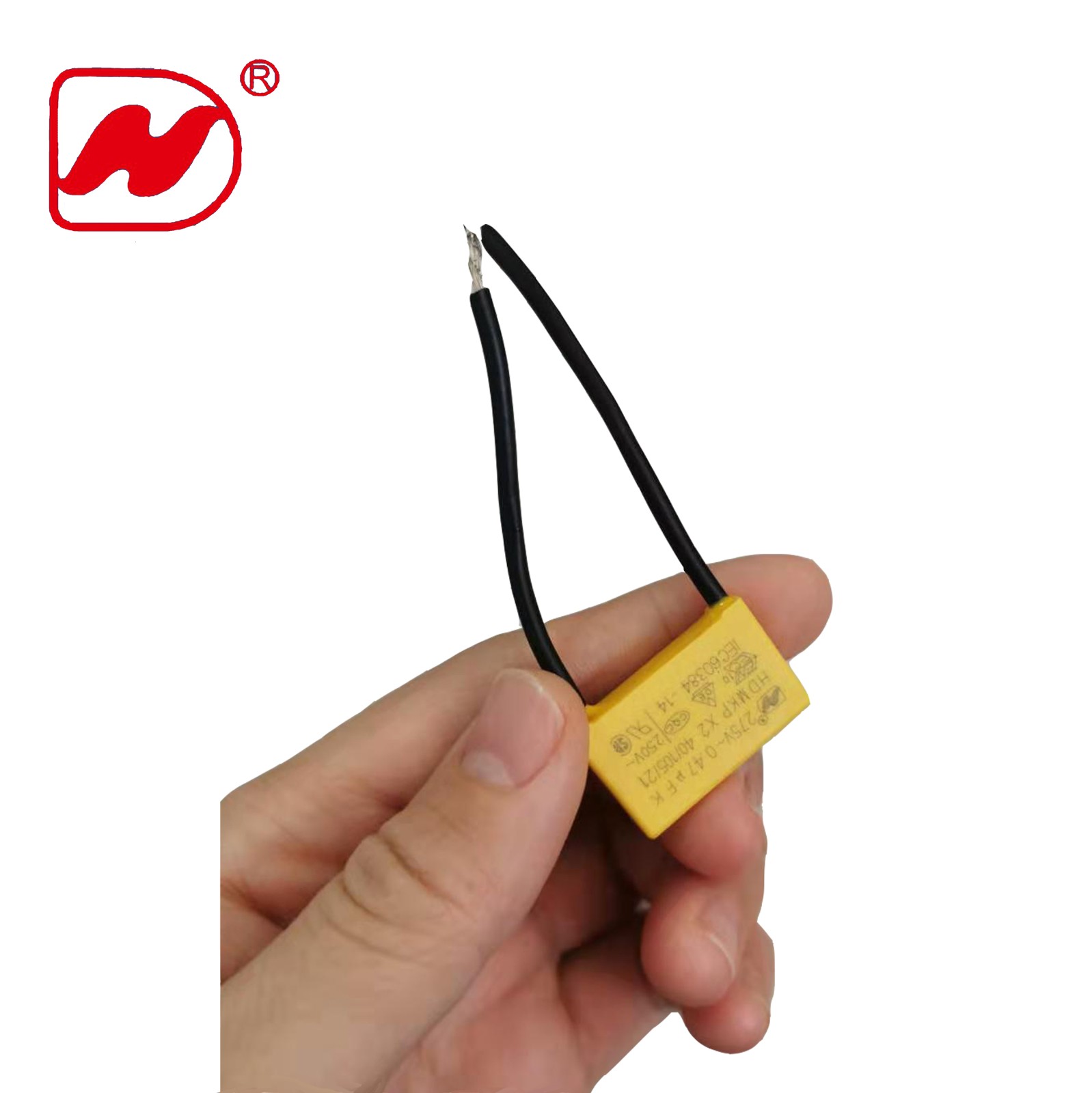
- Pitch and Form Factor: Box-type (radial) vs. dip-coated. Ensure the lead pitch matches your automated insertion equipment exactly.
- Self-Healing Capability: Specify the requirement for metallized film (MKP/MKT) if the circuit is subject to voltage transients.
Need to match stringent dielectric specifications with a vetted, high-capacity manufacturer?
Talk to our teamManufacturing Variables and Defect Prevention
The reliability of a film capacitor is largely determined on the factory floor. Variations in film tension during winding, inconsistent metallization thickness, or improper epoxy curing can compromise the component's lifespan.
When evaluating a supplier's production line, look for automated winding machines with active tension control. If the film is wound too tightly, the dielectric can thin out, lowering the breakdown voltage. If wound too loosely, air pockets form, leading to corona discharge and premature failure.
Critical Factory-Level Quality Controls
- Dust-free, climate-controlled winding environments to prevent microscopic contamination.
- Automated clearing (self-healing test) processes applied to 100 percent of the batch.
- Vacuum-assisted epoxy sealing to eliminate air voids in box-type and dip-coated capacitors.
- Lot traceability linking raw film rolls to finished capacitor batches.
Relying solely on final testing is risky. Implementing strict quality control during the metallization and winding phases is the only way to catch systemic defects before the components are encapsulated.
Safety Certifications and Compliance
If you are sourcing interference suppression capacitors (Class X and Class Y), regulatory compliance is non-negotiable. These capacitors connect directly across the AC line, meaning a failure could result in fire or lethal shock.
Verify Safety Approvals
Never accept a supplier's claim of "UL compliant" without verifying the actual certificate number. Class X1/X2 and Y1/Y2 capacitors must carry recognized agency approvals (UL, ENEC, VDE, CQC) stamped directly on the component body.
Counterfeit safety marks are a known issue in the lower tiers of the component supply chain. Integrating rigorous compliance testing into your procurement process ensures that the components you import meet the legal standards of your target market.
Pricing, MOQs, and Lead Times
The global market for passive components fluctuates based on raw material costs (particularly specialized polymer films) and regional electronics manufacturing demand.
Pricing is heavily dependent on the dielectric material and the physical size of the capacitor. While standard PET film capacitors are highly commoditized and driven by volume pricing, specialized high-voltage PP or PPS capacitors command a significant premium. When negotiating long-term supply contracts, conducting thorough factory audits is crucial to verify that the supplier has the actual capacity to meet your volume requirements without subcontracting to unvetted facilities.
Optimize your component supply chain with direct access to audited manufacturers and transparent pricing.
Get a free consultationSecuring a reliable supply of film capacitors requires more than just comparing unit prices; it demands a deep understanding of dielectric properties, rigorous factory oversight, and strict compliance verification. By executing a highly structured product sourcing strategy, you can eliminate substandard components and build a resilient supply chain for your production lines.
Get Sourcing Help for Film Capacitors
Tell us your requirements and our experts will connect you with verified manufacturers.