Fiber Opening Machines
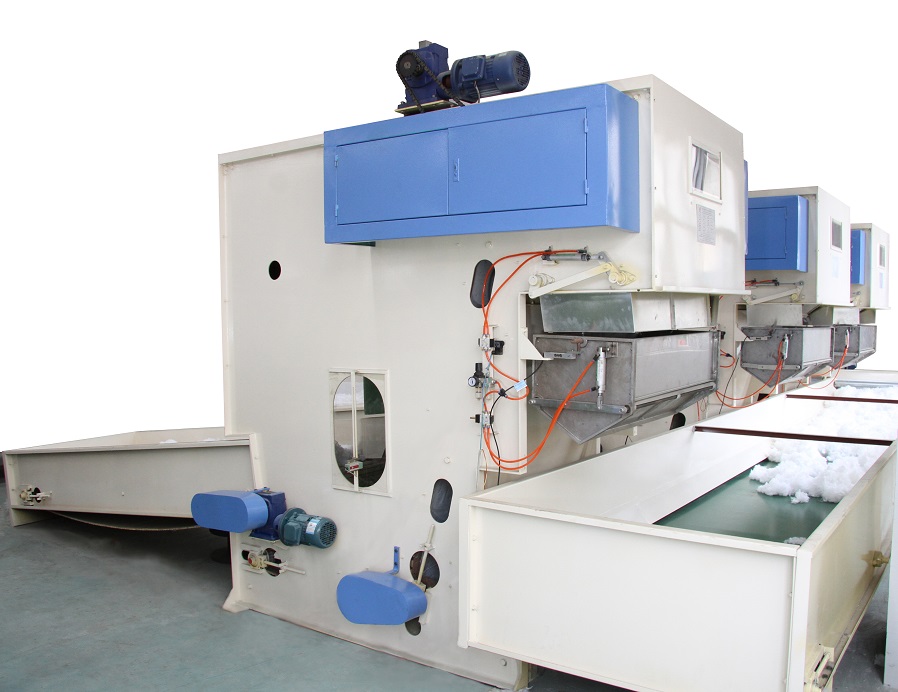
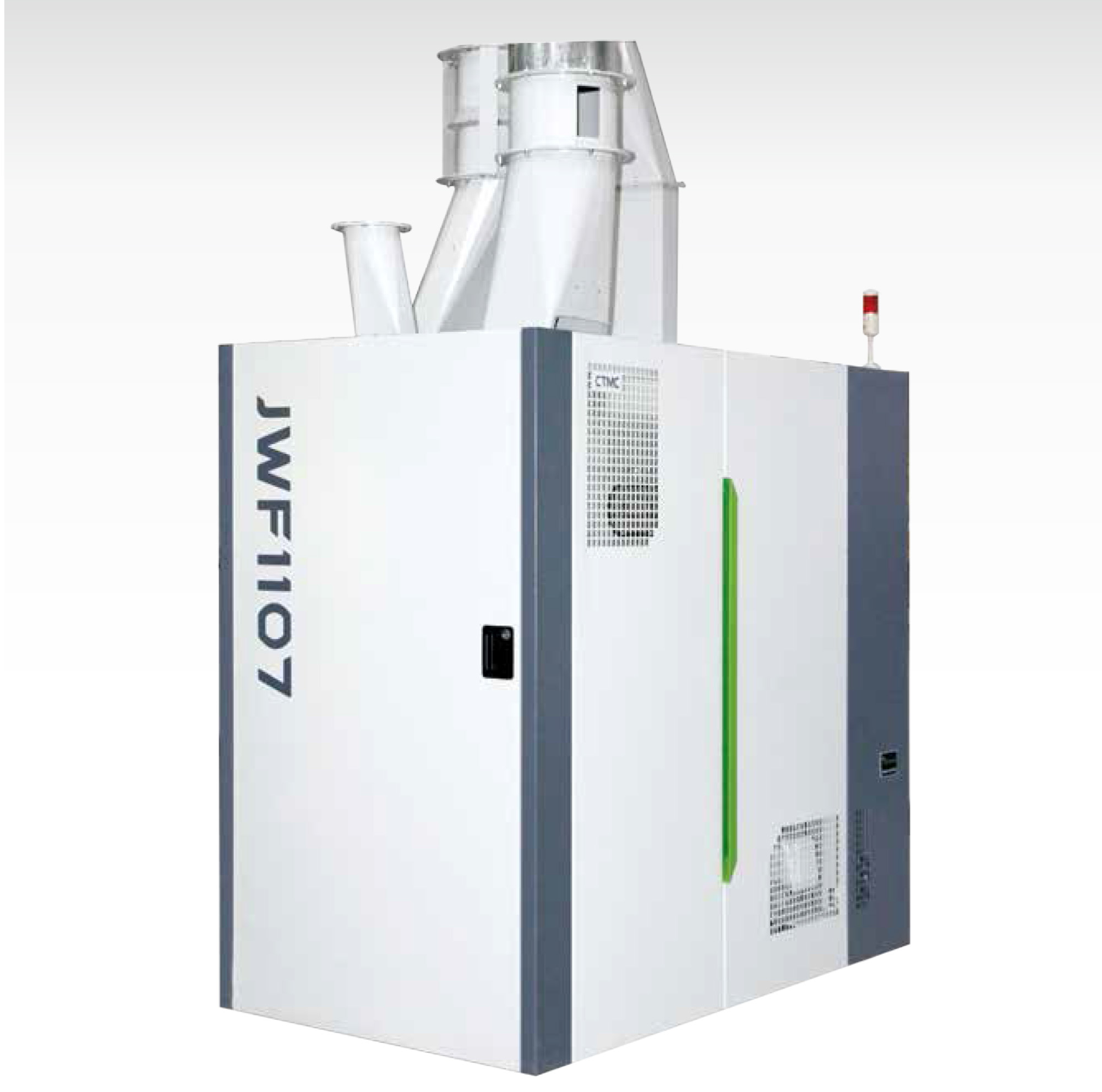
Source industrial fiber opening machines directly from vetted Chinese manufacturers and suppliers. Designed for textile importers, machinery distributors, and production facilities, our wholesale network offers reliable, high-capacity machinery for processing raw, synthetic, and recycled fibers at scale.
Fiber opening machines dictate the efficiency of downstream processes in non-woven, spinning, and filling production lines. Whether processing virgin polyester, raw cotton, or recycled textile waste, the sourcing challenge lies in balancing aggressive throughput with fiber integrity. Procuring industrial machinery overseas requires strict verification of component quality, machining tolerances, and electrical safety standards to ensure continuous, maintenance-light operation on your factory floor.
Defining Machine Specifications for Your Production Line
When negotiating with manufacturers, specifying the correct machine parameters is critical. Off-the-shelf models often feature generic motors and standard roller configurations that may not withstand heavy-duty, multi-shift operations or highly compressed bale materials.
| Parameter | Standard Duty (Filling/Bedding) | Heavy Duty (Spinning/Non-Woven) |
|---|---|---|
| Throughput Capacity | 150 to 350 kg/hr | 500 to 1,000+ kg/hr |
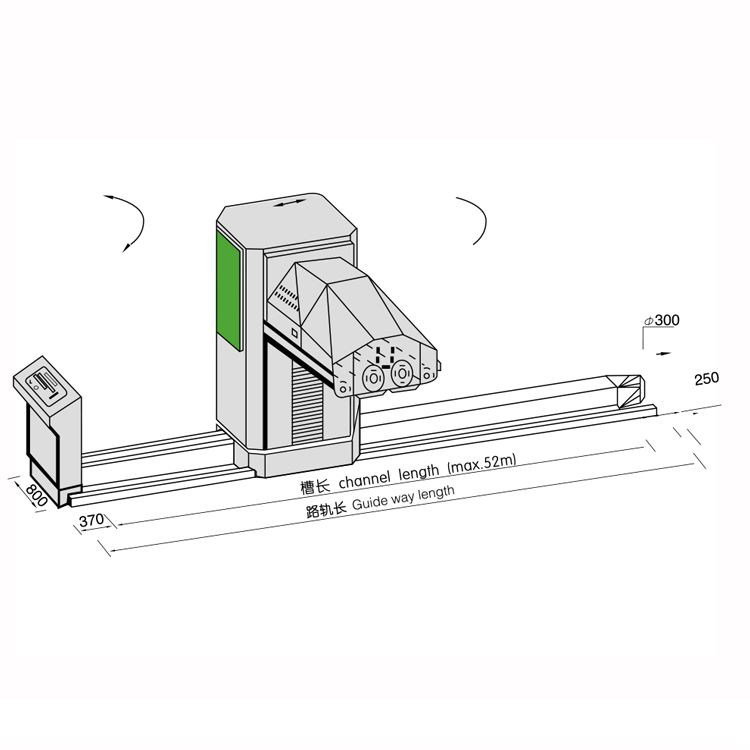
| Working Width | 800 mm to 1,000 mm | 1,000 mm to 1,500+ mm |
| Opening Rate | Up to 98 percent | 99 percent or higher |
| Motor Power | 4 kW to 7.5 kW | 11 kW to 22+ kW |
Ensure you are sourcing machinery built to handle your specific fiber types and capacity requirements. Our technical sourcing team can match your exact parameters with capable manufacturers.
Discuss your machine specsCritical Components and Build Quality
The lifespan of a fiber opening machine is largely determined by its internal mechanics. Many lower-tier suppliers assemble machines using off-the-shelf parts that degrade quickly under the abrasive stress of continuous fiber processing.
- Licker-in Rollers and Wire Clothing: The core of the machine. The density, angle, and metallurgical quality of the V-wire or pins dictate how well the machine opens fiber without breaking the staple length. High-carbon steel with specialized hardening is necessary for longevity.
- Drive Systems: Insist on branded motors (e.g., Siemens, ABB) and reliable frequency inverters (e.g., Delta, Yaskawa) for variable speed control. Generic motors are prone to overheating in dusty environments.
- Dynamic Balancing: The main opening rollers operate at high speeds (often exceeding 1,200 rpm). Poor dynamic balancing causes severe vibration, leading to premature bearing failure and structural fatigue. Conducting comprehensive factory audits before placing an order is the best way to verify a supplier's machining and balancing capabilities.
Factory Acceptance Testing (FAT) and Quality Control
Never ship industrial machinery without rigorous pre-shipment verification. Standard visual checks are insufficient; the machine must be powered on and tested with your specific raw material.
Pre-Shipment Inspection Protocol for Fiber Openers
- Verify dynamic balancing of all high-speed rollers (vibration testing).
- Run a continuous load test using the target fiber to verify throughput capacity (kg/hr).
- Inspect the opened fiber for unopened clumps (neps) and staple breakage.
- Check electrical cabinet compliance (proper grounding, CE/UL certified contactors and relays).
- Test all safety interlocks, emergency stops, and metal detection systems (if integrated).
Implementing strict quality control & inspection at the factory level prevents the arrival of a machine that requires immediate retrofitting or fails local safety compliance.
Pricing, MOQs, and Lead Times
Industrial textile machinery is typically built to order, allowing for customization of voltage, motor brands, and safety guarding to meet your local market regulations.
- MOQ: Usually 1 set.
- Production Lead Times: Standard models generally require 25 to 35 days. Highly customized lines or heavy-duty models can take 45 to 60 days.
- Pricing Drivers: Costs scale heavily with working width, motor specifications, and the inclusion of integrated systems (like automated feeding hoppers or dust extraction units).
- Logistics: These machines are bulky and heavy. Depending on the working width, they may require specialized crating or flat-rack containers. Coordinating shipping & freight early in the purchasing process is essential to accurately calculate your total landed cost.
Need accurate landed costs for heavy textile machinery? We handle the end-to-end procurement, from factory negotiation to international freight and customs clearance.
Get a logistics estimateBuyer FAQ
Sourcing fiber opening machines is a capital-intensive process where upfront savings on generic equipment are quickly erased by excessive downtime, maintenance costs, and poor fiber yields. Focusing your procurement efforts on suppliers with proven machining capabilities, transparent component sourcing, and rigorous quality management systems will ensure your production line operates at peak efficiency from day one.
Get Sourcing Help for Fiber Opening Machines
Tell us your requirements and our experts will connect you with verified manufacturers.