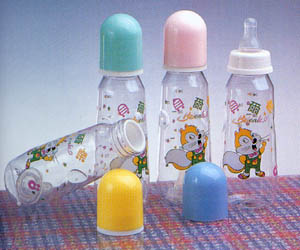
Feeding Supplies
Source wholesale feeding supplies from vetted manufacturers and suppliers. Designed for importers, distributors, and brands seeking reliable OEM and private-label production, our network delivers compliant, high-quality baby feeding appliances at scale.
Sourcing baby feeding appliances—such as electric sterilizers, bottle warmers, and automated formula dispensers—requires balancing strict food-contact safety with electronic reliability. For volume buyers, the core challenge lies in identifying factories that excel at both precision injection molding and stable printed circuit board (PCB) assembly, all while maintaining the rigorous compliance standards mandated for infant products.
Technical Specifications and Material Selection
Feeding appliances operate in high-moisture, high-temperature environments. Specifying the correct materials and internal components is critical to preventing degradation, chemical leaching, and premature electronic failure.
Plastics and Food-Contact Materials
Any component touching water, steam, or food must be explicitly specified. Relying on a factory's default "food-grade" claim without specifying the exact polymer often leads to inconsistent batches.
- Polypropylene (PP): The standard for steam baskets and exterior housings. It is cost-effective and withstands temperatures up to 120 degrees Celsius.
- Polyphenylsulfone (PPSU) & Tritan: Preferred for premium water tanks and formula hoppers due to higher heat resistance, better durability, and superior clarity.
- Silicone: Must be platinum-cured, food-grade silicone for all valves, seals, and dispensing nozzles to prevent odor retention and degradation over time.
Heating Elements and Thermal Control
The heating architecture defines the product's performance and safety. Breast milk, for example, degrades if heated beyond 40 degrees Celsius, requiring highly accurate thermal management.
| Component | Standard Configuration | Premium Configuration |
|---|---|---|
| Heating Element | Aluminum PTC heater | Stainless steel (SUS304/316) heating plate |
| Temperature Sensor | Basic mechanical thermostat | Dual NTC thermistors |
| Thermal Tolerance | ± 3 to 5 degrees Celsius | ± 1 degree Celsius |
| Dry-Boil Protection | Single thermal fuse | Software-controlled auto-shutoff + backup fuse |
Manufacturing Quality and Defect Prevention
Producing feeding appliances involves multiple distinct assembly lines: plastic injection, PCB soldering, final mechanical assembly, and water-testing. Cross-contamination or poor assembly tolerances at any stage can ruin an entire production run.
Implementing stringent Quality Control & Inspection protocols on the factory floor is non-negotiable.
Critical Factory-Floor QC Checks
- Water-tightness testing on all seals and silicone gaskets to prevent internal PCB shorting.
- Calibration verification of NTC thermistors using controlled water baths.
- Hipot (high potential) testing on all units to ensure electrical insulation integrity.
- Visual inspection of injection-molded parts for flash, sink marks, or sharp edges.
- Verification of dry-boil protection mechanisms under simulated failure conditions.
Ensure your feeding appliances meet strict thermal tolerances and safety standards from the first production run.
Talk to our teamCompliance and Regulatory Testing
Baby feeding supplies face the most stringent regulatory scrutiny of any consumer appliance. A product must pass both electrical safety and chemical migration tests. Do not assume a factory's existing certifications automatically cover your custom or private-label order.
For electrical safety, products require CE/RoHS for Europe, and FCC/UL or ETL for North America. For food safety, materials must pass FDA compliance (US), LFGB (Germany/EU), or GB4806 (China). Managing these overlapping requirements often requires dedicated Compliance & Testing oversight to ensure your specific branded unit holds the correct documentation for customs clearance.
Pricing, MOQs, and Lead Times
Unit costs in this category are driven heavily by the sophistication of the PCB (e.g., adding Wi-Fi connectivity or touchscreen interfaces), the grade of plastics used, and the quality of the heating plates.
If you are developing a completely new product rather than white-labeling an existing design, tooling costs for plastic injection molds typically range from $8,000 to $20,000 depending on the number of cavities and the complexity of the housing. Engaging professional OEM/ODM Services is highly recommended to manage the engineering and tooling phases efficiently.
Ready to scale your private-label feeding supplies with reliable manufacturing?
Get a free consultationBuyer FAQ
Sourcing reliable feeding supplies means looking past polished Alibaba storefronts to understand a factory's true engineering capabilities and quality management systems. Conducting thorough Factory Audits before placing a deposit is the most effective way to ensure your supplier can consistently meet the high safety and performance standards your brand requires.
Get Sourcing Help for Feeding Supplies
Tell us your requirements and our experts will connect you with verified manufacturers.