Face Protection
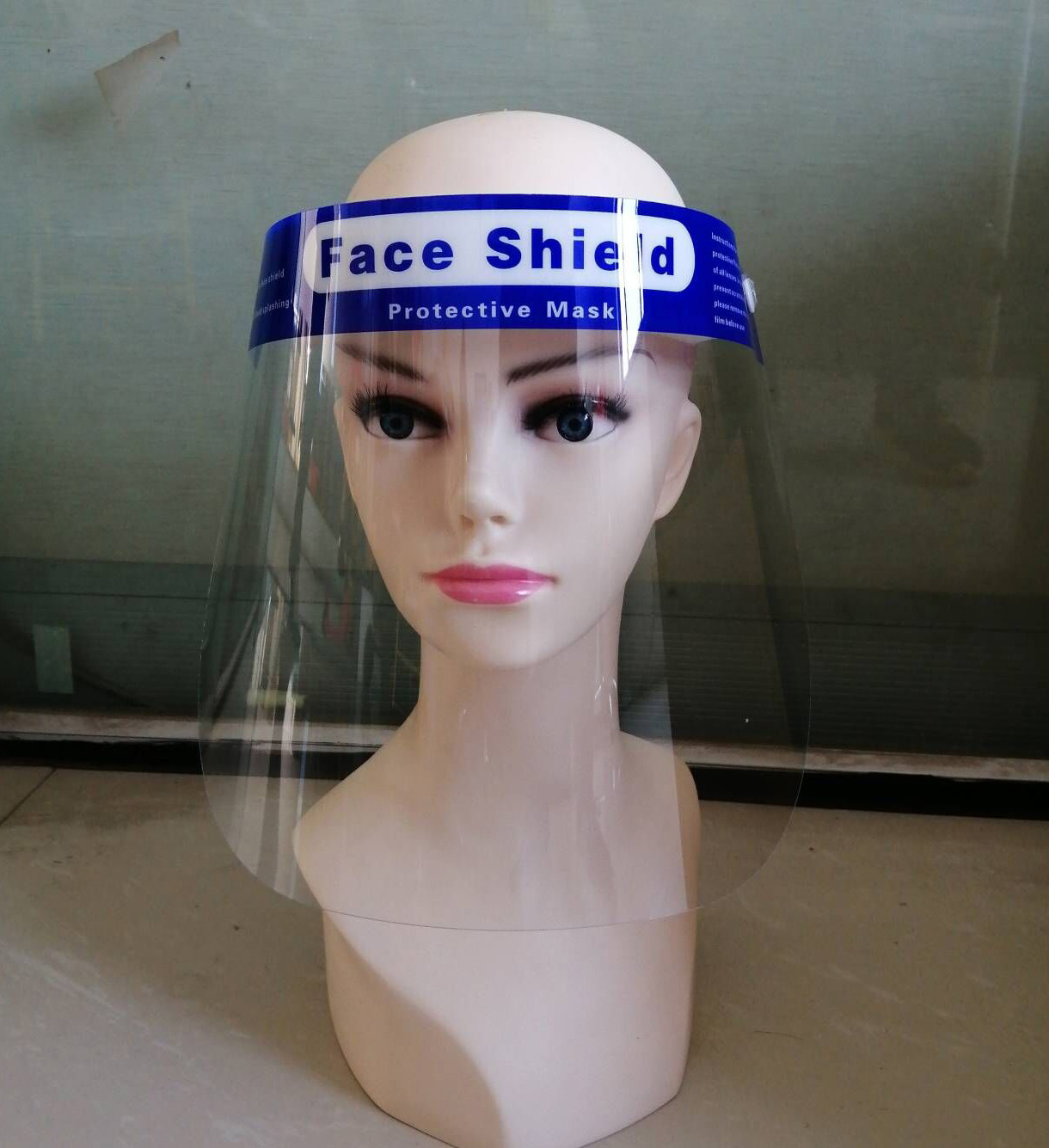
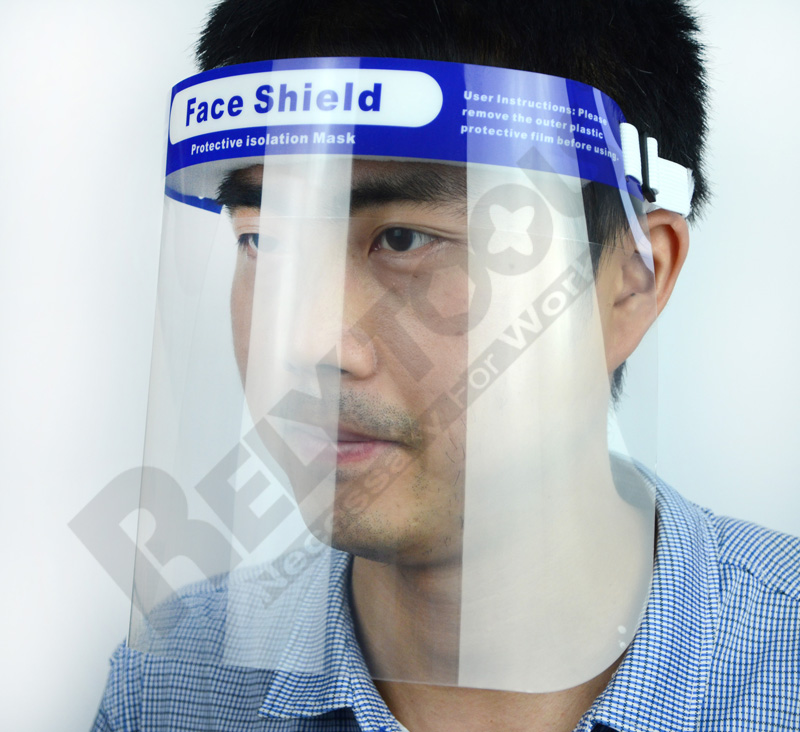
Source reliable Face Protection from vetted suppliers and manufacturers across Asia. Designed for importers, safety equipment distributors, and brands requiring OEM or private-label production, our network delivers bulk manufacturing that meets strict workplace safety standards.
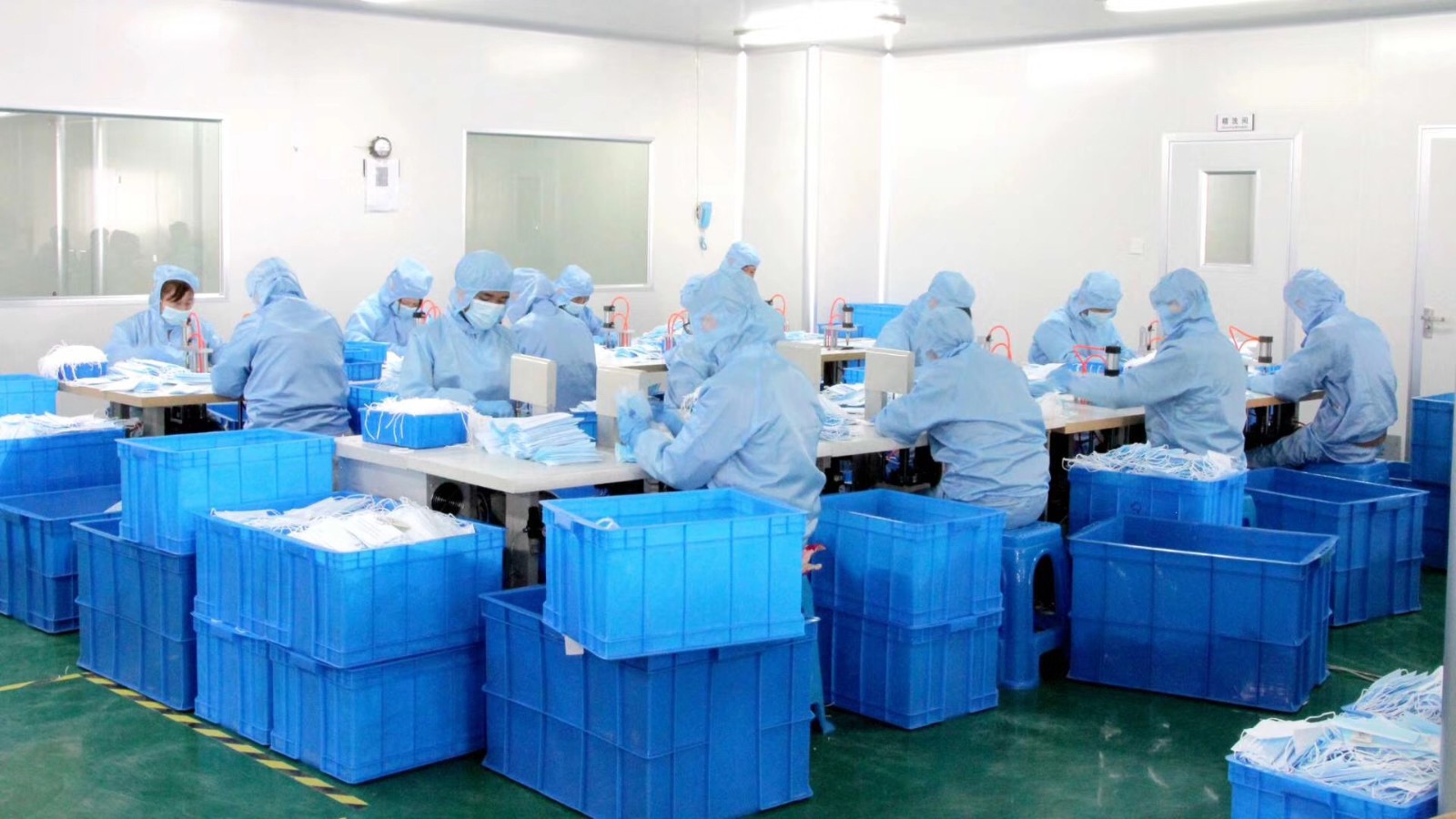
Sourcing industrial face protection at scale requires balancing two critical factors: optical clarity and impact resistance. Whether you are procuring heavy-duty visors for manufacturing environments or specialized shields for chemical handling, the primary sourcing challenge lies in ensuring consistent material properties across large production runs. A minor variation in injection molding temperatures or coating application can lead to optical distortion, rendering a batch unusable and non-compliant with international safety standards.
Core Materials and Specifications
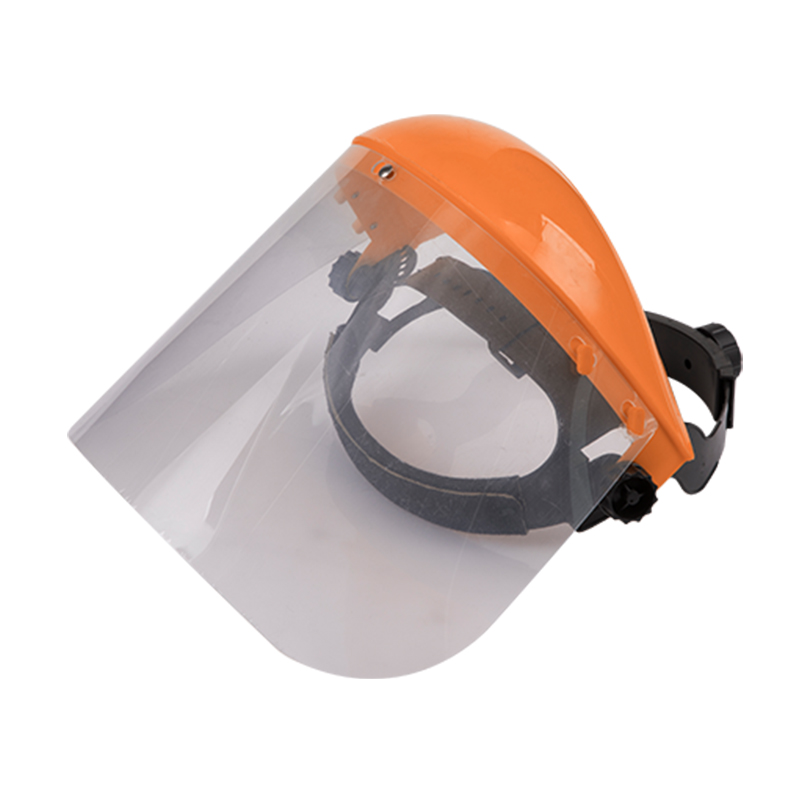
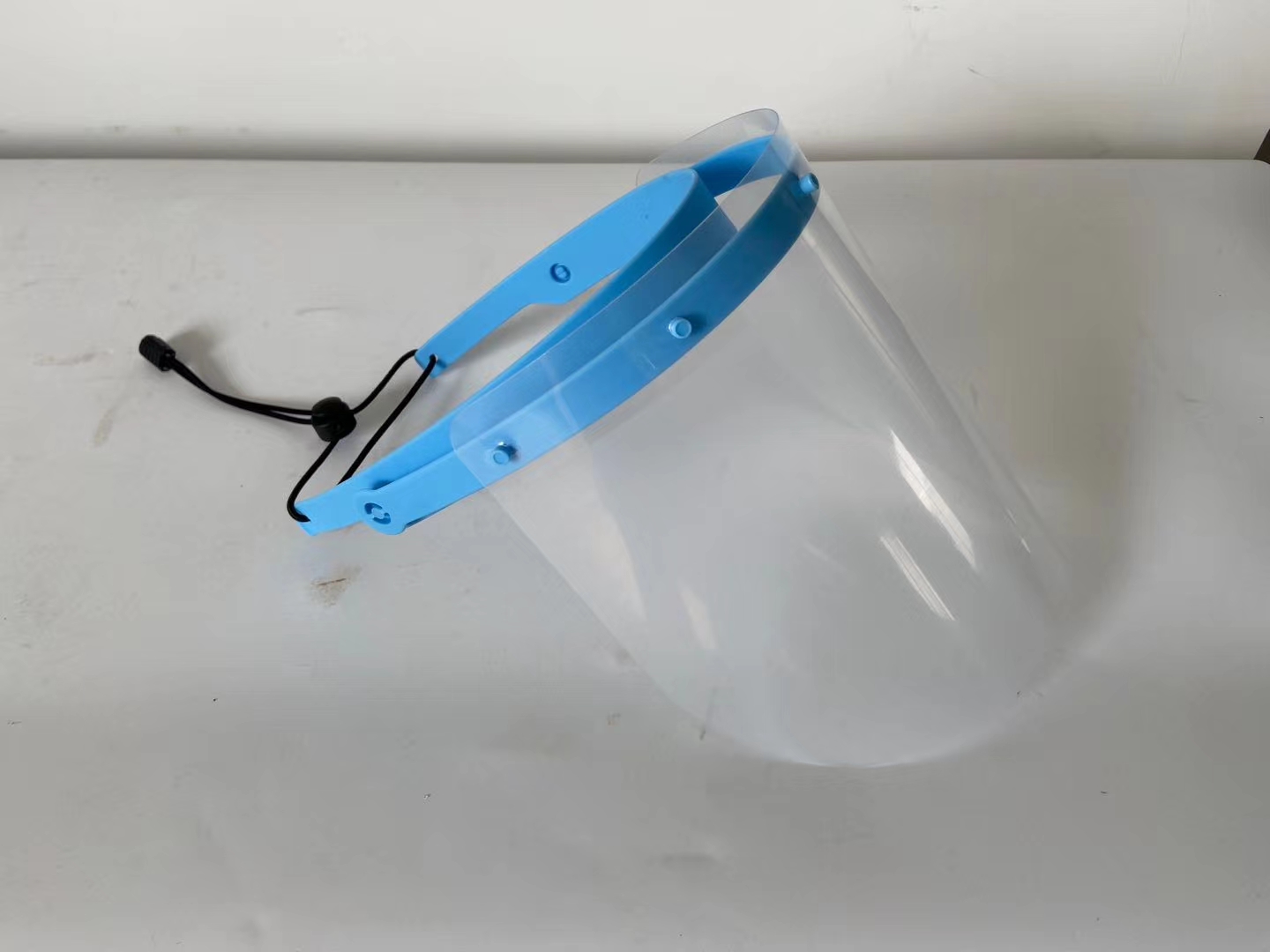
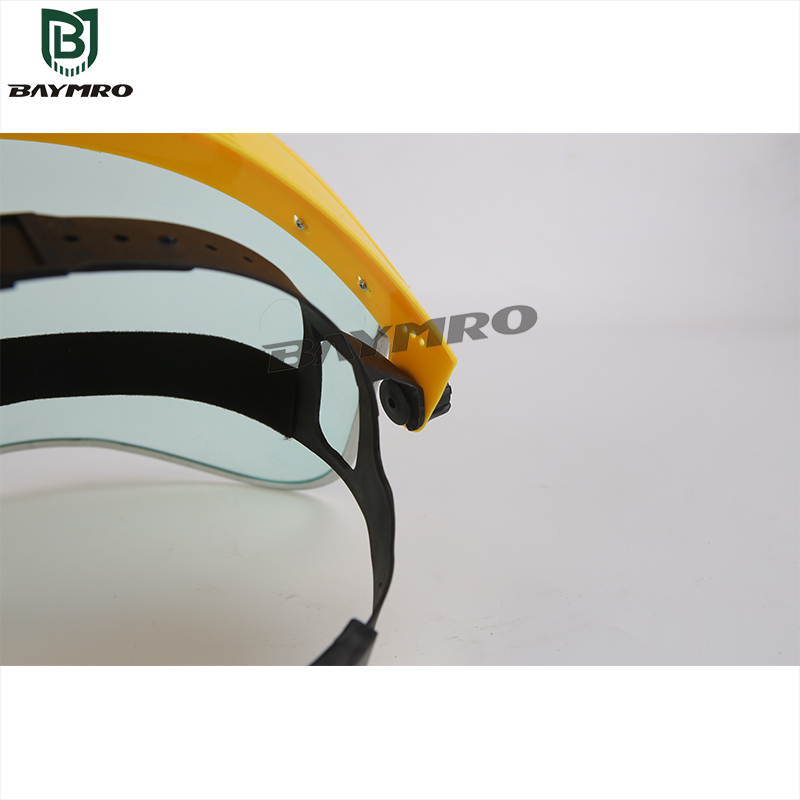
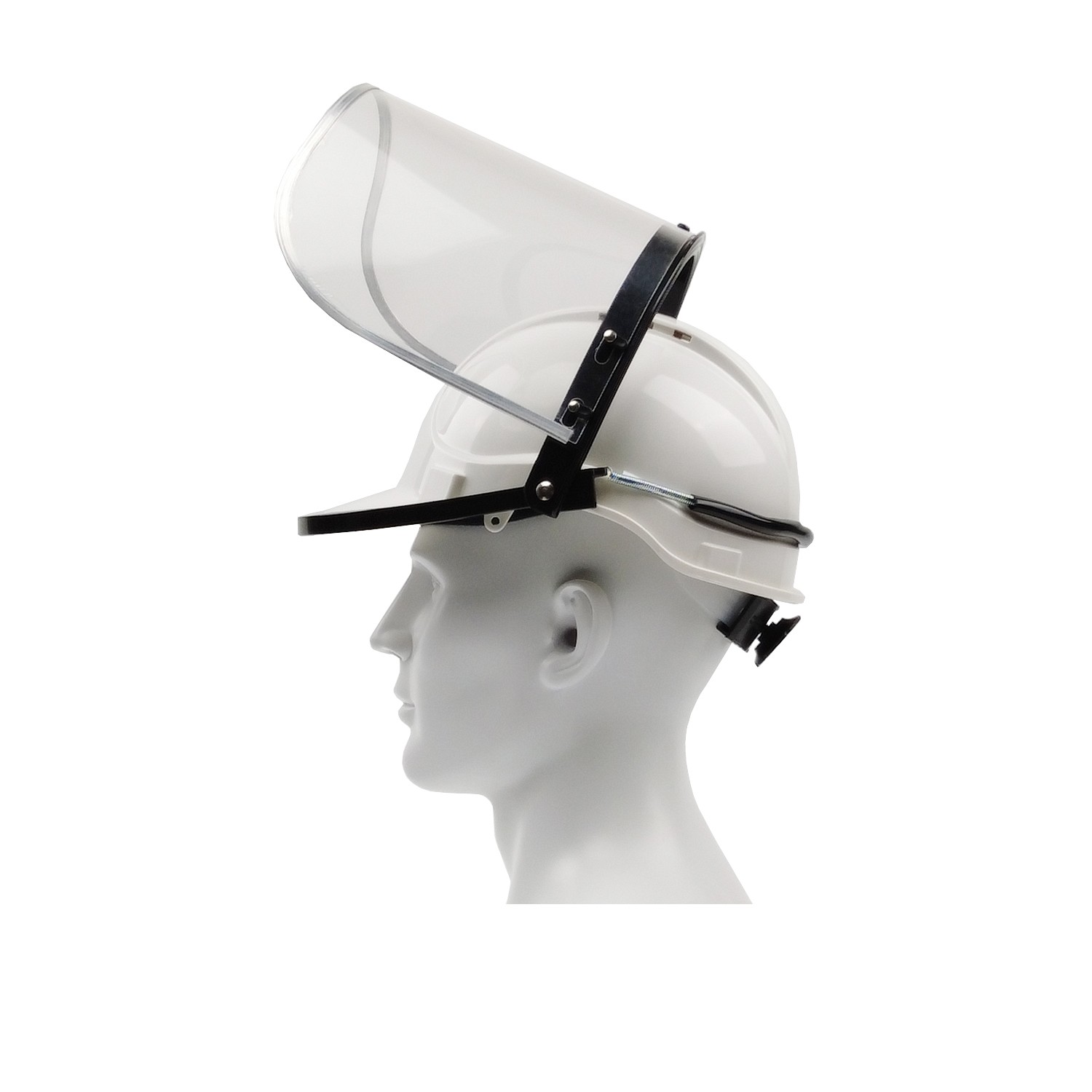
The performance of face protection equipment is dictated by the visor material and the structural integrity of the headgear. Specifying the correct polymer and thickness is the first step in aligning the product with its intended safety rating.
| Material | Typical Application | Impact Resistance | Chemical Resistance |
|---|---|---|---|
| Polycarbonate (PC) | Heavy industrial, machining | High (High Velocity) | Moderate |
| Acetate | Chemical handling, lab work | Low to Moderate | High |
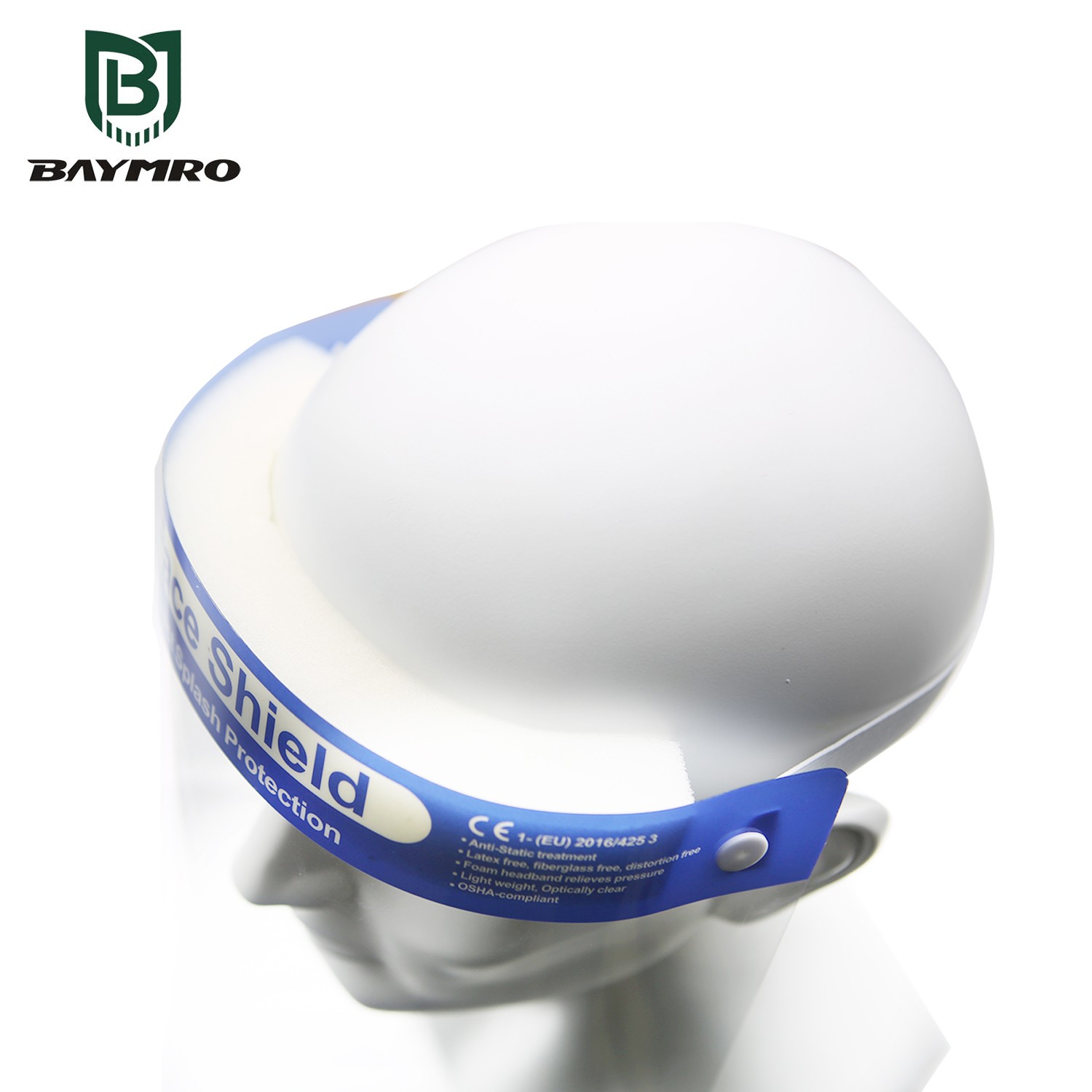
| PETG / PET | Light duty, splash protection | Low | Moderate |
Visor Thickness and Optical Class
For high-impact environments (such as those requiring ANSI Z87.1+ or EN 166 Grade B/A certification), polycarbonate visors typically require a thickness between 1.0mm and 2.0mm. Visors thinner than 1.0mm are generally restricted to splash or light-dust protection. Regardless of thickness, the visor must achieve Class 1 optical clarity to prevent worker fatigue and headaches. This requires precise control over the cooling phase during manufacturing to prevent internal stresses in the polymer that cause light refraction.
Anti-Fog and Anti-Scratch Coatings
Coatings are a major cost driver and a frequent point of failure. Premium face shields utilize flow-coating or dip-coating methods to apply permanent anti-fog (AF) and anti-scratch (AS) layers. When sourcing, you must specify the durability of these coatings. For instance, EN 166 specifies "K" (resistance to surface damage by fine particles) and "N" (resistance to fogging). Verifying these claims requires rigorous compliance testing before mass production begins.
Need help verifying supplier certifications and material specifications? Let our experts assess your factory's capabilities.
Talk to our teamManufacturing Processes and Quality Control
The production of face protection involves two main tracks: injection molding for high-impact visors and headgear brackets, and die-cutting or extrusion for lighter, flexible shields.
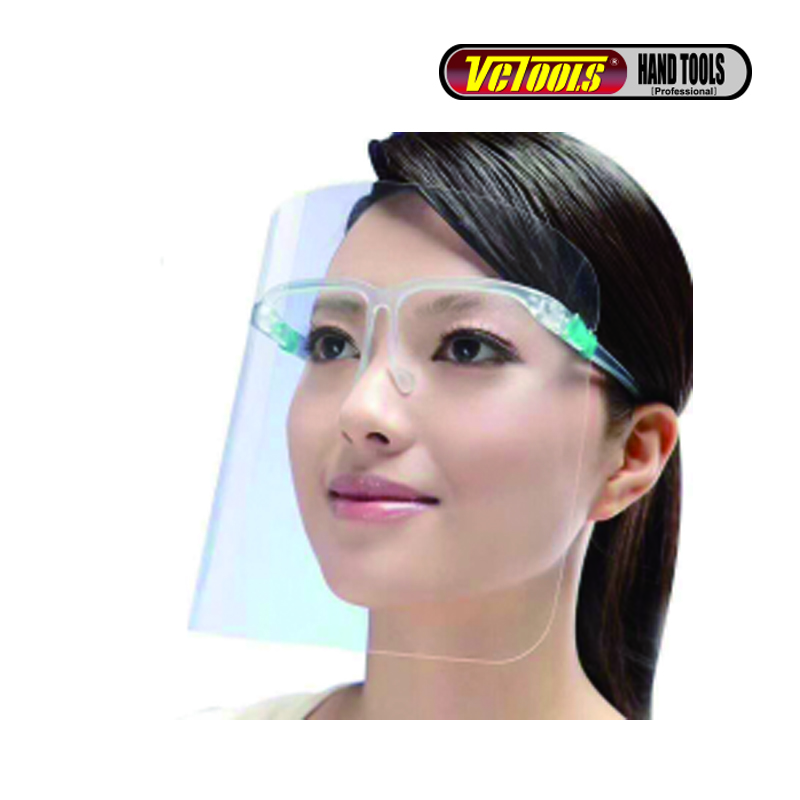
Injection-molded polycarbonate visors offer superior optical clarity and structural integrity but require expensive steel tooling. Extruded visors are more cost-effective for high-volume, low-impact applications but are more susceptible to thickness variations.
Critical Quality Control Checkpoints
- Optical distortion testing (spherical, astigmatic, and prismatic refractive powers).
- High-mass and high-velocity impact testing per ANSI/ISEA Z87.1 or EN 166.
- Headgear ratchet mechanism durability (minimum cycle testing).
- Coating adhesion testing (cross-hatch tape test) for AF/AS treatments.
- Ignition and flammability resistance checks.
Catching defects like flow marks, bubbles, or poor coating adhesion requires robust quality control directly on the factory floor. Relying solely on final inspections often means discovering irreversible optical defects after the entire batch is completed.
Purchasing Mechanics: MOQs, Pricing, and Lead Times
Pricing for face protection is highly sensitive to the cost of raw polycarbonate, the complexity of the headgear mold, and the application of specialized coatings.
If you are pursuing OEM/ODM services to develop custom headgear or proprietary visor shapes, factor in 20 to 30 days for new mold creation. Custom tooling for high-impact headgear requires substantial upfront investment, making thorough supplier vetting essential before transferring CAD files or paying tooling deposits.
Ensure your production schedule and quality requirements are met. Speak with our sourcing specialists today.
Get a free consultationSuccessfully importing face protection in bulk relies on uncompromising attention to material science and optical performance. By establishing clear specifications for polymer grades, coating durability, and impact testing protocols early in the sourcing process, buyers can secure reliable, compliant safety equipment that protects both the end-user and the brand's reputation.
Get Sourcing Help for Face Protection
Tell us your requirements and our experts will connect you with verified manufacturers.