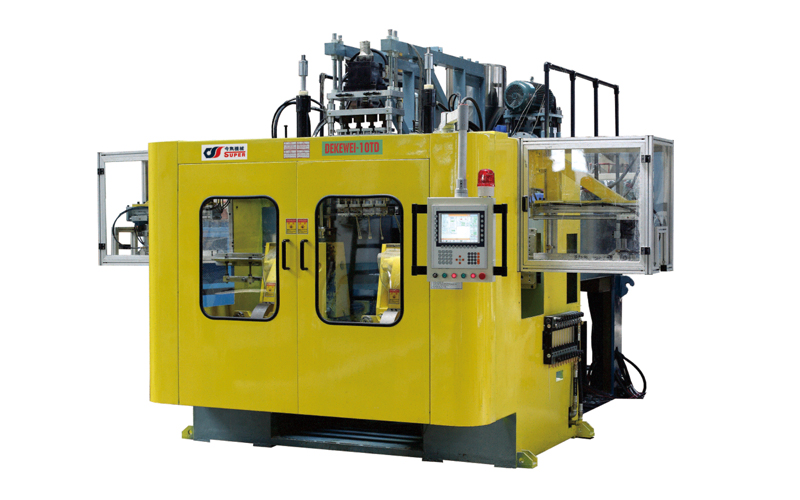
Extrusion Blow Molding Machines
Source high-performance Extrusion Blow Molding Machines from vetted manufacturers in China and Asia. Designed for importers, distributors, and industrial buyers seeking reliable bulk production equipment, our suppliers offer competitive pricing, rigorous quality control, and custom OEM configurations for your specific manufacturing needs.
Procuring extrusion blow molding (EBM) machines overseas requires balancing capital expenditure with long-term operational reliability. Unlike off-the-shelf commodities, heavy plastics processing machinery demands rigorous technical alignment between your production requirements and the manufacturer's engineering capabilities. A misstep in specifying parison control, hydraulic systems, or die-head configuration can result in excessive material waste, inconsistent wall thickness, and costly downtime.
Core Specifications to Define
When negotiating with EBM machine manufacturers, vague requirements lead to underpowered or poorly optimized equipment. You must specify exact parameters based on the resin types (PE, PP, PVC, PETG) and container volumes you intend to produce.
Key Technical Parameters
- Clamping Force: Must be calculated based on the mold size and the blowing pressure required for your specific container volume. Undersized clamping units will cause flashing and defective seams.
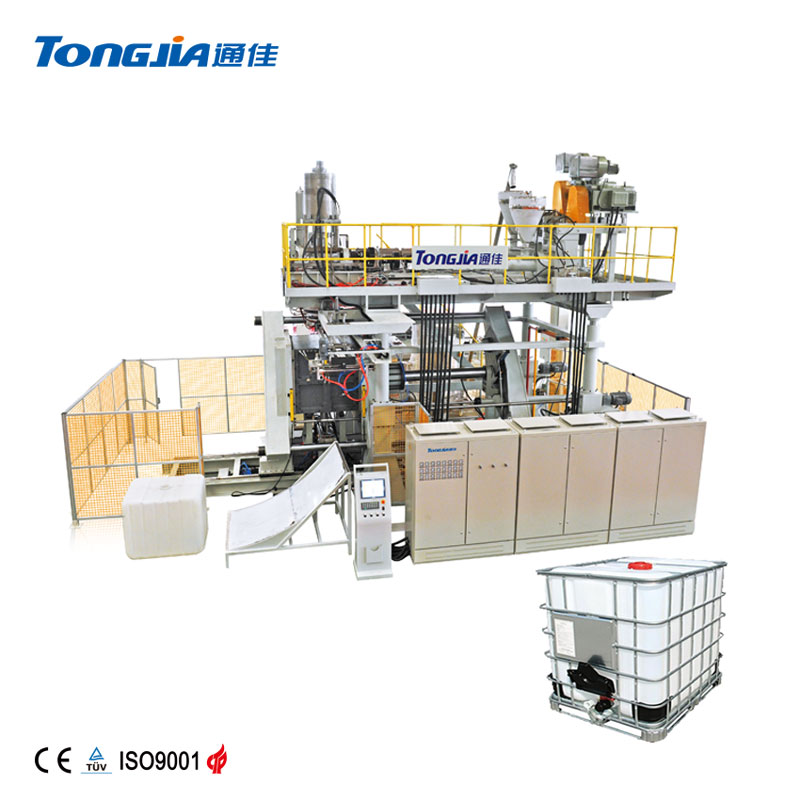
- Die Head Configuration: Specify whether you need continuous extrusion or an accumulator head. Continuous is standard for smaller containers (under 20L), while accumulator heads are necessary for large industrial drums (50L to 1000L) to prevent plastic sag during the extrusion phase.
- Automation & Deflashing: Determine if you need in-machine auto-deflashing, rotary trimmers, and automated leak-testing integrated into the production line.
Struggling to match your production goals with the right machine specifications? Let us help you identify the optimal equipment setup.
Talk to our machinery expertsWhere Quality is Won and Lost on the Factory Floor
The visual appearance of an EBM machine tells you very little about its lifespan. The true indicators of quality are found in the component sourcing and the precision of the machine's assembly. Many lower-tier factories will quote aggressive prices by substituting critical international components with cheaper domestic alternatives.
Critical Machine Components to Verify
- PLC and HMI Systems: Insist on globally supported brands (e.g., Siemens, B&R, or Beckhoff) for reliable automation and easier local servicing.
- Hydraulic Valves & Pumps: Proportional valves should be from reputable manufacturers like Rexroth, Yuken, or Vickers to ensure smooth, repeatable mold movements.
- Extruder Motor & Inverter: Look for high-efficiency servo motors paired with reliable inverters (e.g., Delta, Yaskawa) to reduce energy consumption.
- Frame Rigidity: Verify the thickness of the steel frame and the quality of the linear guideways (e.g., HIWIN or THK).
Because machinery represents a significant capital investment, conducting thorough Factory Audits is non-negotiable. You must confirm the supplier's in-house machining capabilities—factories that outsource the machining of their tie bars or platens often struggle with alignment issues during final assembly. Furthermore, rigorous Quality Control & Inspection, including a comprehensive Factory Acceptance Test (FAT) running your specific molds, is essential before authorizing the final balance payment.
Pricing, Lead Times, and Sourcing Realities
Industrial EBM machines are built to order. Pricing varies drastically based on the container size capacity, the number of stations (single vs. double), and the tier of the electrical/hydraulic components specified.
| Machine Type | Typical Lead Time | Primary Application |
|---|---|---|
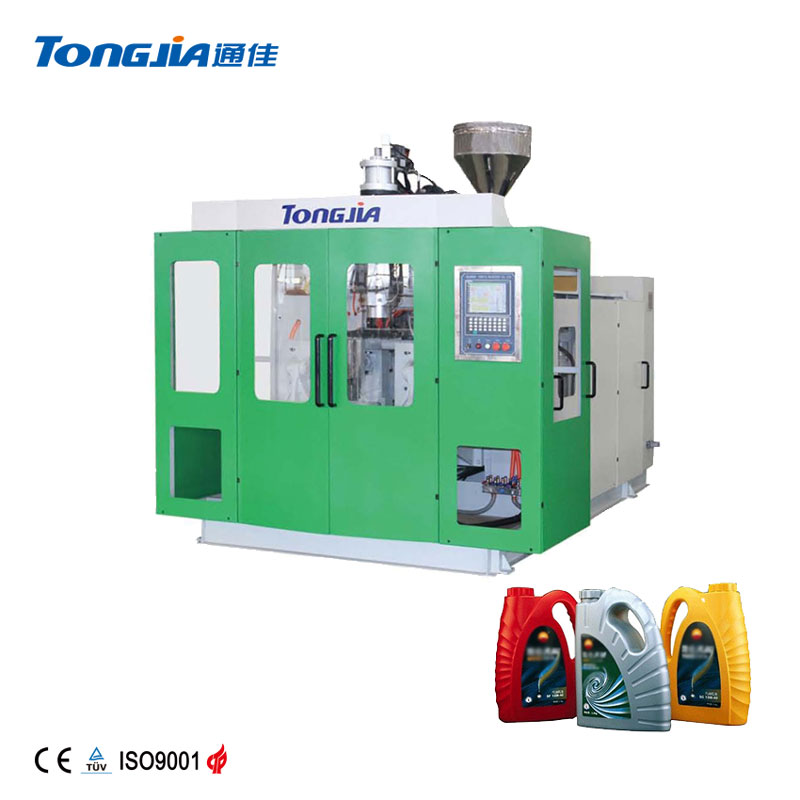
| Small Continuous (Up to 5L) | 45 to 60 Days | Cosmetics, household chemicals, small beverage bottles. |
| Medium Accumulator (20L - 50L) | 60 to 90 Days | Jerry cans, industrial chemical containers, agricultural tanks. |
| Large Industrial (100L - 1000L+) | 90 to 120+ Days | IBC tanks, road barriers, large water storage tanks. |
Logistics and Installation
Shipping heavy machinery requires specialized handling. Smaller machines may fit within standard 40HQ containers, but large accumulator-head machines often require Flat Rack containers or break-bulk shipping due to their height and weight. Coordinating Shipping & Freight for oversized industrial equipment involves managing complex rigging, export crating, and specific customs documentation.
Need reliable cost estimates and lead times for your next machinery investment? Contact us to discuss your project requirements.
Get a sourcing consultationFrequently Asked Questions
Sourcing extrusion blow molding machinery is a complex engineering procurement task, not a simple transactional purchase. Success depends on setting rigid technical specifications, verifying component authenticity, and demanding comprehensive operational testing prior to shipment. By maintaining strict oversight throughout the build process, you ensure your new equipment delivers reliable, profitable production from day one.
Get Sourcing Help for Extrusion Blow Molding Machines
Tell us your requirements and our experts will connect you with verified manufacturers.