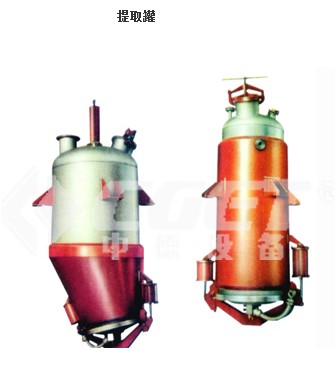
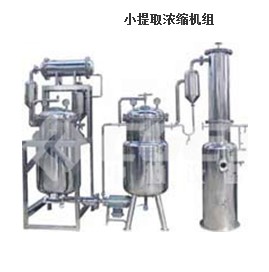
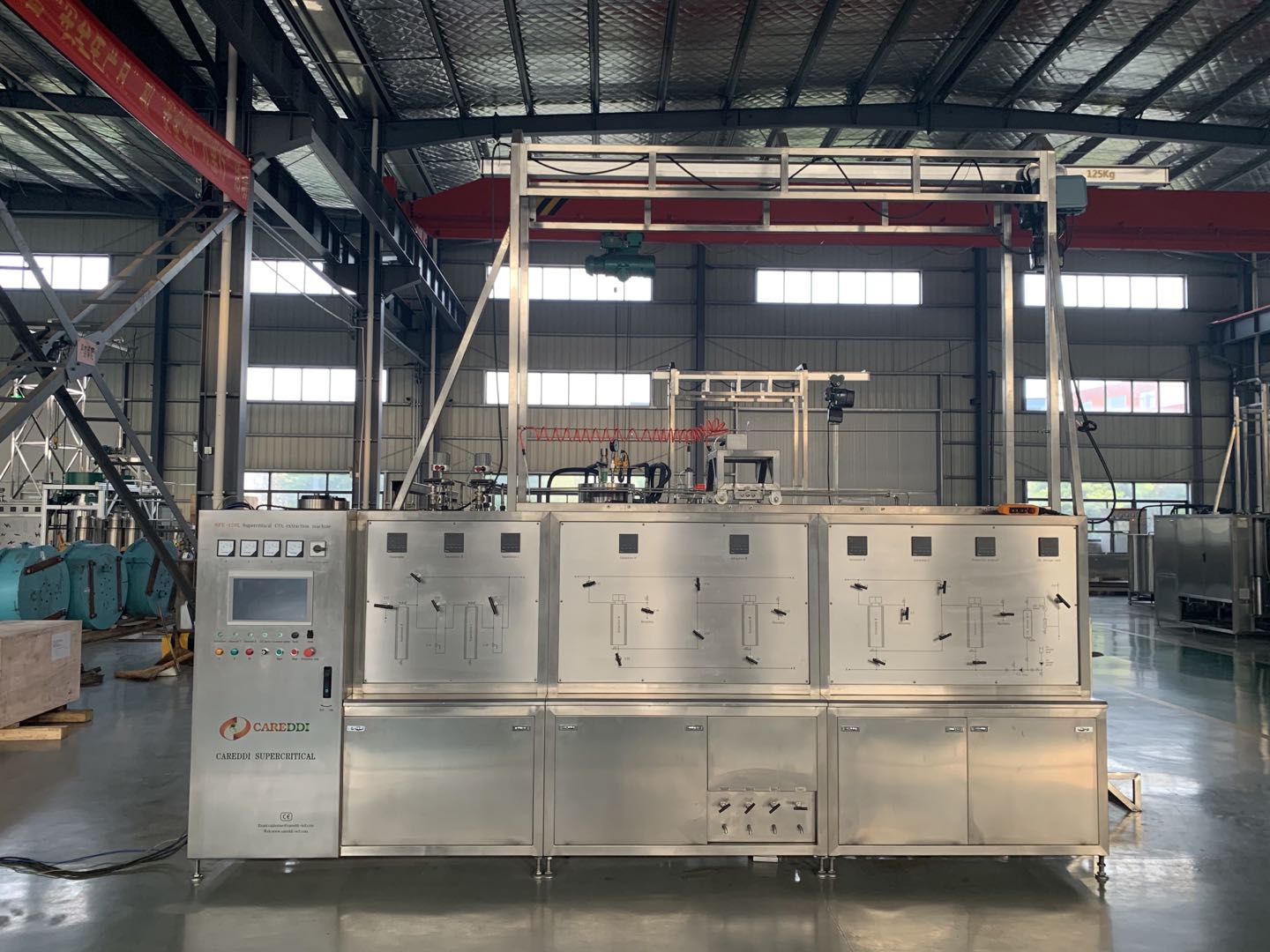
Extraction Equipment
Source industrial-grade Extraction Equipment from vetted manufacturers and wholesale suppliers. Built for high-volume importers, equipment distributors, and brands requiring OEM or custom configurations, our network delivers reliable machinery designed for chemical, pharmaceutical, and botanical processing lines.
Sourcing extraction equipment at scale requires strict attention to material compatibility, pressure vessel safety, and explosion-proof electrical standards. Whether you are outfitting a continuous chemical processing line or a sanitary botanical extraction facility, the difference between a high-yield system and a compliance liability comes down to factory-level execution. Relying on a supplier's catalog specifications is rarely enough; successful procurement demands rigorous verification of welding standards, component sourcing, and testing protocols.
Defining Core Specifications for the Factory
To get accurate pricing and ensure operational reliability, buyers must define exact parameters. Manufacturers will base their vessel thickness, seal materials, and agitation mechanisms on your stated requirements. Failing to specify surface finish or pressure ratings upfront often leads to costly rework.
| Specification | Standard Industrial | Sanitary / Pharmaceutical |
|---|---|---|
| Material Grade | SS304 or Carbon Steel | SS316L (wetted parts) |
| Surface Finish | Mechanical polish (Ra under 0.8 μm) | Electropolished (Ra under 0.4 μm) |
| Sealing Materials | Standard NBR or EPDM | PTFE or FFKM (FDA compliant) |
| Electrical Rating | Standard IP55 | Explosion-proof (ATEX / UL) |
When dealing with high-pressure systems like supercritical CO2 extractors, the pressure vessel certification is non-negotiable. Ensure your manufacturer holds the necessary ASME BPE or equivalent pressure vessel manufacturing licenses for your target market.
Need help verifying a manufacturer's pressure vessel certifications and engineering capabilities? We evaluate facilities before you place an order.
Talk to our teamFactory Floor Execution: Where Quality is Won or Lost
The most common defects in imported extraction equipment stem from poor welding quality and substandard auxiliary components. Many factories assemble equipment using outsourced parts, meaning the core vessel might be sound, but the pumps, valves, and motors could fail prematurely.
Critical Inspection Points During Production
- Weld Seams: Inspect for full penetration, absence of porosity, and proper passivation to prevent corrosion.
- Pressure Testing: Require hydrostatic testing at 1.5 times the maximum working pressure for at least 30 minutes.
- Agitator Shaft Runout: Verify shaft alignment to prevent premature mechanical seal failure during operation.
- Component Verification: Check nameplates on motors, pumps, and sensors against the agreed bill of materials.
To mitigate these risks, implementing strict Quality Control & Inspection protocols is essential. In-line inspections during the welding phase and comprehensive pre-shipment testing ensure that the equipment meets your exact tolerances before it leaves the factory floor.
Navigating Safety and Regulatory Compliance
Extraction processes often involve highly flammable solvents (like ethanol or hexane) or extreme pressures. Consequently, the equipment must comply with stringent international safety standards.
Explosion-Proof Verification
Do not accept generic "explosion-proof" claims. Demand to see the actual ATEX, IECEx, or UL certificates for all electrical components (motors, control panels, sensors). Furthermore, ensure the factory has the expertise to wire these panels correctly, as poor wiring nullifies the component's safety rating.
Verifying these credentials requires more than a document check. Conducting thorough Factory Audits helps confirm that the supplier has a track record of building compliant systems for your specific region. If your market requires specialized safety testing, coordinating with Compliance & Testing services early in the engineering phase prevents customs delays and installation roadblocks.
Pricing Drivers, Lead Times, and MOQs
Industrial extraction equipment is highly customized, meaning pricing and lead times vary significantly based on capacity, automation level, and material grades.
Adding PLC automation, continuous flow capabilities, or upgrading to Hastelloy for highly corrosive environments will dramatically increase costs. When comparing quotes, always ensure you are comparing identical bills of materials, down to the brand of the pneumatic valves.
Struggling to compare complex technical quotes from multiple suppliers? Let our engineers break down the true costs and negotiate favorable terms.
Get a free consultationSourcing complex chemical machinery requires balancing upfront capital expenditure with long-term operational reliability. By strictly defining your specifications, auditing the factory's pressure vessel capabilities, and enforcing rigorous pre-shipment testing, you protect your production line from costly downtime. If you need experienced engineers to manage this process on the ground, we can help secure your supply chain.
Get Sourcing Help for Extraction Equipment
Tell us your requirements and our experts will connect you with verified manufacturers.