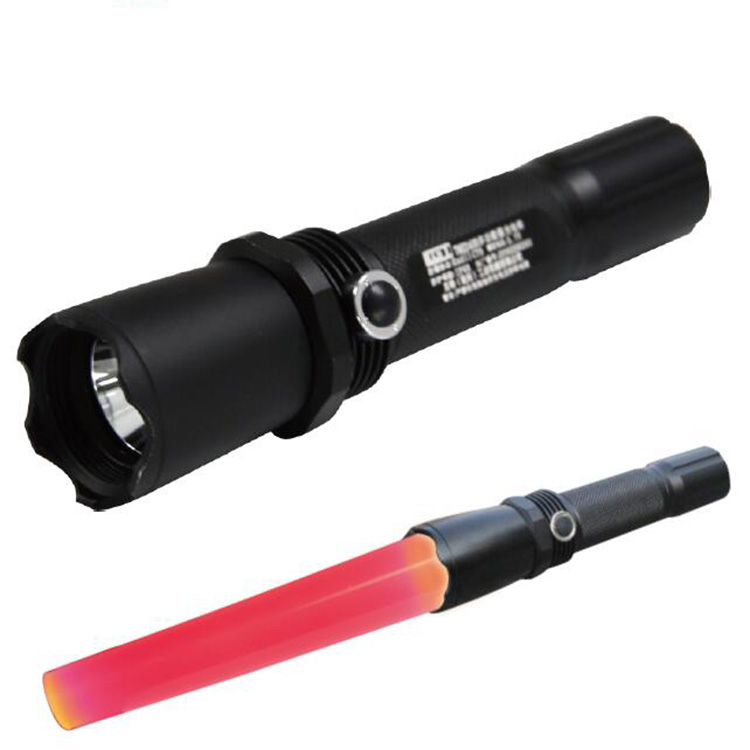
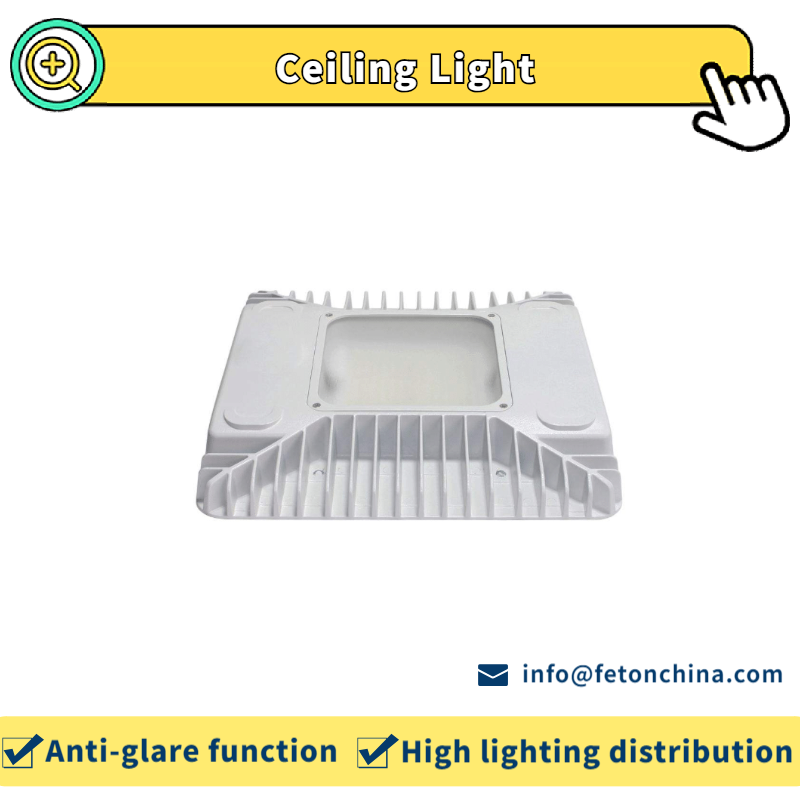
Explosion-Proof Lights
Source commercial-grade Explosion-Proof Lights from vetted suppliers and manufacturers across Asia. This catalog is built for importers, industrial distributors, and brands seeking reliable wholesale purchasing or custom OEM production. Find certified lighting solutions designed for hazardous and high-risk environments.
Sourcing explosion-proof lighting for hazardous locations requires zero margin for error. Whether you are supplying the petrochemical, mining, or heavy manufacturing sectors, the core sourcing challenge is distinguishing between factories that actually hold valid, globally recognized certifications and those that merely produce "explosion-proof style" housings. Navigating strict international safety standards, complex material requirements, and varying levels of factory capability is essential for a safe and compliant supply chain.
Understanding Certifications and Flame Paths
Explosion-proof lights do not necessarily prevent explosive gases from entering the fixture. Instead, they are designed to contain any internal explosion and cool the escaping gases through engineered "flame paths" so they do not ignite the surrounding hazardous atmosphere.
When vetting manufacturers, their engineering tolerances are just as important as the LED chips they use. Flame paths require highly precise CNC machining to ensure the gap between metal joints is tight enough to quench a flame.
Certificate Verification
Always verify the factory's certifications against the actual issuing body's database. A common red flag is a supplier offering an ATEX or UL certificate where the product model numbers on the certificate do not match the models being quoted, or the certificate belongs to a trading company rather than the manufacturer.
| Requirement | Zone 1 / Class I Div 1 | Zone 2 / Class I Div 2 |
|---|---|---|
| Hazard Frequency | Continuous or frequent presence of explosive gas/dust | Unlikely to occur, or present for short periods |
| Housing Construction | Heavy die-cast aluminum, strict flame path tolerances | Standard sealed enclosures, often lighter weight |
| Cost Premium | High (often double the cost of Zone 2) | Moderate |
Need reliable suppliers with verified ATEX, IECEx, or UL certifications? Merhein can match your exact technical requirements with capable factories.
Talk to our teamManufacturing Tolerances and Quality Control
The physical integrity of an explosion-proof light dictates its safety rating. Quality is won or lost in the die-casting and machining stages. Porosity in the aluminum casting can compromise the housing's ability to withstand internal blast pressure, while poor thermal management will cause premature driver failure in high-heat industrial environments.
If you are pursuing custom designs or modifications, leveraging professional OEM/ODM services is critical to ensure that any changes to the housing do not void the underlying safety certifications.
Critical Factory-Level Checks
When conducting factory audits on prospective suppliers, focus heavily on their in-house testing equipment. A legitimate manufacturer of hazardous location lighting should have the following capabilities on the factory floor:
Essential Manufacturer Testing Capabilities
- Hydrostatic pressure testing equipment to verify housing blast resistance
- Integrating spheres for accurate lumen, CCT, and CRI measurement
- Thermal chambers for extreme temperature cycling (often -40°C to 60°C)
- IP rating test chambers (water spray and dust ingress) for IP66/IP67 verification
- IK impact testing rigs for tempered glass lenses (typically IK08 to IK10)
Pre-shipment quality control should always include a teardown of sample units to verify that the internal components (such as Meanwell or Sosen drivers, and Cree or Bridgelux LEDs) match the agreed-upon bill of materials. Substitution of cheaper, uncertified drivers is a common issue that directly impacts safety and lifespan.
Pricing, MOQs, and Lead Times
The cost of explosion-proof lighting is heavily driven by the weight of the raw aluminum, the thickness of the tempered glass (often 8mm to 12mm), and the brand of the internal electronics. Furthermore, factories amortize the massive cost of maintaining ATEX or IECEx certifications into the unit price.
Expect standard MOQs to range from 50 to 200 units per model. Smaller orders are sometimes accepted for standard SKUs, but custom beam angles, specific mounting brackets (stanchion, pendant, trunnion), or custom paint finishes will push the MOQ higher. Lead times typically run 30 to 45 days, though this can extend to 60 days if custom die-casting is required or if compliance and testing for a new market is being conducted concurrently.
Struggling with high MOQs or inconsistent pricing? Let us negotiate with top-tier industrial lighting manufacturers on your behalf.
Get a free consultationFrequently Asked Questions
Sourcing explosion-proof lighting is a high-stakes procurement category where cutting corners on supplier verification can lead to catastrophic failures. Success requires partnering with manufacturers who treat engineering tolerances and regulatory compliance as non-negotiable baselines, allowing you to import with total confidence.
Get Sourcing Help for Explosion-Proof Lights
Tell us your requirements and our experts will connect you with verified manufacturers.