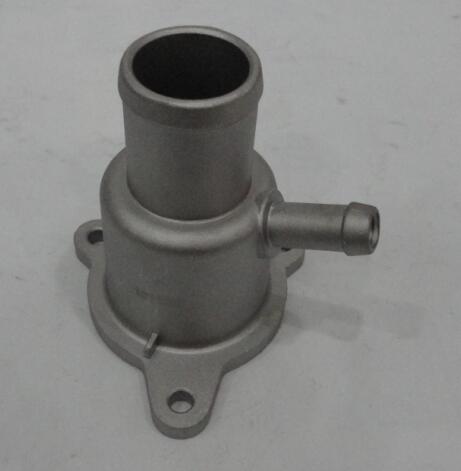
Engine Thermostats
Source premium engine thermostats from vetted manufacturers and wholesale suppliers across Asia. This catalog is built for automotive parts importers, aftermarket distributors, and brands requiring reliable OEM and private-label production at scale.
Sourcing engine thermostats in volume requires balancing strict thermal tolerances with competitive unit costs. Because a failed thermostat immediately risks catastrophic engine damage, aftermarket distributors and OEM buyers cannot afford compromises in the wax motor assembly or the housing seal. Navigating the supplier landscape means identifying factories with true automotive-grade process control and rigorous testing protocols.
Critical Specifications to Define
When negotiating with manufacturers, vague specifications lead to inconsistent performance. You must define the exact operating parameters for the thermostatic element (the wax pellet) and the housing to ensure compatibility and longevity.
- Opening Temperature: Specify the exact initial opening temperature (often 82°C to 95°C) and the fully open temperature. Tolerances should typically be within ±2°C.
- Stroke Length: The physical distance the valve moves when fully heated, dictating the maximum coolant flow volume.
- Leakage Rate: The maximum allowable bypass flow when the valve is fully closed, critical for engine warm-up times.
| Thermostat Type | Actuation Method | Typical Application | Sourcing Complexity |
|---|---|---|---|
| Conventional Wax | Thermal expansion of wax pellet | Standard aftermarket replacement | Low to Medium |
| Electronically Controlled (MAP) | Wax pellet + integrated heating element | Modern high-efficiency engines | High (requires ECU integration testing) |
Need to verify a supplier's capability to produce electronically controlled thermostats? Let us help you audit their technical facilities and testing equipment.
Talk to our teamManufacturing Quality and Vulnerabilities
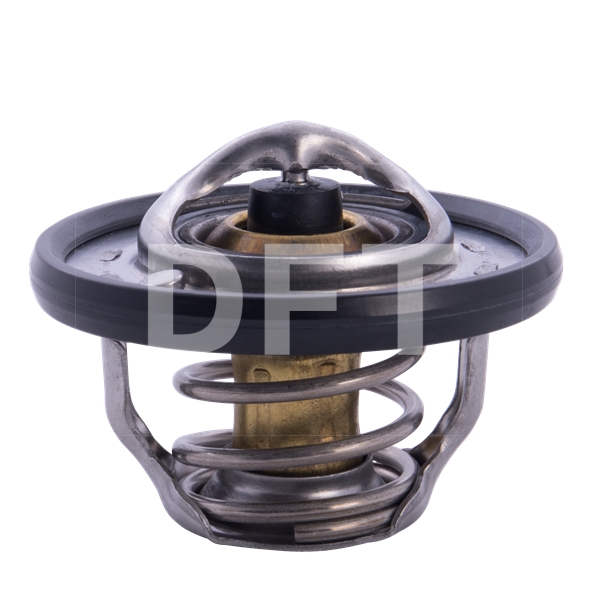
The reliability of an engine thermostat is won or lost in the crimping and sealing processes. Even minor variations in the copper cup manufacturing or the wax formulation will shift the opening temperature, leading to hysteresis (a lag in opening or closing times).
Critical QC Checks for Thermostat Production
- Thermal cycling tests (minimum 50,000 cycles) to verify wax pellet longevity.
- Hydrostatic pressure testing to detect housing and seal leaks.
- Hysteresis measurement to ensure opening and closing temperatures remain consistent over time.
- Validation of the jiggle pin (air bleed valve) functionality and clearance.
Implementing rigorous Quality Control & Inspection directly on the factory floor is essential to catch these thermal calibration defects before they are packaged and shipped.
Supplier Vetting in the Automotive Sector
The primary manufacturing hubs for automotive cooling components in China are concentrated in Zhejiang (particularly Wenzhou and Ruian) and Jiangsu provinces. When vetting these suppliers, standard ISO 9001 is insufficient. You must look for IATF 16949 certification, which dictates strict automotive quality management systems, including failure mode and effects analysis (FMEA) and statistical process control (SPC).
Conducting thorough Factory Audits ensures the supplier actually implements these standards on the production line, rather than just holding a framed certificate in the office.
MOQs, Pricing, and Lead Times
Unit economics in thermostat manufacturing depend heavily on the level of customization, the materials used (stainless steel vs. brass), and the complexity of the housing.
If you are developing proprietary cooling solutions, engaging a factory for OEM/ODM Services will require upfront tooling investments, but drives down the per-unit cost significantly at scale.
Evaluating tooling costs and production timelines for a custom thermostat program? We can help you negotiate favorable terms and coordinate the supply chain.
Get a free consultationFrequently Asked Questions
Securing a reliable supply of engine thermostats requires looking beyond the unit price and scrutinizing the factory's process controls. A proactive approach to supplier selection and on-site quality validation ensures your cooling components perform reliably under pressure, protecting your brand's reputation in the aftermarket.
Get Sourcing Help for Engine Thermostats
Tell us your requirements and our experts will connect you with verified manufacturers.