Engine Lubricants & Cleaners
Source high-performance Engine Lubricants & Cleaners from vetted suppliers and manufacturers across Asia. Designed for importers, automotive distributors, and brands seeking reliable bulk purchasing or custom OEM/private-label production for industrial and passenger vehicle applications.
Sourcing engine lubricants, flushes, and system cleaners at scale requires strict adherence to international automotive standards. The core challenge lies in verifying that a manufacturer's chemical formulations—specifically their base oils and additive packages—actually meet the performance claims printed on the label, while maintaining consistent viscosity and thermal stability batch after batch.
Base Oils and Additive Architecture
The foundation of any engine oil or cleaner is its base stock and the chemical additives blended into it. When negotiating with a manufacturer, you must specify the exact base oil group and the origin of the additive package, as these dictate both the product's performance and its unit cost.
Lubricant factories typically source base oils from major refineries and blend them with additive packages from specialized chemical companies. A common quality fade issue occurs when a supplier substitutes a Group III base oil with a heavily refined Group II oil, or reduces the concentration of anti-wear additives like ZDDP (Zinc Dialkyldithiophosphate) to cut costs.
| Base Oil Group | Composition | Primary Application |
|---|---|---|
| Group II | Hydrocracked Mineral | Standard passenger vehicles, older engines |
| Group III | Severe Hydrocracked (Synthetic) | Modern standard and turbocharged engines |
| Group IV (PAO) | Polyalphaolefins (Full Synthetic) | High-performance and heavy-duty applications |
| Group V (Esters) | Esters / Non-PAO Synthetics | Racing, extreme temperature environments |
Need to verify a lubricant factory's blending capabilities and raw material sourcing? We can help manage the vetting process.
Talk to our teamManufacturing Tolerances and Quality Control
Lubricant blending is a precise thermal and mechanical process. Additives must be introduced at specific temperatures to ensure complete homogenization without degrading the chemical compounds. Poor agitation or inadequate temperature control leads to additive fallout, where heavy compounds settle at the bottom of the drum or bottle.
To mitigate this, professional buyers mandate rigorous testing protocols. Running Compliance & Testing against ASTM standards is non-negotiable before finalizing a bulk order.
Critical Factory-Level QC Checks
- Kinematic Viscosity (ASTM D445): Verified at 40°C and 100°C to ensure shear stability.
- Total Base Number (TBN): Checked to confirm the oil's ability to neutralize combustion acids.
- Cold Cranking Simulator (CCS): Tested to guarantee low-temperature flow properties.
- Flash Point & Pour Point: Verified to ensure safety and extreme-temperature performance.
- Induction Sealing Integrity: Checked on retail bottles to prevent transit leaks.
Implementing strict Quality Control & Inspection during production ensures that the factory's internal lab tests match the specifications of your approved golden sample.
Packaging and OEM/ODM Customization
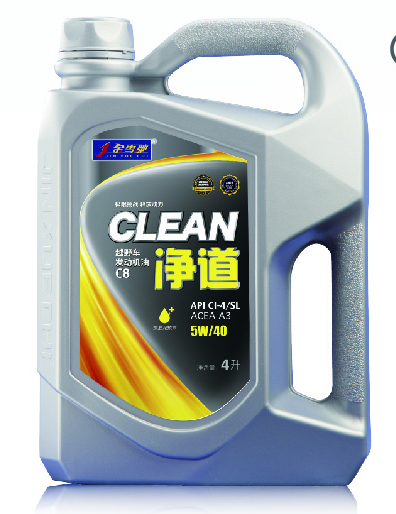
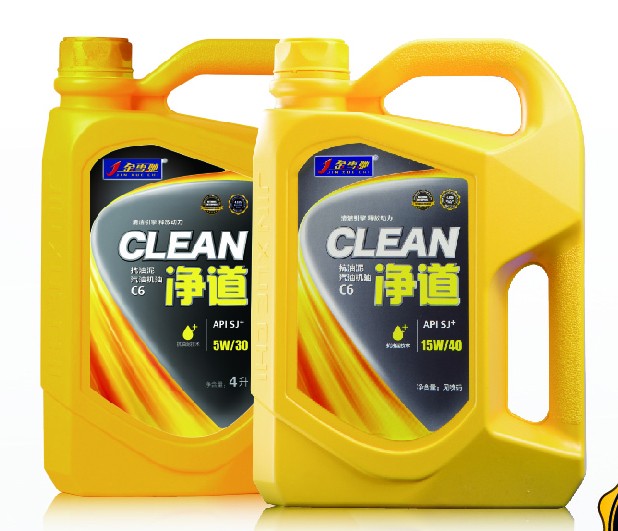
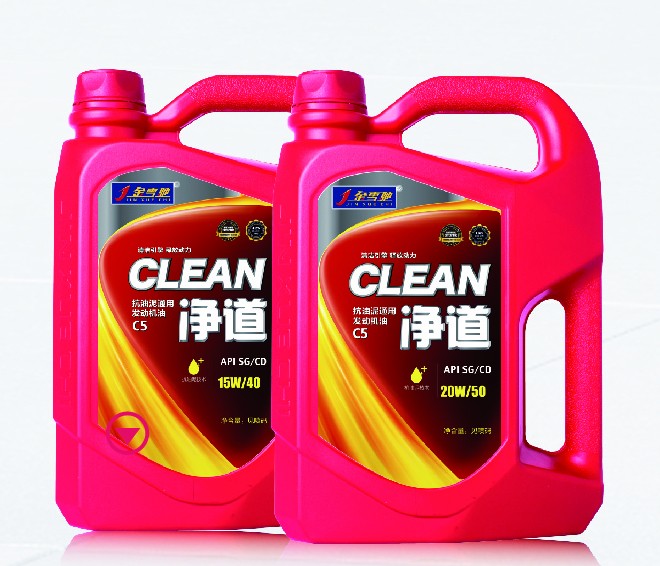
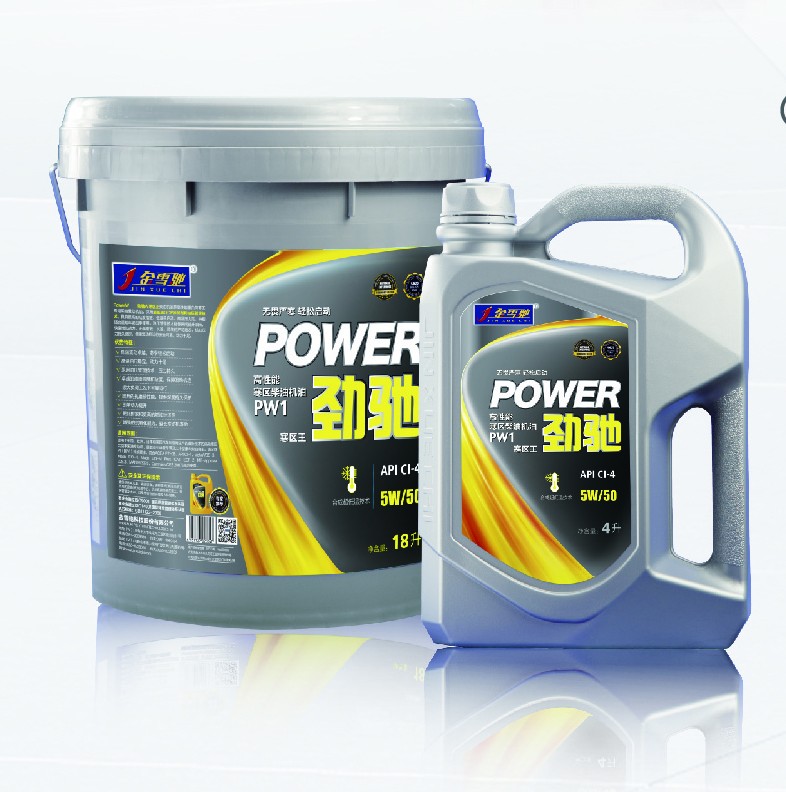
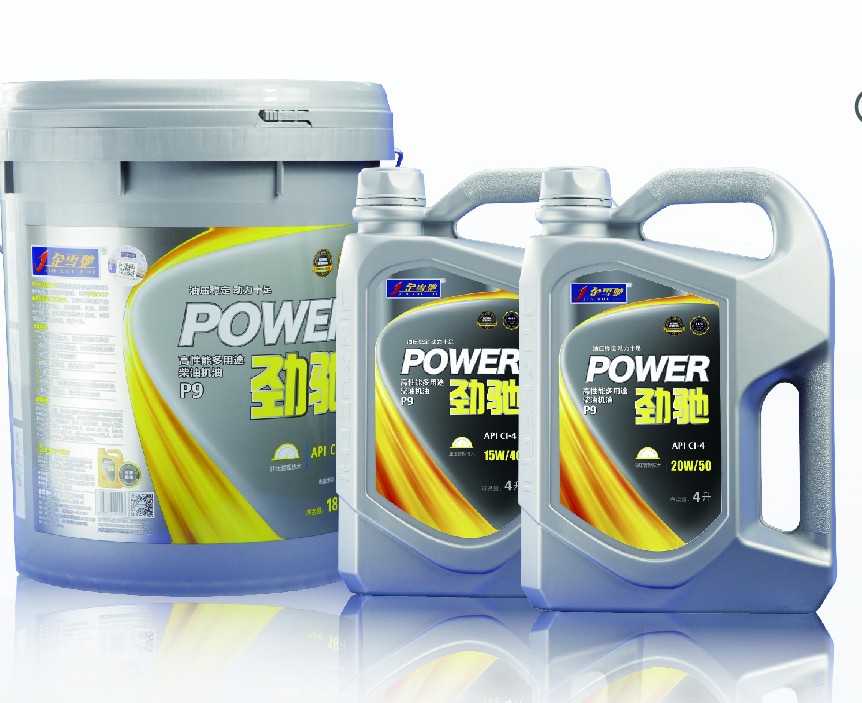
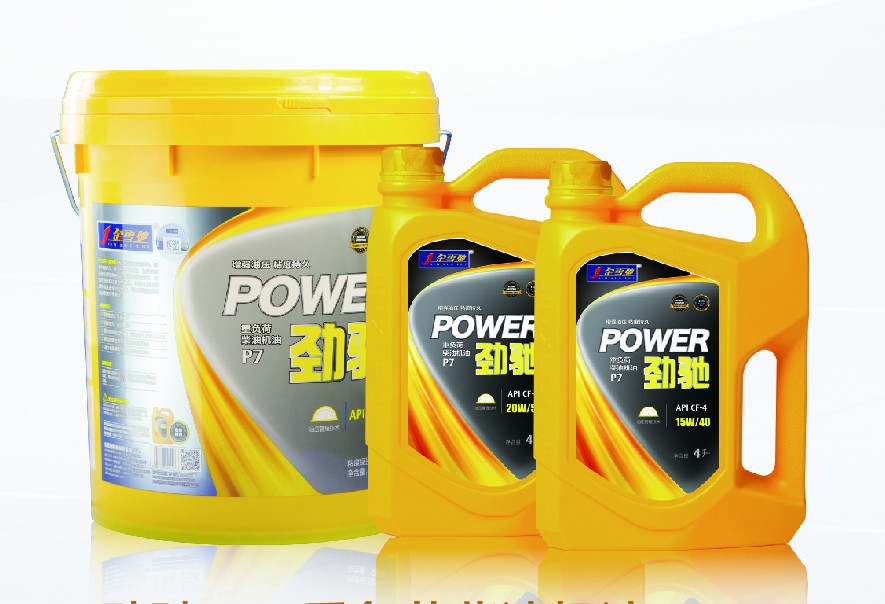
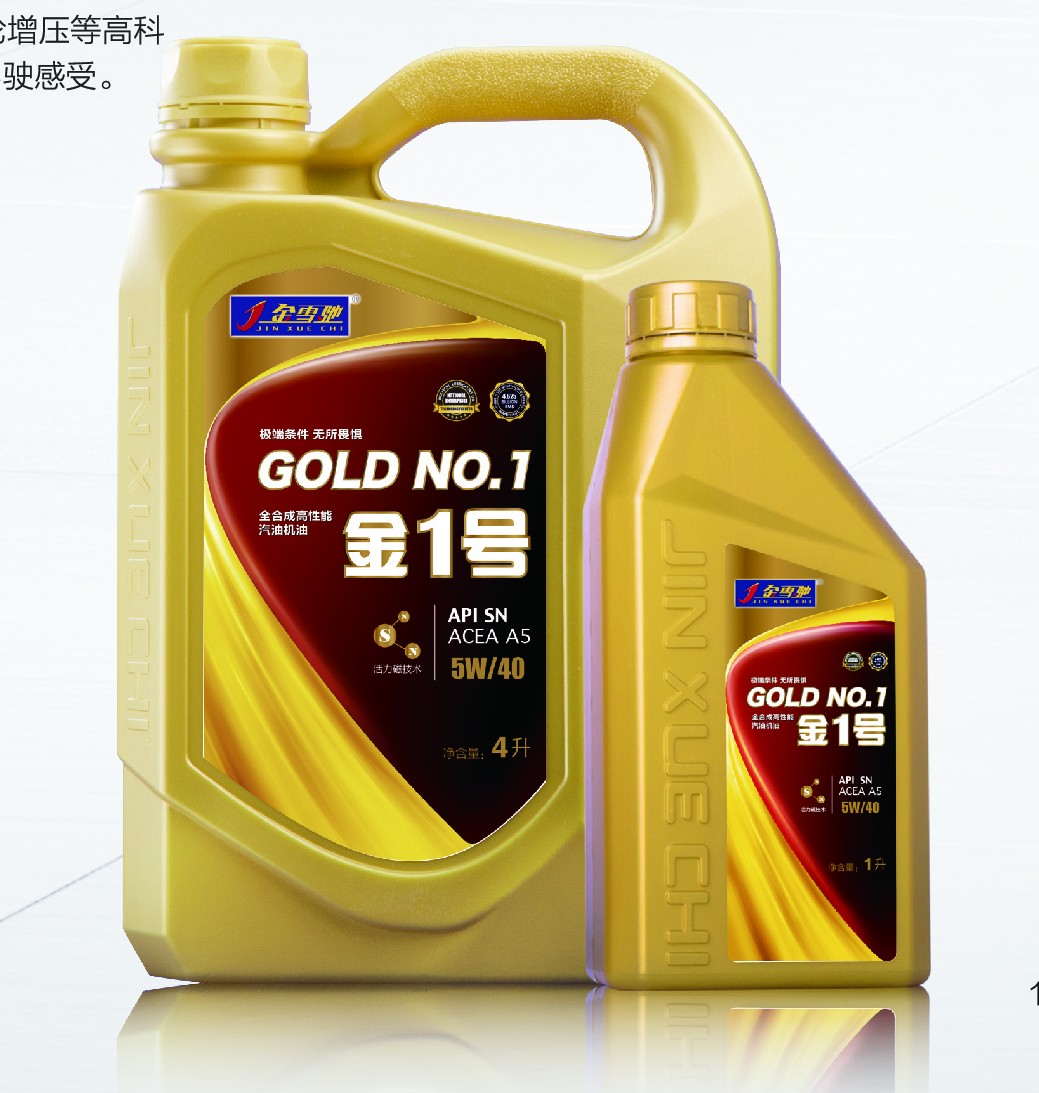
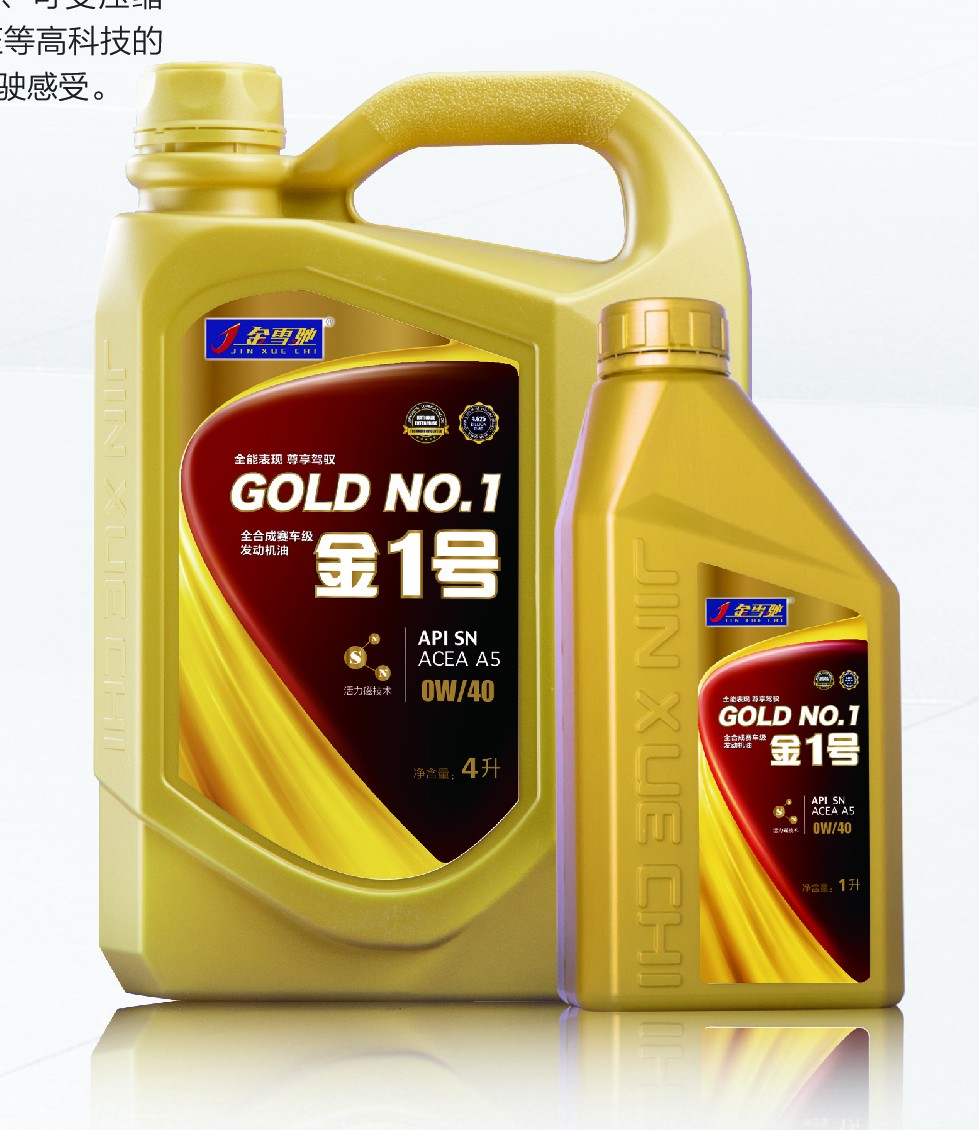
For brands developing their own product lines, packaging is as critical as the fluid itself. Automotive chemicals are highly reactive and require specific polymer blends for retail bottles (typically high-density polyethylene or HDPE) to prevent paneling (bottle collapse) or chemical leaching.
When utilizing OEM/ODM Services, you must specify the exact packaging format. Industrial buyers generally opt for 200-liter steel drums or 1,000-liter IBC totes, while retail brands require custom mold designs for 1-liter, 4-liter, or 5-liter bottles. Ensure your manufacturer utilizes automated filling and induction sealing lines; manual capping is highly prone to torque inconsistencies, leading to catastrophic leaks during ocean freight. Conducting thorough Factory Audits is the most reliable way to confirm a supplier's automated packaging capabilities.
Pricing Drivers, MOQs, and Lead Times
Lubricant pricing is highly volatile and directly tied to global crude oil indices and the cost of proprietary additive packages.
When negotiating, ask the supplier for a breakdown of the base oil cost versus the additive cost. If a quote for a "fully synthetic" oil is drastically under the market average, the factory is likely blending Group II mineral oils with viscosity modifiers to mimic synthetic performance.
Planning a new private-label lubricant line? Let us manage the supplier negotiation, compliance testing, and logistics.
Get a free consultationFrequently Asked Questions
Securing a reliable supply chain for engine lubricants and cleaners requires moving beyond basic pricing negotiations. Success in this category depends on deep chemical transparency, rigorous batch testing, and airtight packaging protocols to protect your brand's reputation and your bottom line.
Get Sourcing Help for Engine Lubricants & Cleaners
Tell us your requirements and our experts will connect you with verified manufacturers.