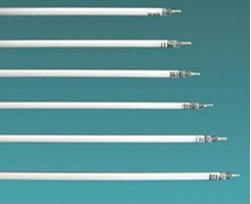
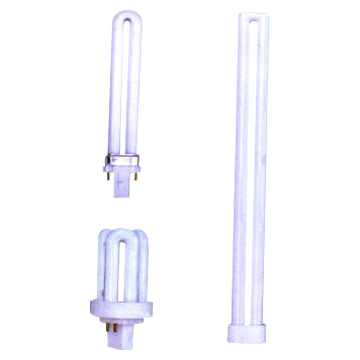
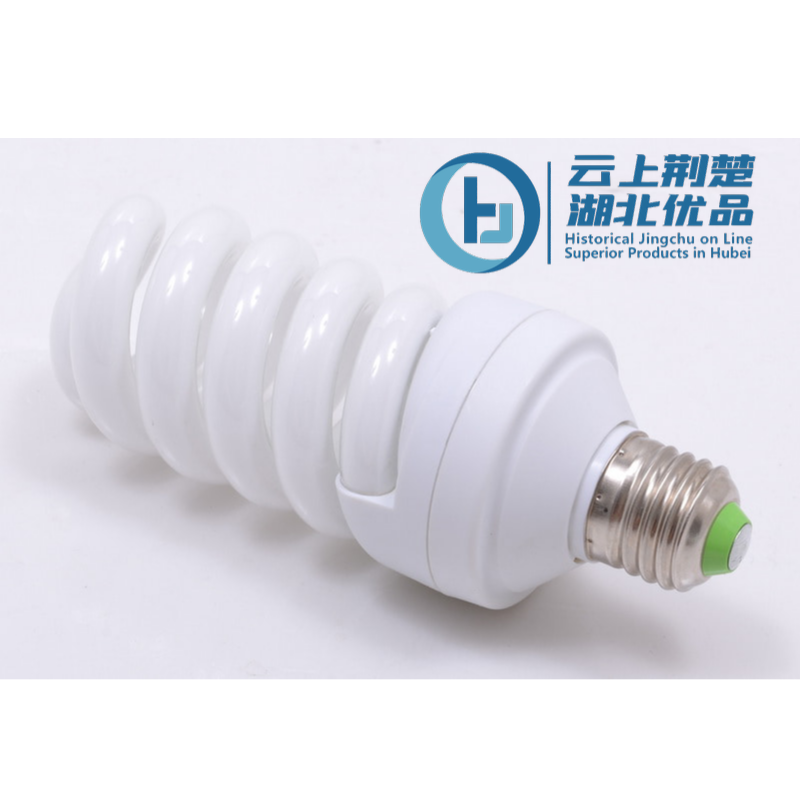
Energy-Saving & Fluorescent Lamps
Source commercial-grade energy-saving and fluorescent lamps directly from vetted manufacturers and suppliers. Designed for importers, wholesalers, distributors, and lighting brands seeking bulk wholesale pricing or custom OEM/private-label production.
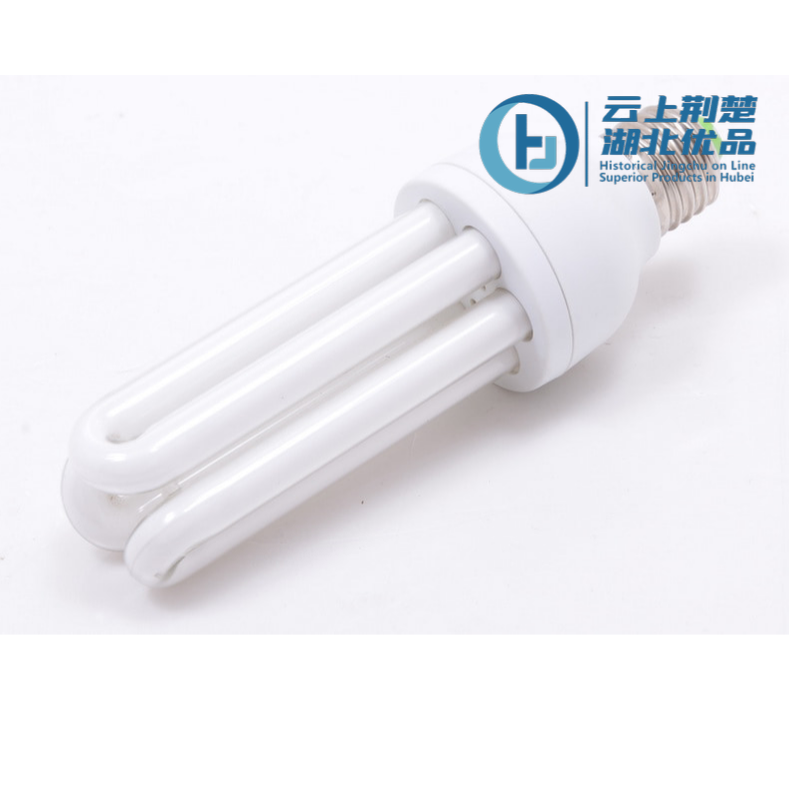
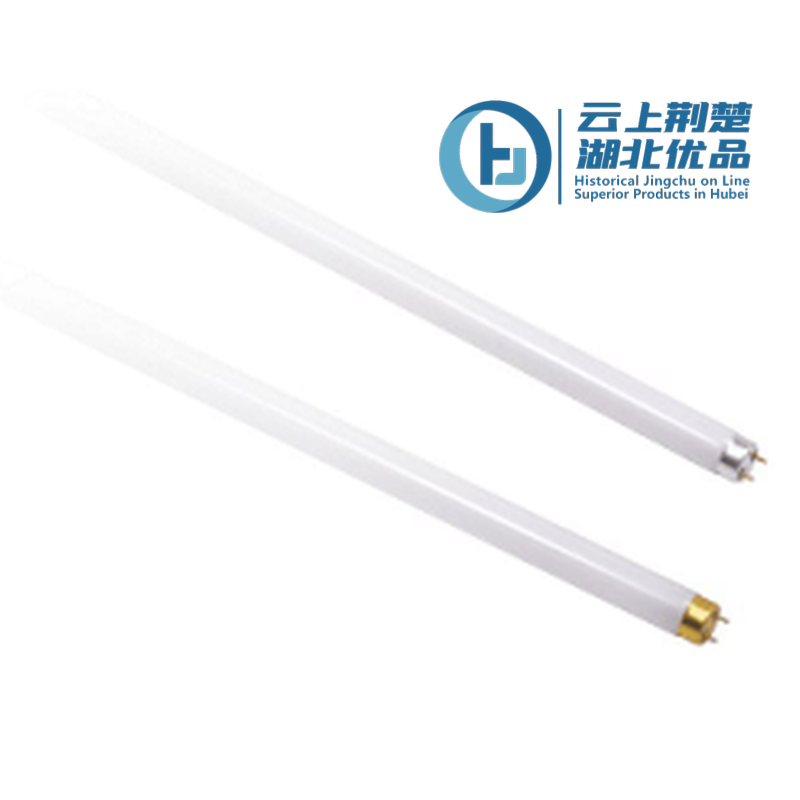
Sourcing fluorescent tubes and compact fluorescent lamps (CFLs) at scale requires navigating a mature but highly variable manufacturing base. While solid-state lighting dominates new installations, the global replacement market for commercial T5/T8 tubes and industrial high-wattage CFLs remains substantial. The primary procurement challenge lies in balancing unit cost against critical performance metrics: phosphor degradation, ballast lifespan, and strict hazardous material regulations.
Phosphor Coating and Lumen Maintenance
The quality of the phosphor powder applied to the inside of the glass tube dictates both the Color Rendering Index (CRI) and the lumen maintenance over the lamp's life. Factories typically offer two grades of phosphor, heavily impacting both price and performance.
| Specification | Halo-Phosphor | Tri-Phosphor |
|---|---|---|
| Color Rendering Index (CRI) | 60 to 70 (Poor) | 80 to 85+ (Standard/High) |
| Lumen Maintenance (at 2,000 hrs) | Drops by 20% or more | Retains over 90% |
| Typical Application | Budget residential, temporary lighting | Commercial, retail, office spaces |
| Cost Implication | Baseline cost | 15% to 30% premium |
When defining specifications with a supplier, explicitly state the required CRI and lumen maintenance. Substituting tri-phosphor with a cheaper halo-phosphor blend is a common margin-padding tactic in unverified factories.
Ballast Components and Thermal Management
For self-ballasted energy-saving lamps (CFLs), the electronic ballast housed in the plastic base is the most common point of failure. The lifespan of a CFL is rarely limited by the glass tube itself; it is limited by the electrolytic capacitor inside the ballast.
High operating temperatures degrade cheap capacitors rapidly. When vetting a factory's Bill of Materials (BOM), specify capacitors rated for 105 degrees Celsius rather than the cheaper 85-degree alternatives. Additionally, the plastic housing must be constructed from fire-retardant PBT (Polybutylene Terephthalate) to prevent melting or fire hazards under sustained use.
Need help verifying component quality and factory BOMs before mass production begins?
Talk to our teamFactory Floor Quality Control
Consistent quality in fluorescent lamp manufacturing relies on precise automation and rigorous end-of-line testing. Manual assembly in critical stages often leads to microscopic leaks in the glass seal, causing premature failure.
When conducting Factory Audits, evaluate the manufacturer based on these critical production stages:
Critical Manufacturing Checks
- Exhaust and Sealing: Ensure the vacuum and sealing processes are fully automated to prevent air ingress.
- Mercury Dosing: Verify the factory uses solid amalgam pills rather than liquid mercury to ensure precise dosing and regulatory compliance.
- Burn-In Testing: Confirm the factory runs a 100% inline aging process (typically 2 to 4 hours) cycling through different voltage parameters.
- Base Torsion Testing: Check that the bonding between the glass tube and the plastic/metal base withstands standard torque requirements.
Because fluorescent lamps contain mercury, they are heavily regulated. Ensuring your shipment meets RoHS limits and local safety standards (CE, UL) is mandatory. Engaging expert Compliance & Testing services early in the sourcing process prevents costly customs rejections. Likewise, implementing strict Quality Control & Inspection prior to container loading ensures that the specified components were actually used in your batch.
MOQs, Lead Times, and Pricing Dynamics
Pricing for fluorescent and energy-saving lamps is sensitive to raw material costs, specifically rare earth elements used in tri-phosphor blends and copper used in ballasts.
Order volumes directly dictate your leverage on component quality. Factories are more willing to source premium capacitors and high-grade tri-phosphor for orders exceeding 10,000 units per SKU.
Looking to consolidate lighting orders from multiple suppliers to optimize freight and pricing?
Get a free consultationSourcing fluorescent and energy-saving lamps successfully requires looking past the outer casing to the internal chemistry and electronics. By dictating strict BOMs, demanding tri-phosphor coatings, and enforcing rigorous pre-shipment inspections, buyers can secure highly reliable products that protect their brand reputation in the replacement market.
Get Sourcing Help for Energy-Saving & Fluorescent Lamps
Tell us your requirements and our experts will connect you with verified manufacturers.