Electronic Signs
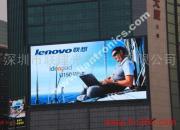
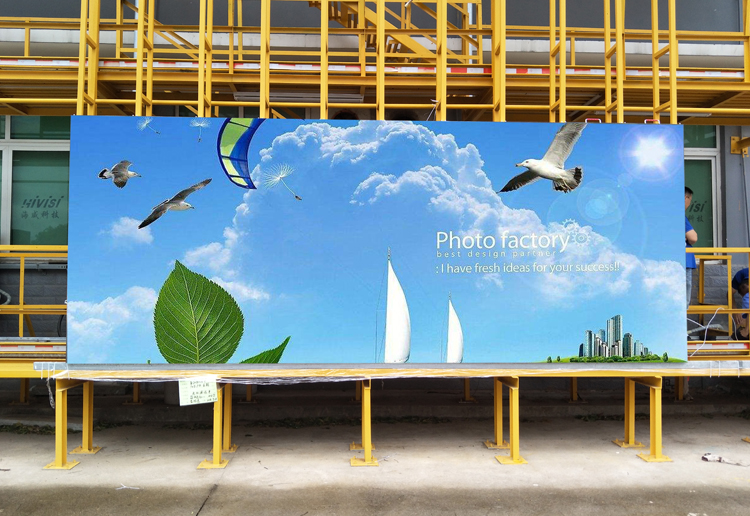
Source commercial-grade electronic signs in bulk directly from vetted Chinese manufacturers. Designed for importers, wholesalers, and brands requiring OEM production, our network delivers reliable LED advertising equipment with rigorous quality control, competitive pricing, and full compliance for your target market.
Sourcing commercial electronic signs at scale requires strict attention to component quality, environmental resilience, and thermal management. In the advertising equipment sector, a display is only as reliable as its weakest solder joint or its poorest-binned LED chip. For volume buyers, securing a reliable supply chain means looking past the spec sheet and scrutinizing the factory’s surface-mount technology (SMT) lines, potting processes, and aging facilities.
Core Specifications for Volume Buyers
When configuring electronic signs for wholesale or custom projects, the technical parameters dictate both the application and the manufacturing cost.
Pixel Pitch and Viewing Distance
Pixel pitch (the "P-value") is the distance in millimeters between the center of two adjacent pixels. It directly determines pixel density and optimal viewing distance. Indoor retail displays typically utilize fine-pitch modules (P1.2 to P2.5), while large-scale outdoor advertising signs rely on P4 to P10 modules. Specifying a finer pitch than necessary exponentially increases the LED density, driving up power consumption, heat generation, and unit cost.
Brightness and Refresh Rates
Outdoor electronic signs must combat direct sunlight, requiring a brightness of 5,500 to 10,000 nits (cd/m²). Indoor units require only 800 to 1,500 nits; driving indoor LEDs harder than necessary accelerates degradation. Refresh rates are equally critical, especially for digital signage captured on camera. Standard displays operate at 1920Hz, but premium advertising signs require 3840Hz or higher to eliminate scan lines and flicker on broadcast or smartphone video.
| Specification | Indoor Electronic Signs | Outdoor Electronic Signs |
|---|---|---|
| Typical Pixel Pitch | P1.2 to P4 | P4 to P16 |
| Brightness (Nits) | 800 to 1,500 | 5,500 to 10,000+ |
| IP Rating | IP43 or lower | IP65 (Front) / IP54 (Rear) |
| Cabinet Material | Die-cast Aluminum | Iron or Magnesium Alloy |
Manufacturing Process and Quality Control
The longevity of an electronic sign is won or lost on the factory floor. High-volume production relies on automated SMT processes to mount thousands of surface-mount devices (SMD) onto printed circuit boards (PCBs).
A critical step for outdoor signs is the "potting" process—applying a conformal coating or silicone glue over the PCB to protect against moisture and dust. Inconsistent potting leads to rapid failure in humid environments. To ensure long-term stability, factories must perform an aging test. A standard aging process runs the assembled modules at 100 percent brightness for a minimum of 72 hours, cycling through pure white, red, green, blue, and standard video feeds to expose premature failures.
Need to verify a supplier's SMT capabilities and aging rooms? We can evaluate factory infrastructure before you place a volume order.
Get a free consultationImplementing robust Quality Control & Inspection is non-negotiable. Inspectors should focus on specific failure points during pre-shipment checks.
Critical QC Checks for Electronic Signs
- Dead pixel ratio verification (industry standard is strictly under 0.0001)
- Color uniformity and white balance calibration across all modules
- Integrity of waterproof potting and cabinet sealing (IP rating verification)
- Power supply load testing and thermal distribution checks
- Confirmation of specified LED chip brands (e.g., Nationstar, Kinglight)
Pricing Drivers, MOQs, and Lead Times
Unlike consumer electronics, electronic signs are rarely priced per unit; they are priced per square meter or per cabinet.
- Minimum Order Quantities (MOQs): Standard MOQs typically range from 5 to 10 square meters, or 10 to 20 standardized cabinets. For buyers utilizing OEM/ODM Services to develop custom cabinet dimensions, unique form factors, or proprietary control interfaces, MOQs will increase to justify the tooling and R&D costs.
- Pricing Drivers: The most significant price variable is the LED chip brand. Specifying Tier-1 chips (like Nationstar) over standard commercial chips (like Kinglight) can increase the module cost by 20 to 40 percent, but drastically improves color consistency and lifespan. The choice of driving IC (Integrated Circuit) and the control system (such as Novastar or Linsn) also impacts the final price.
- Lead Times: Standard production runs require 15 to 25 days. Custom OEM projects, or orders requiring specific high-end ICs that may face supply chain bottlenecks, can extend lead times to 35 to 45 days.
Looking to optimize your bill of materials without sacrificing display lifespan? Let us help you negotiate pricing and component specs with top-tier manufacturers.
Talk to our teamBuyer FAQ
Ultimately, successful sourcing in the electronic sign category requires verifying that a supplier's manufacturing environment matches their spec sheet. Partnering with a team that conducts thorough Factory Audits ensures your chosen manufacturer has the clean rooms, automated SMT lines, and dedicated aging facilities required to produce commercial-grade displays at scale.
Get Sourcing Help for Electronic Signs
Tell us your requirements and our experts will connect you with verified manufacturers.