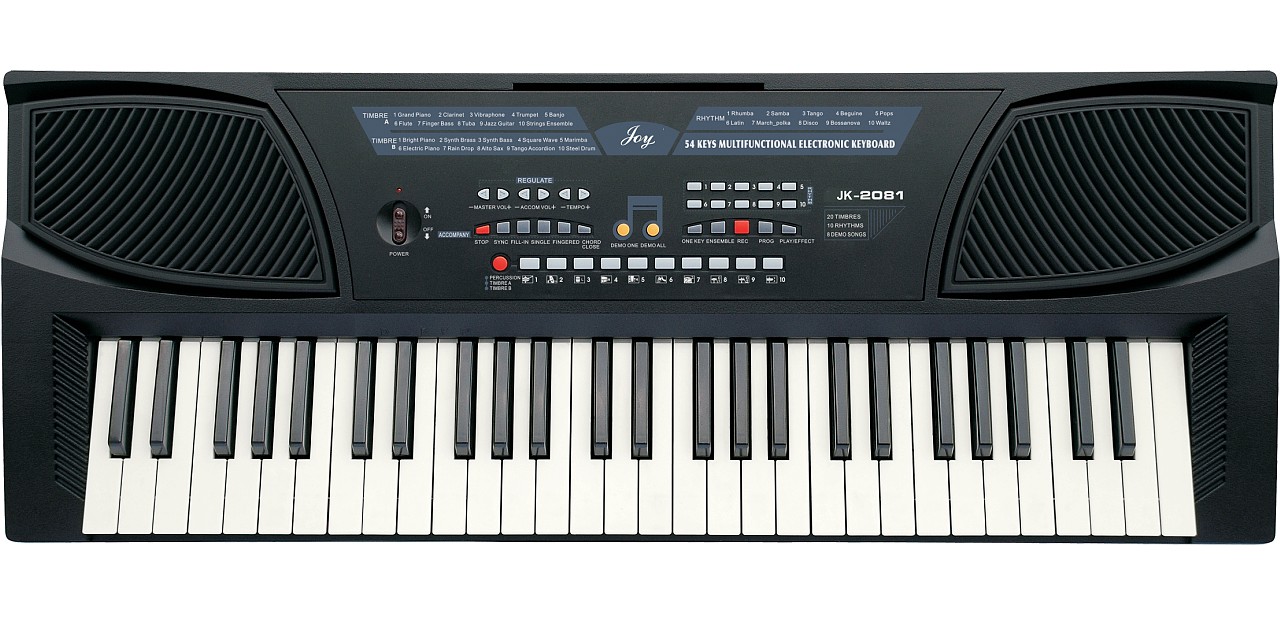
Electronic Organ
Source high-quality electronic organs in bulk directly from vetted manufacturers and suppliers. Designed for importers, musical instrument distributors, and brands seeking OEM/ODM production, this catalog features reliable partners capable of meeting strict quality standards, volume requirements, and custom specifications.
Procuring electronic organs at scale requires balancing digital sound engine performance, keybed mechanics, and manufacturing consistency. Whether you are sourcing entry-level 61-key models for educational markets or advanced stage organs with drawbar controls and high-polyphony DSPs, success depends on partnering with factories that maintain strict tolerances in both printed circuit board assembly (PCBA) and mechanical action.
Below, we detail the technical specifications, quality control checkpoints, and procurement realities you must navigate when sourcing electronic keyboard instruments from overseas manufacturers.
Core Specifications and Component Sourcing
The perceived value of an electronic organ hinges on two primary components: the sound engine and the keybed. When negotiating with suppliers, defining these specifications clearly prevents "spec-fading" during mass production.
| Specification | Entry-Level Market | Professional / Stage Market |
|---|---|---|
| Polyphony | 16 to 32 notes | 128 to 256 notes |
| Key Action | Non-weighted / Synth action | Semi-weighted / Waterfall action |
| Sound Engine | Basic PCM sampling | Advanced DSP / Multi-layer sampling |
| I/O Connectivity | Headphone out, basic USB | MIDI in/out/thru, L/R Audio, Expression pedal |
The Sound Engine (DSP vs. PCM)
Manufacturers typically use Pulse Code Modulation (PCM) chips for budget models, relying on compressed audio samples. For higher-end units, Digital Signal Processing (DSP) is required to accurately model tonewheel organs, rotary speaker effects, and complex harmonics. Ensure your supplier has the engineering capability to integrate the required chipsets and that their firmware allows for stable multi-note polyphony without voice stealing or latency.
Keybed Mechanics and Tooling
Keybed quality dictates the player's experience. Injection molding precision is critical; poor tooling leads to uneven key gaps, lateral wobble, and inconsistent velocity sensitivity. If you are developing a proprietary instrument, you will likely need OEM/ODM Services to design custom keybed tooling, which carries significant upfront costs but ensures exclusive market positioning.
Navigating DSP chip sourcing and custom keybed tooling can delay your product launch. Connect with us to streamline your technical sourcing.
Talk to our teamManufacturing Quality Control
Electronic organs are complex assemblies of plastics, electronics, and audio components. Defects often occur at the intersection of these subsystems. Implementing rigorous Quality Control & Inspection protocols during assembly is non-negotiable.
Critical QC Checkpoints for Electronic Organs
- Velocity sensitivity mapping and consistency across all octaves
- Speaker output distortion testing at maximum volume (THD limits)
- Button, dial, and drawbar actuation lifecycle testing
- I/O port (MIDI, USB, Audio) seating, solder joint integrity, and connectivity
- Power supply voltage regulation, thermal dissipation, and electrical safety compliance
Factories should perform in-line testing of the PCBA before final assembly, followed by acoustic testing in a soundproof environment to verify speaker performance and chassis resonance.
Buying Mechanics: MOQs, Lead Times, and Pricing
The electronic instrument manufacturing hub is heavily concentrated in specific regions of Asia, particularly Guangdong and Zhejiang provinces in China. Pricing is highly dependent on the bill of materials (BOM), specifically the IC chips and the quality of the plastic resins used for the chassis and keys.
Before committing to a large production run, conducting thorough Factory Audits is highly recommended. You must verify that the supplier actually mounts their own PCBAs and molds their own plastics, rather than simply assembling components purchased from sub-tier suppliers, which severely limits their ability to control quality and customize features.
Need to verify a supplier's true production capabilities before placing a volume order? We can manage the audit and negotiation process for you.
Get a free consultationFrequently Asked Questions
Sourcing electronic organs demands technical diligence and a deep understanding of audio electronics manufacturing. By clearly defining your specifications and enforcing strict quality standards on the factory floor, you can secure reliable production lines that deliver instruments your market will value.
Get Sourcing Help for Electronic Organ
Tell us your requirements and our experts will connect you with verified manufacturers.