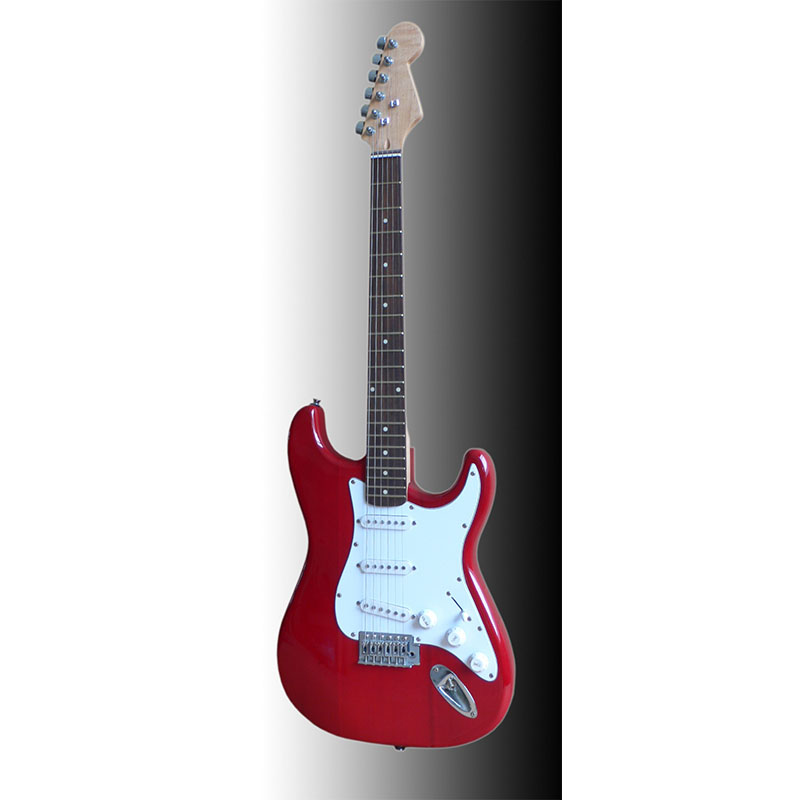
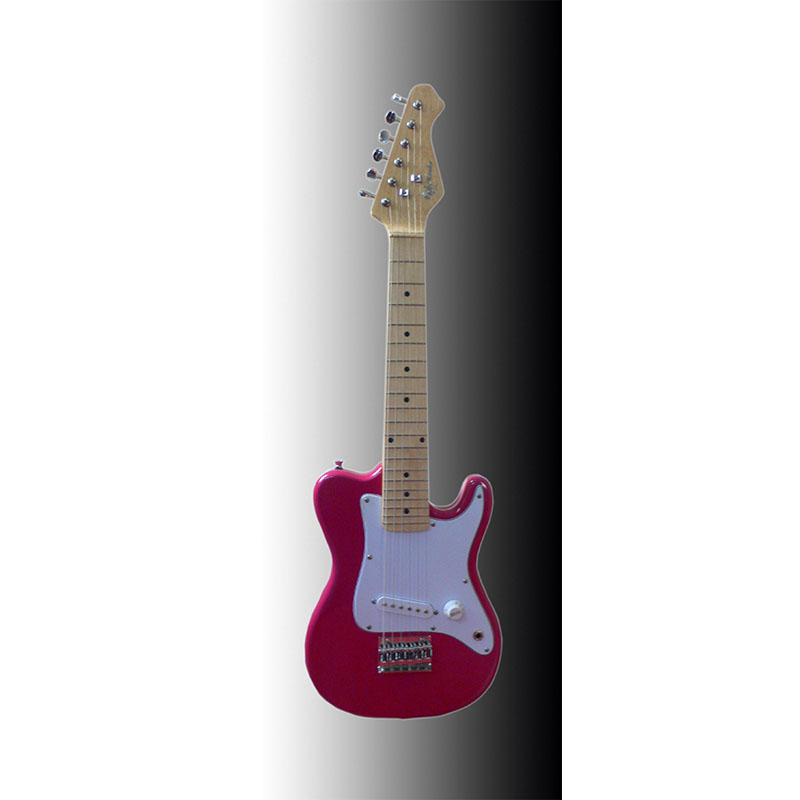
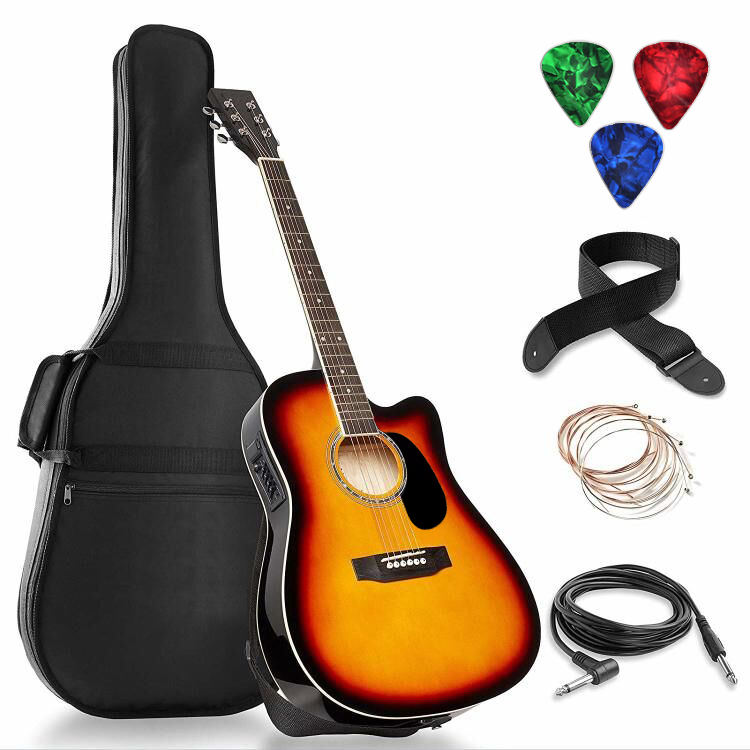
Electronic guitar
Source high-quality electronic guitars from vetted suppliers and manufacturers in China and Asia. Designed for importers, wholesalers, distributors, and musical instrument brands seeking reliable OEM and private-label production. Discover competitive pricing and scalable bulk purchasing options.
Sourcing electronic guitars in volume requires balancing traditional woodworking craftsmanship with precise electronic assembly. Whether you are developing a new line of entry-level instruments for a retail distribution network or engineering premium models for an established brand, the factory you choose must demonstrate strict control over wood moisture content, CNC machining tolerances, and component sourcing.
Critical Specifications and Component Selection
The bill of materials (BOM) for an electronic guitar dictates both the instrument's tonal qualities and its manufacturing cost. When negotiating with suppliers, clarity on these components prevents unauthorized substitutions that can compromise the final product.
Tonewoods and Neck Construction
The core of the instrument relies on properly cured wood. Factories must dry blanks to a moisture content of 6 to 8 percent to prevent warping or cracking after shipment. Common body woods include basswood or poplar for entry-level models, while alder, ash, and mahogany are standard for mid-tier and premium guitars. Neck construction typically utilizes maple, with fretboards made from rosewood, maple, or sustainable composite alternatives.
| Component | Entry-Level / Budget | Mid-Tier / Professional |
|---|---|---|
| Body Wood | Basswood, Poplar, Paulownia | Alder, Ash, Mahogany |
| Neck Profile | Standard C-shape (Basic CNC) | Custom profiles with graphite reinforcement |
| Pickups | Ceramic magnets, unpotted | Alnico V, wax-potted, custom winding |
| Hardware | Zinc alloy bridges, unbranded tuners | Brass/steel blocks, locking tuners |
Electronics and Hardware
The electronic assembly—pickups, potentiometers, switches, and output jacks—is where many budget manufacturers cut corners. Specify the magnet type (Ceramic vs. Alnico) and ensure the pickups are wax-potted to reduce microphonic feedback. Furthermore, the electronic components must meet regional regulations. Utilizing Compliance & Testing services ensures that solders and internal wiring meet RoHS and CE standards, which is mandatory for import into the EU and other regulated markets.
Developing a custom guitar line? We help brands identify factories with the right CNC capabilities and tonewood supply chains to bring your designs to life.
Talk to our teamManufacturing Capabilities and Quality Control
Not all instrument factories are created equal. Some specialize purely in assembly, purchasing finished bodies and necks from subcontractors, while others are vertically integrated, handling raw timber processing, CNC routing, painting, and final setup in-house.
When evaluating a manufacturer, conducting thorough Factory Audits is essential to verify their in-house capabilities, particularly their CNC machinery precision and their climate-controlled wood storage facilities.
Where Quality is Won or Lost
The most critical phase of electronic guitar production is the fretwork and neck alignment. Poorly seated or unlevel frets result in "fret buzz" and render the instrument unplayable.
Pre-Shipment Inspection Checklist
- Fret leveling and crowning: Ensure no sharp fret ends (fret sprout).
- Neck relief and truss rod functionality: Verify dual-action truss rods adjust smoothly.
- Finish flaws: Check for paint pooling in neck pockets or routing cavities.
- Electronic shielding: Confirm control cavities are coated with conductive paint or copper tape to reduce hum.
- Intonation and action: Guitars must be set up to standard string height tolerances before packing.
Implementing rigorous Quality Control & Inspection directly on the factory floor allows you to catch fretwork or finishing issues before the instruments are boxed and loaded into shipping containers.
MOQs, Pricing, and Production Lead Times
Understanding the commercial realities of electronic guitar manufacturing helps in planning your inventory and cash flow. Pricing is highly elastic, driven by wood selection, hardware branding, and the complexity of the finish (e.g., solid color vs. flamed maple veneer with burst finishes).
If you are leveraging OEM/ODM Services to create custom body shapes or proprietary headstocks, expect to pay tooling fees for the CNC programming and custom jigs. These fees are often refundable once a certain cumulative order volume is reached.
Struggling with inconsistent factory pricing or high MOQs? Let us negotiate on your behalf and structure a supply agreement that protects your margins.
Get a free consultationFrequently Asked Questions
Successfully sourcing electronic guitars at scale requires more than just finding a supplier with a low unit price. It demands strict oversight of raw materials, rigorous in-line quality control, and a deep understanding of instrument mechanics. By partnering with experienced sourcing professionals, you can secure reliable production lines that consistently deliver stage-ready instruments.
Get Sourcing Help for Electronic guitar
Tell us your requirements and our experts will connect you with verified manufacturers.