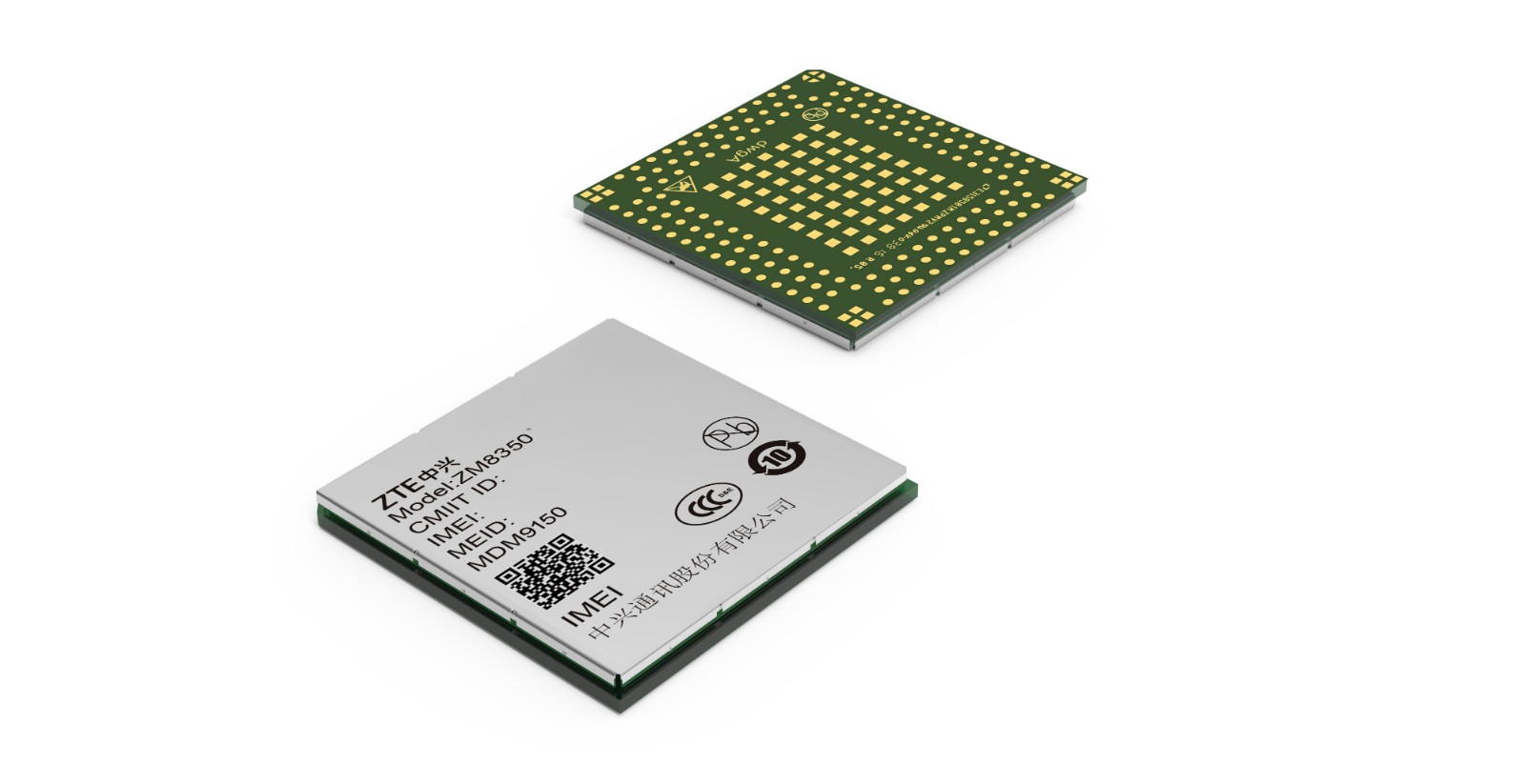
Electronic Control Modules
Source premium Electronic Control Modules from vetted suppliers and manufacturers across Asia. Designed for automotive distributors, aftermarket wholesalers, and brands seeking reliable OEM production, our network delivers high-performance ECMs built to strict industry standards. Secure competitive bulk pricing for your supply chain today.
Sourcing automotive Electronic Control Modules (ECMs) requires navigating strict reliability standards, complex semiconductor supply chains, and rigorous testing environments. Because these modules act as the central nervous system for modern vehicles—managing everything from engine timing to advanced driver-assistance systems—a failure is not merely a warranty issue; it is a critical safety and performance liability. Securing a reliable supply chain means partnering with factories that possess deep expertise in automotive-grade PCB assembly, thermal management, and firmware integration.
Critical Hardware and Architectural Specifications
When engaging with manufacturers, your Request for Quotation (RFQ) must move beyond basic functionality and specify the exact hardware architecture and environmental tolerances required. Automotive environments are notoriously harsh, subjecting electronics to extreme temperature fluctuations, mechanical vibration, and fluid exposure.
To ensure long-term reliability, buyers must dictate the grade of components used on the board. Active components should be AEC-Q100 qualified, while passives should meet AEC-Q200 standards. Furthermore, the communication protocols—whether CAN 2.0, CAN FD, LIN, or FlexRay—must be explicitly matched to the target vehicle's network architecture.
Key ECM Specifications to Define in Your RFQ
- Microcontroller Unit (MCU): Specify 16-bit or 32-bit architecture, processing speed, and memory (Flash/EEPROM) capacity.
- Communication Protocols: Ensure native hardware support for CAN, LIN, or specific proprietary bus networks.
- Environmental Protection: Define potting (epoxy, silicone, or polyurethane) versus conformal coating based on the mounting location.
- Thermal Management: Specify heat dissipation requirements, including thermal pad layout and aluminum housing alloys.
- Component Grade: Mandate AEC-Q100 (active) and AEC-Q200 (passive) qualified components to guarantee temperature and vibration resilience.
Manufacturing Standards and Defect Prevention
The difference between a consumer-grade electronics factory and an automotive-grade ECM manufacturer lies in process control. High-quality ECM production relies on highly automated Surface Mount Technology (SMT) lines capable of handling complex Ball Grid Array (BGA) components with zero-defect tolerances.
Quality is won or lost during the inspection and testing phases. Facilities should employ Automated Optical Inspection (AOI) and 3D X-ray inspection to verify solder joint integrity. Because of the critical nature of these parts, conducting comprehensive Factory Audits before production begins is essential to verify that the supplier holds active IATF 16949 certification and maintains strict lot traceability.
SMT & Component Placement
Automated placement of AEC-Q qualified components onto high-TG (glass transition temperature) printed circuit boards, followed by precise reflow soldering.
AOI & X-Ray Inspection
Automated Optical Inspection and X-ray checks to detect solder bridging, voids, or tombstoning, particularly under BGA components.
In-Circuit & Functional Testing
Verifying electrical continuity and flashing the initial bootloader or firmware to validate MCU and I/O functionality.
Sealing & Environmental Protection
Applying conformal coating for cabin modules or full resin potting to completely seal under-hood PCBs from moisture, dust, and vibration.
Need to verify a manufacturer's capability to produce complex automotive ECMs? Our engineering and sourcing teams can evaluate factory production lines and quality systems on your behalf.
Discuss your technical requirementsCustomization and OEM/ODM Integration
For brands developing proprietary aftermarket solutions or specialized fleet management tools, off-the-shelf modules are rarely sufficient. Engaging a factory for OEM/ODM Services allows you to customize both the hardware layout and the housing design.
A critical aspect of custom ECM production is firmware integration. You must establish clear protocols for how and when your proprietary software is flashed onto the modules. Top-tier manufacturers will set up dedicated functional testing jigs at the end of the line, allowing them to flash the firmware and run a simulated diagnostic check before the module is sealed. To ensure the final product meets regional regulatory and safety standards, integrating rigorous Compliance & Testing into the development phase is highly recommended.
Buying Mechanics: MOQ, Lead Times, and Pricing
Procuring ECMs at scale involves significant upfront investment in tooling and Non-Recurring Engineering (NRE) costs, particularly if you require custom aluminum die-cast housings or bespoke PCB layouts. Tooling lead times alone can range from 30 to 45 days before the first physical prototypes are available for validation.
Pricing is heavily dependent on the global semiconductor market, the complexity of the MCU, and the volume of the order. Standardized aftermarket replacements may have lower barriers to entry, while custom OEM modules will require higher minimum commitments to justify the engineering setup.
Navigating tooling costs and semiconductor supply chains can be complex. Speak with our team to get realistic cost projections and lead times for your ECM production run.
Get a pricing consultationFrequently Asked Questions
Successfully sourcing Electronic Control Modules requires a rigorous approach to supplier selection and quality validation. By demanding strict adherence to automotive standards and implementing comprehensive inspection protocols, you can secure a reliable supply of high-performance modules that protect both your brand's reputation and the end user's safety.
Get Sourcing Help for Electronic Control Modules
Tell us your requirements and our experts will connect you with verified manufacturers.