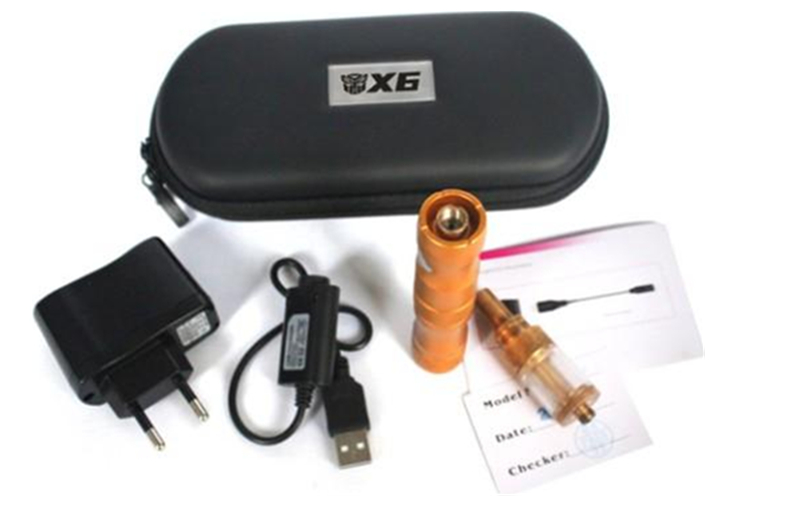
Electronic Cigarette Accessories
Source premium electronic cigarette accessories directly from vetted manufacturers and wholesale suppliers. Built for importers, distributors, and brands seeking reliable OEM/ODM production, our network delivers high-volume components with stringent quality control and competitive pricing.
Sourcing electronic cigarette accessories at scale requires balancing unit cost with exact manufacturing tolerances. Whether you are procuring replacement glass, silicone cases, drip tips, lanyards, or retail display units, minor deviations in tooling or material grade can lead to fitment issues, regulatory headaches, or poor end-user experiences. Successfully navigating the supplier landscape in manufacturing hubs like Shenzhen and Dongguan means looking past surface-level pricing to verify factory capabilities, raw material sourcing, and quality management systems.
Core Material Specifications and Tolerances
Accessories in the vaping industry must withstand heat, chemical exposure (e-liquids), and daily wear. Specifying the correct materials on your purchase order is the first step in preventing mass defects.
- Silicone and Rubber: Must be specified as food-grade or medical-grade, particularly for drip tip covers and protective cases. Lower-grade industrial silicone can degrade when exposed to propylene glycol (PG) or vegetable glycerin (VG), leading to discoloration or tearing.
- Glass Components: Replacement tubes should be manufactured from high-borosilicate glass (often referred to as Pyrex). This material offers superior thermal shock resistance compared to standard soda-lime glass, which is prone to cracking under rapid temperature changes.
- Plastics and Resins: Drip tips and structural components typically utilize POM (Delrin), PEI (Ultem), or epoxy resins. These materials provide excellent heat insulation. Ensure your supplier specifies the exact polymer blend to avoid heat distortion during use.
- Metals: Stainless steel (304 or 316 grade) is the standard for durable accessories like adapters and decorative rings. Aluminum alloys (like 6061) are common for lightweight stands and cases, requiring precise anodization to prevent scratching.
Struggling with inconsistent accessory fitment from your current suppliers? We can help stabilize your supply chain.
Talk to our teamManufacturing Challenges and Quality Control
The primary failure point in accessory manufacturing is inconsistent tooling. A factory may produce a flawless "golden sample," but as injection molds or CNC tools wear down during mass production, tolerances drift. This results in silicone cases that slide off, drip tips that fit too loosely, or replacement glass that leaks.
Implementing rigorous Quality Control & Inspection protocols at the factory level is essential. Relying solely on the factory's internal QC often results in discovering defects only after the container has arrived at your warehouse.
Pre-Shipment Inspection Checkpoints for Accessories
- Dimensional verification using digital calipers against approved CAD files (critical for O-ring grooves and threads).
- Thermal stress testing for glass components to ensure borosilicate integrity.
- Chemical resistance checks on silicone and painted surfaces using simulated e-liquid exposure.
- Visual inspection for mold flash, burrs, or uneven anodization on metal parts.
- Packaging drop tests to ensure fragile accessories (like glass) survive international transit.
Customization and OEM/ODM Considerations
For brands looking to differentiate, custom accessories offer high margins. Developing proprietary drip tip designs, custom-molded silicone cases, or branded display stands requires partnering with a factory that excels in OEM/ODM Services.
When negotiating custom tooling, clarify mold ownership upfront. If you pay for the injection mold or CNC programming, your contract must state that the mold is your exclusive property and cannot be used to supply other buyers. Additionally, ensure that custom materials comply with regional regulations, which can be verified through independent Compliance & Testing.
| Factor | White-Label (Off-the-shelf) | OEM/Custom Tooling |
|---|---|---|
| Lead Time | 7 to 15 days | 30 to 45 days (incl. mold creation) |
| Upfront Costs | Low (Product cost only) | High (Mold and R&D fees apply) |
| Brand Differentiation | Low (Standard shapes, custom colors) | High (Proprietary designs) |
Typical MOQs, Pricing, and Lead Times
Minimum Order Quantities (MOQs) and pricing are highly dependent on the manufacturing process and material.
- Silicone Cases & Lanyards: MOQs typically range from 1,000 to 3,000 units per color. These are high-volume, low-margin items where scale drives the price down significantly.
- Replacement Glass & Drip Tips: Standard sizes often have lower MOQs (500 to 1,000 units), but custom shapes will require a commitment of 3,000 to 5,000 units to justify the machine setup time.
- Lead Times: Standard production runs take 15 to 25 days. If you are opening new molds for OEM products, add an additional 15 to 20 days for mold CNC machining, sampling, and refinement.
Need accurate pricing and lead times for your custom accessory line? Connect with our sourcing experts.
Get a free consultationFrequently Asked Questions
Securing reliable electronic cigarette accessories requires looking beyond the unit price. By strictly defining material grades, enforcing tight dimensional tolerances, and verifying factory capabilities before production begins, you can build a resilient supply chain that protects your brand's reputation and bottom line.
Get Sourcing Help for Electronic Cigarette Accessories
Tell us your requirements and our experts will connect you with verified manufacturers.