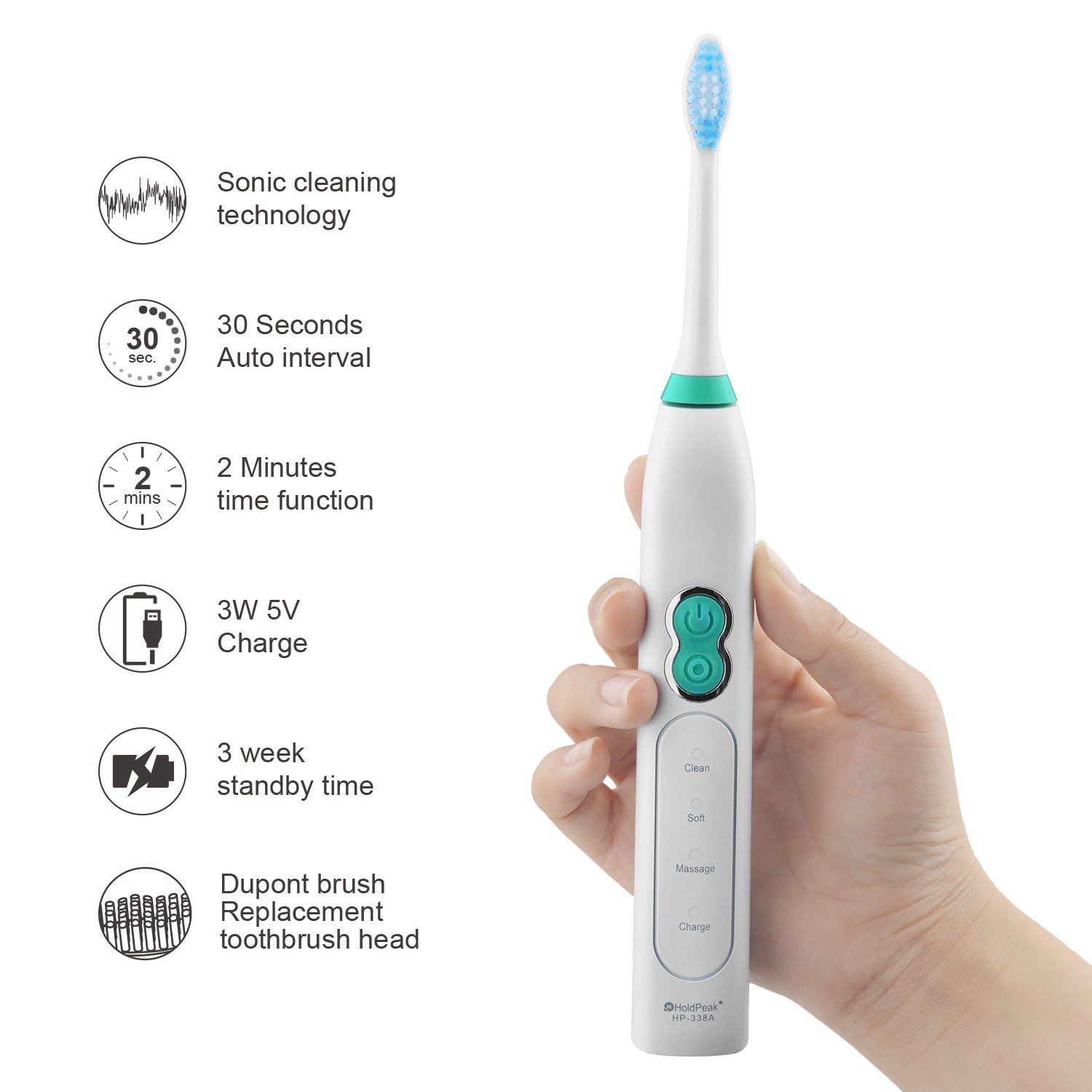
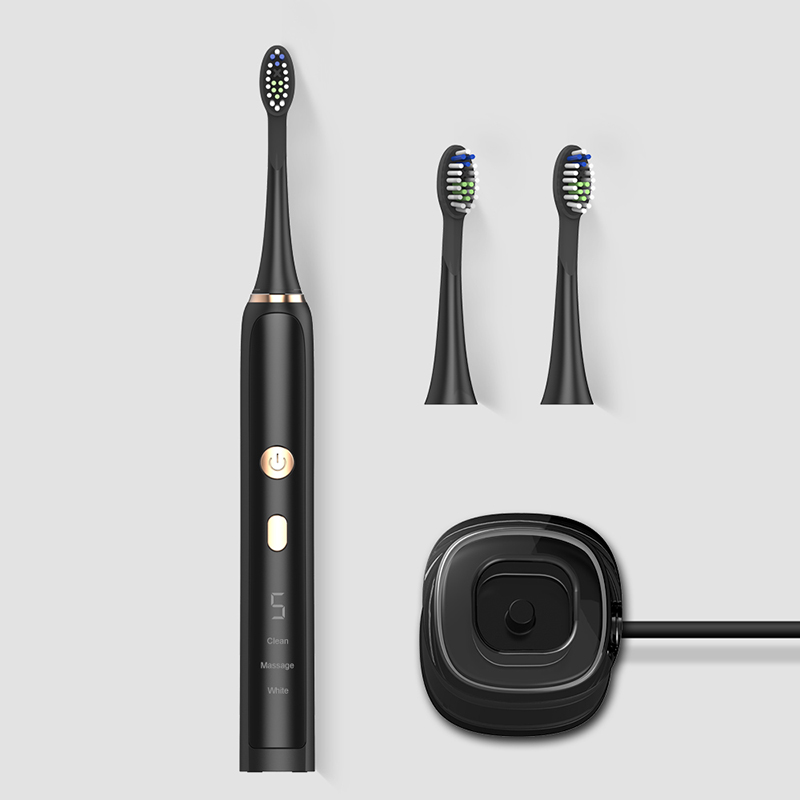
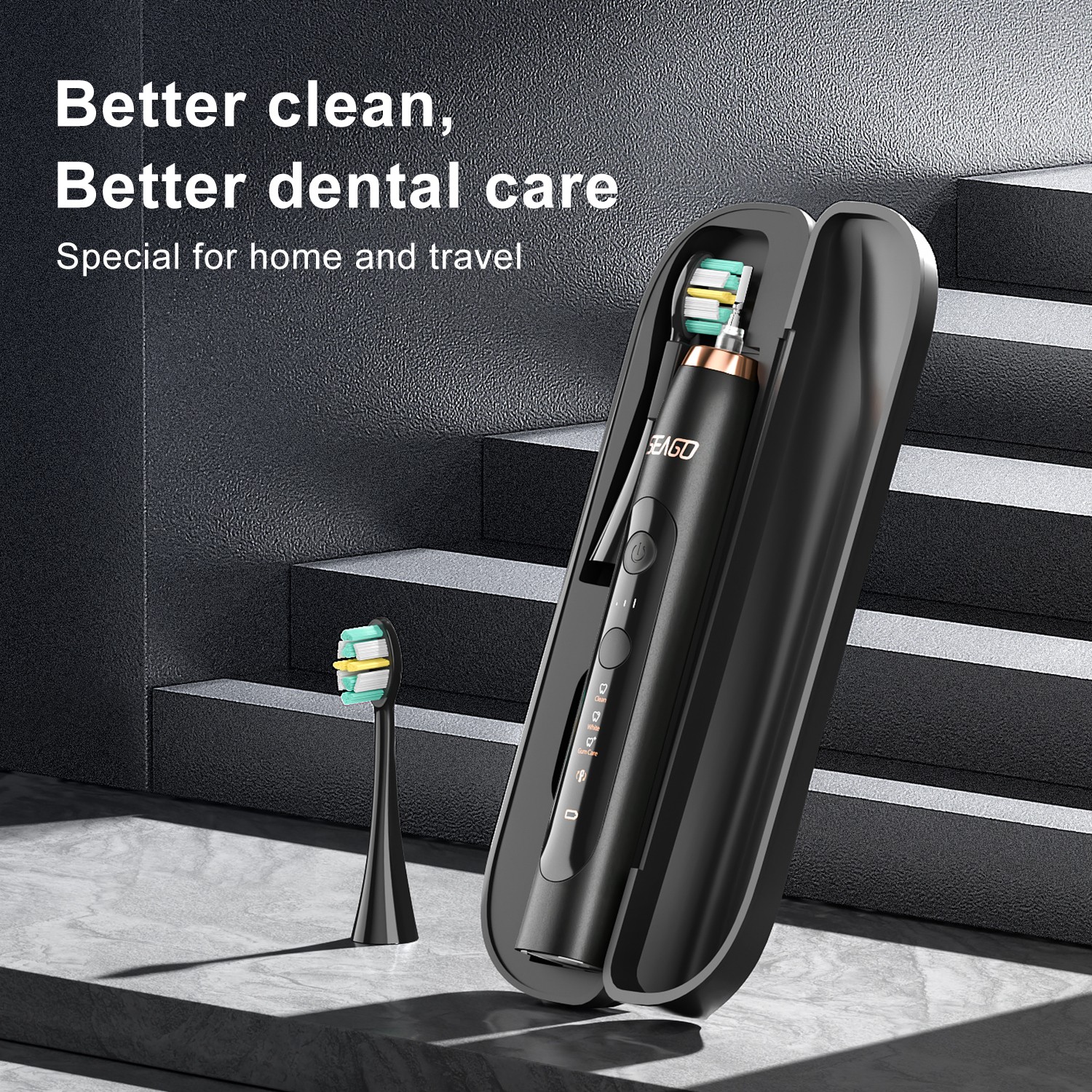
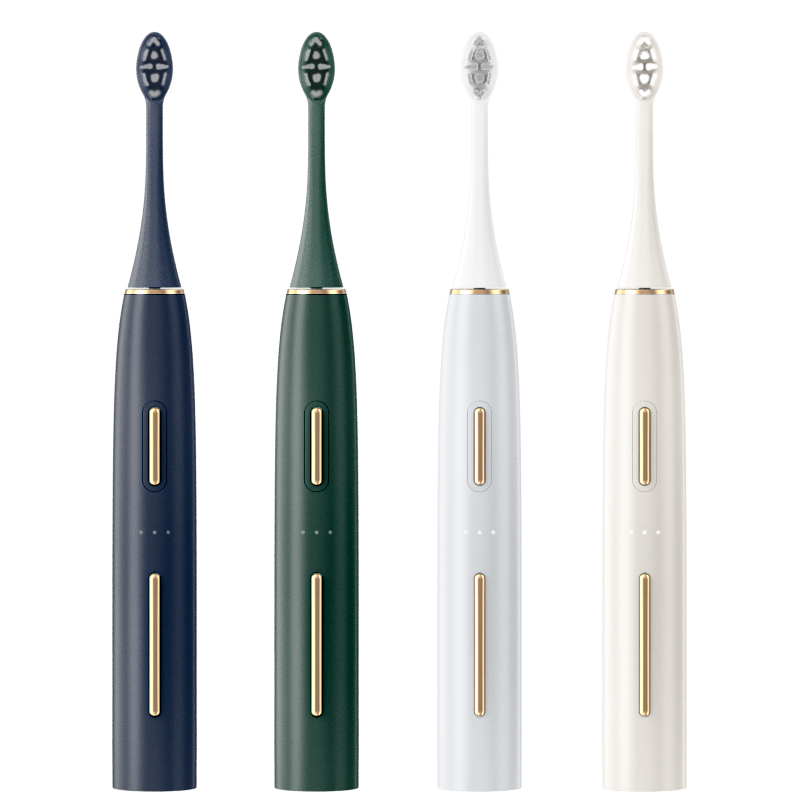
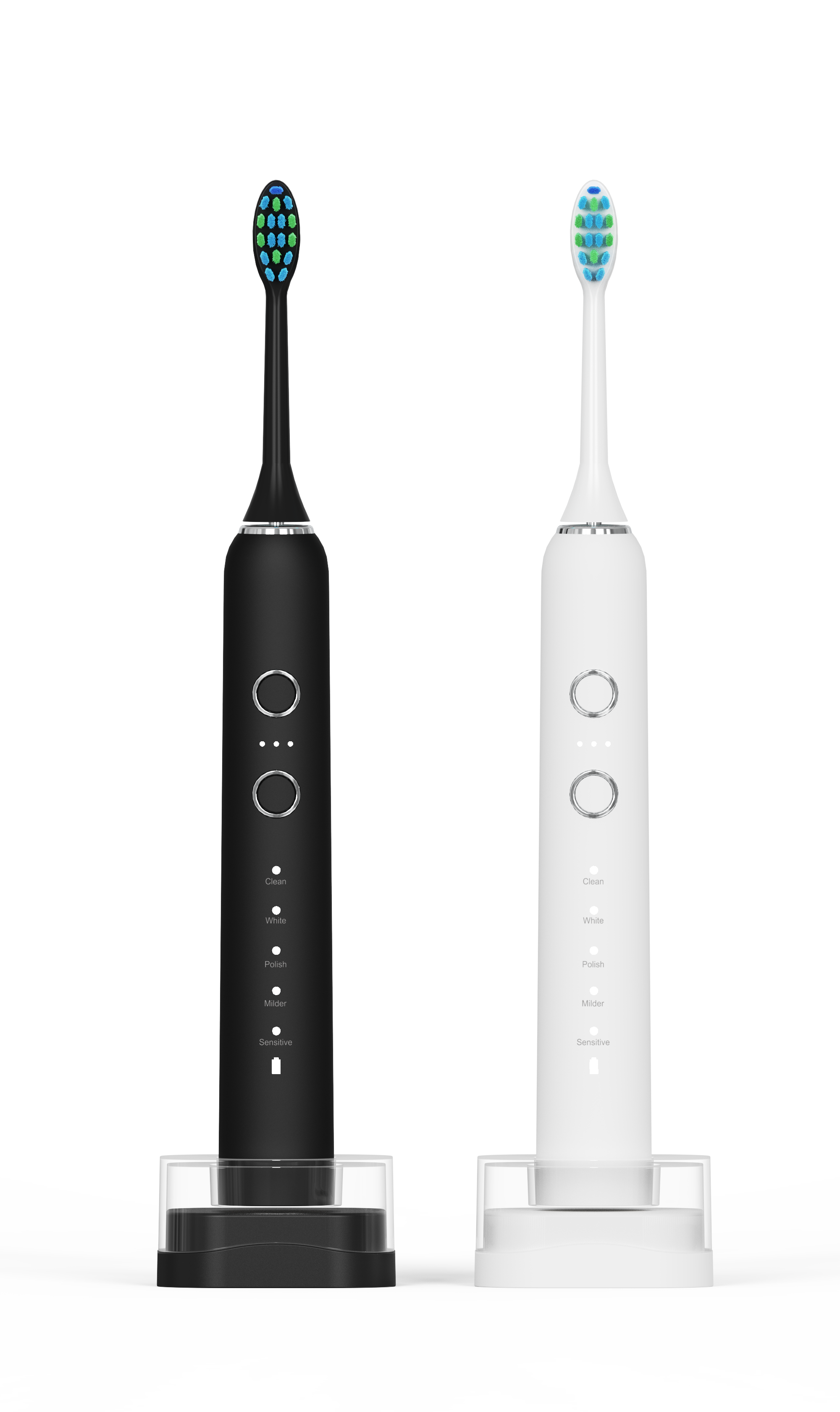
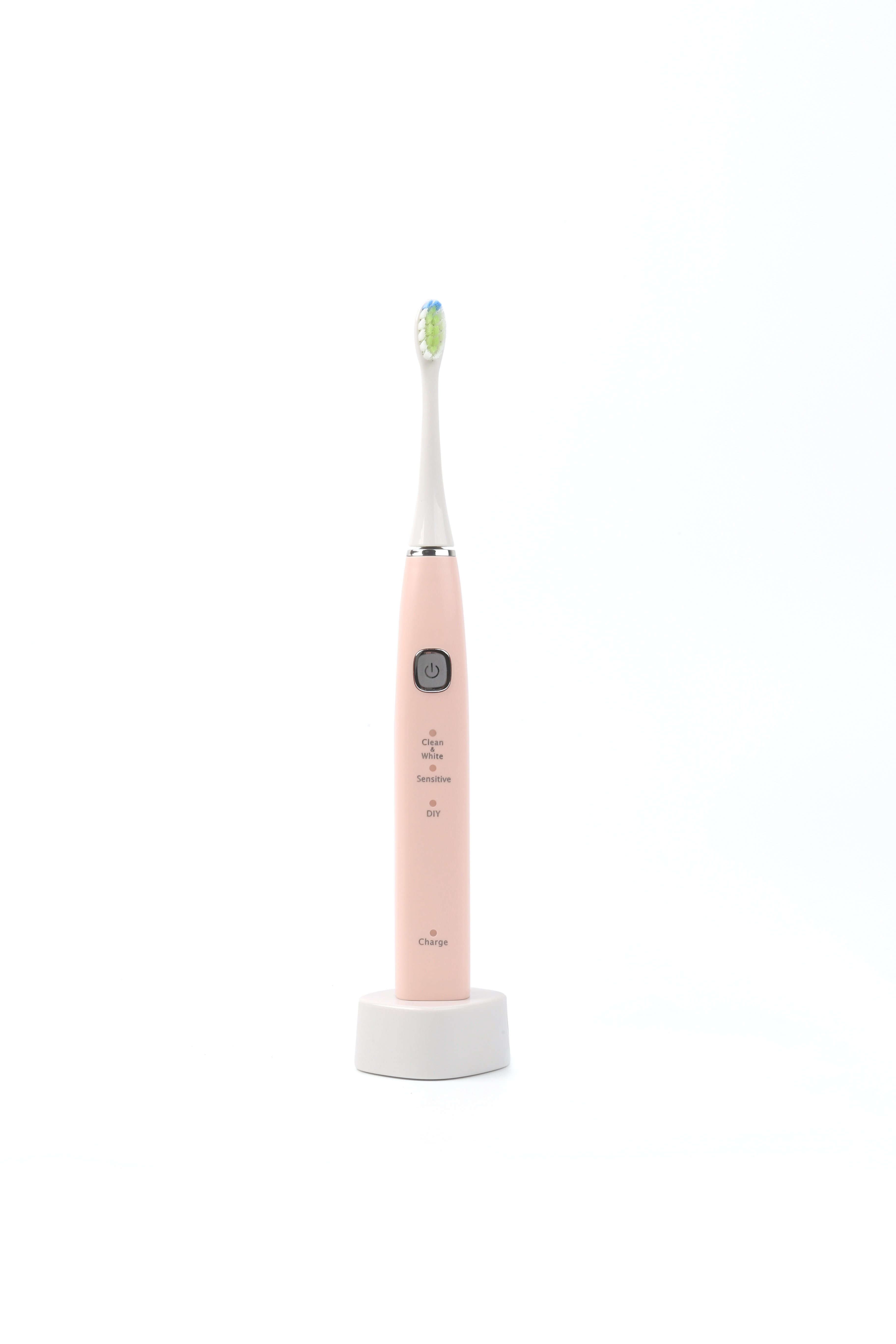
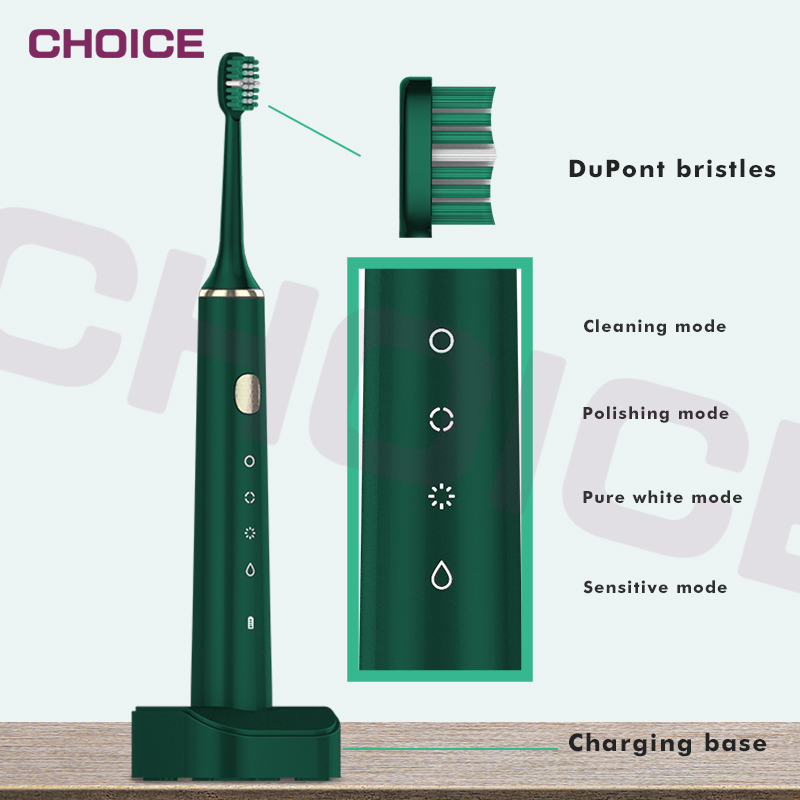
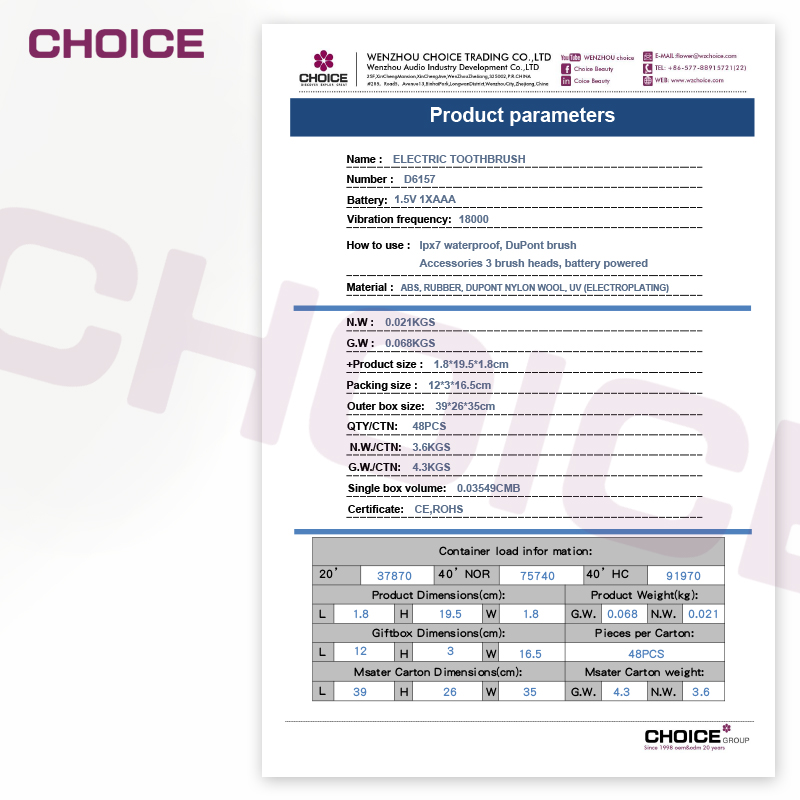
Electric toothbrushes
Source premium electric toothbrushes from vetted manufacturers and suppliers across Asia. Built for importers, wholesalers, and brands seeking reliable OEM and private-label production, our network delivers high-performance oral care devices at competitive wholesale volumes.
Sourcing electric toothbrushes at scale requires balancing unit cost against strict performance and safety standards. The difference between a premium oral care device and a high-return liability lies entirely in motor selection, battery integration, and rigorous waterproofing. For volume buyers, controlling these variables at the factory level is critical to protecting your brand and maintaining margins.
Core Specifications: Motor Technology and Performance
The primary driver of an electric toothbrush's cleaning efficacy and manufacturing cost is the motor. Buyers must specify the exact motor type, as factories will often default to cheaper alternatives if left undefined.
There are two dominant motor technologies in modern sonic toothbrushes:
- Standard Coreless/ERM Motors: These use an eccentric rotating mass to create vibration. They are inexpensive but typically cap out at 20,000 vibrations per minute (VPM), generate more noise, and suffer from faster mechanical wear.
- Magnetic Levitation (MagLev) Motors: The standard for premium devices. MagLev motors suspend the rotor using magnetic fields, eliminating physical friction. They effortlessly reach 30,000 to 45,000 VPM, operate quietly (under 55 decibels), and deliver consistent amplitude even when pressure is applied to the brush head.
| Motor Technology | Typical VPM | Noise Level | Cost Impact |
|---|---|---|---|
| Standard ERM | 15,000 - 20,000 | Over 65dB | Low |
| MagLev Sonic | 30,000 - 45,000 | Under 55dB | High |
If you are developing a custom product, engaging specialized OEM/ODM Services ensures the internal housing is perfectly engineered to dampen the specific vibrational frequencies of your chosen motor.
Need help verifying factory motor specifications and tooling capabilities?
Talk to our teamWaterproofing and Battery Integration
Electric toothbrushes operate in wet environments and are frequently dropped. Structural integrity and moisture protection are non-negotiable.
IPX7 Certification Requirements
An IPX7 rating (submersion in 1 meter of water for 30 minutes) is the baseline standard for electric toothbrushes. Achieving true IPX7 compliance requires more than just rubber O-rings. Premium manufacturers utilize ultrasonic welding for the main chassis and apply epoxy potting compounds to seal the printed circuit board (PCB). During factory selection, you must verify their inline pressure testing equipment; reputable suppliers test 100 percent of units for air leaks before final assembly.
Battery Specifications
Lithium-ion (Li-ion) batteries have largely replaced NiMH in modern toothbrushes. Specify the exact milliampere-hour (mAh) capacity. A standard 800mAh to 1000mAh Li-ion battery typically provides 30 to 45 days of use on a single charge. Ensure the factory sources UN38.3 certified batteries to avoid international freight delays.
Critical Factory Quality Checks
- Verify inline air-pressure testing for IPX7 waterproofing.
- Check decibel testing chambers for motor noise consistency.
- Ensure aging racks are used to test battery charge/discharge cycles.
- Confirm bristle rounding (end-rounding) rates exceed 85 percent.
To enforce these standards, robust Quality Control & Inspection protocols should be implemented, particularly pre-shipment inspections focusing on battery performance and waterproof seal integrity.
Pricing, MOQs, and Lead Times
The unit cost of an electric toothbrush is highly elastic, driven by motor quality, smart features (like Bluetooth connectivity or pressure sensors), and finishing materials.
- White-Label/Private Label: For existing factory molds with your branded packaging, Minimum Order Quantities (MOQs) typically range from 1,000 to 2,000 units. Lead times are generally 30 to 45 days.
- OEM/Custom Tooling: If you are designing a proprietary handle shape or integrating custom PCB logic, expect MOQs of 5,000 to 10,000 units. Tooling creation adds 30 to 60 days to the initial timeline.
- Replacement Heads: Brush heads have much higher MOQs (often 10,000+ pieces) but low unit costs. Always negotiate the cost of replacement heads alongside the main unit, as this is where long-term profitability lies.
Optimize your unit costs and negotiate better terms with vetted oral care manufacturers.
Get a free consultationRegulatory Compliance
Selling oral care devices requires strict adherence to regional regulations. In the US, electric toothbrushes are classified as Class I medical devices by the FDA, requiring the manufacturer to be FDA-registered and the product to be listed. For the EU, CE marking and RoHS compliance (restricting hazardous materials in electronics) are mandatory. Partnering with a team experienced in Compliance & Testing prevents costly customs seizures and marketplace takedowns.
Successfully sourcing electric toothbrushes means looking past the aesthetic design and focusing heavily on the internal engineering and the factory's quality assurance infrastructure. Taking a systematic approach to technical specifications and compliance ensures your product performs reliably in the hands of the end consumer.
Get Sourcing Help for Electric toothbrushes
Tell us your requirements and our experts will connect you with verified manufacturers.