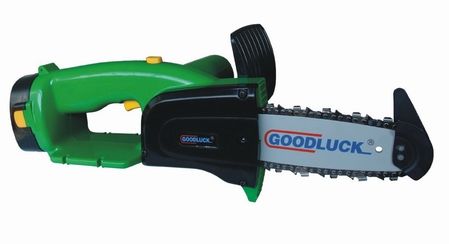
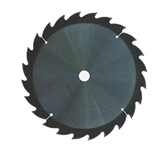
Electric Tools and Accessories
Source high-quality electric tools and accessories directly from vetted manufacturers and factories in China and Asia. Designed for importers, wholesalers, distributors, and brands seeking reliable bulk purchasing and OEM/private-label production. Ensure strict safety compliance, robust performance, and competitive pricing for your supply chain.
Sourcing electric tools and accessories at scale requires balancing motor performance, battery life, and strict safety compliance. Whether you are importing corded heavy-duty equipment or cordless lithium-ion tools, the primary challenge lies in verifying that the internal components—from copper windings to switch mechanisms—meet the rigorous demands of professional or prosumer end-users without compromising your margins.
Core Specifications and Motor Technologies
The heart of any electric tool is its motor and power delivery system. For buyers, specifying the right technology is the difference between an industrial-grade tool and a light-duty DIY product. Cordless tools have largely shifted to brushless DC (BLDC) motors due to their efficiency and longevity, while high-torque corded tools often rely on robust brushed universal motors.
When negotiating with factories, you must explicitly define the motor specifications. A common factory shortcut is using Copper-Clad Aluminum (CCA) wire instead of 100 percent pure copper in the motor windings. CCA runs hotter, reduces the tool's lifespan, and is a frequent cause of premature failure under heavy load.
| Motor Type | Efficiency & Heat | Manufacturing Cost | Target Market |
|---|---|---|---|
| Brushed Motors | Standard efficiency, higher heat | Lower | Entry-level to mid-tier DIY |
| Brushless (BLDC) | High efficiency, runs cooler | Higher (requires electronic controller) | Professional and prosumer |
Need help verifying a factory's motor assembly lines and engineering capabilities before placing a bulk order?
Talk to our teamManufacturing Quality and Material Selection
The durability of an electric tool relies heavily on the materials used for its housing and internal gearing. High-quality tools utilize glass-fiber reinforced nylon (often specified as PA6-GF30) for the outer shell, providing excellent drop resistance and thermal stability. Lower-tier factories may substitute this with recycled ABS plastic, which becomes brittle under stress or cold temperatures.
Inside the tool, gear trains must be powder-metallurgy steel or precision-machined alloy, properly heat-treated to withstand high torque. If you are developing a custom product line, leveraging OEM/ODM Services allows you to dictate these material standards from the ground up, ensuring your brand isn't slapped onto a substandard, off-the-shelf chassis.
Critical Factory Verification Points
- Rotor and stator winding materials (demand 100 percent copper, reject CCA)
- Battery cell consistency and BMS (Battery Management System) overcharge protection
- Switch cycle testing (minimum 50,000 cycles for professional grade)
- Housing material verification (PA6-GF30 vs. standard or recycled ABS)
- Gear heat-treatment records and hardness testing
Because electric tools plug into the grid or use high-capacity lithium batteries, regulatory compliance is non-negotiable. Certifications like CE, RoHS, UL, or ETL must be verified not just via a paper certificate, but through rigorous Compliance & Testing of the actual production run, as component swapping after initial certification is a known risk.
Pricing, MOQs, and Production Lead Times
The electric tool manufacturing hub in China is heavily concentrated in regions like Yongkang, Jinhua, and Qidong. Pricing is highly sensitive to the cost of raw materials (copper, lithium, steel) and the grade of the internal components.
When planning your procurement, understand that factories operate on strict Minimum Order Quantities (MOQs) to justify the setup of assembly lines and the bulk purchase of injection-molded parts.
Looking to negotiate better terms, manage complex OEM schedules, or consolidate shipments from multiple tool vendors?
Get a free consultationFrequently Asked Questions
Securing a reliable supply of electric tools requires constant vigilance over the bill of materials and the assembly process. The most successful importers do not rely solely on end-of-line checks; they implement strict Quality Control & Inspection protocols during production to catch component substitutions before the tool is fully assembled. A proactive approach to factory management ensures your tools perform exactly as promised when they reach your customers.
Get Sourcing Help for Electric Tools and Accessories
Tell us your requirements and our experts will connect you with verified manufacturers.