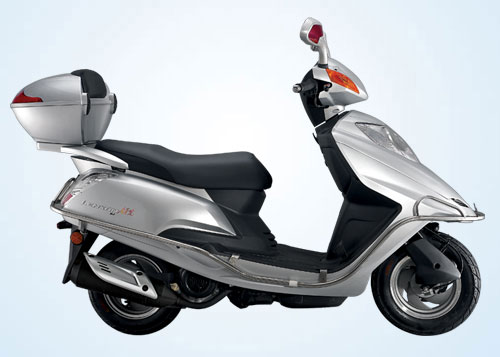
Electric Scooters
Source premium electric scooters directly from vetted manufacturers and wholesale suppliers in Asia. Designed for importers, distributors, and brands seeking reliable OEM and private-label production, our network delivers high-performance mobility solutions built to strict international safety standards.
Sourcing electric scooters at scale requires navigating a complex matrix of battery chemistry, motor durability, and stringent regional safety regulations. The difference between a high-margin asset and a costly liability often comes down to the supplier's engineering tolerances and quality management systems. Securing a reliable manufacturing partner is essential to ensure consistent performance, minimize warranty claims, and maintain compliance across different global markets.
Core Specifications and Component Architecture
When negotiating with factories, defining the exact Bill of Materials (BOM) is critical. Suppliers often substitute generic components to lower costs, which directly impacts the scooter's range, torque, and lifespan.
- Battery Systems: The battery pack accounts for the largest share of the manufacturing cost. Specifications must detail the cell type (typically 18650 or 21700 lithium-ion cells), brand (tier-one manufacturers like LG or Samsung versus generic alternatives), nominal voltage (36V, 48V, 52V, or 72V), and capacity (Ah). A robust Battery Management System (BMS) is non-negotiable for thermal regulation and preventing over-discharge.
- Powertrain (Motors and Controllers): Brushless DC (BLDC) hub motors are standard. Buyers must specify both nominal and peak wattage. The motor controller dictates acceleration smoothness; sine-wave controllers offer quieter, smoother power delivery compared to cheaper square-wave alternatives.
- Structural Integrity: Frames are typically extruded from aluminum alloys (such as 6061 or 7075). High-performance models may incorporate steel reinforcements at high-stress points like the folding mechanism and steering column.
| Specification | Standard Commuter | High-Performance (Dual Motor) |
|---|---|---|
| Motor Power (Nominal) | 250W - 500W (Single) | 1000W - 2500W+ (Dual) |
| Battery Voltage | 36V - 48V | 52V - 72V |
| Controller Type | Square-wave / Basic Sine-wave | High-amp Sine-wave |
| Braking System | Mechanical Disc / Drum / E-ABS | Full Hydraulic Disc |
Navigating battery compliance and supplier verification? Let us help you establish a secure and compliant supply chain.
Talk to our teamManufacturing Quality Control and Common Defects
The electric scooter manufacturing process involves intricate assembly, primarily focusing on electronics integration and structural welding. Without rigorous Factory Audits before production begins, buyers risk partnering with assembly workshops that lack proper testing equipment.
A critical point of failure is water ingress. While a supplier might claim an IP54 or IPX6 rating, this must be validated through proper sealing of the deck, display, and motor hubs. Additionally, the folding mechanism—often the weakest structural point—must undergo fatigue testing to prevent catastrophic failure during use.
Critical Pre-Shipment Inspection Points
- BMS diagnostic check and charge/discharge cycle testing.
- Visual and stress inspection of all TIG welds, especially at the folding stem.
- Waterproofing validation (silicone sealing around battery compartments and cable routing).
- Firmware verification (ensuring regional speed limits and E-ABS parameters are correctly flashed).
- Brake caliper alignment and hydraulic line pressure (if applicable).
Implementing strict Quality Control & Inspection protocols directly on the factory floor is the only way to catch these defects before the units are containerized.
Pricing Drivers, MOQs, and Lead Times
Electric scooter pricing is highly elastic, driven primarily by battery capacity, motor wattage, and the level of customization. Opting for branded battery cells can increase the unit cost by 20 to 30 percent, but drastically reduces long-term warranty replacements.
For brands looking to utilize OEM/ODM Services for custom deck designs, proprietary displays, or specific suspension geometries, factories will require higher commitments.
Need realistic pricing and lead times for your custom scooter line? Speak with our sourcing experts.
Get a free consultationRegulatory Compliance and Certifications
Importing light electric vehicles requires strict adherence to regional safety standards. Customs authorities frequently seize shipments lacking proper documentation.
Navigating Compliance & Testing is a mandatory step. In North America, UL 2272 certification for the electrical system is increasingly required by retailers and local laws. In Europe, CE marking (including the Machinery Directive and EMC Directive) is mandatory, alongside specific regional requirements like Germany's eKFV (ABE certification), which dictates strict lighting, braking, and speed limitation parameters.
Successfully importing electric scooters in bulk demands technical vigilance and a deep understanding of electrical supply chains. By establishing clear BOM specifications and enforcing rigorous oversight at the factory level, you can build a reliable product line that scales safely.
Get Sourcing Help for Electric Scooters
Tell us your requirements and our experts will connect you with verified manufacturers.