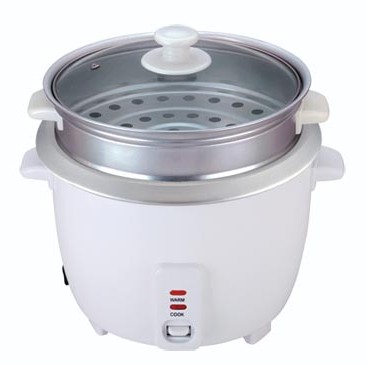
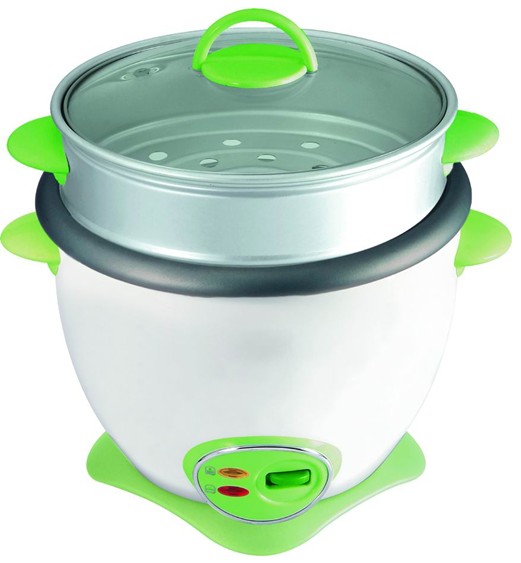
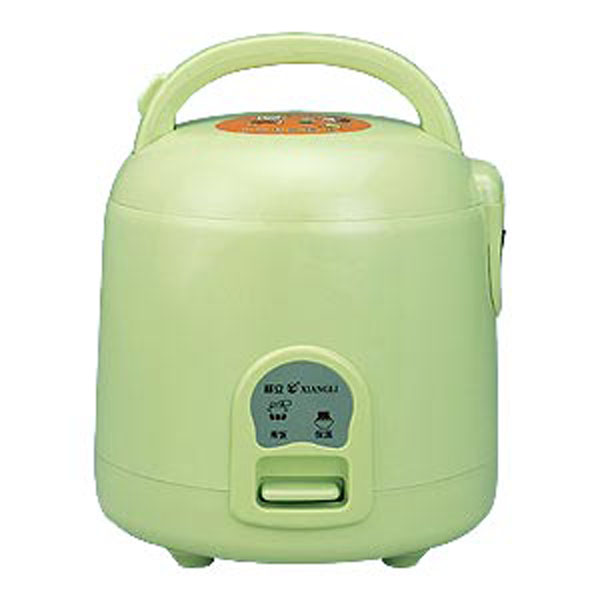
Electric Rice Cookers
Source bulk Electric Rice Cookers from vetted manufacturers and suppliers across Asia. Designed for importers, appliance distributors, and brands seeking reliable OEM or private-label production, our network delivers consistent quality, certified compliance, and scalable manufacturing capacity for your kitchen appliance lines.
Sourcing electric rice cookers at scale requires balancing unit cost with stringent electrical safety and heating performance. Whether you are procuring standard mechanical models for entry-level retail or advanced induction heating (IH) units for a premium brand, success depends on tight control over component sourcing—especially the microcontrollers (ICs), heating plates, and inner pot coatings.
Core Specifications and Heating Technologies
The foundation of any rice cooker line is its heating technology. This dictates the internal architecture, the bill of materials (BOM), and the required assembly expertise at the factory level.
| Heating Technology | Mechanism | Market Segment | Cost Profile |
|---|---|---|---|
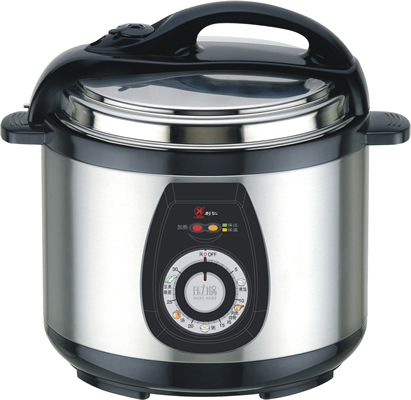
| Thermal Plate (Mechanical) | Bottom cast-aluminum heating element | Entry-level / Budget | Low |
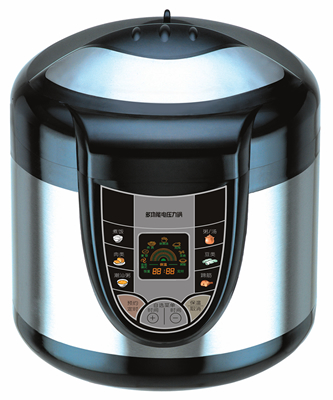
| Microcomputer (Fuzzy Logic) | Bottom/side elements with IC temperature control | Mid-range | Medium |
| Induction Heating (IH) | Electromagnetic induction coil surrounding the pot | Premium | High |
When developing a product line, the choice of technology impacts your supplier selection. Many factories excel at high-volume mechanical cookers but lack the engineering capabilities for IH models, which require precise electromagnetic shielding and advanced PCB assembly. If you are customizing functionality or UI displays, engaging in structured OEM/ODM Services ensures your factory has the actual R&D bandwidth to execute the design, rather than just assembling off-the-shelf parts.
Inner Pot Materials and Non-Stick Coatings
The inner pot is the most heavily scrutinized component by end-users. Its weight, thickness, and coating durability directly impact perceived quality and return rates.
- Substrate Materials: Most standard pots use stamped aluminum alloy (typically 1.0mm to 2.5mm thick). Premium IH models often utilize multi-layer composite pots (stainless steel, aluminum, and sometimes copper) to optimize magnetic induction and heat retention.
- Non-Stick Coatings: Polytetrafluoroethylene (PTFE) is standard, but ceramic and specialized infused coatings (like Binchotan charcoal) are increasingly demanded in mid-to-high-tier markets.
Coating Durability Risks
Factory cost-cutting often happens in the coating process. A factory might reduce the coating thickness from a standard 20-25 microns to under 15 microns, leading to premature peeling. Always specify coating thickness and brand (e.g., Daikin, Whitford) in your BOM.
Need reliable appliance manufacturers? We vet suppliers and manage the entire R&D and production cycle.
Talk to our teamElectrical Compliance and Quality Control
Kitchen appliances operating with water and high heat face strict regulatory hurdles. Ensuring your supplier actually holds valid, verifiable certifications for your target market (CE, CB, RoHS for Europe; UL or ETL for North America) is non-negotiable.
A rigorous Quality Control & Inspection protocol must be implemented on the factory floor, focusing on both electrical safety and functional performance.
Critical Factory Inspection Points for Rice Cookers
- Hi-Pot (High Potential) Testing to verify electrical insulation and prevent shock hazards.
- Earth continuity testing for all metal-cased models.
- Dry-boil protection verification (ensuring the thermal fuse trips correctly).
- Cross-cut adhesion testing on the inner pot coating.
- Lid latch endurance testing (minimum 10,000 cycles for mechanical latches).
Relying solely on a supplier's in-house QC is a common vulnerability. Third-party testing and comprehensive Compliance & Testing verification are required to ensure the units shipping match the "golden sample" approved during the sourcing phase.
Production Economics: MOQs, Pricing, and Lead Times
Pricing in the rice cooker category is highly sensitive to raw material costs (aluminum, copper for power cords, and plastic resin) and currency fluctuations.
When negotiating terms, be aware that tooling costs for custom injection-molded plastics (like unique outer shells or custom UI panels) can range from thousands to tens of thousands of dollars. To ensure you are investing tooling capital with a capable manufacturer and not a trading company, comprehensive Factory Audits are highly recommended before placing deposits.
Protect your margins and product quality with professional negotiation and on-the-ground factory oversight.
Get a free consultationFrequently Asked Questions
Navigating the appliance manufacturing landscape requires vigilance over hidden BOM changes and electrical compliance. Partnering with a dedicated sourcing team ensures your specifications are met, your compliance is verified, and your supply chain remains stable from tooling to final delivery.
Get Sourcing Help for Electric Rice Cookers
Tell us your requirements and our experts will connect you with verified manufacturers.