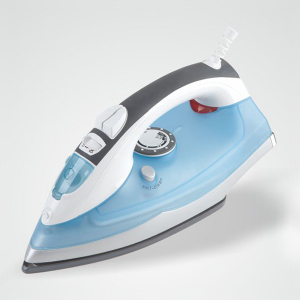
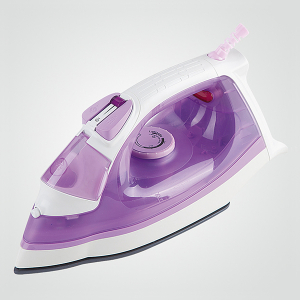
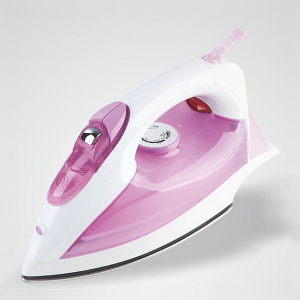
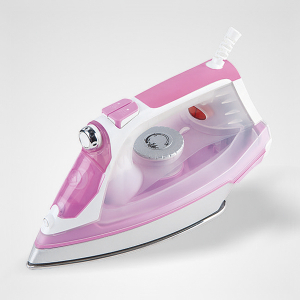
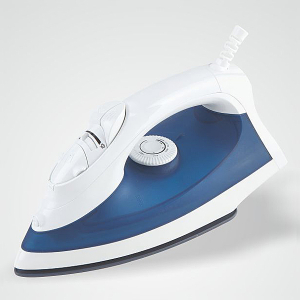
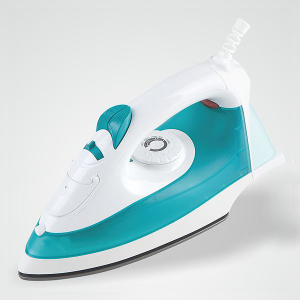
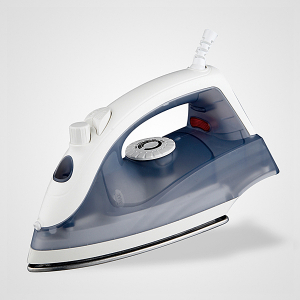
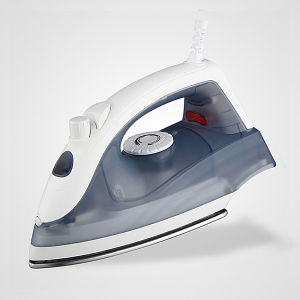
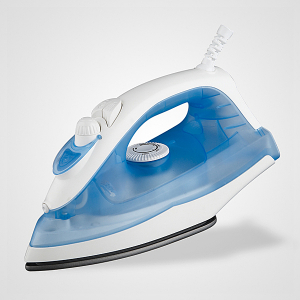
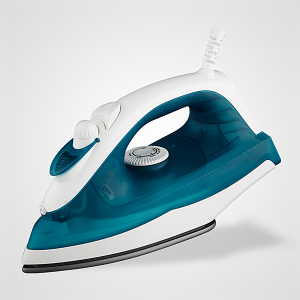
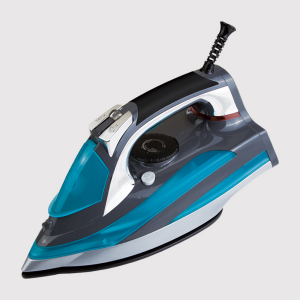
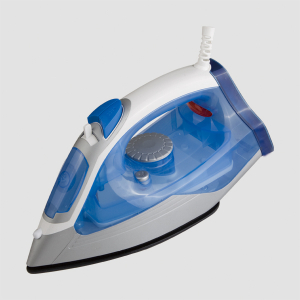
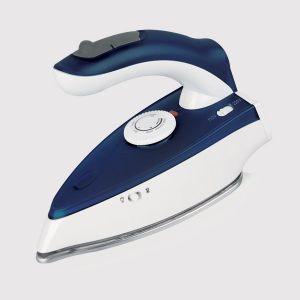
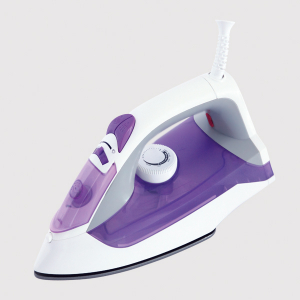
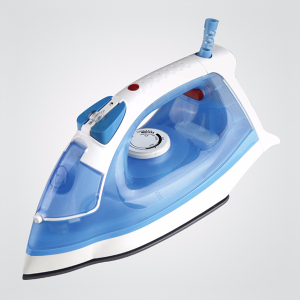
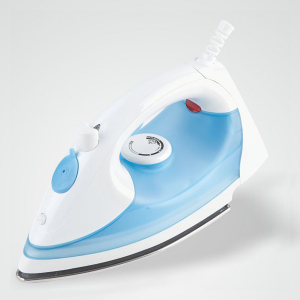
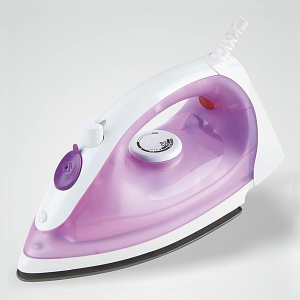
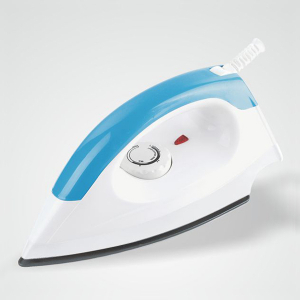
Electric Irons
Source high-quality electric irons directly from vetted manufacturers and wholesale suppliers. Designed for importers, distributors, and appliance brands seeking reliable OEM or private-label production, our network delivers scalable manufacturing with rigorous quality control to meet strict global compliance standards.
Sourcing electric irons in volume requires balancing wattage, soleplate material, and thermal safety with strict regional compliance. The primary challenge for buyers lies in ensuring consistent heating element performance across thousands of units while avoiding the electrical faults or water leakage that trigger costly product recalls.
Core Specifications and Soleplate Selection
The performance and market positioning of an electric iron depend heavily on its core components: the heating element, the thermostat, and the soleplate material. High-wattage models (typically 2000W to 3000W) demand robust tubular heating elements and highly accurate bi-metal thermostats to prevent overheating.
The soleplate material dictates glide quality, scratch resistance, and cost. When specifying OEM/ODM Services for your brand, selecting the right soleplate is critical to aligning with your target retail price.
| Soleplate Material | Performance Characteristics | Typical Market Segment |
|---|---|---|
| Non-Stick (PTFE) | Smooth glide, susceptible to scratching over time | Entry-level / Budget |
| Stainless Steel | Durable, excellent heat retention, easy to clean | Mid-range / Professional |
| Ceramic Coated | Superior glide, even heat distribution, prevents static | Mid to High-end |
| Titanium / Anodized | Maximum scratch resistance, rapid heating | Premium |
Need help matching your technical specifications with a capable manufacturer? We can evaluate your product requirements and identify factories with the right tooling and production lines.
Talk to our teamManufacturing Tolerances and Defect Prevention
Electric irons are high-draw electrical appliances that combine water and heat, making them inherently risky if poorly manufactured. Quality is won or lost in the assembly of the water tank, the calibration of the thermostat, and the security of the electrical connections.
Relying solely on final inspections is insufficient. Effective Quality Control & Inspection must occur during production, specifically focusing on the sealing of the water reservoir and the integration of the heating element.
Critical In-Line Inspection Points
Factory Quality Control Focus Areas
- Hi-Pot (High Potential) Testing: Ensuring insulation integrity to prevent electrical shock.
- Thermostat Calibration: Verifying cut-off temperatures to prevent soleplate melting or fire hazards.
- Water Tank Pressure Testing: Checking for micro-fractures and seal integrity to prevent steam and water leaks.
- Cord Strain Relief: Simulating thousands of bends to ensure the power cord does not fray at the base.
- Anti-Drip Mechanism Verification: Testing the bi-metal valve at low temperatures to ensure water does not leak before steam is generated.
Compliance Alert
Electric irons must meet strict regional safety standards, such as UL/ETL for North America and CE/RoHS for Europe. Do not assume a factory's existing certifications cover your specific OEM modifications. Comprehensive Compliance & Testing is mandatory for every new production run.
Pricing, MOQs, and Lead Times
The manufacturing hubs for electric irons are heavily concentrated in Guangdong and Zhejiang provinces in China. Pricing is highly sensitive to copper costs (for cords and motors), aluminum costs (for soleplates), and the complexity of the steam delivery system (gravity drip vs. internal pump).
When negotiating with suppliers, ensure your Bill of Materials (BOM) explicitly states the thickness of the soleplate coating and the exact gauge of the power cord. Factories competing on price will often thin out the soleplate or use lower-grade internal wiring if these metrics are not strictly defined in the contract.
Ready to negotiate better terms or verify a new supplier's capabilities? Let us handle the factory vetting, pricing negotiations, and production management.
Get a free consultationBuyer FAQ
Successfully sourcing electric irons at scale requires moving beyond aesthetic choices and drilling into the electrical and thermal engineering of the product. By enforcing strict BOM requirements and conducting rigorous on-site Factory Audits, buyers can secure reliable production lines that deliver consistent quality without compromising margins.
Get Sourcing Help for Electric Irons
Tell us your requirements and our experts will connect you with verified manufacturers.