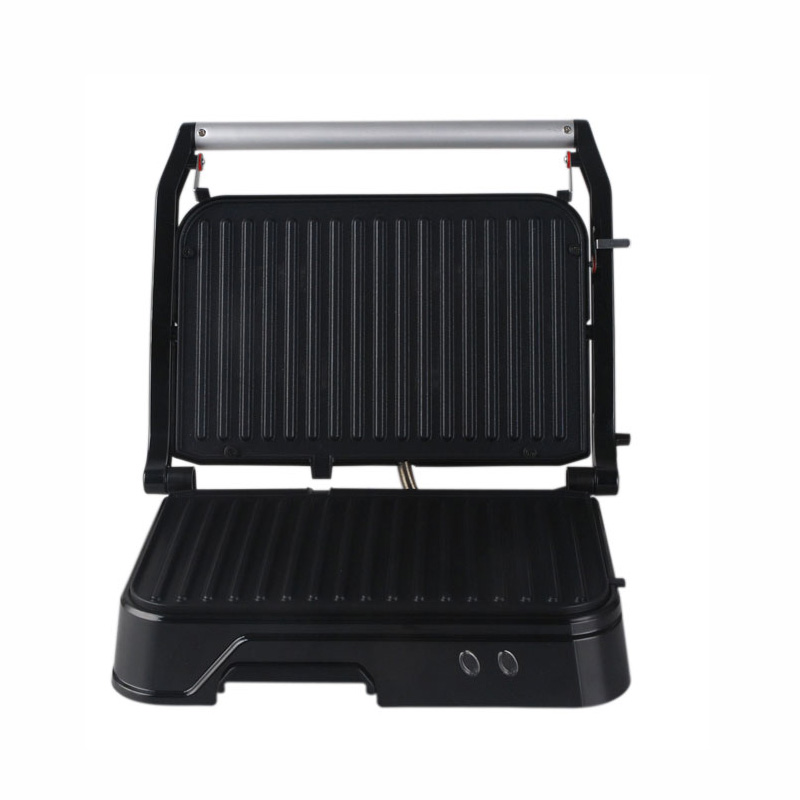
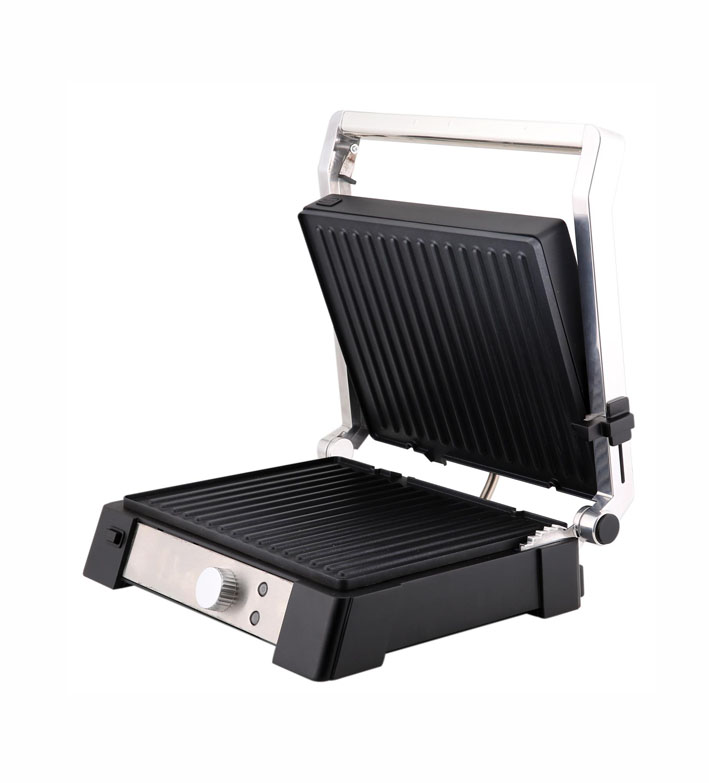
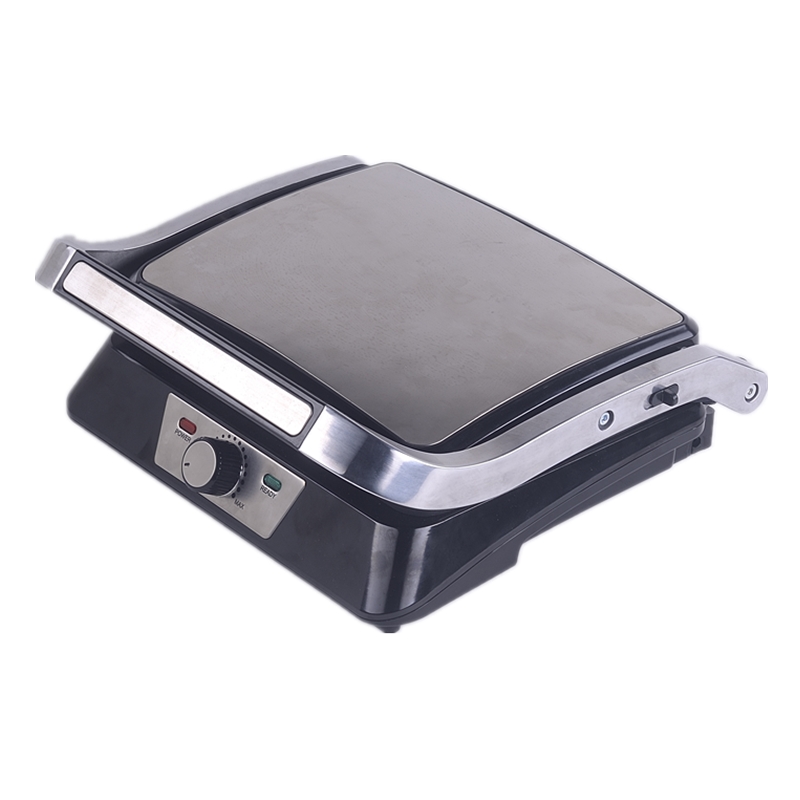
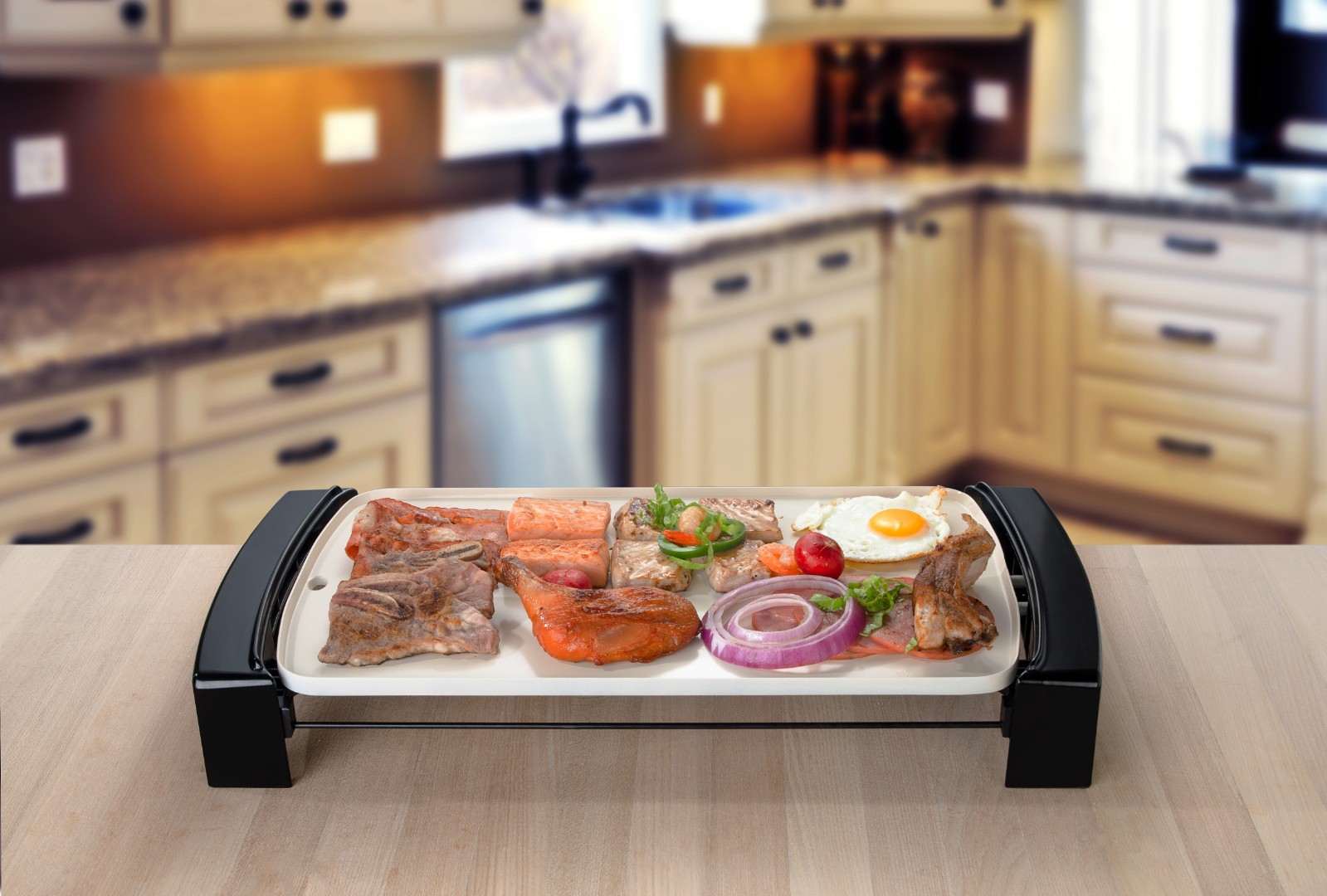
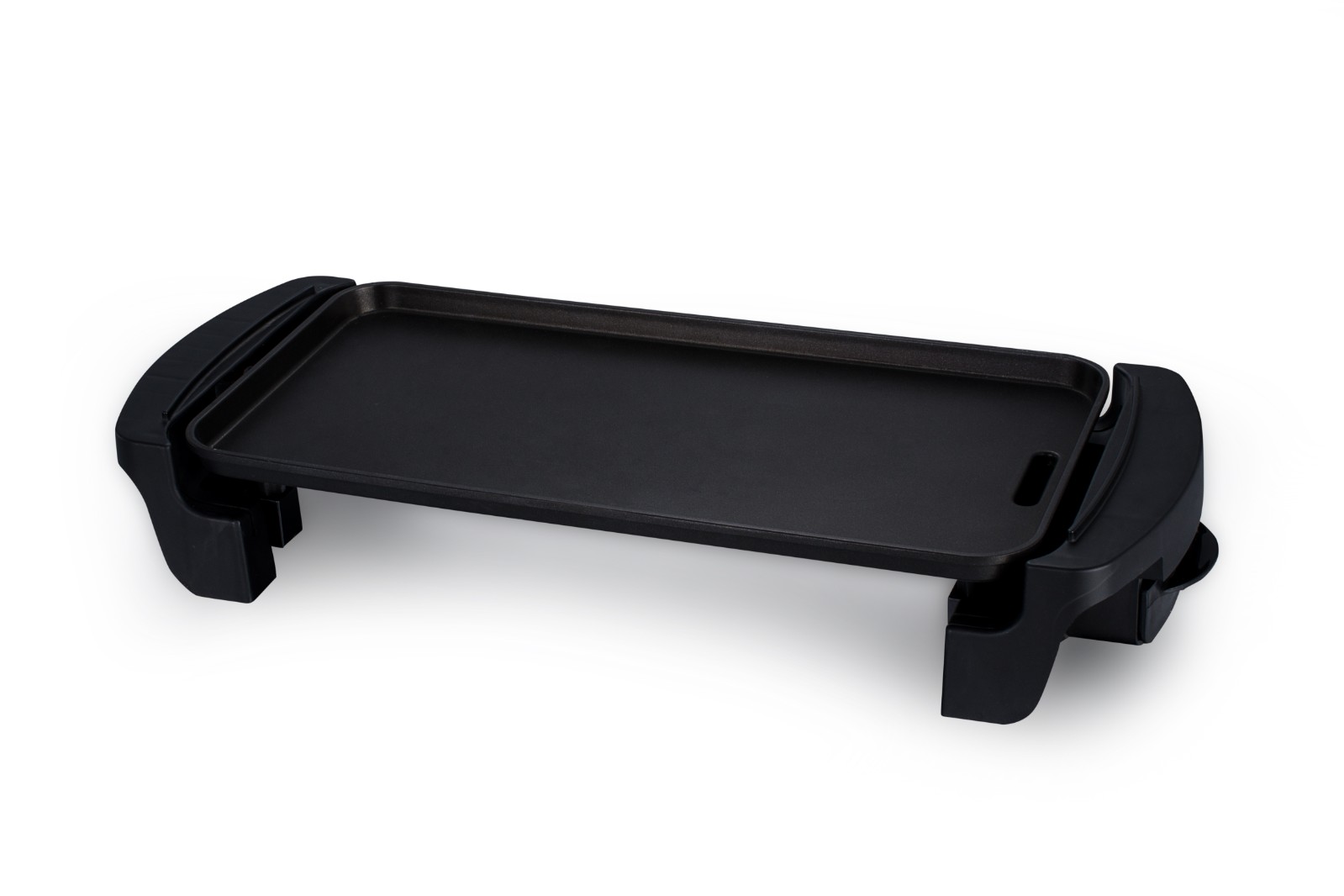
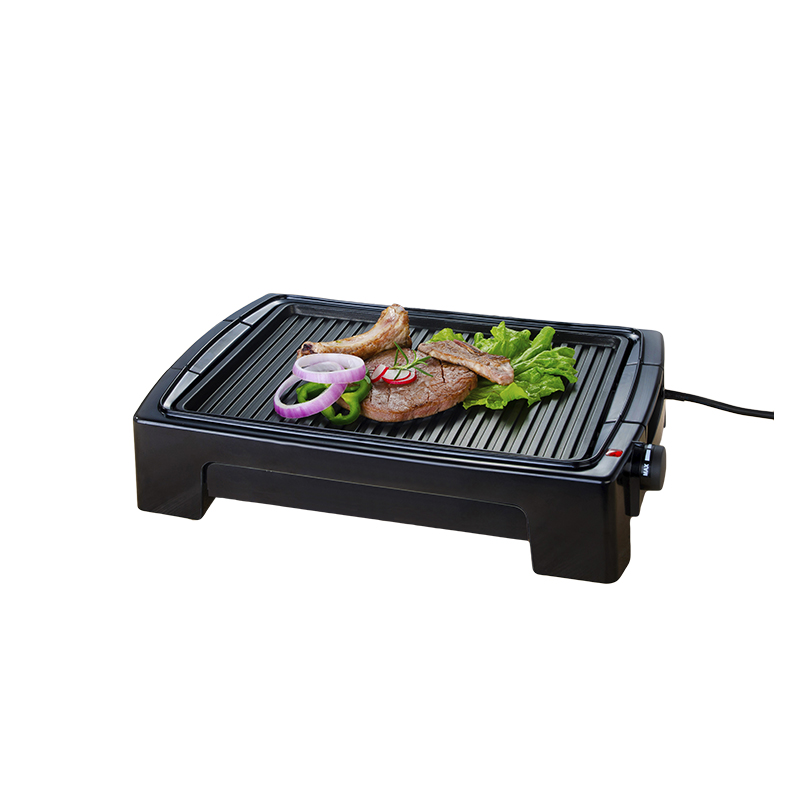
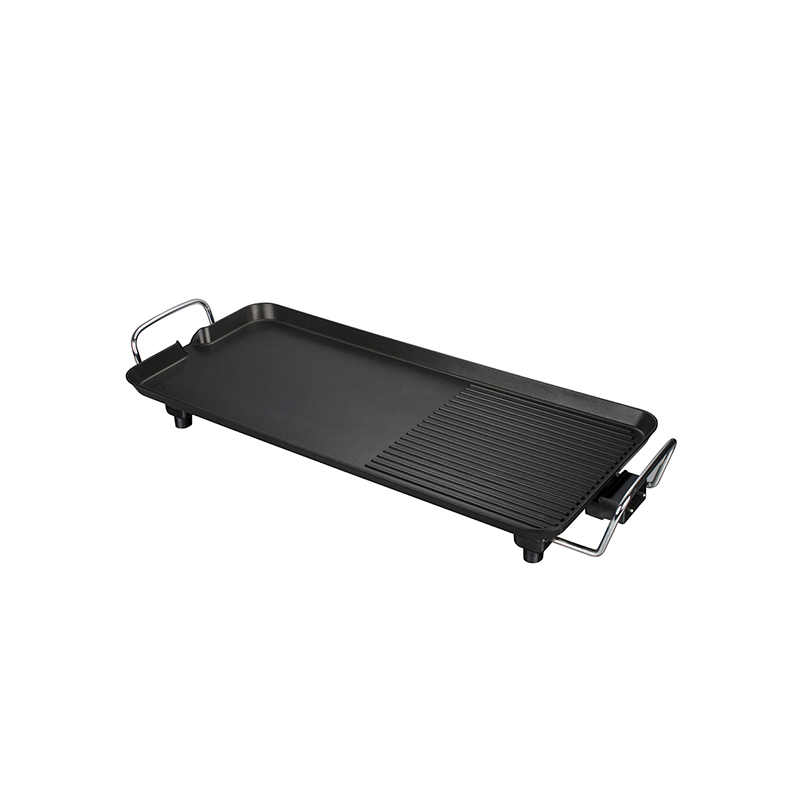
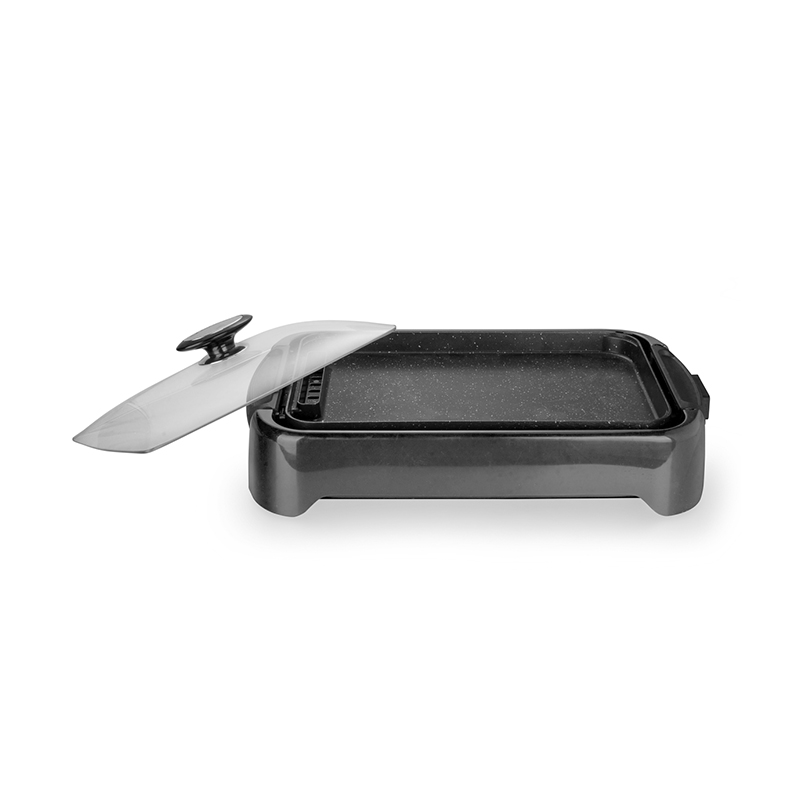
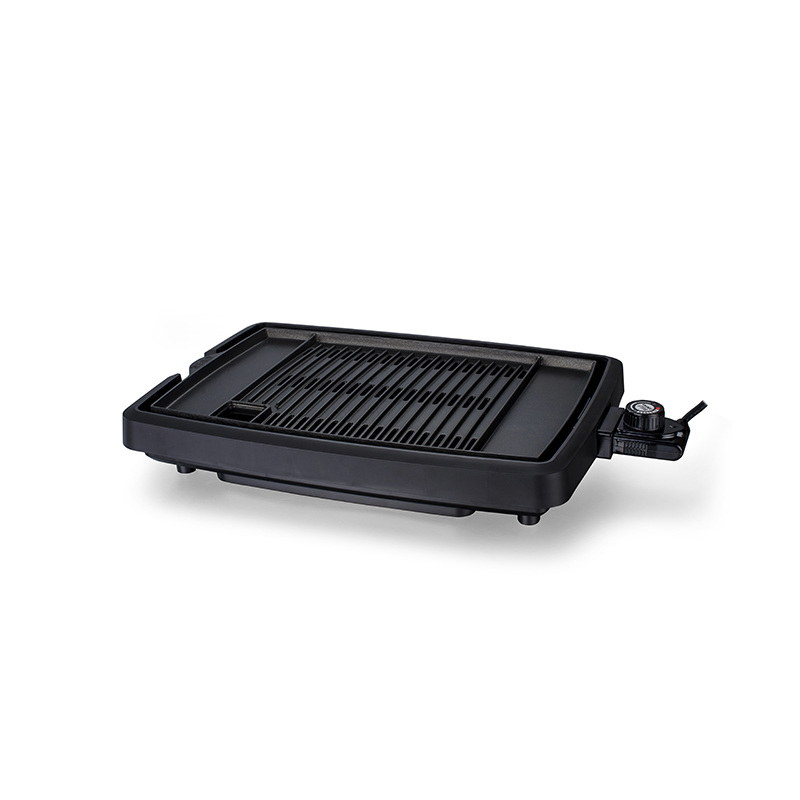
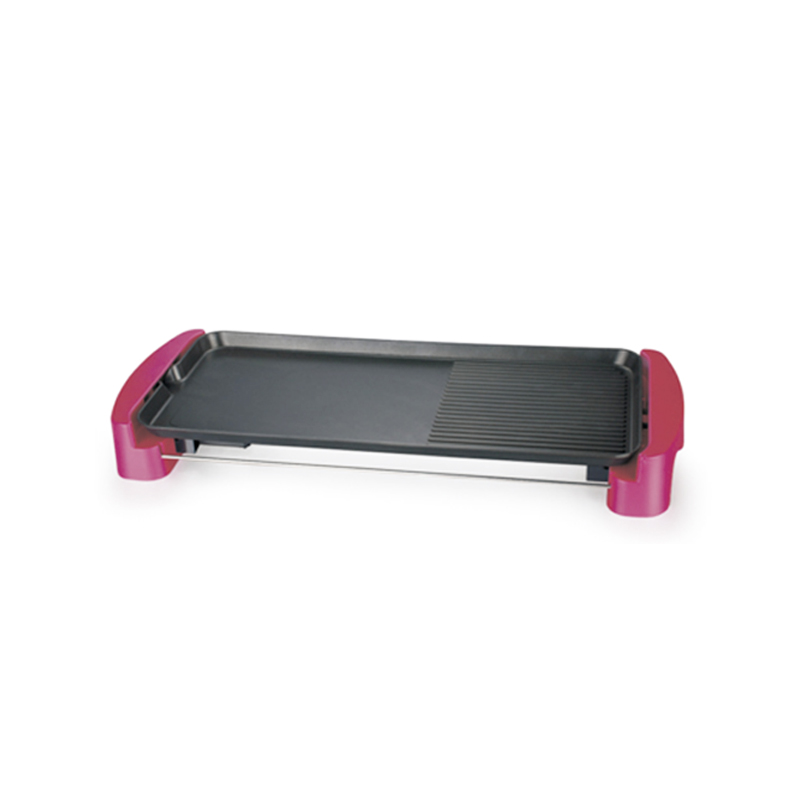
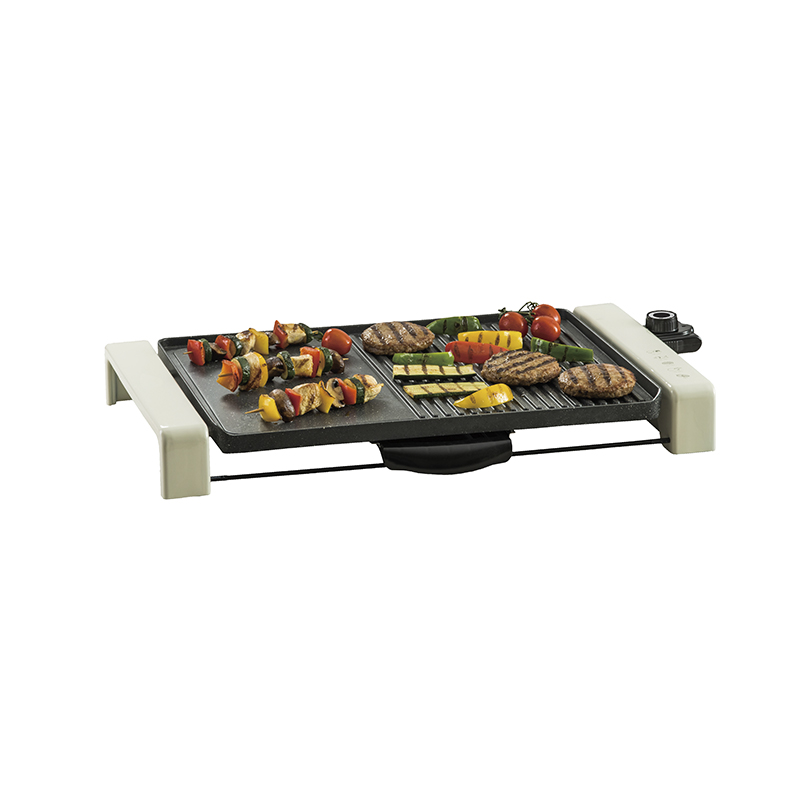
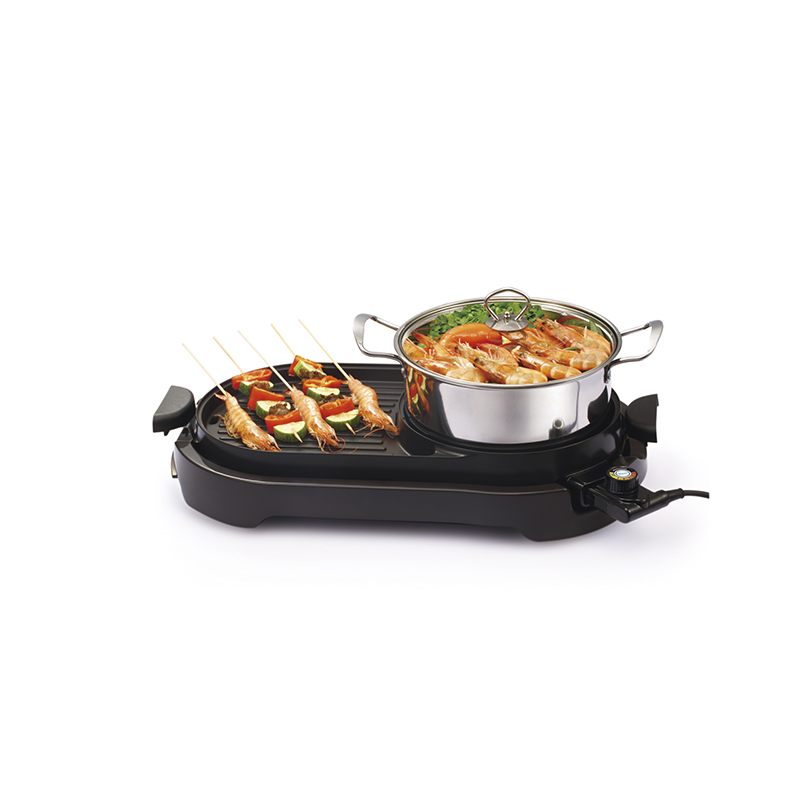
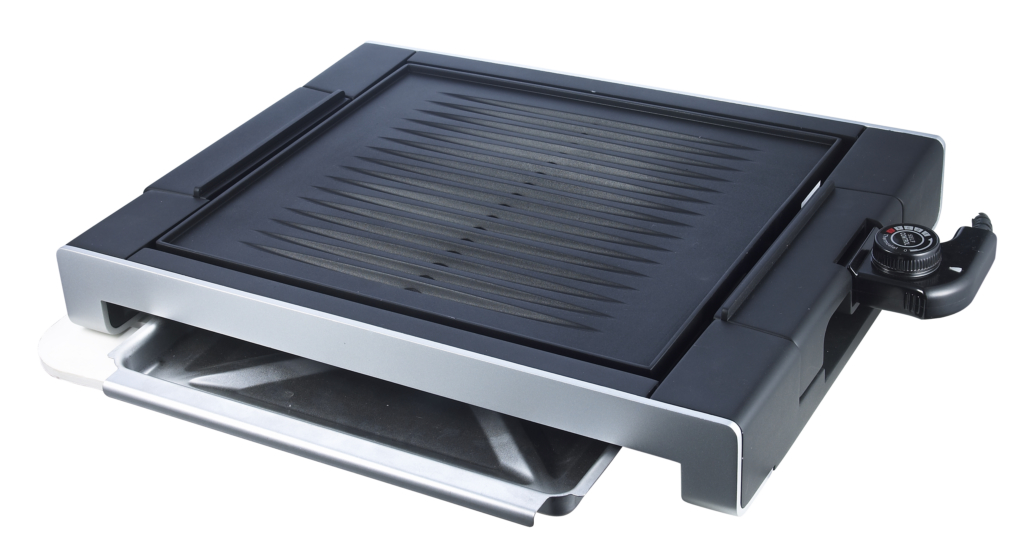
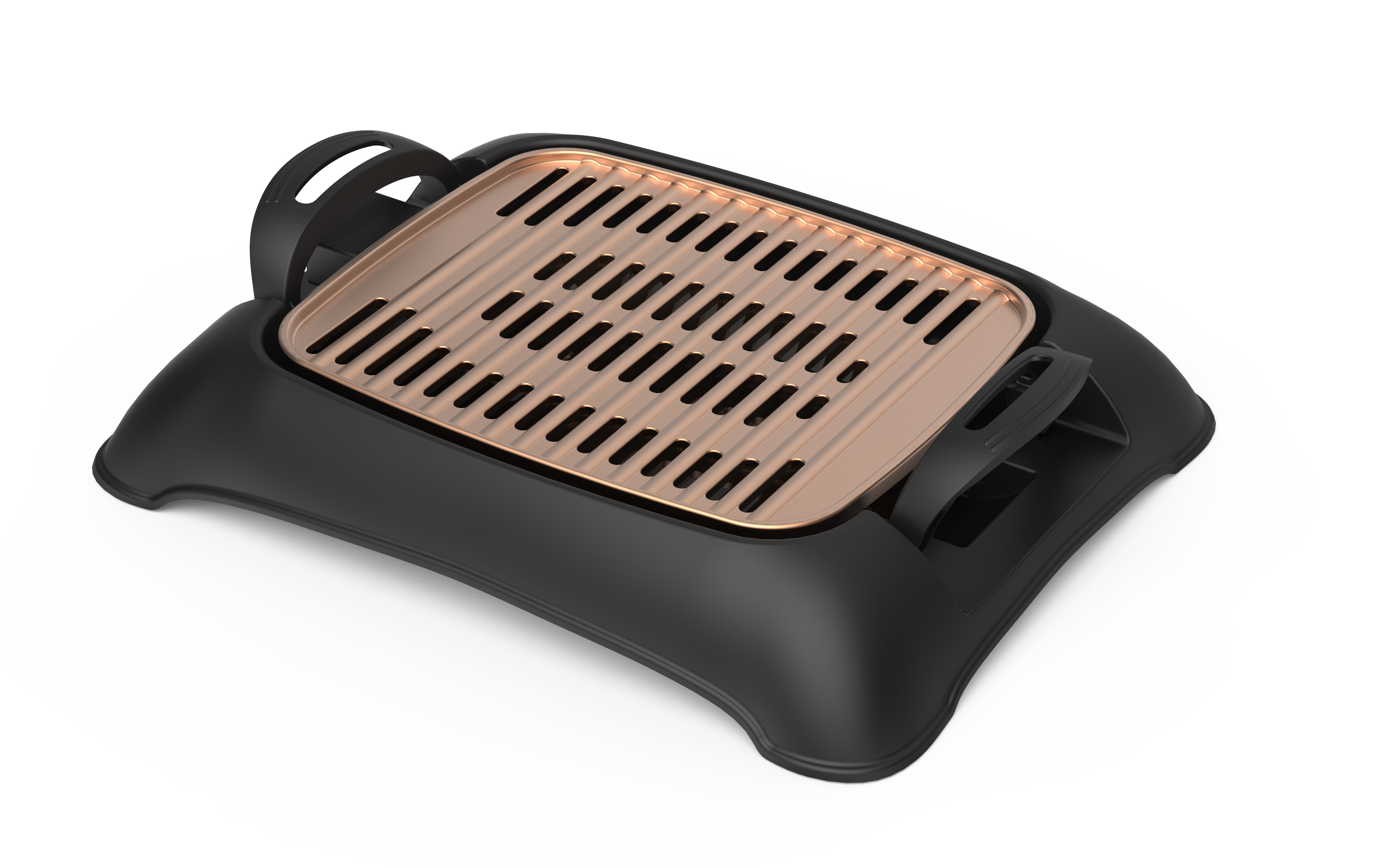
Electric Grills & Griddles
Source premium electric grills and griddles in bulk directly from vetted manufacturers and suppliers in Asia. Designed for importers, wholesalers, and appliance brands seeking reliable OEM and ODM production, our catalog connects you with high-capacity factories for competitive pricing and certified quality.
Sourcing electric grills and griddles at volume requires strict attention to thermal performance, material durability, and electrical safety. The primary challenge in this category isn't simply finding a factory with available capacity; it is ensuring consistent heat distribution across the cooking surface while maintaining durable, food-safe non-stick coatings over thousands of production units.
For commercial buyers, minimizing return rates means diving deep into the technical specifications of heating elements, plate casting, and thermostat calibration before mass production begins.
Core Component Specifications
The performance of any electric grill or griddle hinges on the synergy between the heating element and the cooking plate. When negotiating with manufacturers, you must specify the exact construction methods rather than relying on off-the-shelf factory defaults.
- Heating Element Integration: Consumer models typically use tubular heating elements. These can be clamped to the bottom of the plate or cast directly into the aluminum. Cast-in elements offer vastly superior heat transfer and eliminate cold spots, though they require higher upfront tooling investments.
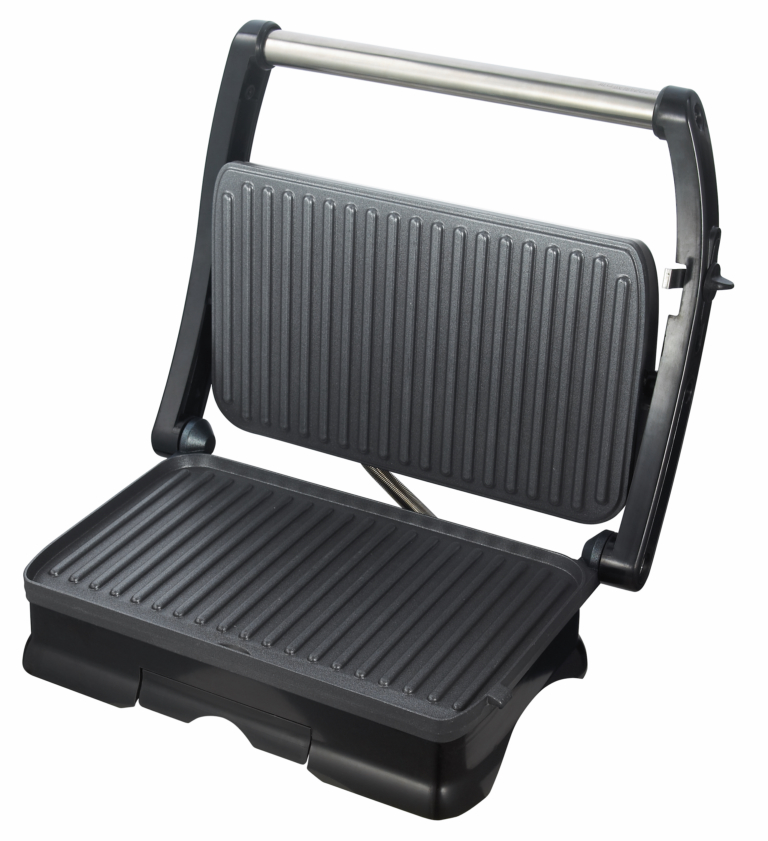
- Plate Material and Thickness: Die-cast aluminum is the industry standard due to its excellent thermal conductivity and weight efficiency. Plate thickness directly impacts heat retention. A thickness under 2.5mm is prone to warping at high temperatures, while premium models utilize 3mm to 5mm plates.
- Non-Stick Coatings: The choice between PTFE (traditional non-stick) and Sol-gel (ceramic) coatings impacts both marketing and manufacturing. Ceramic coatings are popular for "toxin-free" positioning but require highly precise curing temperatures on the factory floor to prevent premature flaking.
Need help finding a factory capable of precision casting and reliable coating applications? We match you with vetted appliance manufacturers.
Talk to our teamManufacturing Tolerances and Quality Control
Electric heating appliances have a narrow margin for error. Small deviations in the manufacturing process can lead to significant defect rates, particularly concerning thermal expansion and electrical safety. If you are utilizing OEM/ODM Services to develop a custom product, your quality assurance protocols must be rigorous.
Critical Factory-Floor Checks
During production, in-line inspections should focus on the mechanical and electrical integrity of the units.
Key Inspection Points for Grills & Griddles
- Die-casting cooling rates: Rapid cooling causes micro-fractures and subsequent plate warping under heat.
- Thermostat calibration: Bimetallic strips must be tested to ensure they cycle the heating element at the exact specified temperatures.
- Coating adhesion testing: Cross-hatch testing must be performed on random samples from each batch to verify coating bond strength.
- High-pot (Dielectric voltage-withstand) testing: Essential for verifying electrical insulation and grounding safety.
Catching these issues requires experienced personnel on the ground. Implementing professional Quality Control & Inspection before shipment ensures that defective units never leave the factory.
Compliance and Regulatory Standards
Kitchen appliances face strict regulatory hurdles, as they bridge electrical safety with food-contact safety. Your supplier must be able to provide valid, verifiable test reports for your target market.
- Electrical Safety: Units destined for North America require UL or ETL certification. European markets require CE and CB scheme compliance.
- Food Contact Materials (FCM): The cooking plates and any plastics near the heat source must pass FDA standards (for the US) or LFGB standards (for the EU). LFGB is notably stricter, testing for a wider range of heavy metals and chemical migration.
- Environmental Directives: RoHS and REACH compliance are mandatory for the European market, regulating the use of hazardous substances in the electrical components and casing.
Navigating these requirements can delay product launches if not handled correctly. Partnering with experts for Compliance & Testing ensures your products clear customs and meet all retail requirements.
Pricing, MOQs, and Production Lead Times
Wholesale pricing for electric grills and griddles is highly sensitive to raw material costs (aluminum and copper) and the complexity of the digital components.
Features like dual-zone heating, removable plates (which require complex electrical housing to remain dishwasher safe), and digital temperature probes push costs toward the higher end of the spectrum. When planning your supply chain, factor in the tooling time for custom plates, which typically adds 25 to 30 days to your initial timeline.
Navigate pricing negotiations, tooling costs, and production schedules with a dedicated sourcing partner.
Get a free consultationFrequently Asked Questions
Successfully sourcing electric grills and griddles requires balancing thermal physics with strict cost controls. By specifying the exact plate thickness, demanding cast-in heating elements for premium lines, and enforcing rigorous in-line testing, buyers can secure reliable, high-performing appliances that build brand trust.
Get Sourcing Help for Electric Grills & Griddles
Tell us your requirements and our experts will connect you with verified manufacturers.