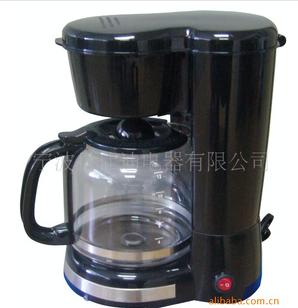
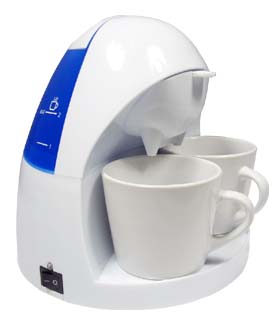
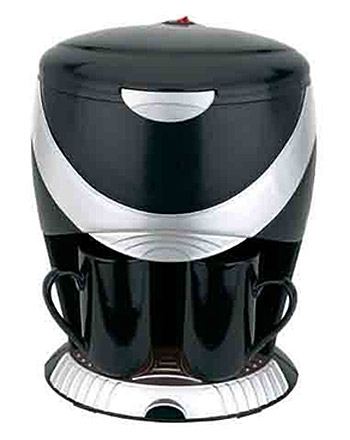
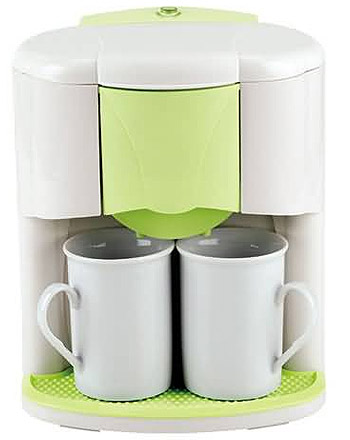
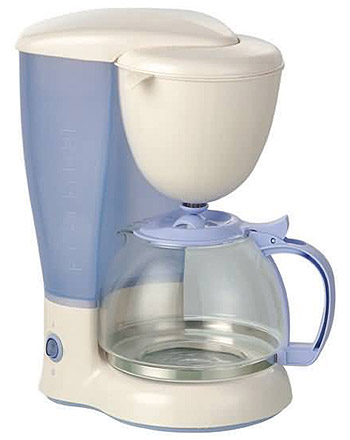
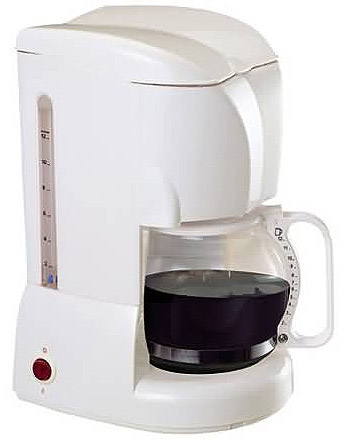
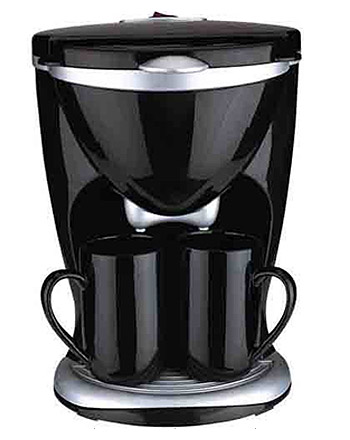
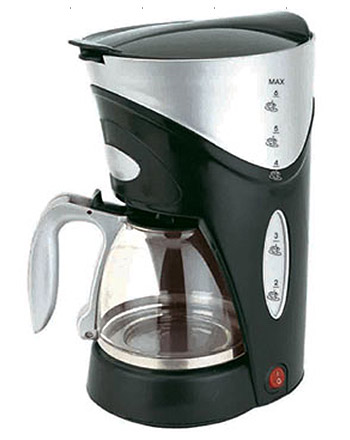
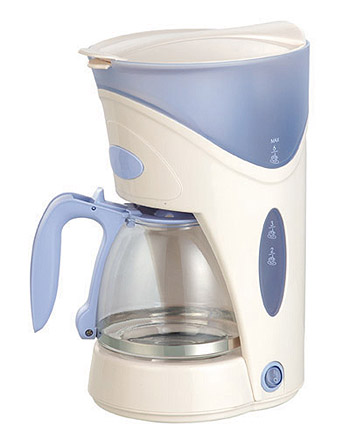
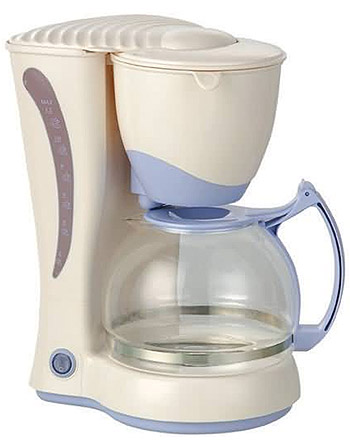
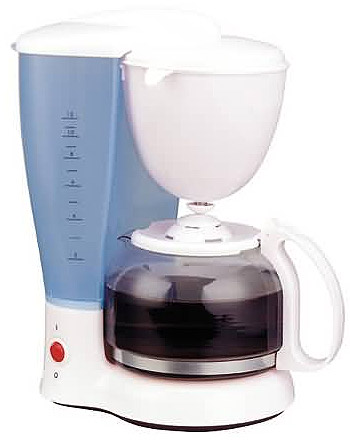
Electric Drip Coffee Makers
Source Electric Drip Coffee Makers from vetted manufacturers and suppliers in China and Asia. Designed for importers, wholesalers, distributors, and appliance brands, our network supports bulk wholesale orders, custom private-label manufacturing, and full OEM/ODM production to meet your exact market requirements.
Sourcing electric drip coffee makers at scale requires a strict balance between bill-of-materials (BOM) costs, thermal stability, electrical safety, and material durability. The core manufacturing challenge lies in the heating element consistency and food-grade material compliance, which often separate high-return-rate units from reliable, market-ready performers.
Critical Specifications & Internal Components
When evaluating a supplier's off-the-shelf design or developing a custom unit, the internal components dictate the machine's lifespan and brewing performance. Buyers must specify exact requirements for the boiler, thermistors, and water-contact materials.
- Heating Elements (Boilers): Most standard units utilize a die-cast aluminum U-tube boiler integrated with the warming plate. Premium models may upgrade to copper boilers for superior thermal conductivity and scale resistance. Wattage typically ranges from 600W for compact 4-cup models to 1000W or higher for 12-cup programmable units.
- Thermostats & Thermal Fuses: Redundant safety is mandatory. Ensure the design includes primary mechanical bi-metal thermostats for operating temperature control, backed by high-limit thermal fuses to prevent catastrophic failure if the unit boils dry.
- Water-Contact Materials: All internal hosing (usually silicone), the water reservoir (PP plastic), and the filter basket must be certified food-safe. Depending on your market, this requires strict adherence to FDA or LFGB standards.
- PCBA & Timers: Programmable units require robust printed circuit board assemblies (PCBA) to handle auto-brew timers, keep-warm shutoffs (mandated by regulations like the EU's ERP directive), and descaling alerts.
| Component | Standard Market | Premium / Commercial-Style |
|---|---|---|
| Boiler Material | Die-cast Aluminum | Copper or Stainless Steel |
| Showerhead Design | Single central spout | Multi-hole dispersion |
| Temperature Control | Mechanical bi-metal | PID / NTC thermistors |
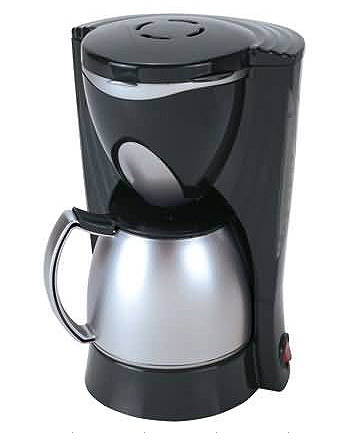
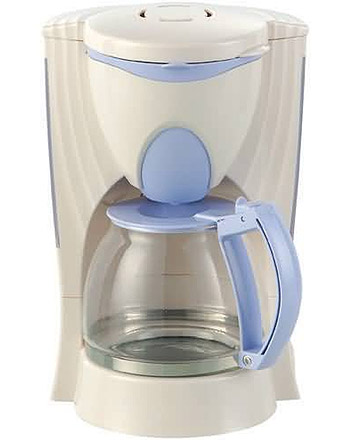
| Carafe Type | Borosilicate Glass | Vacuum-sealed Thermal Stainless |
Need help identifying the right manufacturer for your target specifications and price point?
Talk to our teamManufacturing Quality Control & Common Defects
The assembly of drip coffee makers involves extensive manual labor, particularly in routing silicone tubing and wiring the heating elements. Without rigorous oversight, minor assembly errors lead to major functional defects. If you are engaging in OEM/ODM Services for a new design, prototyping must include extensive life-cycle testing.
Where Quality is Won or Lost on the Factory Floor
- Silicone Tube Routing: Tubes connecting the reservoir, boiler, and showerhead must be cut to exact lengths and secured with properly tensioned spring clamps. Loose clamps cause internal leaks; overtightened clamps or kinked tubes restrict water flow and cause overheating.
- Injection Molding Tolerances: The plastic housing (typically ABS or PP) must withstand repeated thermal cycling without warping. Poor gating or uneven cooling during injection molding leads to misaligned filter baskets and steam leaks during brewing.
- Electrical Safety Testing: Every unit must undergo end-of-line Hi-Pot (High Potential) testing and earth continuity checks.
Essential QC Checks for Coffee Makers
- Hi-Pot and earth continuity testing on 100 percent of units.
- Water flow and brewing time verification (checking for boiler efficiency).
- Leakage testing under pressure (minimum 10-minute hold).
- Drop testing and ISTA transit testing for glass carafes.
- Verification of auto-shutoff functionality.
Implementing independent Quality Control & Inspection prior to shipment is the only reliable way to ensure the factory's internal QA team has not skipped these time-consuming tests to meet production quotas.
Pricing Drivers, MOQs, and Lead Times
Unit costs in this category are highly sensitive to raw material fluctuations (aluminum, copper, and petroleum-based plastics) and the complexity of the PCBA.
Pricing is heavily influenced by the exterior finish. A basic glossy black PP housing is the baseline. Adding stainless steel wrap panels, matte-painted finishes, or capacitive touch screens will significantly increase the BOM cost. Additionally, thermal carafes cost substantially more than standard borosilicate glass carafes and require specialized vacuum-sealing capabilities that not all assembly factories possess.
Looking for accurate pricing, factory availability, and sample coordination for your next order?
Get a free consultationFrequently Asked Questions
Successful procurement of electric drip coffee makers requires looking past the cosmetic exterior to scrutinize the boiler design, internal wiring, and the factory's testing rigor. Partnering with a team that understands Compliance & Testing and factory capabilities ensures your product arrives safe, compliant, and ready for your market.
Get Sourcing Help for Electric Drip Coffee Makers
Tell us your requirements and our experts will connect you with verified manufacturers.