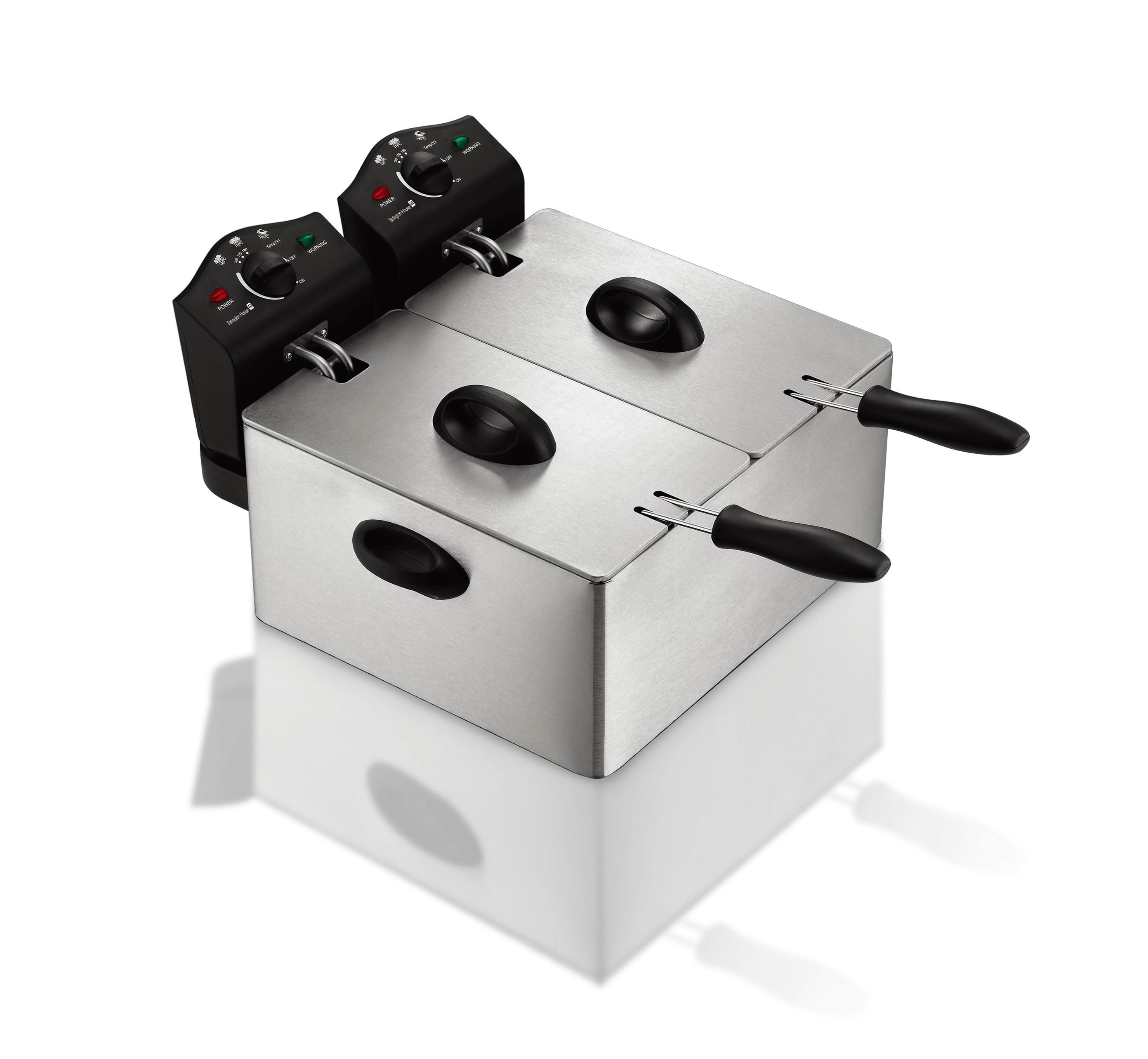
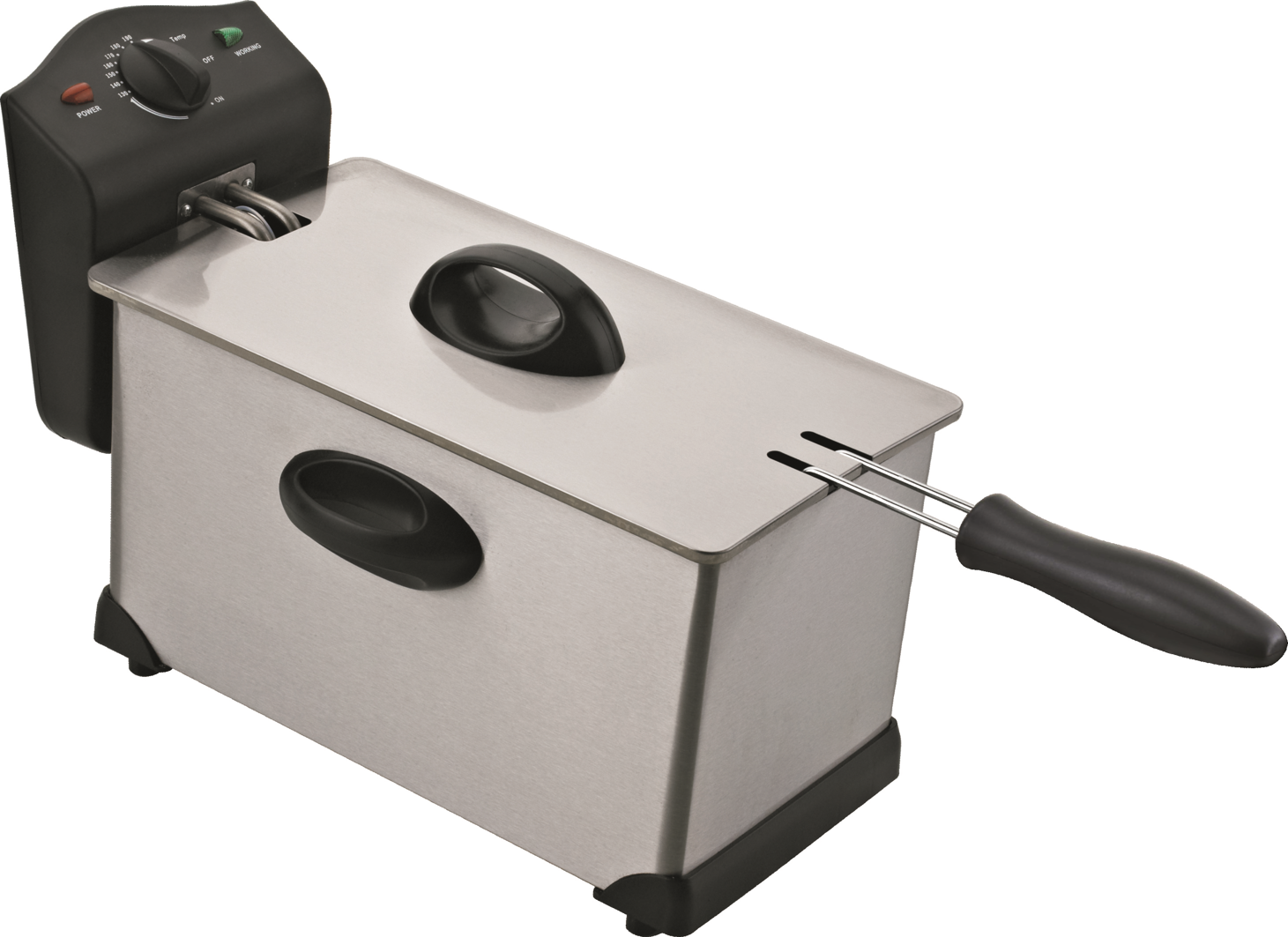
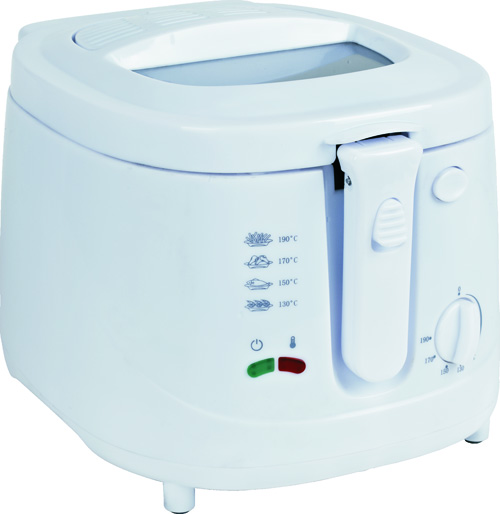
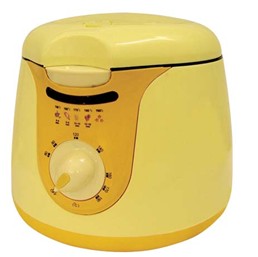
Electric Deep Fryers
Source electric deep fryers directly from vetted manufacturers and suppliers. Designed for importers, wholesalers, distributors, and brands seeking reliable OEM/private-label production, our network delivers high-performance frying solutions engineered for volume, safety compliance, and durability.
Sourcing electric deep fryers at scale requires balancing rapid thermal recovery, component longevity, and rigorous electrical safety. Whether you are procuring standard consumer models or developing heavy-duty commercial units, success depends on locking down the right internal specifications before mass production begins. Factories in hubs like Guangdong and Zhejiang offer vast capabilities, but navigating their component tiers is critical to avoiding high return rates.
Critical Specifications for Volume Buyers
The core performance of an electric deep fryer relies entirely on its heating assembly and thermal management system. When negotiating with factories, defining the bill of materials (BOM) prevents silent downgrades.
- Heating Elements: The wattage density and material of the tubular heating element dictate recovery time. Specify Incoloy 800 or 321 stainless steel for high-use models to prevent pitting and scale buildup. Standard 304 stainless is acceptable for light consumer use but degrades faster under continuous thermal stress.
- Thermostats and Thermal Cut-offs: Capillary thermostats offer superior accuracy over basic bimetallic strips. Always specify dual thermal protection: an adjustable operating thermostat and an independent, non-resetting thermal fuse to prevent oil fires in the event of primary thermostat failure.
- Internal Wiring: High internal temperatures require robust insulation. Specify fiberglass-braided silicone wire and pure copper conductors. Factories cutting costs often substitute copper-clad aluminum (CCA), which increases electrical resistance and fire risk over time.
| Oil Tank Material | Corrosion Resistance | Cost Impact | Best Application |
|---|---|---|---|
| Teflon-Coated Aluminum | Moderate | Low | Entry-level consumer models |
| 430 Stainless Steel | Moderate | Medium | Mid-tier domestic fryers |
| 304 Stainless Steel | High | High | Commercial and premium consumer |
Need help standardizing your bill of materials across multiple suppliers?
Talk to our teamManufacturing Quality Control
Electric deep fryers combine high heat, liquid, and electricity, making manufacturing tolerances unforgiving. Poor assembly on the factory floor often leads to electrical shorts or oil leaks. Catching these issues requires rigorous Quality Control & Inspection during and after production.
Key Factory Inspection Points
- High-pot (dielectric withstand) testing on 100 percent of units to verify insulation integrity.
- Earth continuity checks to ensure the outer casing is properly grounded.
- Spot weld inspection on the oil tank seams to prevent micro-leaks under thermal expansion.
- Thermostat calibration verification across low, medium, and high temperature settings.
- Drop testing and structural checks on the basket handle locking mechanisms.
If you are developing a custom design or modifying an existing chassis, partnering with a factory that has robust in-house tooling and testing labs is essential. Conducting thorough Factory Audits before placing a deposit ensures the supplier actually possesses the claimed testing equipment and isn't outsourcing final assembly to unverified sub-tier workshops.
Compliance and Market Certifications
Deep fryers face strict regulatory hurdles. A CE mark from a non-accredited lab will not survive customs scrutiny or retailer compliance checks. Ensure your supplier's certifications cover both electrical safety and food contact materials.
- North America: UL 1083 or ETL certification is mandatory. Food contact components must comply with FDA regulations (21 CFR).
- Europe: CE (LVD and EMC directives) and RoHS compliance are required. The oil tank and basket must pass LFGB testing for heavy metal migration.
Managing the paperwork and verifying lab reports can be complex, making professional Compliance & Testing support a valuable asset for importers looking to avoid costly border seizures.
Buying Mechanics: MOQs, Lead Times, and Pricing
Understanding the baseline economics of deep fryer sourcing helps you negotiate effectively and plan your inventory cycles.
Pricing is highly sensitive to raw material costs—specifically copper, stainless steel, and electronic components. When utilizing OEM/ODM Services, be aware that requesting heavier gauge steel for the outer casing or upgrading from mechanical dials to digital touch controls will significantly impact your unit cost. Always tie your negotiated price to a specific BOM and material weight.
Optimize your supply chain and negotiate better terms with vetted appliance manufacturers.
Get a free consultationFrequently Asked Questions
Sourcing electric deep fryers requires a firm grasp of thermal dynamics, electrical safety standards, and factory capabilities. By dictating component quality upfront and enforcing rigorous testing protocols, you can secure reliable products that protect your brand and your bottom line.
Get Sourcing Help for Electric Deep Fryers
Tell us your requirements and our experts will connect you with verified manufacturers.