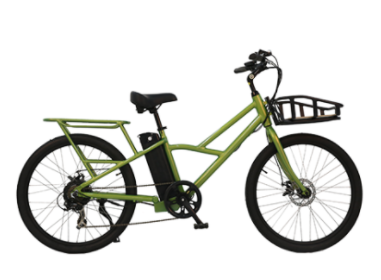
Electric Cargo Bikes
Source premium electric cargo bikes from vetted manufacturers and suppliers in Asia. Designed for importers, distributors, and brands seeking reliable OEM and private-label production, our network delivers high-capacity, compliance-tested e-cargo solutions built for commercial and heavy-duty consumer applications.
Sourcing electric cargo bikes requires balancing heavy-duty payload requirements with strict international electrical safety standards. Whether you are developing a fleet for urban last-mile delivery or a consumer-focused family utility bike, success depends on identifying manufacturers capable of precise frame engineering and reliable high-torque drivetrain integration.
Critical Specifications for E-Cargo Bikes
Unlike standard e-bikes, cargo models are subjected to immense structural and thermal stress. When negotiating specifications with a factory, paying close attention to the drivetrain and braking systems is non-negotiable.
Motor and Drivetrain Selection
Cargo bikes require significant torque to move payloads exceeding 150 kg from a dead stop. Mid-drive motors are generally preferred for heavy-duty applications because they leverage the bike's mechanical gearing, keeping the motor in its optimal RPM range and preventing overheating on inclines. Geared hub motors can be used for lighter, flat-terrain delivery bikes to reduce costs, but they require careful thermal management.
| Drivetrain Type | Torque Delivery | Maintenance | Best Application |
|---|---|---|---|
| Mid-Drive Motor | High torque (80-120Nm+) | Higher chain/belt wear | Heavy loads, hilly terrain |
| Geared Hub Motor | Moderate torque (60-85Nm) | Lower drivetrain wear | Flat urban delivery, budget models |
Battery Capacity and Safety
To support high-torque motors and extended delivery routes, cargo bikes typically require batteries of 720Wh or higher. It is critical to specify Tier-1 cells (such as those from Samsung, LG, or Panasonic) and a robust Battery Management System (BMS) that protects against overcharging, deep discharge, and thermal runaway.
Manufacturing and Quality Control Realities
The extended wheelbase and heavy payload requirements of cargo bikes—whether longtail or front-loader (bakfiets) designs—put massive stress on the frame. Most commercial frames are constructed from 6061 aluminum alloy. After welding, the frame must undergo T4 and T6 heat treatment to restore structural integrity. Skipping this step is a common cost-cutting measure among lower-tier suppliers that leads to catastrophic frame failure under load.
If you are utilizing OEM/ODM Services to develop a custom frame geometry, ensure the factory has the in-house capability to perform rigorous fatigue testing on the extended chassis.
Ensuring frame durability and electrical compliance starts with selecting the right manufacturing partner.
Discuss your cargo bike specsEssential Factory Floor Checks
Relying solely on a final inspection is risky for complex vehicles. Implementing rigorous Quality Control & Inspection throughout the production cycle is vital.
Key QC Checkpoints for Cargo Bikes
- Verify T4/T6 heat treatment logs for all aluminum frames post-welding.
- Inspect hydraulic brake lines for proper routing, ensuring no pinching near the extended steering column.
- Test BMS cutoff thresholds under simulated heavy-load motor draw.
- Check spoke tension on the rear wheel, which bears the majority of the cargo weight.
- Confirm that all electrical connectors are IP65 rated or higher.
MOQs, Lead Times, and Pricing Drivers
Pricing for electric cargo bikes is highly variable, driven primarily by the motor brand (e.g., Bosch, Bafang, Shimano), battery cell origin, and braking components. Four-piston hydraulic disc brakes are mandatory for safe stopping with heavy payloads, adding to the baseline cost compared to standard e-bikes.
Factories typically require MOQs of 50 to 100 units per model for white-label designs using open molds. If you require custom frame tooling, expect higher initial MOQs and longer lead times (up to 120 days for the first run) to accommodate mold creation and prototype testing.
Need accurate pricing and lead times for your next production run?
Talk to our sourcing teamFrequently Asked Questions
Successfully scaling an electric cargo bike brand or fleet requires more than just finding a low price on Alibaba; it demands strict oversight of frame engineering, component compatibility, and battery safety. By partnering with experienced sourcing professionals, you can mitigate manufacturing risks and ensure your vehicles meet the rigorous demands of the market.
Get Sourcing Help for Electric Cargo Bikes
Tell us your requirements and our experts will connect you with verified manufacturers.