Electric Bicycle Batteries
Source high-performance Electric Bicycle Batteries from vetted manufacturers and wholesale suppliers. Built for importers, distributors, and e-bike brands requiring reliable OEM and private-label production, our network delivers compliant, high-capacity lithium-ion packs designed for rigorous global markets.
Sourcing electric bicycle batteries at scale requires balancing energy density, thermal stability, and strict international safety regulations. For B2B buyers, the challenge isn't just finding a factory capable of assembling lithium-ion cells; it is ensuring consistent cell grading, robust Battery Management System (BMS) integration, and flawless compliance with dangerous goods shipping protocols.
Core Specifications and Cell Selection
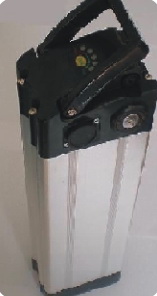
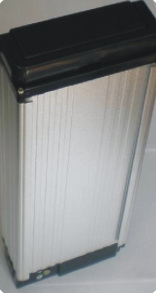
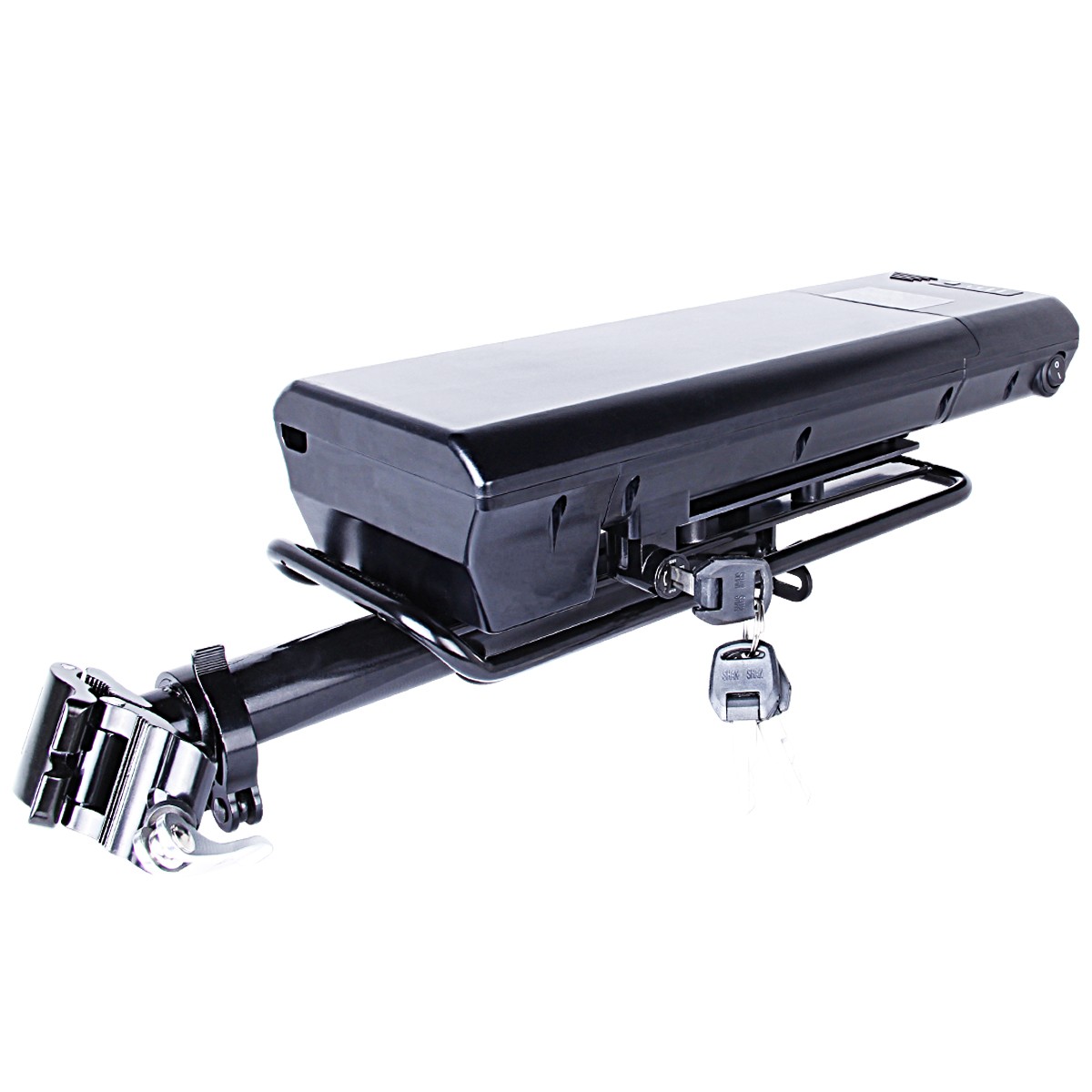
The foundation of any reliable e-bike battery pack is the individual cell. While outer casing designs (downtube, rear rack, integrated) dictate the physical fit, the internal cell format and chemistry dictate performance, lifespan, and safety. Most modern e-bike batteries utilize Nickel Manganese Cobalt (NMC) chemistry, packaged in either 18650 or 21700 cylindrical cells.
| Specification | 18650 Cells | 21700 Cells |
|---|---|---|
| Dimensions | 18mm x 65mm | 21mm x 70mm |
| Typical Max Capacity | Up to 3500mAh | Up to 5000mAh |
| Energy Density | High | Very High (approx 20% greater) |
| Thermal Management | Standard | Requires advanced spacing/cooling |
Beyond the cell format, the series and parallel configuration (e.g., 10S4P for a 36V system, 13S4P for a 48V system) must align perfectly with the motor controller's continuous and peak discharge requirements.
Need help vetting cell suppliers and BMS configurations? Ensure your e-bike batteries meet strict performance and safety standards from day one.
Talk to our teamManufacturing Quality and BMS Integration
A battery pack is only as strong as its weakest cell. Inconsistent internal resistance across a pack leads to unbalanced discharging, drastically reducing the overall lifecycle and posing thermal runaway risks.
Evaluating a manufacturer requires looking past the spec sheet and into their assembly line operations. Conducting thorough Factory Audits is critical to verify automated sorting and welding capabilities.
Critical Factory Level Quality Checks
- Automated Cell Grading: Verifying that all cells in a single pack are matched for voltage and internal resistance.
- Spot Welding Consistency: Ensuring pure nickel strips are used with automated spot welders to prevent weak joints or excessive heat transfer to the cell.
- BMS Calibration: Testing the Battery Management System for overcharge, over-discharge, short circuit, and temperature protection triggers.
- Aging Tests: Confirming the factory conducts mandatory charge/discharge aging cycles before final packaging.
Catching defects after assembly is difficult and dangerous. Implementing robust Quality Control & Inspection protocols during the production run, rather than just at pre-shipment, prevents costly rework.
Certifications and Dangerous Goods Compliance
E-bike batteries are classified as Class 9 Dangerous Goods under international shipping regulations. Moving lithium-ion batteries across borders without the proper documentation will result in customs seizures, heavy fines, or outright carrier refusal.
Mandatory Compliance Documentation
Every battery model you import must pass UN38.3 testing (vibration, shock, thermal, and short-circuit testing) and have a valid Material Safety Data Sheet (MSDS). Without these, freight forwarders will not accept the cargo.
Depending on your target market, additional certifications are often required for legal sale or liability protection. North American buyers typically require UL2271 certification, while European markets demand EN15194 compliance. Navigating these requirements early in the sourcing phase via proper Compliance & Testing services ensures the factory uses certified components from the start.
Because of the Class 9 designation, specialized Shipping & Freight logistics are required. Sea freight is standard, as air freight for bulk lithium batteries is heavily restricted and cost-prohibitive.
Pricing, MOQs, and Lead Times
Battery pricing is highly volatile, tied directly to global lithium and cobalt index prices, as well as the brand of the cells used (e.g., Samsung, LG, Panasonic versus tier-two domestic Chinese cells).
Navigate fluctuating lithium prices and secure reliable production timelines for your bulk battery orders.
Get a free consultationFrequently Asked Questions
Procuring e-bike batteries is an exercise in risk management as much as it is in cost negotiation. By prioritizing automated manufacturing processes, strict cell grading, and rigorous compliance documentation, buyers can secure reliable power systems that protect their brand's reputation in the field.
Get Sourcing Help for Electric Bicycle Batteries
Tell us your requirements and our experts will connect you with verified manufacturers.