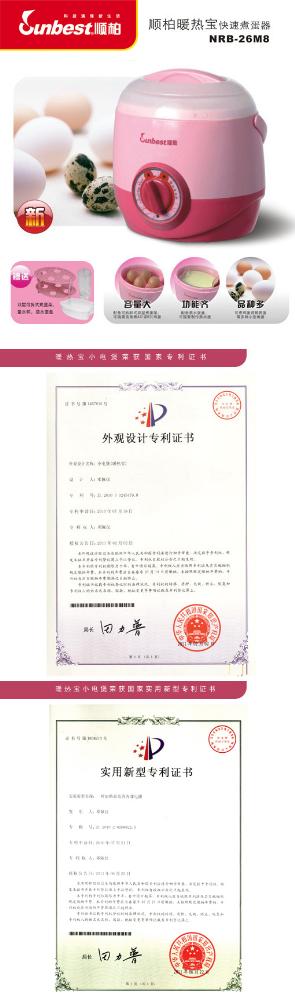
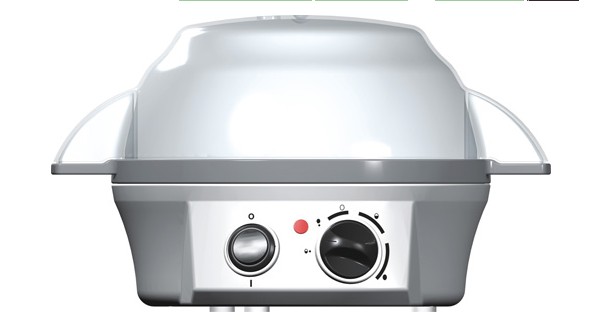
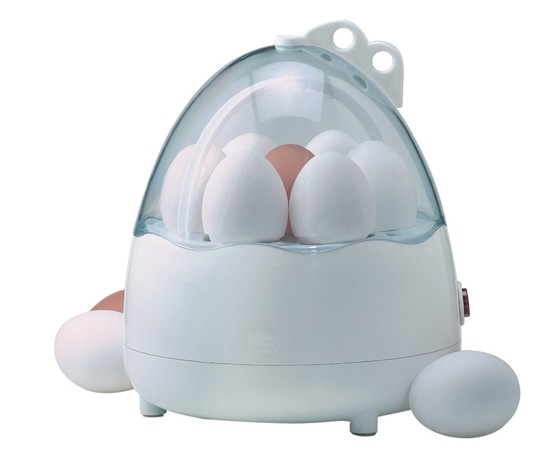
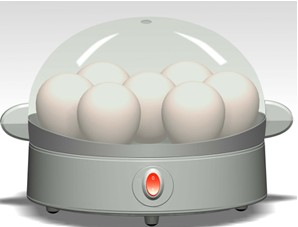
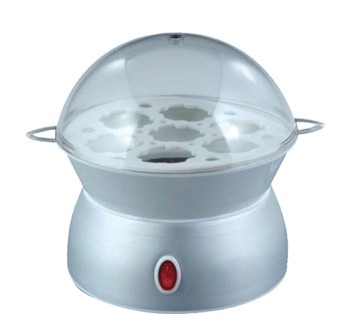
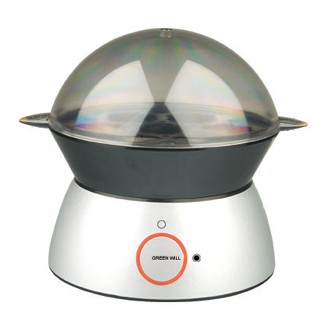
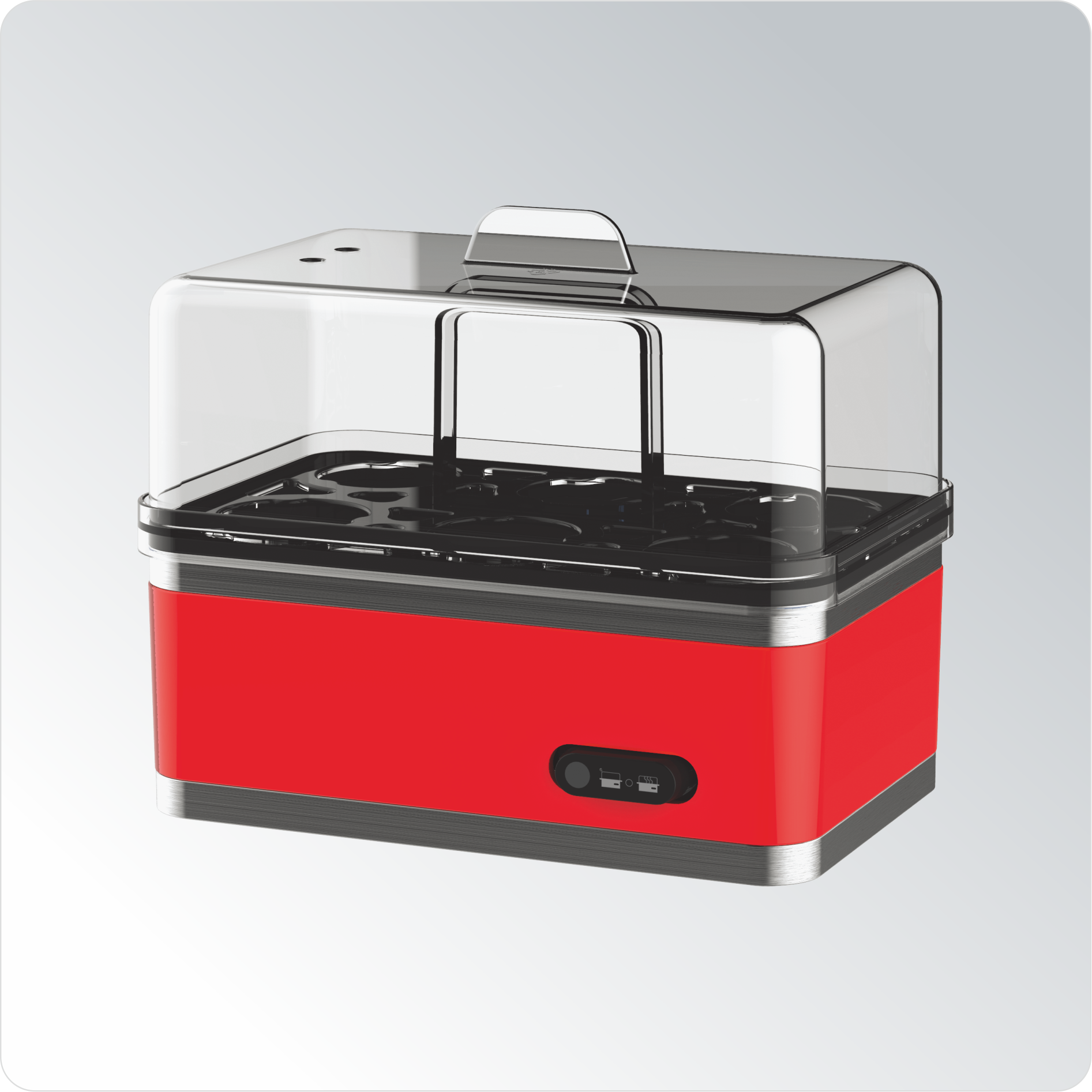
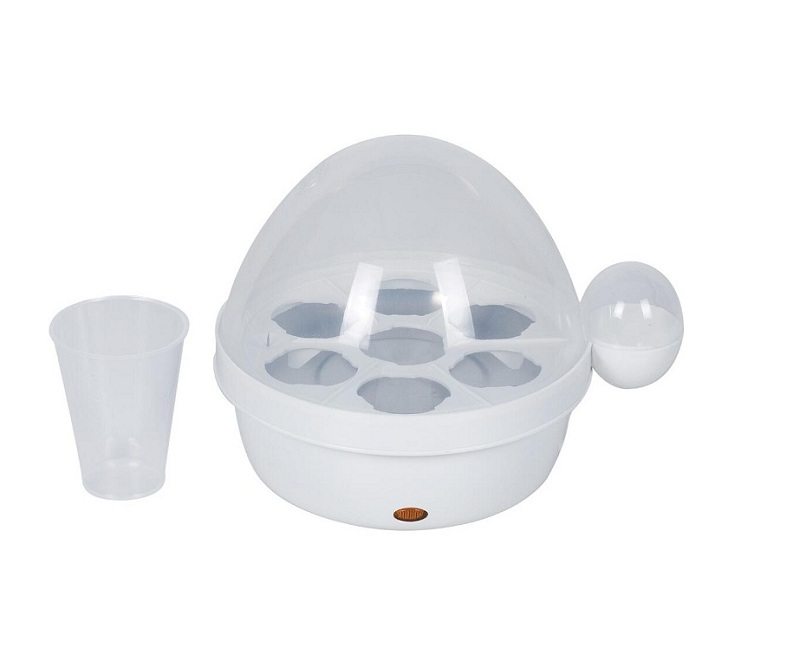
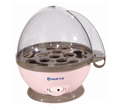
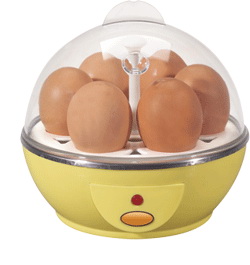
Egg Boilers
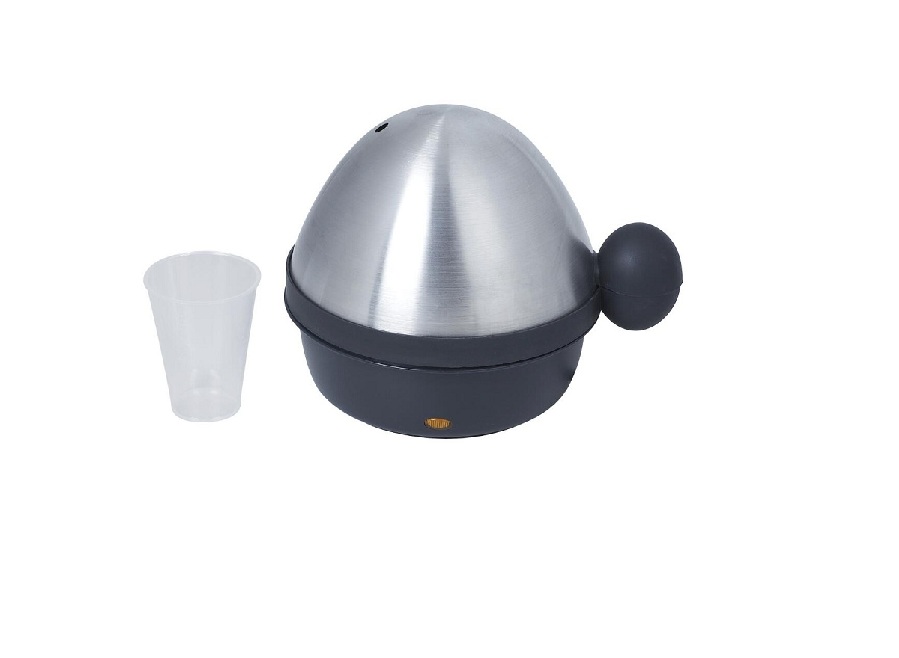
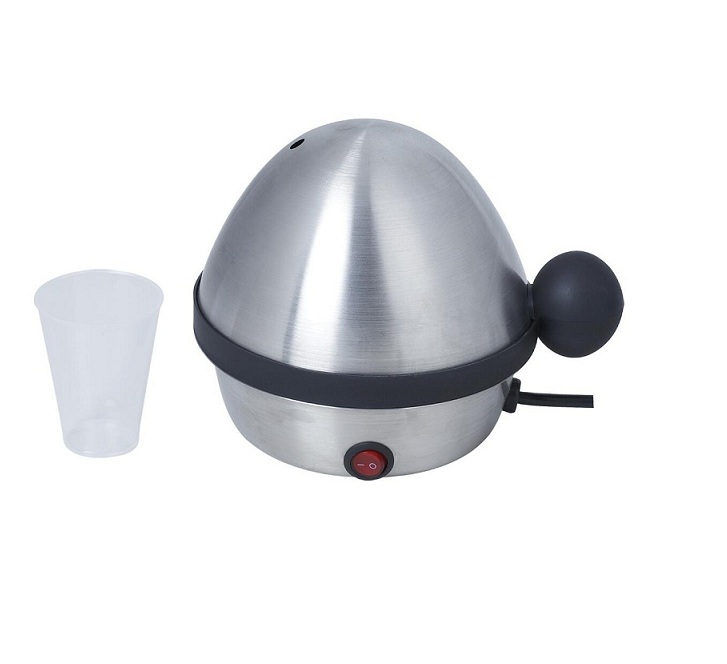
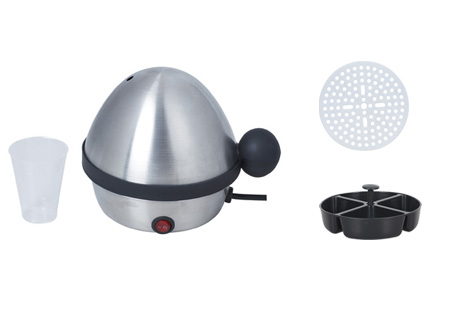
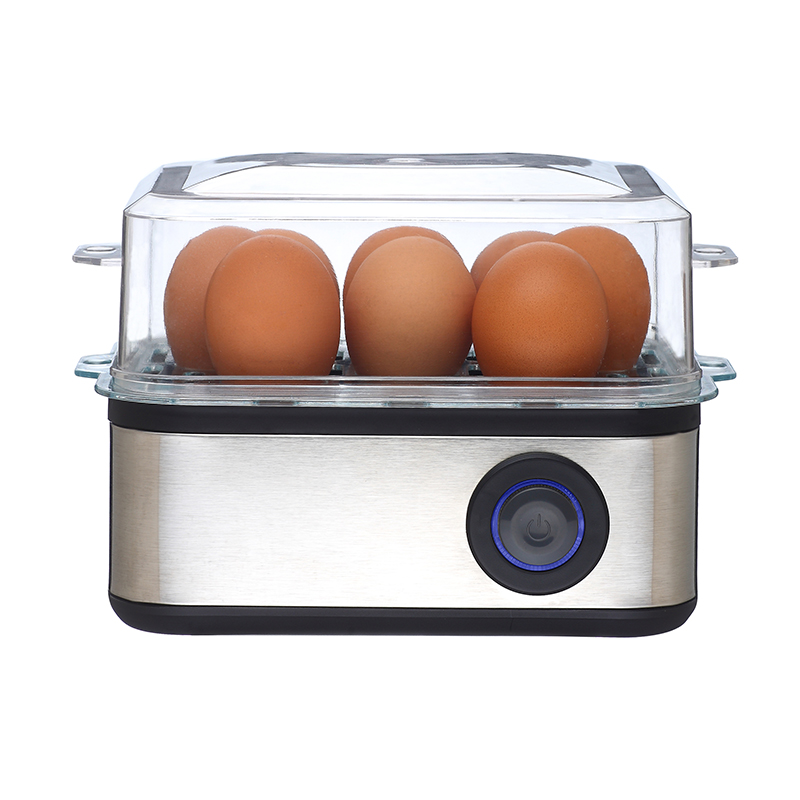
Source premium egg boilers from vetted suppliers and manufacturers across Asia. Designed for importers, wholesalers, and appliance brands requiring reliable bulk supply or custom OEM/private-label production, our network delivers certified quality and scalable manufacturing for global markets.
Sourcing electric egg boilers at scale requires balancing unit costs with strict electrical safety and food-contact compliance. While the core technology—a heating plate, a bimetallic thermostat, and a basic injection-molded housing—is relatively straightforward, inconsistent component quality on the factory floor can lead to high defect rates, premature failure, and costly safety recalls. Success in this category depends on specifying the right materials upfront and auditing the manufacturer's assembly standards.
Critical Component Specifications
When negotiating with egg boiler manufacturers, the bill of materials (BOM) dictates both the lifespan of the appliance and its compliance with international standards. Buyers must specify exactly what goes into the unit rather than relying on the factory's default configuration.
- Heating Plates: The boiling plate must withstand repeated thermal shock and mineral buildup. 304 stainless steel is the industry standard for durability and rust resistance. Lower-cost suppliers often substitute 201 stainless steel or use non-stick coated aluminum, which degrades over time and can cause scaling issues.
- Thermostats and Thermal Fuses: Egg boilers operate on a boil-dry principle; when the water evaporates, the temperature spikes, and the thermostat cuts the power. This component must be rated for thousands of cycles. Specifying high-quality bimetal thermostats prevents the unit from melting or causing electrical fires if left unattended.
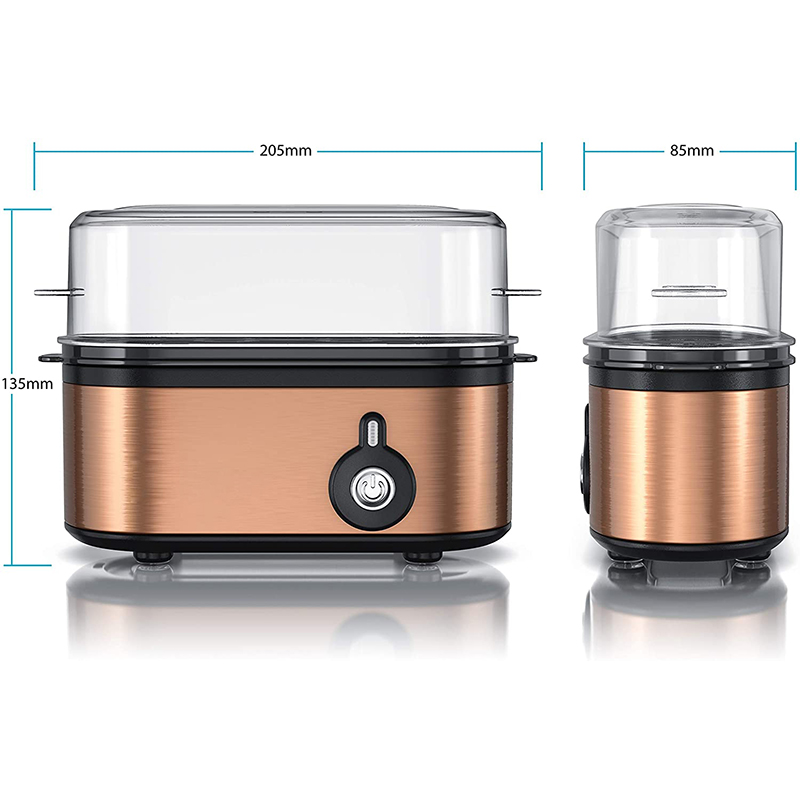
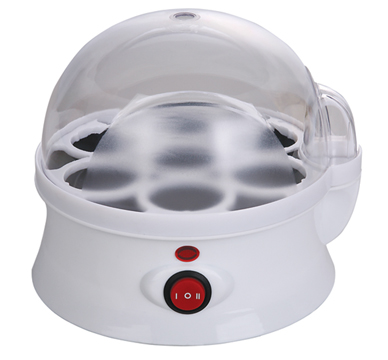
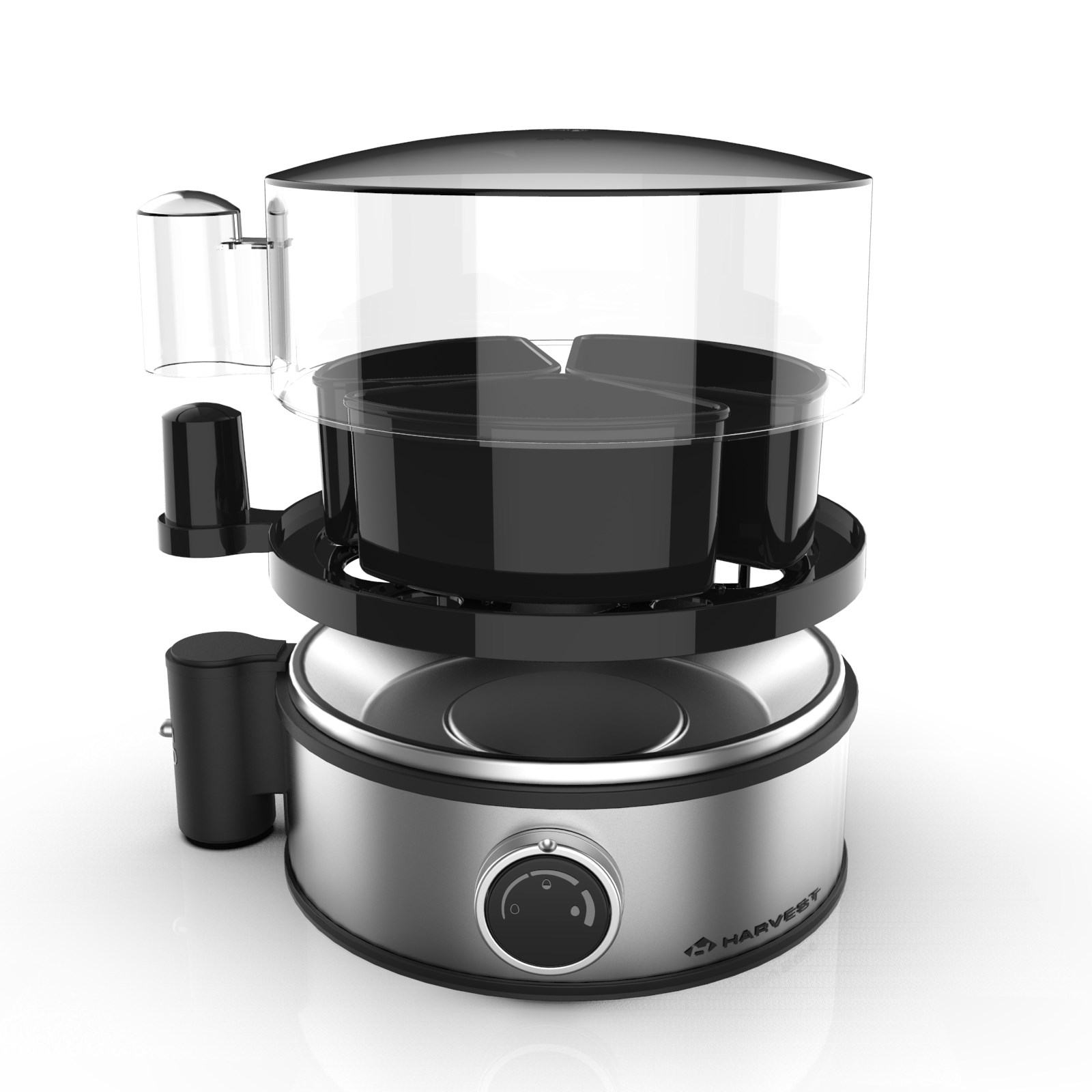
- Wattage and Capacity: Standard 7-egg models typically require 350W to 400W to achieve optimal steam generation. Double-tier models (up to 14 eggs) often push into the 400W to 500W range.
| Material | Durability | Food Safety (Steam) | Typical Application |
|---|---|---|---|
| Polypropylene (PP) | Moderate | FDA/LFGB compliant (BPA-free required) | Budget / Entry-level models |
| Polycarbonate (PC) | High (impact resistant) | Must verify BPA-free status | Mid-range transparent lids |
| Tritan | Excellent | Inherently BPA-free, high heat resistance | Premium brand models |
| Stainless Steel (304) | Maximum | Excellent | Commercial or high-end domestic |
Need to verify a factory's component supply chain? Ensure your manufacturer uses certified, food-safe components before you commit to mass production.
Talk to our teamManufacturing Quality and Compliance
The primary failure modes for egg boilers occur during final assembly. Poorly sealed heating elements can allow water to leak into the electrical housing, causing short circuits. Implementing rigorous Quality Control & Inspection protocols is non-negotiable.
Essential Factory QC Checks
In-Line and Pre-Shipment Testing
- Hi-Pot (High Potential) Testing: Verifies electrical insulation and ensures no current leakage to the exterior housing.
- Boil-Dry Cycle Testing: Confirms the thermostat reliably cuts power when water is fully evaporated.
- Water Ingress Inspection: Ensures silicone gaskets sealing the heating plate to the plastic base are seated correctly.
- Drop and Impact Testing: Validates the durability of transparent lids (PC or Tritan) and the main housing during transit.
Regulatory compliance is another major hurdle. Because egg boilers generate high-heat steam that touches the eggs (and sometimes poaching trays), all internal plastics must pass strict food-contact regulations. You will need to coordinate with Compliance & Testing partners to secure FDA (US) or LFGB (Europe) certifications for the plastics, alongside standard electrical certifications like CE, RoHS, LVD, and UL/ETL.
Executing OEM and Private Label Orders
Most bulk buyers utilize OEM/ODM Services to differentiate their egg boilers in a crowded market. If you are private-labeling an existing factory mold, customization is typically limited to housing colors (via Pantone matching), silk-screened logos, and customized packaging.
If you are developing a completely custom unit (e.g., integrating smart timers, digital displays, or unique form factors), you will need to invest in custom injection molding tooling. This increases upfront costs but provides a proprietary product design. Before initiating custom tooling, comprehensive Factory Audits are highly recommended to ensure the supplier has the engineering capability to support complex product development.
Typical MOQs, Pricing, and Lead Times
Small kitchen appliances operate on tight margins and rely on economies of scale. Injection molding color runs and electronic component minimums dictate the baseline requirements for most factories.
Prices fluctuate based on the heating plate material, the quality of the thermostat, and raw plastic costs. Premium features like digital timers, stainless steel lids, or specialized poaching accessories will push unit costs higher, but allow for significantly better retail margins.
Optimize your unit costs and negotiate better MOQs with vetted small appliance manufacturers.
Get a free consultationFrequently Asked Questions
Sourcing egg boilers effectively requires looking past the simple exterior and focusing heavily on thermal regulation, electrical safety, and material integrity. By tightly controlling your BOM and enforcing rigorous pre-shipment inspections, you can secure a reliable, compliant product line that protects your brand reputation.
Get Sourcing Help for Egg Boilers
Tell us your requirements and our experts will connect you with verified manufacturers.